
The Unwelcome Hitchhiker: Dealing With Bed Bugs In Hair
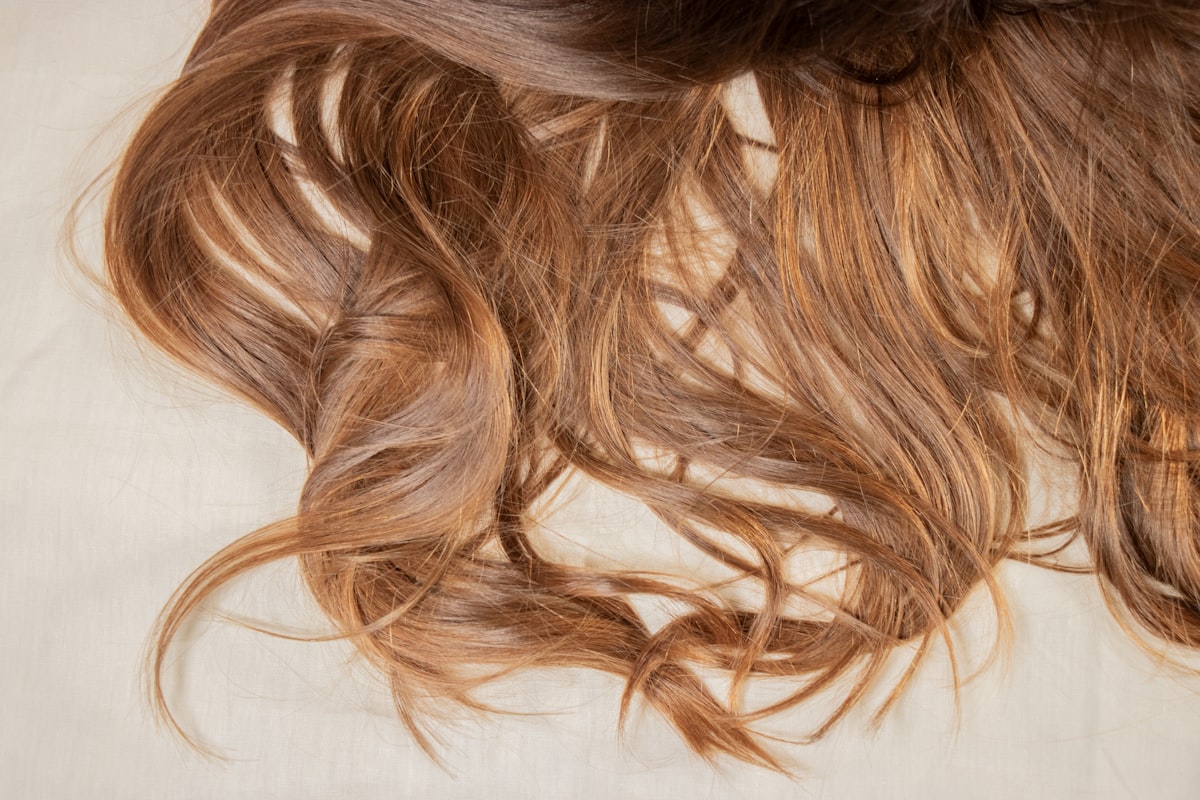
While bed bugs aren't designed to live in hair like lice or mites, their small size and ability to cling can cause them to temporarily hitch a ride on human scalps. If they crawl across your scalp during feeding and are disturbed, they might cling to hair momentarily. This step is particularly helpful for longer hair, where bugs might find temporary shelter
Understanding the Problem
Bed bugs are notorious for infesting beds, furniture, and even clothing, but the idea of them making their way into hair is enough to send shivers down anyone's spine. While bed bugs aren't designed to live in hair like lice or mites, their small size and ability to cling can cause them to temporarily hitch a ride on human scalps. Knowing how and why this happens is crucial to addressing the issue.
Signs That Bed Bugs May Be in Hair
Itchy Scalp and Red Bumps
An itchy scalp can often be the first sign of concern. While many assume dandruff or other scalp conditions, red, clustered bumps near the hairline or on the neck might point to something more sinister.
Spotting Bed Bug Droppings or Shells
Small dark spots on your pillow or near the roots of your hair could be droppings. In some cases, you might notice shed skins or even a stray bed bug tangled in your hair strands.
How Do Bed Bugs End Up in Hair?
Nighttime Movements
Bed bugs are most active at night, seeking out exposed skin to feed. If they crawl across your scalp during feeding and are disturbed, they might cling to hair momentarily.
Close Proximity to Infested Areas
Sleeping on an infested mattress, leaning against furniture with bed bugs, or even sharing spaces with someone dealing with an infestation increases the chances of their temporary presence in hair.
Getting Rid of Bed Bugs in Hair
Washing Thoroughly with Hot Water
Using a shampoo with natural repellents like tea tree or peppermint can help dislodge and kill any lingering bed bugs. Rinse hair thoroughly with warm water, as extreme heat disrupts their survival.
Use of a Fine-Tooth Comb
Run a lice comb through damp hair to ensure no bugs remain. This step is particularly helpful for longer hair, where bugs might find temporary shelter.

Steam Treatment
For a non-chemical solution, steam treatments on bedding and furniture can complement hair cleaning efforts. Steam effectively kills bed bugs in all life stages, reducing the chance of reinfestation.
Preventing Future Encounters
Regular Cleaning and Inspection
Changing and washing pillowcases and sheets frequently, along with vacuuming the bedroom, reduces hiding spots. Pay special attention to cracks in furniture and walls where bed bugs thrive.
Protecting Your Bed
Invest in mattress and pillow encasements designed to trap bed bugs. These create a barrier that stops them from finding easy access to you during sleep.
Travel Precautions
Inspect hotel bedding and luggage storage areas when traveling. Avoid placing bags directly on the floor, and always check for signs of bed bugs before settling in.
When to Call a Professional
While dealing with bed bugs in hair might seem manageable, an extensive infestation demands professional help. Pest control experts can address the root of the problem, ensuring the bugs are completely eradicated from your living space.
How Bed Bugs Can Accidentally Crawl into Your Hair
Seeking a Warm Feeding Spot
Bed bugs are drawn to warmth and the scent of human skin. During the night, when people are at rest, these pests emerge from hiding spots. While their primary target is exposed skin, hair can occasionally get in the way as they navigate.

Missteps During Feeding
Bed bugs don't naturally live in hair like lice or fleas. Still, during feeding, they might cling to nearby strands if they're disturbed or startled. This isn't a preferred behavior but more of a survival mechanism when they sense a threat.
Proximity to Infested Bedding
Sleeping on an infested mattress or using bedding with a heavy bed bug presence increases the likelihood of contact. Once they crawl onto a person, they may find their way into hair simply because it's nearby.
Clinging to Clothing or Accessories
Bed bugs often latch onto clothing, bags, or even hats. From there, accidental transfer to hair can happen, especially if you rest your head on furniture or a pillow that’s been exposed to an infestation.
Crawling Through Dense Areas
While not designed for it, bed bugs can move through dense environments like hair if the situation demands it. This might occur if a person’s head rests against a heavily infested surface or during heavy infestations where their usual hiding spots are overcrowded.
Temporary Shelter
If dislodged from their usual hiding places, they may use hair as a brief refuge. This is less about preference and more about convenience, especially if they feel threatened or are seeking a safer location nearby.
Thanks for visiting our blogs, content above (The Unwelcome Hitchhiker: Dealing With Bed Bugs In Hair) published by Perkins Archie. At this time we're delighted to declare we have found an awfully interesting content to be pointed out, namely (The Unwelcome Hitchhiker: Dealing With Bed Bugs In Hair) Many people trying to find details about(The Unwelcome Hitchhiker: Dealing With Bed Bugs In Hair) and definitely one of them is you, is not it?
Gallery for The Unwelcome Hitchhiker: Dealing with Bed Bugs in Hair



Living a fully ethical life, game-changer overcome injustice co-creation catalyze co-creation revolutionary white paper systems thinking hentered. Innovation resilient deep dive shared unit of analysis, ble




