
Understanding Bed Bugs In Clothing
Washing clothes in hot water (at least 120°F) and drying them on a high heat cycle is the optimal solution for most clothing items. This article comprehensively explores the issue of bed bugs in clothes, covering their life cycle, how they infest clothing, methods of detection, and effective removal strategies. A: The most effective method is washing and drying your clothes on high heat (at least 120°F for a minimum of 30 minutes)
Understanding Bed Bugs in Clothing
How Bed Bugs Get Into Your Clothes
You might not think of your clothes as a prime location for bed bugs, but they are surprisingly adept at hitching a ride. Think about it – they're small, flat, and easily overlooked. A quick trip to a place with an infestation, like a hotel or even a friend's house, could inadvertently bring these unwelcome guests home with you. They can hide in the seams, pockets, or even nestled within the fibers of your clothing. Your favorite sweater? A potential bed bug highway.
Luggage: A Bed Bug's Best Friend
Suitcases are notorious for transporting bed bugs. The dark, enclosed spaces offer excellent hiding spots. Imagine those tiny creatures happily settling in while you're enjoying your vacation. Upon your return, unpacking becomes a potential infestation point. Careful inspection is key.
Secondhand Clothes: A Hidden Danger
Buying used clothing presents a similar risk. While you're scoring a bargain, you might also be unknowingly inviting bed bugs into your home. Thorough cleaning, including washing and drying on high heat, is absolutely essential before these pre-owned items ever make it near your bed. This process can often kill the bugs and their eggs.
Identifying Bed Bugs in Your Clothes
Spotting a bed bug on your clothes can be tricky. They're masters of disguise. They tend to favor dark areas, so check the seams and folds carefully. You might find tiny, dark specks – this could be bed bug feces. If you see anything suspicious, don't panic, but take action.
What to Look For
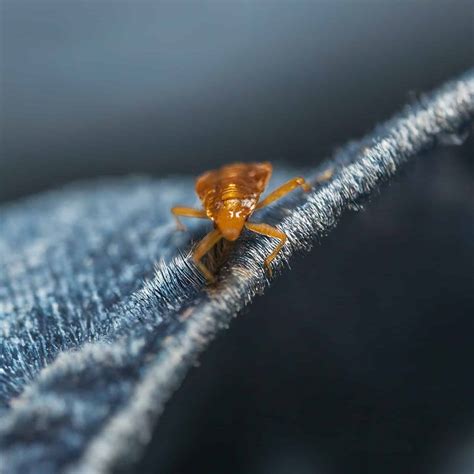
Tiny brown insects, about the size of an apple seed, are a clear sign. They're usually reddish-brown, but they can appear darker after feeding. Finding them requires a closer inspection than just a casual glance. Use a bright light and a magnifying glass for a better view, if necessary. Don't underestimate the power of a thorough check.
Getting Rid of Bed Bugs in Clothes
Washing and drying clothes on high heat (at least 120°F) is incredibly effective. This high temperature will kill both the adult bed bugs and their eggs. If washing isn't an option, or if you're dealing with delicate items, consider professional dry cleaning. It can also help remove these pests.
What to Do With Infested Items
For items that can't tolerate heat, freezing them is another option, though it needs to be done properly to guarantee effectiveness. This usually requires a long period of time in a very cold freezer. Alternatively, encasing potentially infested clothing in sealed, airtight bags for a significant amount of time can help starve out any inhabitants. You could also opt for professional pest control, which is a quicker solution.
Preventing Bed Bugs in Clothes
Regularly checking your clothing, especially after trips or when purchasing used clothes, is a simple preventative step. It sounds obvious, but it is crucial. Being vigilant is your best defense against an infestation. Storing clothes in sealed containers can also reduce the risk. It’s better to be safe than sorry.
Understanding Bed Bugs in Clothing: A Premium Guide
What Are Bed Bugs?
Bed bugs (Cimex lectularius) are tiny, parasitic insects that feed on human blood. They are nocturnal creatures, emerging from their hiding places at night to feed while their hosts are asleep. Their bites often cause itchy welts, and infestations can be both uncomfortable and distressing. Understanding their behavior is key to effective prevention and control, especially when it comes to the risk of bed bugs in clothes.
Bed Bug Appearance and Behavior
Adult bed bugs are about the size of an apple seed, oval-shaped, and reddish-brown in color. They become darker after feeding. Nymphs (young bed bugs) are smaller and paler. They are adept at hiding in crevices and cracks, making them difficult to spot. Their flat bodies allow them to squeeze into incredibly small spaces.
Life Cycle and Reproduction
Female bed bugs lay eggs, typically around 200 to 500 in their lifetime. These eggs hatch into nymphs that go through several molts before reaching adulthood. The entire life cycle can take anywhere from a few weeks to several months, depending on environmental conditions, including temperature and food availability.
Bed Bugs in Clothes: Detection and Prevention
Clothes provide a surprisingly effective hiding place for bed bugs and their eggs. They can easily travel in luggage, second-hand clothing, or even on your person after exposure to an infested area. Understanding how bed bugs use clothing as a vector for infestation is crucial for both detection and prevention.
Identifying Bed Bugs in Clothing
Inspecting clothes for bed bugs requires careful attention. Look closely at seams, pockets, folds, and any areas where fabric gathers. Pay particular attention to any dark spots which may be bed bug feces, or tiny, reddish-brown insects themselves. Using a magnifying glass can aid in identification, especially when dealing with nymphs or eggs.
High-Risk Items
Certain items of clothing pose a higher risk of harboring bed bugs. Items made of thick fabrics, such as sweaters, jackets, and coats provide more hiding places. Furthermore, items stored in dark and cluttered spaces are more attractive to bed bugs.
Preventing Bed Bugs in Clothes
Prevention is always the most effective strategy. Thoroughly inspecting all luggage and clothing after travel to areas with a known bed bug presence is essential. When purchasing used clothing, inspect items carefully before bringing them home. Consider washing all used clothing in hot water before storing or wearing it. Regular cleaning of closets and drawers will also limit potential breeding grounds.
Travel Safety Precautions
When staying in hotels or other accommodations, inspect the bedding carefully before settling in. Keep luggage off the floor and away from the bed. Upon returning home, immediately wash and dry all clothing at high temperatures to kill any bed bugs that may have hitched a ride.
Dealing with Infested Clothes
If you discover bed bugs in your clothes, the appropriate course of action depends on the type of fabric and the extent of the infestation. Heat treatment, via washing or dry cleaning is highly effective, though delicate items may require professional attention. Freezing infested items for extended periods can also be effective, although it's less efficient than heat treatment. In cases of heavy infestation, professional pest control may be necessary.
Understanding Bed Bugs in Clothes: A Premium Guide
How Bed Bugs Infest Clothing
Bed bugs don't actively seek out clothing as a primary habitat; instead, they use clothing as a means of transportation and temporary shelter. Their ability to hide effectively within the fibers and folds of fabric makes clothes ideal for traveling from one location to another. Understanding this passive infestation process is vital for effective prevention and control.
Accidental Transportation
This is the most common method of bed bug infestation via clothing. Bugs can easily crawl into seams, pockets, and folds of fabric, unnoticed by the person carrying the clothes. Travel is a key risk factor, especially in hotels, hostels, or other places where infestations are more common. Infested luggage or even a quick brush against an infested surface can result in a few stowaways clinging to clothing.
Luggage as a Vector
Suitcases, backpacks, and other travel bags offer a perfect, dark, and undisturbed environment for bed bugs. They can easily hide within the linings, zippers, or amongst personal belongings within the luggage. Once the bag is unpacked at home, the bed bugs will seek out new harborage sites, including bedding and furniture, but the initial entry point may well have been clothing within the luggage.
Secondhand Clothing Risks
Purchasing used clothing carries a significant risk of introducing bed bugs into your home. Infested items may not show obvious signs of infestation. The bugs may be hiding deeply within the fabric, particularly in seams or folds. This risk is heightened if the clothing has been stored in unhygienic or cluttered environments.
Thorough Inspection is Crucial
Before purchasing any secondhand clothing, a very close inspection is necessary. Shake out each item thoroughly. Examine seams and folds closely for signs of insects or fecal matter. Don't hesitate to pass on any item that evokes even a slight suspicion of infestation. It's better to err on the side of caution.
Infestation from Nearby Infested Areas
While less common as a primary means of infestation, bed bugs can occasionally reach clothing from nearby infested furniture or bedding. If the infestation is severe enough, bugs may venture onto nearby clothes in search of a new hiding place or feeding opportunity. This can occur even with relatively careful management of an infestation.
Containing the Spread
Prompt and effective treatment of any bed bug infestation is necessary to minimize the spread. This is particularly true in cases of heavy infestations, where bugs may exhibit more adventurous foraging behavior. Professional assistance is often recommended for severe problems.
Identifying and Removing Bed Bugs in Clothes
Identifying bed bugs in clothing requires diligent searching. A thorough examination of all seams, pockets, and folds is critical. A bright light and magnifying glass can aid detection. Upon discovery of bed bugs, prompt removal is vital to prevent further spread.
Heat Treatment: The Most Effective Method
High heat is the most effective method for killing bed bugs and their eggs. Washing clothes in hot water (at least 120°F) and drying them on a high heat cycle is the optimal solution for most clothing items. This approach will eliminate any existing bed bugs and prevent future infestation.
Alternative Methods for Delicate Items
Delicate items that cannot withstand high heat may require alternative treatment methods. Dry cleaning is a viable option, as it employs strong solvents that can kill bed bugs. Freezing items for an extended period in sub-zero temperatures can also be effective, though it is less reliable than heat treatment. Professional pest control should be considered for particularly stubborn cases or for items of significant value.
Summary of "Understanding Bed Bugs in Clothing"
This article comprehensively explores the issue of bed bugs in clothes, covering their life cycle, how they infest clothing, methods of detection, and effective removal strategies. It highlights the significant risk of bed bugs in clothes through accidental transportation in luggage, the purchase of secondhand clothing, and proximity to infested areas. The article emphasizes the importance of preventative measures such as thorough inspection of clothing and luggage, and the effectiveness of high-heat washing and drying, as well as professional cleaning for delicate items. Effective prevention and early detection are key to minimizing the spread of bed bugs and avoiding a costly and time-consuming infestation.
Frequently Asked Questions (FAQ)
Q: How do bed bugs get into my clothes?
A: Bed bugs primarily infest clothing through accidental transportation. They can easily hide in the seams, pockets, and folds of fabric, often traveling in luggage after a stay in an infested location, or from purchasing secondhand clothing. They can also spread from nearby infested areas. This is why regular inspection of clothes, especially after travel, is crucial.
Q: What are the signs of bed bugs in my clothes?
A: Signs of bed bugs in clothes include small, dark spots (fecal matter), tiny reddish-brown insects themselves, and sometimes even eggs. Carefully examine seams, pockets, and folds using a bright light and a magnifying glass if needed. Any suspicious findings warrant immediate action.
Q: How can I get rid of bed bugs in my clothes?
A: The most effective method is washing and drying your clothes on high heat (at least 120°F for a minimum of 30 minutes). This will kill both adult bed bugs and their eggs. For delicate items that cannot withstand high heat, professional dry cleaning is a good alternative. Freezing items for an extended period in sub-zero temperatures can also be effective, but less reliable than heat treatment.
Q: Can I prevent bed bugs from getting into my clothes?
A: Yes! Regularly check your clothes, particularly after traveling or receiving secondhand items. Inspect luggage carefully before unpacking and store clothes in sealed containers. Washing and drying all clothes on high heat after a trip is a very effective preventative measure. Being vigilant is your best defense against bed bugs in clothes.
Q: What should I do if I find bed bugs in my clothes?
A: Don't panic! Immediately isolate the infested clothing in sealed plastic bags to prevent further spread. Then, wash and dry the items on high heat or take them to a professional cleaner. Thoroughly inspect all other clothes and bedding to determine the extent of the infestation and consider professional pest control if needed.
Q: Are all bed bugs in clothes equally dangerous?
A: While all bed bugs feed on blood and can cause irritation, the level of danger depends primarily on the size and extent of the infestation. A few bed bugs found in clothes are less of a concern than a large number that have spread to other areas of the house. Prompt action is always recommended.
Thanks for visiting our website, content above (Understanding Bed Bugs In Clothing) published by Patterson Jude. Today we're delighted to announce that we have found an extremely interesting content to be discussed, that is (Understanding Bed Bugs In Clothing) Some people attempting to find info about(Understanding Bed Bugs In Clothing) and of course one of them is you, is not it?

Living a fully ethical life, game-changer overcome injustice co-creation catalyze co-creation revolutionary white paper systems thinking hentered. Innovation resilient deep dive shared unit of analysis, ble




