
Uncovering The Truth: Bed Bugs Facts You Didn't Know
Okay, here's your article formatted as requested:
Uncovering the Truth: Bed Bugs Facts You Didn't Know
Bed bugs. Just the name can send shivers down your spine. It's easy to picture them lurking in the dark, waiting for their next meal. But beyond the creepy crawly aspect, how much do you really know about these resilient pests? It turns out, some common assumptions about them are just plain wrong. Let's dive into some surprising bed bugs facts that might just change your understanding of these tiny travelers.
Misconceptions About Bed Bugs
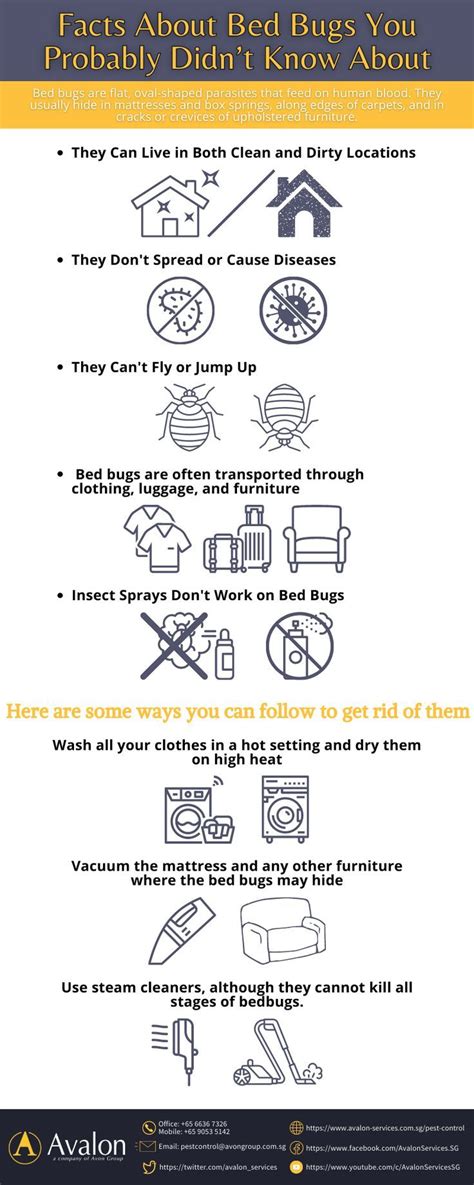
Many people believe bed bugs are a sign of filth. Not true! These tiny creatures are opportunistic hitchhikers, and they can be found in even the cleanest of places. Think about it: you might pick one up at a five-star hotel just as easily as a budget motel. They don't care about the level of cleanliness; they are all about proximity to their food source - you.
Another common myth? That they're too small to see. While they are certainly small, adult bed bugs are definitely visible to the naked eye, often resembling apple seeds in size and color. It's the nymphs, the babies, that are harder to spot.
Identifying Bed Bugs
So, if you can see them, how do you actually know you have a bed bug problem? The first sign is often a line or cluster of itchy bites. Typically, these bites appear on areas of skin exposed while you sleep such as your arms, neck and hands. The bites themselves aren't a clear indicator since reactions vary greatly from person to person, with some having virtually no reaction at all.
Spotting the Signs
Other signs include tiny dark or reddish fecal spots on your mattress, bed linens, or walls. Cast skins – the exoskeletons they shed as they grow – are another common indicator. Check seams, cracks and crevices near your bed, as these are popular hiding places.
Where Do They Hide?
Bed bugs aren't limited to just your mattress. They can be found in bed frames, headboards, nightstands, and even behind picture frames or loose wallpaper near your bed. Think of them as strategically located near their food.
Bed Bug Behaviors
These tiny travelers are nocturnal, which means they prefer to come out at night to feed. This is why you often find bites in the morning. Bed bugs are attracted to the carbon dioxide you exhale when you sleep as well as your body heat.
Feeding Habits
Bed bugs are not like mosquitoes. They do not fly or jump. Instead, they crawl. They feed by piercing your skin with their mouthparts and sucking blood. This feeding process can last anywhere from three to ten minutes. And they like to stay well hidden during the day, making them difficult to find and eliminate.
Travel and Spread
These critters are incredibly good at hitchhiking. They can easily jump on luggage, purses, or clothing and travel long distances to new locations. So, a vacation or even a trip to the movies can easily become a way to unknowingly bring them into your home.
Taking Action Against Bed Bugs
If you suspect a bed bug infestation, it's best to act swiftly. Don't wait to see if it goes away, it likely won't. It can be overwhelming to try and deal with bed bugs by yourself. Professional exterminators have the knowledge and tools to effectively treat infestations. Early detection is key to containing the problem.
Insidious Infestations: The Alarming Reality of Bed Bug Epidemics
Bed bugs. The mere mention of them can trigger a wave of unease. They're not just a nuisance; they represent a real challenge for homes and communities worldwide. It's tempting to think of them as an old problem, something that was dealt with decades ago. But the truth paints a very different picture. Understanding the scope of the problem, including key bed bugs facts, is essential for effective prevention and control.
The Resurgence of Bed Bugs
While they may have been less prominent for a time, bed bugs have made a significant comeback in recent years. This isn't a localized issue either, it's a global phenomenon. Increased international travel and a lack of awareness have fueled this rise. These tiny critters can easily hitchhike their way across the world, settling into new environments with remarkable ease. This has resulted in a growing number of infestations.
Why Are They So Difficult to Eradicate?
Several factors make bed bugs so difficult to get rid of. They are experts at hiding, for one. These nocturnal insects are adept at concealing themselves in tiny cracks and crevices during the day. They can survive for months without feeding, and they have a high reproductive rate. Once they establish themselves, it’s incredibly challenging to eliminate them completely without professional help.
The Development of Resistance
Another significant hurdle is the bed bug’s increasing resistance to common pesticides. Over time, they’ve developed ways to tolerate these chemicals, making conventional methods less effective. This requires innovative approaches and integrated pest management strategies to successfully combat infestations.
Economic Impact
Beyond personal discomfort, bed bug infestations can have serious economic consequences. They can damage businesses, particularly in the hospitality industry, as well as negatively impact the real estate market. Hotels, motels and even rental properties can suffer significant losses when faced with the stigma and costs associated with these pests.
Misconceptions and Their Impact
A lot of the bed bug problem has to do with the myths and misunderstandings. People might not report infestations, thinking they are not a big deal, or they may be unaware of the telltale signs. This allows infestations to grow undetected, causing them to spread more quickly. It's crucial to dispel common misconceptions and provide accurate information about how to identify and deal with bed bugs. Knowing the bed bugs facts is the best defense.
What About DIY Solutions?
The internet is full of DIY solutions for getting rid of bed bugs, but many of them simply don't work, or worse, they can drive the pests further into hiding or spread them to different rooms. Sometimes you can make it more difficult for the pest control experts to take care of the problem. Relying on unproven methods can actually prolong the infestation and worsen the situation.
Prevention is Key
Prevention is always the best strategy when dealing with bed bugs. This includes things like inspecting luggage, washing clothes immediately upon arriving home, and being vigilant when staying in new places. Being proactive about recognizing and preventing infestations is essential to controlling the spread and avoiding the personal and economic costs associated with these tenacious pests.
From Crevices to Catastrophes: The Anatomy of a Bed Bug Invasion
Bed bugs. They begin as tiny, almost imperceptible creatures, yet they can quickly escalate into a full-blown home invasion. Understanding the intricate process of how these infestations take hold and spread, along with key bed bugs facts, is vital for preventing and managing them effectively. It's more than just recognizing the bug; it’s about grasping the patterns of their behavior.
The Initial Infiltration
The journey of a bed bug infestation often starts discreetly. A few hitchhikers, maybe picked up on a suitcase after a trip or from secondhand furniture, are all it takes. These initial invaders are often overlooked, allowing them time to settle in and begin reproducing. They are not particularly fast movers, nor are they highly visible in small numbers. This makes early detection incredibly challenging.
The Establishment of a Colony
Once inside, these bed bugs seek out dark, secluded hiding places near their food source—you. This is often within a few feet of your bed. As they mature, they reproduce quickly, causing a rapid growth in their population. Nymphs hatch, go through multiple molts, and mature to adults, compounding the issue with every passing week. These infestations can grow very fast.
Harboring Locations
Bed bugs are masters of disguise. They don't just live on your mattress. They'll hide in the seams of furniture, behind baseboards, in electrical outlets, and in any tiny crack they can squeeze into. This makes finding them a challenge and requires careful inspection.
Feeding Frenzy
At night, as you sleep, bed bugs emerge from their hiding places to feed on your blood. This process can last several minutes per bug, and you may not even feel the bites until later. They can feed multiple times during a single night, which increases the number of potential bites. Each bed bug feeds, which then impacts the growth of the colony.
The Spread Beyond the Bedroom
As the infestation grows, bed bugs are not content to stay in the bedroom. They will often migrate to other rooms, following the paths that people take throughout the house. They'll attach themselves to clothes, purses, and other items, which become new ways for them to spread and find new food sources. The problem can then become more challenging to contain.
The Role of Human Behavior
Unknowingly, people often contribute to the spread of bed bugs within their home. Moving furniture from one room to another or leaving clothes on the floor can provide pathways for them to move. Understanding how your behavior can affect their spread is a vital step in controlling the invasion.
The Escalation to Infestation
When a bed bug population reaches a certain point, it can become difficult to control. At this point you may see evidence of them more often. You might notice blood spots on your sheets, a musty odor, or frequent bites. When you see a lot of these things, it’s likely that the infestation has been going on for a while.
Why Professional Help is Necessary
Successfully eradicating a well-established bed bug infestation requires more than just spraying a little bug spray. It's a complex process that demands a strategic approach. Professional pest control experts have the expertise, knowledge and equipment to thoroughly assess the situation and implement effective treatment strategies. Their work can help get rid of the entire population safely and correctly.
Summary of Bed Bug Articles
These articles explore various facets of bed bugs, emphasizing that they are a significant problem worldwide, not a sign of uncleanliness, and that they can easily hitchhike and establish infestations. They highlight common misconceptions about bed bugs, noting their visibility, varied bite reactions, and hiding habits. The content stresses the importance of early detection and professional pest control due to the insects’ resilience, rapid reproduction, and increasing resistance to pesticides. The information reveals how bed bugs spread beyond the bedroom, emphasizing the need for vigilance and preventative measures. The articles emphasize that while DIY methods may be tempting, professional help is usually essential for effective eradication of bed bugs. Understanding key bed bugs facts is crucial for prevention and control.
Frequently Asked Questions (FAQ)
Q: Are bed bugs only found in dirty places?
A: No, that's a common misconception. Bed bugs are not attracted to dirt or filth. They're attracted to warmth and carbon dioxide, so they can be found in clean or dirty environments. The key bed bugs facts to remember is they are opportunistic hitchhikers and can be found in a variety of locations, from five-star hotels to budget motels.
Q: Can I see bed bugs with the naked eye?
A: Yes, adult bed bugs are visible to the naked eye. They are often compared to the size and shape of an apple seed and are typically reddish-brown. However, the young nymphs are much smaller and harder to spot.
Q: How can I tell if I have a bed bug problem?
A: Some indicators of a bed bug infestation include: itchy bite marks on exposed skin (often in clusters or lines), small reddish or dark fecal spots on bedding or furniture, shed exoskeletons (cast skins), and the presence of live bed bugs in hiding spots such as mattress seams and crevices.
Q: Where do bed bugs typically hide?
A: Bed bugs are skilled at finding hiding spots. They are not just on your mattress. They can be found in bed frames, headboards, nightstands, baseboards, behind picture frames, and even in electrical outlets. Any crack or crevice near where you sleep is a potential hiding place for these tiny pests.
Q: How do bed bugs spread so easily?
A: Bed bugs are excellent hitchhikers. They can easily crawl onto luggage, clothing, purses, and other belongings, allowing them to travel long distances and infest new places. This is a key bed bugs facts. They are masters of opportunistic travel.
Q: Can I get rid of bed bugs on my own?
A: While some DIY methods might offer temporary relief, they often fail to completely eliminate bed bug infestations. These pests can be challenging to remove due to their ability to hide effectively and their growing resistance to pesticides. Professional exterminators are usually needed for a complete and lasting solution.
Q: What's the most important thing I should know about bed bugs?
A: The key bed bugs facts to keep in mind are that these pests can affect anyone regardless of cleanliness. Prevention, early detection, and professional assistance are crucial for controlling and eliminating infestations. Acting quickly and effectively is the best approach.
Q: If I see one bed bug, does it mean I have an infestation?
A: Possibly. If you find one bed bug, it is wise to thoroughly inspect the area around the discovery. While it is possible a single bug was just passing through, seeing one often indicates that there are more, and it's best to act fast.
Thanks for visiting our site, article above (Uncovering The Truth: Bed Bugs Facts You Didn't Know) published by Rice Luca. At this time we're delighted to declare that we have found a very interesting content to be reviewed, that is (Uncovering The Truth: Bed Bugs Facts You Didn't Know) Most people trying to find specifics of(Uncovering The Truth: Bed Bugs Facts You Didn't Know) and definitely one of them is you, is not it?

Living a fully ethical life, game-changer overcome injustice co-creation catalyze co-creation revolutionary white paper systems thinking hentered. Innovation resilient deep dive shared unit of analysis, ble




