
Effective Solutions For Bed Bugs Extermination
Heat treatment involves heating a room or entire home to a temperature of at least 120 degrees Fahrenheit to kill bed bugs and their eggs. Here are some effective methods for bed bug extermination: Heat treatment involves using specialized equipment to heat a room to a high temperature, killing bed bugs and their eggs. Dry cleaning can be effective in killing bed bugs and their eggs
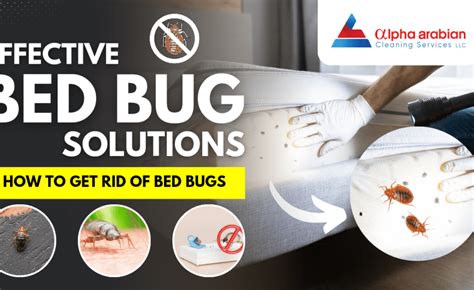
Effective Solutions for Bed Bugs Extermination
Understanding Bed Bugs
Bed bugs are small, flat insects that feed on the blood of humans and other warm-blooded animals. They are notorious for infesting homes, hotels, and other places where people sleep or rest. Bed bugs can cause discomfort, anxiety, and stress due to their bites and presence.
Identifying Bed Bugs
To effectively eliminate bed bugs, it is crucial to identify them correctly. Adult bed bugs are about 4-5 millimeters long, oval-shaped, and reddish-brown in color. They have six legs and a distinct "humped" appearance. Immature bed bugs (nymphs) are smaller and lighter in color, gradually darkening as they mature. Eggs are white, about 1 millimeter long, and often found in cracks and crevices.
Common Hiding Spots
Bed bugs typically hide in areas close to their food source - humans. They often inhabit:
- Mattresses and box springs
- Bed frames and headboards
- Upholstered furniture
- Behind wallpaper and molding
- Electrical outlets and light switches
- Under carpets and rugs
- Inside suitcases and luggage
Extermination Methods
There are several effective solutions for bed bugs extermination:
Chemical Treatment
Chemical treatments involve using insecticides specifically designed to kill bed bugs. These can be applied by professionals or homeowners, but it's recommended to hire a pest control service for thorough and safe application. Common insecticides used include pyrethroids, neem oil, and insect growth regulators.
Heat Treatment
Heat treatment involves heating a room or entire home to a temperature of at least 120 degrees Fahrenheit to kill bed bugs and their eggs. This method is effective but requires specialized equipment and may not be suitable for all types of homes or belongings.
Cold Treatment
Cold treatment uses freezing temperatures to kill bed bugs. This method is less common and typically used for small items that can be placed in a freezer.
Integrated Pest Management (IPM)
IPM combines multiple approaches such as sealing hiding spots, using mattress encasements, and applying insecticides. It requires patience and persistence but can be highly effective in eliminating bed bugs.
Natural Remedies
Some natural remedies have been found to repel or kill bed bugs, including:
- Essential oils like peppermint, lavender, and tea tree oil
- Diatomaceous earth, a non-toxic powder made from fossilized algae
- Washing and drying clothing and bedding in hot water and high heat
However, these methods may not completely eliminate an infestation and should be used in conjunction with other treatments.
Prevention
Preventing bed bugs from entering your home is key to avoiding infestations. Here are some preventive measures:
- Inspect second-hand furniture and items carefully before bringing them into your home
- Use mattress encasements and bed bug-proof box springs
- Seal cracks and crevices around windows, doors, and baseboards
- Regularly wash and dry clothing and bedding in hot water and high heat
- Avoid bringing luggage or personal items into your home after traveling
- Use a flashlight to inspect for signs of bed bugs when staying in hotels or other accommodations
The Ultimate Guide to Getting Rid of Unwanted Bed Bugs
h1 Getting to Know Bed Bugs
- Bed bugs are flat, parasitic insects that feed on human blood when humans sleep or lie on mattresses or bedding.
- Humans typically sleep on mattresses, pillows, or bed frames that have previously been infested with bed bugs.
- Bed bugs are particularly attracted to warmth and humidity, which is why they can live and breed in the smallest cracks and crevices.
h1 Understanding the Treatment Process
- Diagnosis and Treatment: The first step is to identify and treat an infestation by a pest control professional.
- Treatment Options: Effective bed bug treatment involves a combination of treatments including heat treatment, cold treatment, chemical treatment, and encasement.
- Home Treatment for Initial Infestations: For minor infestations, homemade treatments include using essential oils, washing and drying bedding, and vacuuming.
h1 Residential Prevention and Preparation
h2 Protection Measures
- Mattress Cover and Encasements: Covering mattresses and boxes spring mattresses with bed bug-proof encasements can prevent bed bugs from escaping and re-infesting the area.
- Seal Bed Bug-Attracting Cracks and Crevices: Sealing cracks and crevices around windows, doors, and baseboards can help prevent bed bugs from entering the home.
- Regular Inspections: Regularly inspecting for signs of bed bugs is crucial in preventing and addressing infestations.
h2 Cleaning and Sanitation Techniques
- Cleansliness of the Home: Regularly cleaning the home, especially the bed area, can help prevent bed bug infestations.
- Soil Testing and Dehumidifying: Soil testing to identify moisture problems can help in treating moisture-related issues in mattresses and bedding.
- Vacuuming and Sewing: Maintenance of vacuum cleaners and the sewing machine can help in reducing bed bugs that may have hitched a ride into the home in donated items.
h1 Effective Bed Bug Extermination
h3 Integrated Pest Management (IPM)
- IPM Strategy: Utilizing IPM involves a comprehensive approach to detect, treat, and prevent bed bug infestations.
- Monitoring and Maintenance: Regular monitoring for signs of bed bugs, combined with regular maintenance, including washing and drying bedding, and mattress encasements, can help prevent and control the infestation.
h3 Chemical and Heat Treatment
- Chemical Treatment: Chemical treatment involves using sprays or powders to kill bed bugs and their eggs on mattresses, bedding, and other items in the home.
- Heat Treatment: Heat treatment involves using equipment to heat mattresses to temperatures of up to 130°F to kill bed bugs and their eggs.
h3 Vacuuming and Cleaning
- Proper Vacuuming: Using a vacuum cleaner that is equipped with a HEPA filter can help remove bed bugs, their eggs, and other particles from the environment.
- DIY Bed Bug Cleaning Plans: DIY bed bug cleaning plans can help in tackling infestations and removing bed bugs and their remains from mattresses, boxes, and other frequently used items.
h3 Non-Chemical and Natural Methods
- Non-Chemical Treatment: Non-chemical treatment includes using essential oils, laundry detergent boosters, and ozone generators to reduce the presence of bed bugs.
- Professional Support: For severe bed bug infestations, hiring a licensed pest control professional can provide the necessary support to effectively eliminate and prevent bed bugs.
Bugging Out: Discover the Best Methods for Bed Bug Elimination
The Main Culprits
Bed bugs are notorious for their ability to infest homes and hotels, causing discomfort and stress for those affected. They are small, flat, and reddish-brown insects that feed on human blood.
Signs of Infestation
It's crucial to recognize the signs of bed bug infestation early on. Common indicators include:
Reddish-Brown Spots or Blood Stains
Bed bugs excrete a reddish-brown liquid that can stain surfaces. Look for these stains on mattresses, box springs, and walls.
Live Bed Bugs
Live bed bugs are usually found in cracks and crevices around beds. They are most active at night, so it's best to inspect during the day.
Eggshells and Shed Skins
Female bed bugs lay white, oval-shaped eggs that hatch in about a week. Look for these eggs and the shed skins of newly hatched bed bugs.
Effective Methods for Elimination
Once you've confirmed an infestation, it's time to take action. Here are some effective methods for bed bug extermination:
Heat Treatment
Heat treatment involves using specialized equipment to heat a room to a high temperature, killing bed bugs and their eggs. This method is effective but can be costly.
Cold Treatment
Cold treatment involves using dry ice or liquid nitrogen to freeze bed bugs and their eggs. This method is also effective but requires specialized equipment.
Chemical Treatment
Chemical treatment involves using pesticides specifically designed to kill bed bugs. However, this method can have side effects and may not be suitable for everyone.
DIY Methods
DIY methods include using over-the-counter pesticides and washing and drying bedding in hot water. While these methods can be effective, they may not reach all areas where bed bugs hide.
Prevention is Key
Preventing bed bug infestations is easier than eliminating them. Here are some steps you can take:
Regular Inspections
Regularly inspect your home, especially around beds and couches, for signs of bed bugs.
Use Bed Bug-Proof Mattress Covers
Using bed bug-proof mattress covers can help prevent bed bugs from getting inside your mattress.
Dry Cleaning
Dry cleaning can be effective in killing bed bugs and their eggs. This method is especially useful for items that cannot be washed in water.
Here you are at our website, content above (Effective Solutions For Bed Bugs Extermination) published by Middleton Peter. Nowadays we're pleased to declare that we have found an incredibly interesting topic to be reviewed, namely (Effective Solutions For Bed Bugs Extermination) Many people searching for specifics of(Effective Solutions For Bed Bugs Extermination) and of course one of them is you, is not it?

Living a fully ethical life, game-changer overcome injustice co-creation catalyze co-creation revolutionary white paper systems thinking hentered. Innovation resilient deep dive shared unit of analysis, ble




