
How To Detect Bed Bugs In Your Home: A Comprehensive Guide
To get rid of bed bugs, it's essential to detect them early on. In this comprehensive guide, we'll walk you through the steps to detect bed bugs in your home, providing you with the knowledge to take control of the situation. Here are some common hiding spots to check: If you're still having trouble detecting bed bugs, consider using electronic devices to aid in your search: Infrared thermography can detect the heat emitted by bed bugs, making it easier to locate them
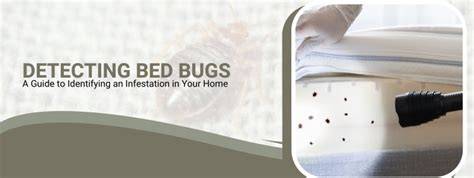
How to Detect Bed Bugs in Your Home: A Comprehensive Guide
Bed bugs are one of the most frustrating and unwanted pests that can infest a home. These tiny, flat insects feed on human blood and can cause significant discomfort, anxiety, and financial loss. To get rid of bed bugs, it's essential to detect them early on. However, detecting bed bugs can be a challenging task, especially for the untrained eye. In this comprehensive guide, we'll walk you through the steps to detect bed bugs in your home, providing you with the knowledge to take control of the situation.
Preparation is Key
Before you start searching for bed bugs, it's crucial to prepare your home and yourself for the task. Here are some essential steps to take:
Clear Your Clutter
Cluttered areas provide perfect hiding spots for bed bugs. Clearing your clutter will give you a better chance of detecting bed bugs and their eggs. Remove any unnecessary items from your bedroom, and keep a clean and tidy space.
Wash and Dry Your Bedding
Wash and dry your bedding, including your sheets, blankets, and comforters, in hot water and high heat. This will help kill any bed bugs that may be hiding in your bedding.
Visual Inspection
A visual inspection is the most effective way to detect bed bugs. Here are some tips to help you conduct a thorough inspection:
Look for Signs of Infestation
Look for signs of bed bug infestation, such as: * Small, red-brown spots or bloodstains on your sheets and mattress * Live bed bugs in the seams of your mattress, bed frame, or headboard * Fecal stains, eggshells, or shed skins
Check Hidden Areas
Check hidden areas, including: * Behind the headboard and bed frame * Under the mattress and box spring * Inside books, DVDs, and other containers * In electrical outlets and light switch plates
Common Bed Bug Hiding Spots
Bed bugs often hide in specific areas. Here are some common hiding spots to check:
Mattress
- Look for bed bugs in the seams, corners, and near the headboard
- Check for bed bugs in the mattress pad, box spring, and bed frame
Box Spring
- Check for bed bugs in the seams, corners, and near the top
- Look for bed bugs in the box spring cover and dust ruffles
Headboard and Bed Frame
- Check for bed bugs in the seams, corners, and near the headboard
- Look for bed bugs behind the headboard and bed frame
Electronic Assistance
If you're still having trouble detecting bed bugs, consider using electronic devices to aid in your search:
Infrared Thermography
Infrared thermography can detect the heat emitted by bed bugs, making it easier to locate them.
UV Light
UV light can attract bed bugs, making them easier to spot.
Bed Bugs Detection: Identifying the Early Warning Signs
=
Detecting bed bugs early on is crucial to preventing infestations and minimizing the risk of bites, allergic reactions, and property damage. But how do you know if you have bed bugs? Look out for these top signs of bed bugs to watch for:
Unusual Bites or Rashes
Mysterious Red Spots or Blisters
Bed bugs feed on human blood, and their bites can cause red, itchy welts on the skin. These bites often appear in clusters or rows, and may resemble mosquito bites or skin rashes. If you notice unusual bites or rashes on your body, especially after waking up, it could be a sign of bed bugs.
Bite Patterns
Linear or Circular Marks
Bed bugs tend to feed in a specific pattern, often leaving behind a trail of bites in a line or circle. These patterns can help distinguish bed bug bites from other insect bites or skin conditions.
Unpleasant Odors and Stains
Musty, Sweet Smell
Bed bugs release a distinctive, sweet, musty odor that's often compared to overripe fruit or coriander. If you notice an unusual smell in your bedroom, especially near your bed or furniture, it could indicate the presence of bed bugs.
Tiny, Red-Brown Stains
Bed bugs can leave behind small, red-brown stains or spots on surfaces, especially on bedding, mattresses, or walls. These stains are actually their fecal matter, and can be a sign of an infestation.
Visual Evidence
Live Bed Bugs
The most obvious sign of bed bugs is the presence of live bugs themselves. Adult bed bugs are about 4-5mm long, flat, and oval-shaped, with a reddish-brown color. Look for them in crevices, cracks, or folds of bedding, mattresses, or furniture.
Shed Skins and Eggshells
As bed bugs grow, they molt (shed their skin) several times. You may find these translucent, empty skins near areas where bed bugs are hiding. Additionally, bed bug eggs are tiny, white, and about 1mm long. If you find these eggs or eggshells, it's a clear sign of an infestation.
Rusty or Reddish Stains
Bed bugs can also leave behind rusty or reddish stains on surfaces, which are actually their crushed bodies or exoskeletons. These stains can be a sign of a larger infestation.
Remember, early detection is key to preventing bed bug infestations. Be vigilant, and keep an eye out for these top signs of bed bugs to watch for.
Here you are at our blogs, content above (How To Detect Bed Bugs In Your Home: A Comprehensive Guide) published by Gough Christopher. Today we're pleased to announce we have found an awfully interesting niche to be discussed, namely (How To Detect Bed Bugs In Your Home: A Comprehensive Guide) Some people trying to find specifics of(How To Detect Bed Bugs In Your Home: A Comprehensive Guide) and certainly one of these is you, is not it?

Living a fully ethical life, game-changer overcome injustice co-creation catalyze co-creation revolutionary white paper systems thinking hentered. Innovation resilient deep dive shared unit of analysis, ble




