
Understanding Bed Bugs: Causes And Contributing Factors
Before bringing anything secondhand into your home, carefully inspect it for signs of bed bugs. Purchasing used furniture or bedding can introduce bed bugs into a home. A: The most common causes of bed bugs infestations include travel (bringing them home in luggage from hotels or public transport), purchasing used furniture or bedding, living in close proximity to infested units, and maintaining cluttered spaces that offer many hiding places
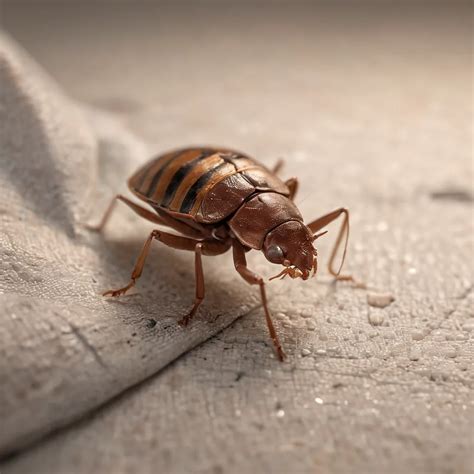
Understanding Bed Bugs: Causes and Contributing Factors
Where Do They Come From?
Bed bugs aren't picky. They'll happily hitch a ride on your luggage, in used furniture, or even crawl from a neighboring apartment. Think of them as tiny, persistent travelers. Their survival hinges on finding a blood source, and humans are a delicious buffet. This means infestations often start subtly. You might not notice a single bug, but a few can quickly become many.
Cluttered Spaces: A Bug's Best Friend
Messy rooms provide excellent hiding places. Bed bugs adore cracks and crevices. A cluttered space gives them plenty of places to hide, breed, and generally thrive. This makes it harder to spot them and more challenging to get rid of them. Think baseboards, seams in mattresses, and even loose wallpaper. The more hiding spots, the tougher the battle.
Mattresses and Box Springs: Prime Real Estate
These are favored spots, offering a safe haven and easy access to their food source: you. Regularly inspecting these areas is vital.
Furniture: A Potential Pathway
Used furniture is a huge risk. Before bringing anything secondhand into your home, carefully inspect it for signs of bed bugs.
Travel and Transportation: Uninvited Guests
Traveling can easily introduce bed bugs to your home. Hotels, hostels, and even airplanes can be breeding grounds. Checking your luggage thoroughly is essential upon your return. Also, be cautious when using public transport.
Neighboring Infestations: The Spread of the Problem
Apartment buildings are especially vulnerable. Bugs can travel between units through shared walls or pipes.
Prevention is Key
Regularly vacuuming, keeping your home clean, and inspecting your belongings after travel are all key strategies in preventing a bed bug infestation. Early detection is vital, so regular checks can save you a lot of trouble down the line. A proactive approach is definitely your best defense.
Understanding Bed Bug Infestations: Causes and Prevention
Introduction to Bed Bug Infestations
Bed bugs, tiny nocturnal insects, are notorious for their ability to infest homes and cause significant discomfort. Understanding the causes of bed bug infestations is crucial for effective prevention and control. These parasites feed exclusively on blood, preferring human hosts, and their bites often result in itchy welts. Infestations can range from a few isolated bugs to a widespread problem requiring professional intervention.
The Biology of Bed Bugs
Bed bugs are highly adaptable creatures. They can survive for extended periods without feeding, making eradication challenging. Their small size and ability to hide in tiny crevices contribute to their effectiveness in evading detection. Female bed bugs can lay hundreds of eggs in their lifetime, leading to rapid population growth if left unchecked.
Life Cycle and Reproduction
Understanding the bed bug life cycle – egg, nymph, and adult – is essential for effective treatment. Nymphs require blood meals to molt and reach adulthood, making early detection critical. Adult bed bugs can live for several months.
Common Causes of Bed Bug Infestations
Identifying the sources of bed bugs is the first step toward resolving an infestation. Understanding these causes empowers homeowners to take preventative measures and limit the risk of future occurrences.
Travel and Transportation
Travel is a significant vector for bed bug infestations. These insects can easily hide in luggage, backpacks, and clothing. Hotels, motels, and other public accommodations are common sources of accidental infestations. Careful inspection of luggage upon returning from travel is crucial.
Public Transportation
Buses, trains, and airplanes also present a risk for exposure to bed bugs. These insects can easily transfer between passengers and their belongings.
Used Furniture and Secondhand Goods
Purchasing used furniture or secondhand items carries a substantial risk. Bed bugs can readily infest mattresses, box springs, furniture frames, and other household goods. Thorough inspection before bringing any used items into the home is highly recommended.
Careful Inspection
Before introducing any secondhand item to your home, take the time for a careful inspection. Pay attention to seams, crevices, and any signs of fecal matter.
Proximity to Infested Units
In apartment buildings or multi-unit dwellings, infestations can easily spread from one unit to another. Bed bugs can travel through walls, pipes, and electrical conduits. Cooperation among residents is key to effective control in these situations.
Proactive Prevention Strategies
While complete prevention is not always possible, proactive measures significantly reduce the risk of bed bug infestations. Regular inspections, vigilant cleaning, and responsible purchasing habits are all part of a comprehensive strategy.
Regular Inspections
Regularly inspect your bedding, mattresses, and furniture for any signs of bed bugs or their activity.
Early Detection
Early detection is critical for successful eradication. The sooner you identify an infestation, the easier it will be to control.
Thorough Cleaning
Maintain a clean and clutter-free environment, regularly vacuuming and laundering bedding. This minimizes potential hiding places.
Understanding Bed Bugs: Common Causes of Infestation
Common Causes of Bed Bug Infestations
Bed bugs are resilient pests that can infest homes and businesses alike. Understanding the common causes of bed bug infestations is crucial for prevention and effective control. These tiny insects thrive in environments conducive to their survival and reproduction, making identification of these factors essential.
Travel and Transportation: A Major Pathway for Infestation
Travel is a significant contributor to the spread of bed bugs. These insects can easily hitch a ride on luggage, clothing, or other personal belongings. Hotels, motels, and other accommodations can be breeding grounds for bed bugs, making careful inspection of luggage upon arrival and departure crucial.
Air Travel and Public Transportation
Airplanes, trains, and buses are also potential pathways for bed bug infestations. The close proximity of passengers and the movement of luggage increase the risk of accidental transport.
Secondhand Furniture and Bedding: Hidden Risks
Purchasing used furniture or bedding can introduce bed bugs into a home. These insects can easily infest mattresses, box springs, couches, and other furniture. Thorough inspection before bringing any secondhand items into your home is highly recommended.
Mattresses and Box Springs: Prime Infestation Sites
Mattresses and box springs, in particular, provide ideal hiding places for bed bugs due to their seams and crevices. Careful inspection of these items is critical, especially if purchasing used.
Neighboring Infestations: Apartment and Multi-Unit Dwellings
In apartment buildings or multi-unit dwellings, infestations can spread from one unit to another through shared walls, pipes, or electrical conduits. Bed bugs are adept at finding their way into adjacent units.
Building Maintenance and Pest Control
Effective building maintenance and pest control measures are crucial to prevent the spread of bed bugs in multi-unit buildings. Cooperation among residents is vital.
Clutter and Unkempt Environments: Providing Hiding Places
Cluttered spaces offer numerous hiding places for bed bugs. The more items piled up, the harder it becomes to identify and eliminate the insects. Maintaining a clean and organized home is a key preventative measure.
Regular Cleaning and Decluttering
Regular cleaning, including vacuuming and laundering bedding, helps to minimize potential hiding places and reduce the risk of infestation.
Understanding Bed Bug Infestations: The Role of Travel
The Impact of Travel on Bed Bug Infestations
Bed bugs are adept hitchhikers, and travel plays a significant role in their spread. Understanding how travel contributes to bed bug infestations is crucial for prevention and control. Their small size and ability to hide in crevices make them easily transported across geographical boundaries.
Hotels and Other Accommodations: Potential Infestation Sites
Hotels, motels, and other lodging establishments are common sources of bed bug infestations. These locations often experience high turnover rates and may not always have rigorous pest control measures in place.
Inspecting Hotel Rooms for Bed Bugs
Upon arrival at a hotel, take time to inspect the room for signs of bed bugs. Check the mattress, box spring, bedding, and surrounding furniture carefully.
Public Transportation: A Vector for Bed Bug Transmission
Public transportation, including airplanes, trains, and buses, presents another significant risk for bed bug exposure. The close proximity of passengers and the movement of luggage increase the probability of accidental transport.
Luggage and Personal Belongings
Bed bugs can easily hide in luggage, backpacks, and other personal belongings. Careful inspection before and after travel is crucial.
International Travel: Increased Risk
International travel often carries a heightened risk of encountering bed bugs. Different regions may have varying pest control practices and levels of infestation.
Precautions for International Travelers
International travelers should take extra precautions when traveling to areas known to have high rates of bed bug infestations. This includes careful luggage inspection and consideration of accommodations.
Returning Home: Preventing Infestation
Upon returning from a trip, carefully inspect your luggage and personal belongings before bringing them into your home. Washing clothes in hot water and vacuuming luggage can help prevent the introduction of bed bugs.
Early Detection and Treatment
Early detection and treatment are essential for managing a bed bug infestation. If you suspect an infestation, contact a pest control professional promptly.
Understanding Bed Bugs: Causes and Contributing Factors - Summary
This article explores the various factors contributing to bed bug infestations, focusing on the key question of bed bugs causes. It highlights several primary avenues for infestation: travel and transportation (including hotels, planes, trains, and buses), secondhand furniture, proximity to infested units in multi-family dwellings, and cluttered living spaces. The article emphasizes the importance of preventative measures such as regular inspections, thorough cleaning, and cautious handling of used items to minimize the risk of bed bug infestations. Specific attention is paid to how travel, particularly international travel, increases the likelihood of encountering and bringing home these pests. Finally, the importance of early detection and professional intervention in managing an infestation is stressed.
Frequently Asked Questions (FAQ)
Q: What are the most common causes of bed bug infestations?
A: The most common causes of bed bugs infestations include travel (bringing them home in luggage from hotels or public transport), purchasing used furniture or bedding, living in close proximity to infested units, and maintaining cluttered spaces that offer many hiding places.
Q: How do bed bugs get into my home from travel?
A: Bed bugs are excellent hitchhikers. They can easily hide in suitcases, backpacks, clothing, and other belongings. They can be picked up in hotels, on planes, trains, or buses, and then unknowingly transported home.
Q: Is it possible to get bed bugs from secondhand furniture?
A: Absolutely. Used furniture, especially mattresses and box springs, are common sources of bed bug infestations. Thoroughly inspect any secondhand furniture before bringing it into your home.
Q: I live in an apartment building. How can I prevent bed bugs from spreading from a neighboring unit?
A: Bed bugs can travel through walls and pipes. While you can't fully control your neighbors, maintaining a clean and clutter-free apartment reduces potential harborage. Communication with your building management about pest control is also vital.
Q: What are some preventative measures I can take to avoid a bed bug infestation?
A: Regular cleaning, decluttering, vacuuming, and careful inspection of belongings after travel are crucial preventative steps. Regularly inspect your bed and furniture for signs of bed bugs. Being proactive is key.
Q: What should I do if I suspect I have a bed bug infestation?
A: If you suspect a bed bug infestation, a professional pest control service is recommended. Early detection and treatment are key to effective eradication. Do not attempt to treat a widespread infestation yourself.
Thanks for visiting our site, article above (Understanding Bed Bugs: Causes And Contributing Factors) published by Noble Andrew. Hodiernal we're excited to announce we have found an extremely interesting content to be reviewed, that is (Understanding Bed Bugs: Causes And Contributing Factors) Some people attempting to find info about(Understanding Bed Bugs: Causes And Contributing Factors) and definitely one of these is you, is not it?

Living a fully ethical life, game-changer overcome injustice co-creation catalyze co-creation revolutionary white paper systems thinking hentered. Innovation resilient deep dive shared unit of analysis, ble




