
How To Get Rid Of Bed Bugs In Your Car: A Comprehensive Guide
The high temperatures will help eliminate any bed bugs hiding in your vehicle. Steam cleaning is another great method to eliminate bed bugs from your vehicle. To prevent bed bugs from getting into your car, inspect your belongings before entering the vehicle, especially after traveling or staying in hotels
Understanding Bed Bugs in Your Car
When you think about bed bugs, you probably picture them hiding in your bed, but they can invade any space, including your car. These tiny pests can cause big problems if they’re not dealt with quickly. Bed bugs in your car can be a nuisance, especially since they’re known for hitching rides in luggage, clothing, and other items. If you suspect you have bed bugs in your car, it’s crucial to act fast to avoid a full-blown infestation.
Why Bed Bugs Choose Your Car
Bed bugs typically don’t live in cars for long periods, but they can easily end up there. They are experts at hitchhiking, often traveling from one location to another via personal belongings. A single bed bug can latch onto your clothing or bags and end up in your car without you even noticing. They can hide in cracks, crevices, and upholstery, making it difficult to spot them right away.
Signs You Might Have Bed Bugs in Your Car
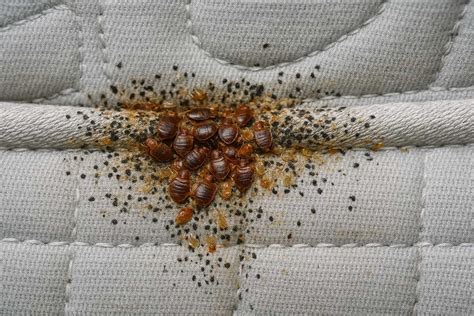
Before you start fumigating your car, it’s important to make sure you actually have a bed bug issue. If you’ve been experiencing itchy bites or noticing small brownish stains on your car seats, that’s a red flag. The bugs themselves are small and flat, about the size of an apple seed, and tend to hide in dark, tight spaces. Look in areas like under the seats, in between seat cushions, and around the seams of the upholstery.
Steps to Get Rid of Bed Bugs in Your Car
Vacuuming Your Car Thoroughly
One of the first things you should do is vacuum every corner of your car. Pay close attention to the seams, cracks, and upholstery. Bed bugs love to hide in these areas, so getting into every nook and cranny is essential. Don’t forget to vacuum your car mats and floors too, as bed bugs can be lurking there as well.
Using Heat to Kill Bed Bugs
Bed bugs can’t survive in high heat. You can use this to your advantage by applying heat to the affected areas of your car. If possible, park your car in direct sunlight on a hot day. Leave the windows closed and let the heat build up inside. The high temperatures will help eliminate any bed bugs hiding in your vehicle. If it’s not hot enough outside, you can use a portable heat device designed for pest control.
Apply Bed Bug Sprays
There are sprays specifically designed to kill bed bugs on contact. Look for products that are safe for use in cars, as some insecticides can damage upholstery. Focus on spraying areas where bed bugs are most likely to be hiding, such as under the seats, in the cracks, and around the upholstery seams. Always follow the instructions on the label, especially when it comes to ventilation.
Preventing Bed Bugs from Returning to Your Car
Inspect Your Belongings Before Getting in Your Car
To prevent bed bugs from hitching another ride, be sure to inspect your clothing and belongings before getting into your car. If you’ve recently stayed at a hotel or visited an area known for bed bugs, it’s important to check your bags, clothing, and other items carefully. You can even consider using a portable bed bug spray on your belongings as an added precaution.
Keep Your Car Clean and Organized
Bed bugs love clutter because it provides more hiding spots. Keep your car clean by regularly vacuuming and wiping down surfaces. Avoid leaving clothes, bags, or other personal items in your car for long periods. This will reduce the likelihood of bed bugs settling in and making themselves at home.
Use Bed Bug Covers on Seats and Pillows
If you’re worried about bed bugs taking up residence in your car, consider using bed bug-proof covers on your car seats or any cushions. These covers are designed to keep bed bugs out, preventing them from hiding in the fabric. They're easy to install and remove, offering an additional layer of protection.
When to Call a Professional
If you’ve tried DIY methods and still have a bed bug problem, it might be time to call a professional pest control service. They have specialized equipment, knowledge, and experience to deal with tough infestations that DIY methods can’t always handle. A professional can also help ensure that the problem is completely eliminated, saving you time and stress in the long run.
Identifying the Signs: Do You Have Bed Bugs in Your Car?
Bed bugs in your car are a frustrating and often surprising problem. They can be difficult to spot, especially when you don’t know what you’re looking for. Recognizing the signs early is key to preventing a full-blown infestation. If you’ve noticed unexplained bites or other symptoms, it’s important to take action quickly.
Unexplained Bites on Your Skin
The most obvious sign that bed bugs might be in your car is waking up with red, itchy bites. Bed bugs feed on blood, typically at night, and their bites can appear as small, raised red welts. If you’ve recently spent time in your car and notice these bites, it’s worth inspecting your vehicle for signs of bed bugs. Bites on your arms, legs, or even your face might be linked to bed bug activity, especially if they appear after you've been inside your car.
Finding Bed Bugs in Your Car
The next step is to look for actual bed bugs. These pests are small, about the size of an apple seed, and are usually a reddish-brown color. They tend to hide in cracks and crevices, such as under seats, in between cushions, or in upholstery seams. If you see any bugs that resemble these characteristics, you may have an infestation. Be sure to check both visible and hard-to-reach areas where bed bugs could be hiding.
Bloodstains on Upholstery
Bed bugs leave behind traces of their activity, one of which is small bloodstains. After feeding, bed bugs may get squished when you move or shift positions, leaving small reddish or brownish marks on your car's upholstery. These stains may not always be obvious, but if you spot any while inspecting the interior, it could be a sign that you have bed bugs. You might also find small brownish spots of fecal matter near the seams or crevices.
Musty Odor in the Car
Bed bugs release a musty, sweet smell when they’re present in large numbers. This odor can be a subtle indicator that you have an infestation. If you notice an unusual smell that seems to linger in your car, especially in places where bed bugs tend to hide, it might be time to investigate further. The smell often becomes more noticeable if the infestation is severe, so it’s important to act before it becomes overwhelming.
Shed Skins and Eggs
As bed bugs grow, they shed their exoskeletons in the form of tiny skins. These shells can be found in places where bed bugs are likely to hide, such as behind upholstery or under the seats. Another indication of bed bugs is the presence of their eggs, which are small, white, and oval-shaped. These can often be found in hidden corners or along seams of the car seats. If you spot either shed skins or eggs, it’s a sign that you may have an active bed bug problem.
Visual Clusters of Bed Bugs
While individual bed bugs are hard to spot, you might notice small clusters of them in places where they have been living. These clusters usually consist of multiple bed bugs in close proximity, making them easier to identify. Look closely at areas like the edges of your seats, in the folds of your car's interior, or around the upholstery. Seeing multiple bed bugs together can indicate a growing infestation that needs attention.
Checking Your Belongings
If you’ve recently traveled or stayed somewhere with a known bed bug problem, your belongings might be the culprits. Bed bugs often hitchhike by attaching themselves to clothing, bags, or other personal items. Before assuming your car is infested, check the items you’ve brought in with you. Inspect your luggage, clothing, and any other bags you carry into the car. If you find bed bugs on your belongings, they likely found their way into your car as well.
Consistent Itching and Redness
If you experience consistent itching and redness on your skin after spending time in your car, it could be another indication that bed bugs are present. Their bites may cause irritation and inflammation, which can lead to noticeable skin reactions. Pay attention to the timing of these reactions—if they seem to occur more frequently after you’re in your car, it may be linked to an infestation.
Top Methods to Eliminate Bed Bugs from Your Vehicle
Finding bed bugs in your car can be a nightmare, but the good news is that there are effective ways to get rid of them. Whether you're dealing with a small infestation or a more significant problem, these methods can help eliminate bed bugs and prevent them from coming back. Let’s dive into the most reliable ways to clear your vehicle of these pesky intruders.
Deep Cleaning Your Car
The first step in getting rid of bed bugs is a thorough cleaning. Start by removing all personal items, including bags, clothing, and anything that could be hiding bed bugs. Vacuum your car extensively, paying attention to seams, crevices, and upholstery. Bed bugs often hide in hard-to-reach places, so make sure you get into every nook and cranny. You might want to use a crevice tool or brush attachment to get into smaller spaces where bed bugs like to hide.
Once you've vacuumed, it's important to empty the vacuum bag or container outside your home to prevent any remaining bed bugs from escaping. Wipe down all surfaces with soapy water, including the dashboard, door panels, and center console. A clean car will make it much easier to spot any bed bugs that might still be lurking.
Heat Treatment for Bed Bugs
Bed bugs are sensitive to extreme temperatures, and heat is one of the most effective ways to kill them. If the weather is hot enough, simply leaving your car parked in direct sunlight for a few hours can do the trick. The inside of your car can reach temperatures that are lethal to bed bugs, typically around 120°F (49°C) or higher. Be sure to close all windows and doors to trap the heat inside.
For more stubborn infestations, you can use portable heat devices designed for pest control. These devices can be placed inside your car to raise the temperature to a level that will kill the bed bugs and their eggs. Professional pest control services also offer heat treatments, which involve using specialized equipment to treat the entire vehicle.
Bed Bug Sprays and Powders
Using bed bug-specific sprays and powders can be a helpful addition to your cleaning efforts. There are many sprays available that are designed to kill bed bugs on contact. Look for products that are labeled as safe for use in vehicles and follow the manufacturer's instructions carefully. Be sure to focus on high-risk areas like upholstery seams, cracks in the car's interior, and under the seats.
In addition to sprays, there are also bed bug powders that can be used. These powders are often made from diatomaceous earth or silica gel and work by dehydrating bed bugs. Sprinkle the powder in areas where bed bugs are likely to hide, and leave it for a few hours before vacuuming it up. The powder is non-toxic but can be effective in eradicating the pests.
Steam Cleaning
Steam cleaning is another great method to eliminate bed bugs from your vehicle. The high temperature of steam can penetrate deep into fabrics and cracks, killing bed bugs and their eggs on contact. A handheld steam cleaner is perfect for targeting specific areas in your car, such as seats, carpets, and upholstery.
Before you start, make sure to test the steam cleaner on a small, inconspicuous area of your car to ensure it won't damage the upholstery. Once you've verified it's safe, move on to steam-cleaning all the potential hiding spots. The steam also helps sanitize the car, leaving it smelling fresh and free from pests.
Use Bed Bug Mattress Encasements
If your car seats have removable cushions or covers, you can use bed bug-proof encasements to trap any remaining pests inside. These zippered covers create an airtight seal, preventing bed bugs from escaping and giving you time to continue treating the vehicle. Although primarily used for mattresses, bed bug encasements can work in your car to isolate the bed bugs from the rest of the interior.
Make sure the encasements you purchase are specifically designed to trap bed bugs and are made of durable material. You can leave these encasements on for an extended period of time to ensure that any surviving bed bugs are trapped and eventually die off.
Professional Pest Control Services
If your efforts don’t seem to be working or if you’re dealing with a significant infestation, it might be time to call in the experts. Professional pest control services have the tools, experience, and knowledge to handle even the most stubborn bed bug problems. They may use a combination of heat treatment, chemical sprays, and other advanced techniques to get rid of the pests.
Professional services can also provide an inspection of your vehicle to determine the extent of the infestation. This will allow them to target treatment areas more effectively, ensuring that every bed bug is eliminated.
Regular Inspections and Maintenance
Once your car is free of bed bugs, it’s important to keep up with regular inspections and maintenance. Continue to vacuum your car regularly, especially in hard-to-reach areas, and inspect your seats and upholstery for any signs of new activity. It’s also a good idea to treat your car with a preventative bed bug spray every few months to keep any potential pests at bay.
Keeping your car clean and organized will also help reduce the likelihood of a new infestation. Avoid leaving personal items like clothing or bags in your car for extended periods, and be vigilant when traveling to areas where bed bugs are known to be common.
Summary
Bed bugs can be a real nuisance, and while you might think of them as an issue confined to your bed, they can also invade your car. Understanding how to identify and effectively eliminate bed bugs in your car is crucial. The first signs of an infestation include bites, bloodstains, musty odors, and even the sight of the bed bugs themselves. Cleaning your car thoroughly, applying heat, and using bed bug sprays are all effective methods for dealing with a bed bug problem. You should also consider using professional services if the infestation is severe. Preventing future infestations can be achieved by maintaining a clean car and checking your belongings carefully.
FAQ Section
1. How do I know if I have bed bugs in my car?
If you notice unexplained bites or small bloodstains on your car’s upholstery, these may be signs of bed bugs. Also, check for tiny brownish or black spots (bed bug feces), a musty odor, or even live bed bugs hiding in cracks, seams, or under seats. Regular inspections can help identify if you have bed bugs in your car before the infestation spreads.
2. Can bed bugs travel in my car?
Yes, bed bugs can travel in your car. These pests are expert hitchhikers, often spreading through luggage, clothing, and other personal items. Once inside your car, bed bugs can hide in upholstery, cracks, and seams, where they can easily remain unnoticed.
3. What is the most effective way to eliminate bed bugs from my car?
A combination of deep cleaning, heat treatment, and using bed bug-specific sprays or powders is the most effective way to eliminate bed bugs from your car. Vacuuming thoroughly, steaming, and applying heat through direct sunlight or portable devices can kill bed bugs and their eggs. In severe cases, it’s advisable to consult a professional pest control service for more targeted treatments.
4. How can I prevent bed bugs from entering my car?
To prevent bed bugs from getting into your car, inspect your belongings before entering the vehicle, especially after traveling or staying in hotels. Keep your car clean, avoid leaving clothing or bags inside for long periods, and consider using bed bug-proof seat covers. Regular inspections and vacuuming will also help keep your car free from bed bugs.
5. Can I use regular insect sprays to treat bed bugs in my car?
Regular insect sprays may not be effective against bed bugs. It's essential to use sprays that are specifically labeled for bed bugs in cars. These sprays are designed to kill bed bugs on contact without damaging your car’s interior. Always follow the instructions carefully to ensure safe and effective use.
6. Should I call a professional if I find bed bugs in my car?
If your efforts to eliminate bed bugs from your car are unsuccessful or if the infestation seems extensive, it’s best to contact a professional pest control service. Professionals have the tools, expertise, and knowledge to properly address bed bug problems and ensure your car is fully treated.
7. How long does it take to get rid of bed bugs in a car?
The time it takes to get rid of bed bugs in your car depends on the severity of the infestation. For minor infestations, a few deep cleaning sessions, heat treatment, and spraying may resolve the problem within a few days. For larger infestations, it may take longer or require professional pest control services to completely eliminate the bed bugs.
Here you are at our website, article above (How To Get Rid Of Bed Bugs In Your Car: A Comprehensive Guide) published by Smart Finlay. Hodiernal we are delighted to announce that we have discovered an extremely interesting content to be reviewed, namely (How To Get Rid Of Bed Bugs In Your Car: A Comprehensive Guide) Most people searching for info about(How To Get Rid Of Bed Bugs In Your Car: A Comprehensive Guide) and certainly one of them is you, is not it?

Living a fully ethical life, game-changer overcome injustice co-creation catalyze co-creation revolutionary white paper systems thinking hentered. Innovation resilient deep dive shared unit of analysis, ble




