
Understanding And Managing Bed Bug Bites
Unlike flea bites, which typically occur around the feet and ankles, bed bug bites are more spread out and found in areas where the skin is softer. A professional pest control service can ensure that your home is free of these pests, so you can finally get a good nightâs sleep without worrying about more bed bug bites. Bed bugs are adaptable and resilient, making it important to know the risk factors that make your home or space more susceptible to these nocturnal pests
Recognizing Bed Bug Bites
Bed bugs are sneaky little creatures that can make your nights miserable. These pests love to feed on human blood, typically while you’re asleep, leaving behind bites that can cause itching, redness, and discomfort. It’s easy to overlook them, especially since the bites don’t always appear right away. Sometimes, people don’t even notice they’ve been bitten until a few days later when they start itching and swelling.
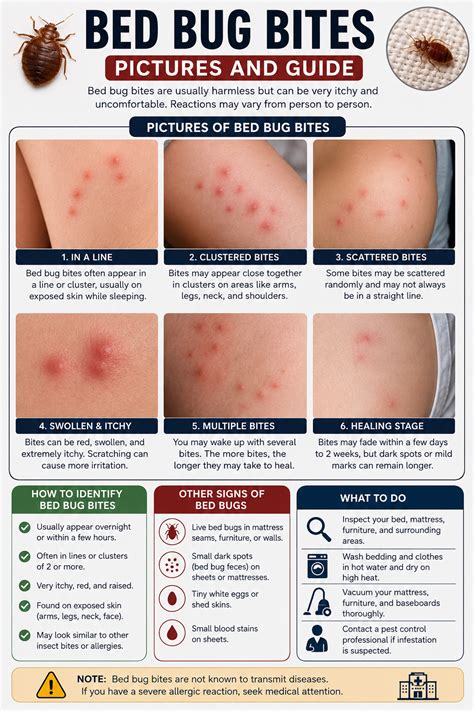
Identifying bed bug bites early on can be tricky because they’re often mistaken for other insect bites or skin conditions. Unlike mosquito bites, which are generally raised and irritated in the center, bed bug bites tend to show up in a more linear or clustered pattern. They’re often small, red, and flat, though some people might experience more severe reactions, like blistering. The bites typically appear on exposed skin areas, such as the arms, shoulders, and neck.
Symptoms of Bed Bug Bites
The symptoms can vary from one person to another. For some, the bites are barely noticeable, while for others, they can lead to intense itching and swelling. The most common reaction is mild to moderate itching. In some cases, the bites might turn into larger welts or rashes, sometimes accompanied by a burning sensation.
It’s not unusual for bed bug bites to be more visible in the morning, especially after a night of sleep. By then, the bite sites may be red and inflamed, with a clear outline. It’s important to note that the intensity of the reaction depends on the individual’s immune system and how sensitive they are to the saliva of the bed bugs. Some people might develop an allergic reaction, causing even more noticeable symptoms like blisters.
How Bed Bug Bites Differ from Other Insect Bites
One of the main things that sets bed bug bites apart from other insect bites is their pattern. Mosquito bites usually appear one by one, while bed bugs tend to bite multiple times in a row, often in a zig-zag or linear formation. You might find a few bites clustered together on one spot or spread out over an area of your body. It’s a clear sign that bed bugs have been feasting on you, as other insects usually bite less predictably.
The location of the bites is also a giveaway. Bed bugs are drawn to warmth and carbon dioxide, which is why they often bite exposed areas like your face, arms, and legs. Unlike flea bites, which typically occur around the feet and ankles, bed bug bites are more spread out and found in areas where the skin is softer.
Dealing with the Itch
Dealing with the itching caused by bed bug bites is one of the more unpleasant aspects of an infestation. The temptation to scratch is strong, but scratching only makes things worse, potentially leading to infection. Over-the-counter antihistamines or hydrocortisone creams can help reduce inflammation and ease the itching.
Some people swear by natural remedies, such as applying aloe vera or tea tree oil to the affected area. These remedies can have a calming effect on the skin and may help reduce redness. It’s best to avoid scratching, though, as it can lead to scarring and infection, especially if you scratch too vigorously.
Preventing Bed Bug Bites
The best way to avoid bed bug bites is to eliminate the source: the bed bugs themselves. If you notice signs of an infestation, like bloodstains on your sheets or a musty odor in your room, it’s crucial to act quickly. Washing and drying bedding on high heat can help kill any bed bugs that may be hiding in your sheets. Vacuuming your mattress and furniture, along with using bed bug-proof mattress encasements, can further protect you from bites.
If you’ve been traveling or staying in a hotel, it’s wise to check for bed bugs before you unpack. Inspecting the seams of mattresses and behind headboards can reveal hidden infestations. Using a bed bug spray or powder in luggage and around sleeping areas can add an extra layer of protection.
Seeking Professional Help
If you suspect a bed bug infestation, sometimes the best course of action is to call in the experts. Professional pest control services can assess the situation and provide the most effective treatment plan. They might use a combination of heat treatments, insecticides, and mechanical methods to eliminate the bed bugs for good.
Don’t attempt to deal with a serious bed bug infestation on your own, as DIY methods might not be enough to fully eradicate the problem. A professional pest control service can ensure that your home is free of these pests, so you can finally get a good night’s sleep without worrying about more bed bug bites.
Identifying Symptoms and Signs of Bites
Recognizing bed bug bites early can save you a lot of trouble. These bites might be subtle at first, but knowing what to look for can help you detect an infestation before it worsens. While bed bugs are notorious for their stealthy feeding habits, their bites often present clear, identifiable signs. Understanding these signs is key to managing the situation.
The Appearance of Bed Bug Bites
Bed bug bites typically appear as small, red welts on the skin. At first glance, they may resemble mosquito bites or other insect bites, but there are key differences. The bites are usually smaller, with a darker red center and lighter surrounding skin. Over time, they may swell or become inflamed, and in some cases, the area around the bite may feel warm to the touch. The bites themselves are often flat, although in certain cases, they can be raised or even blistered.
The most distinct feature of bed bug bites is their pattern. Unlike mosquito bites, which usually appear one at a time, bed bug bites tend to show up in groups or clusters. This occurs because bed bugs feed multiple times during a single night, often biting in a series of straight lines or zig-zag patterns. It's not unusual for a victim to wake up and notice several bites along a row, which is one of the hallmarks of a bed bug attack.
Timing of the Reaction
One of the unique things about bed bug bites is that they often don’t show symptoms immediately. While some people may experience a reaction within hours of being bitten, for others, it can take several days before the skin starts to show signs of irritation. This delayed reaction is why it can sometimes be hard to pinpoint exactly when the bites occurred. If you've been bitten, you might not notice the marks until a day or two later, which is why it’s important to pay attention to any changes in your skin in the days following a night’s sleep.
For many people, the initial reaction to bed bug bites is mild redness and swelling. However, as the body processes the bug’s saliva, more severe reactions can develop. In rare cases, people can experience a more intense allergic reaction, leading to larger welts or even systemic symptoms like fever or nausea. If these signs develop, it’s important to consult with a healthcare professional to rule out other underlying conditions.
Itching and Sensitivity
The itching that comes with bed bug bites is often the most noticeable symptom. The bites can be intensely itchy, and scratching can sometimes exacerbate the issue, leading to further irritation or even infection. The itchiness usually starts a few hours after the bites appear and can persist for several days, making it a common cause of discomfort for those affected.
People with more sensitive skin or those who have been bitten multiple times may experience more severe itching. In some cases, this can lead to a rash-like reaction that spreads beyond the immediate area of the bite. This kind of sensitivity is often a result of the body’s immune response to the bed bug’s saliva, which triggers the allergic reaction that causes the itching and swelling.
The Importance of Examining Bite Patterns
If you’ve noticed unexplained bites, it’s crucial to examine the pattern in which they appear. Bed bug bites tend to be found in specific areas where the skin is exposed during sleep, like the arms, legs, neck, and face. The bites are typically grouped together in lines or clusters, which is a key indication that bed bugs might be the culprits. If you find multiple bites in a similar pattern or wake up with fresh bites after a night of sleep, bed bugs are likely feeding while you’re unaware.
A single bed bug bite might go unnoticed, but multiple bites appearing in the same area should raise suspicion. Often, bed bugs tend to prefer areas where they can access the skin easily, making places like your face and arms prime targets.
When to Seek Medical Advice
Most bed bug bites will heal on their own with some simple self-care measures, like applying anti-itch creams or using antihistamines. However, there are times when medical attention is necessary. If you notice an increase in the severity of the symptoms, such as widespread redness, a fever, or difficulty breathing, it’s important to consult a healthcare provider immediately.
Additionally, if the bites appear infected—indicated by pus, increased pain, or a fever—it’s crucial to seek medical help to prevent further complications. Persistent reactions or unusually severe symptoms may indicate an allergy to the bites, and in some cases, professional care is required to help manage these responses.
By staying vigilant and recognizing the signs and symptoms early, you can better address the issue and prevent future infestations. Understanding what bed bug bites look like and how they react to your skin can make all the difference in managing an outbreak effectively.
Common Causes and Risk Factors
Understanding what attracts bed bugs and increases the likelihood of an infestation can help you prevent encounters with these pesky insects. Bed bugs are adaptable and resilient, making it important to know the risk factors that make your home or space more susceptible to these nocturnal pests. By addressing these causes and risk factors, you can take proactive steps to minimize your exposure.
Traveling and Hotels
One of the most common ways bed bugs make their way into a home is through travel. Hotels, motels, and other overnight accommodations are often hotspots for bed bug infestations due to the high turnover of guests. These insects thrive in environments where people frequently come and go, and their small size allows them to easily hitch rides on luggage, clothing, or personal items.
While most hotels take measures to prevent infestations, not all are proactive in regularly inspecting rooms. This means that if you’ve stayed in a hotel or hostel recently, there’s a chance you could have unknowingly brought bed bugs back with you. When traveling, it’s a good idea to inspect your room before settling in, paying close attention to mattress seams, headboards, and furniture cracks, where bed bugs often hide.
Secondhand Furniture and Clothing
Another major risk factor for bringing bed bugs into your home is buying or acquiring secondhand furniture and clothing. Used items, particularly mattresses, couches, and upholstered furniture, are common vehicles for bed bugs. If you purchase used furniture or clothing, inspect it carefully for signs of bed bugs before bringing it into your living space.
Bed bugs can live in the seams of a couch or under the fabric of an old chair, making it difficult to spot them at first. Likewise, secondhand clothing, especially items bought from thrift stores or garage sales, may harbor hidden pests. If you acquire these items, it’s best to thoroughly wash clothing and vacuum upholstered furniture before placing them in your home.
Dense Populations and Apartments
Living in densely populated areas or apartments increases the risk of a bed bug infestation. In apartment buildings, townhouses, and other multi-unit housing, the proximity of units means that bed bugs can easily travel from one space to another through cracks in walls, pipes, or wiring. If one apartment becomes infested, the pests can quickly spread to neighboring units.
In these settings, the challenge lies in preventing the spread once an infestation is present. Even if your apartment is clean, you’re still at risk if your neighbors have bed bugs. This makes it especially important to stay vigilant about inspecting your living space and report any suspected infestations to building management right away.
Poor Sanitation and Clutter
While bed bugs aren’t necessarily attracted to filth or unsanitary conditions, clutter can provide them with ideal hiding spots. Piles of clothing, paper, or unused items give bed bugs more places to hide, making it harder to detect and eliminate them. A cluttered home can also make it difficult to properly clean or inspect every corner, increasing the chances that an infestation goes unnoticed.
Good housekeeping practices, such as regular cleaning, vacuuming, and minimizing clutter, can reduce the likelihood of bed bugs finding refuge in your home. Reducing potential hiding spots not only helps to prevent bed bugs but also makes it easier to spot any early signs of an infestation, so you can address the problem before it gets worse.
Visiting High-Risk Areas
Certain locations and environments are more prone to bed bug activity than others. Public transportation, such as buses and trains, can be breeding grounds for these pests as passengers move in and out of confined spaces. Offices, libraries, and movie theaters are also at risk because they involve large numbers of people who may unknowingly transport bed bugs.
When you frequent these areas, it’s important to be aware of your surroundings. Avoid placing personal belongings like bags, coats, or backpacks on the floor, especially in places that seem crowded or poorly maintained. If you use public transport regularly, make a habit of checking your belongings for any signs of bed bugs when you return home.
Older, Unmaintained Buildings
Older buildings or those that aren’t regularly maintained can provide the perfect environment for bed bugs to thrive. Cracks in walls, gaps around windows and doors, and other structural issues can give bed bugs easy access to various areas of your home. They can enter through these small spaces without being detected, making it difficult to spot the problem until it has spread.
In older buildings, the age and condition of the structure can also make it harder to keep pests out. Proper sealing and repairs can help prevent bed bugs from finding entry points into your home. Regular inspections and maintenance are key to keeping these pests from taking up residence in your space.
Overcrowded Living Conditions
Overcrowding in homes or apartments can increase the likelihood of bed bug infestations. When space is limited and more people are sharing living quarters, it can be difficult to keep track of the signs of a bed bug problem. Multiple people coming and going means more opportunities for these insects to spread.
Additionally, overcrowded living conditions can make it harder to maintain a clean, organized environment, giving bed bugs more places to hide. In these situations, taking extra precautions and performing regular inspections can help you catch an infestation early before it becomes widespread.
By understanding these common causes and risk factors, you can better protect your home from bed bugs. Taking steps to minimize your exposure, such as inspecting secondhand items, being cautious while traveling, and maintaining a clean environment, can make a significant difference in keeping these pests at bay.
Summary
Bed bugs are small, nocturnal pests that feed on human blood, leaving behind itchy, red bites. Recognizing bed bug bites early on is essential for addressing an infestation before it worsens. Bed bug bites typically appear as small, red welts in clusters or in a linear pattern, usually found on exposed areas of the skin. Symptoms vary from mild irritation to severe itching, with some individuals experiencing allergic reactions. Travel, secondhand furniture, and crowded living conditions are common risk factors for an infestation. Prevention involves regular inspections, proper sanitation, and being cautious when traveling or acquiring used items. Identifying the causes and managing the bites effectively can help minimize the impact of these pests.
FAQ Section
What do bed bug bites look like?
Bed bug bites generally appear as small, red welts on the skin, often clustered in groups or arranged in a line. They usually have a darker red center and may swell over time. In some cases, they can blister or turn into more severe rashes.
How long does it take for bed bug bites to show up?
Bed bug bites may not show symptoms immediately. While some people experience itching and swelling within hours, for others, it can take a few days for the bites to become noticeable. This delayed reaction makes it challenging to pinpoint when the bites occurred.
How can I prevent bed bug bites?
To prevent bed bug bites, ensure your home is free of these pests by regularly inspecting mattresses, furniture, and travel luggage. Avoid bringing secondhand furniture or clothing into your home without thoroughly checking for signs of bed bugs. In high-risk areas, such as hotels, inspect your room and use bed bug-proof covers on mattresses and pillows.
Can bed bugs bite through clothing?
Bed bugs typically prefer to feed on exposed skin, such as areas on your arms, face, and legs. While it’s rare for them to bite through clothing, they may target areas where clothing is thinner or less tight, like around the collar or waistband. Wearing thicker clothing can help reduce the chance of being bitten.
What should I do if I think I have bed bug bites?
If you suspect bed bug bites, examine your skin for characteristic bite patterns and signs of swelling or redness. Treat the bites with antihistamines or hydrocortisone creams to reduce itching. If the bites become infected or the symptoms worsen, consult a healthcare professional for advice.
Can bed bugs be eradicated on my own?
Eradicating bed bugs requires more than just treating the bites. DIY methods, such as vacuuming and washing bedding, may help in the early stages of an infestation. However, for a full eradication, professional pest control services are often necessary, especially in severe cases. They can provide the most effective treatment, including heat treatments and insecticides.
Are bed bugs dangerous?
While bed bugs are not known to transmit diseases, their bites can cause significant discomfort, including itching and swelling. In some cases, individuals may experience allergic reactions, and if left untreated, bites can become infected from scratching. The primary concern with bed bugs is the inconvenience and distress they cause, not serious health risks.
How do I know if I have a bed bug infestation?
Signs of a bed bug infestation include the appearance of red, itchy bites, bloodstains on your sheets, dark spots of bed bug excrement, and a musty odor in your home. Inspect your mattress, furniture seams, and cracks in the walls for bed bugs or eggs. If you find these signs, it's time to take action and address the infestation.
Thanks for visiting our website, content above (Understanding And Managing Bed Bug Bites) published by Tomlinson Ellis. Hodiernal we're delighted to declare that we have discovered an incredibly interesting topic to be discussed, that is (Understanding And Managing Bed Bug Bites) Lots of people searching for details about(Understanding And Managing Bed Bug Bites) and of course one of these is you, is not it?

Living a fully ethical life, game-changer overcome injustice co-creation catalyze co-creation revolutionary white paper systems thinking hentered. Innovation resilient deep dive shared unit of analysis, ble




