
Effective Bed Bug Bite Treatments: Relieve Itching And Discomfort Fast
Chamomile tea isnât just for relaxation; it can also help your skin recover from bed bug bites. Nonsteroidal anti-inflammatory drugs (NSAIDs), such as ibuprofen, can help reduce pain and swelling associated with severe bites. Yes, essential oils like lavender, peppermint, and tea tree oil can help reduce itching and swelling when diluted with a carrier oil
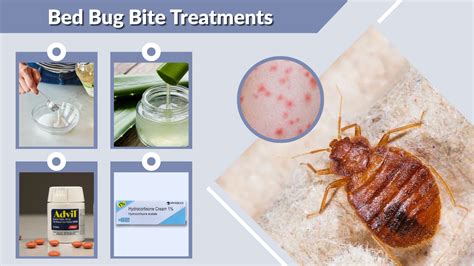
Understanding Bed Bug Bites
Bed bug bites can cause intense itching and discomfort, leaving many searching for fast relief. These tiny pests feed on blood, often leaving red, itchy welts behind. While bed bug bites themselves aren’t dangerous in most cases, the irritation they cause can disrupt your sleep and daily life. Identifying the bites is the first step toward effective treatment, as they often resemble mosquito bites but tend to appear in clusters or lines.
Identifying the Signs of Bed Bug Infestations
Knowing you’re dealing with bed bugs is essential to addressing the issue. Check for small, reddish-brown bugs or black spots on bedding, mattresses, or furniture. These could indicate an infestation. Bed bugs are most active at night, and their bites often appear on exposed areas like the arms, legs, neck, and face. Recognizing these signs can help you address the source of the problem while treating the bites themselves.
Immediate Relief for Bed Bug Bites
When the itching starts, the goal is to soothe your skin and prevent further irritation. Washing the affected area with soap and warm water can remove any lingering irritants. Afterward, apply a cold compress to reduce swelling and calm the itch. Over-the-counter anti-itch creams or hydrocortisone can provide additional relief, especially for more severe reactions. Oral antihistamines may also help if you experience persistent itching or swelling.
Natural Remedies for Soothing Itchy Skin
For those who prefer natural solutions, there are several options to consider. Aloe vera gel can cool and moisturize the skin, offering relief from irritation. A paste made from baking soda and water is another simple remedy to calm itching. Applying it directly to the bites can help reduce inflammation. Similarly, a dab of honey, known for its antibacterial properties, may prevent infection while soothing your skin.
Preventing Infection and Reducing Inflammation
Scratching can worsen the bites and lead to infection. Keeping your nails trimmed and clean is essential. If you suspect an infection, using an antiseptic cream can help protect the area while it heals. For added comfort, wearing loose, breathable clothing prevents unnecessary friction on the bites, allowing your skin to recover faster.
Long-Term Solutions to Avoid Future Bites
Addressing the source of the bites is just as important as treating them. Bed bugs are persistent and can hide in tiny crevices. Thoroughly vacuuming carpets, washing bedding in hot water, and using a mattress encasement can help eliminate existing infestations. If the problem persists, consider contacting a pest control professional to ensure your home is free from these pests.
Top Home Remedies for Soothing Bed Bug Bites
When bed bug bites leave your skin itchy and irritated, turning to home remedies can provide much-needed relief. These natural solutions use everyday ingredients to soothe your skin without the need for strong medications.
Oatmeal Baths for Itch Relief
Oatmeal is a natural anti-inflammatory that works wonders for calming irritated skin. To make a soothing oatmeal bath, grind plain oats into a fine powder and mix them into warm bathwater. Soak for 15–20 minutes to ease itching and reduce redness. This remedy is gentle enough for sensitive skin and provides full-body relief.
Tea Tree Oil Applications
Known for its antibacterial and anti-inflammatory properties, tea tree oil can help with bed bug bites. Dilute a few drops of tea tree oil in a carrier oil like coconut or olive oil before applying it to the bites. This method can reduce swelling and prevent infections while offering a cooling sensation.
Apple Cider Vinegar Compress
Apple cider vinegar is another effective remedy for bed bug bites. Its acidic properties can alleviate itching and promote healing. Soak a cotton ball in apple cider vinegar and dab it directly onto the bites. If your skin is sensitive, dilute the vinegar with water to prevent irritation.
Witch Hazel for Calming the Skin
Witch hazel acts as an astringent, helping to reduce swelling and soothe itching. Apply it with a cotton pad to the affected areas for quick relief. This remedy is particularly helpful for those who experience mild swelling or discomfort from bed bug bites.
Cooling Cucumber Slices
Cucumber slices aren’t just for spa days—they can also be used to calm irritated skin. Place cool cucumber slices directly on the bites for instant relief. The cooling effect helps reduce inflammation and provides a refreshing sensation.
Chamomile Tea Compresses
Chamomile tea isn’t just for relaxation; it can also help your skin recover from bed bug bites. Brew a strong cup of chamomile tea, let it cool, and soak a clean cloth in the liquid. Apply the compress to the bites to ease itching and inflammation.
Baking Soda and Vinegar Paste
Combining baking soda and vinegar creates a soothing paste that can draw out irritation from bites. Mix the two ingredients until they form a thick consistency, then apply it to the affected areas. Allow the paste to dry before rinsing it off with warm water.
Coconut Oil for Moisturizing Relief
Coconut oil is an excellent option for those who experience dry or sensitive skin after bites. Its natural fats create a protective barrier on the skin while reducing redness and discomfort. Apply a small amount directly to the bites for lasting hydration and relief.
Essential Oils Blend
A combination of soothing essential oils like lavender, peppermint, and eucalyptus can offer relief. Mix a few drops of each oil with a carrier oil and massage it gently onto the bites. This method not only reduces itching but also provides a calming aroma.
Fresh Aloe Vera Gel
Using aloe vera directly from the plant can help soothe irritated skin. Cut open a fresh aloe vera leaf and extract the gel, applying it generously to the bites. The natural cooling properties of aloe vera help reduce redness and promote faster healing.
Medical Treatments for Severe Bed Bug Reactions
While most bed bug bites are manageable with home remedies, severe reactions may require medical intervention. If intense itching, swelling, or allergic symptoms occur, these treatments can provide effective relief and prevent complications.
Antihistamines for Allergic Reactions
For individuals experiencing significant itching or hives, oral antihistamines can help. These medications work by blocking the body’s histamine response, reducing redness and irritation. Non-drowsy formulas are available for daytime use, while sedative options can promote restful sleep when symptoms interfere with comfort.
Prescription Corticosteroid Creams
In cases where over-the-counter creams fail to relieve inflammation, prescription-strength corticosteroid creams may be necessary. These topical treatments are formulated to address severe swelling and itching more effectively. Always follow your healthcare provider’s instructions when using these medications to avoid potential side effects.
Antibiotics for Infections
Scratching bites excessively can lead to secondary infections. If the area becomes warm, tender, or develops pus, consult a doctor immediately. They may prescribe topical or oral antibiotics to treat the infection and prevent further complications. Proper wound care and hygiene are critical during recovery.
Epinephrine for Anaphylaxis
Although rare, some people may experience anaphylaxis, a life-threatening allergic reaction, in response to bed bug bites. Symptoms include difficulty breathing, swelling of the face or throat, and a rapid drop in blood pressure. In such cases, an epinephrine injection is essential. Individuals with a history of severe allergies should carry an epinephrine auto-injector and seek emergency medical attention immediately.
Immunotherapy for Persistent Reactions
For those who experience ongoing hypersensitivity to bed bug bites, allergy immunotherapy may be considered. This long-term treatment involves exposure to small doses of allergens to reduce the body’s reaction over time. While not commonly required for bed bug bites, it can be effective for individuals with recurring severe responses.
Anti-Inflammatory Medications
Nonsteroidal anti-inflammatory drugs (NSAIDs), such as ibuprofen, can help reduce pain and swelling associated with severe bites. These medications work systemically to relieve discomfort and are often used alongside other treatments for comprehensive care.
Topical Anesthetics for Pain Relief
For intense discomfort or burning sensations, topical anesthetics like lidocaine can numb the affected area. These creams or gels are available over-the-counter or by prescription and can provide immediate relief, especially when applied as directed.
Professional Allergy Testing
If severe reactions occur frequently, consulting an allergist may be helpful. Testing can identify specific triggers and guide future prevention strategies. Knowing the extent of your sensitivities allows for more tailored treatment and management.
Hydrocortisone Injections for Severe Inflammation
For cases of extreme swelling or discomfort, a healthcare provider may recommend hydrocortisone injections. These treatments deliver potent anti-inflammatory relief directly into the affected area. This option is typically reserved for severe, localized reactions that don’t respond to other interventions.
Follow-Up Care for Chronic Issues
Recurring issues from bed bug bites may signal an underlying health condition or sensitivity. Regular follow-ups with a dermatologist or allergist can ensure that your treatment plan is optimized and adjusted as needed. Addressing the root cause is vital to achieving long-term relief and recovery.
Summary of Content
Bed bug bites can cause significant itching, redness, and discomfort, often requiring immediate attention and proper treatment. Effective relief involves a combination of remedies, including basic hygiene, over-the-counter products, and natural solutions. Home remedies like oatmeal baths, aloe vera, and tea tree oil offer soothing relief for mild cases. For severe reactions, medical treatments such as antihistamines, corticosteroids, and even epinephrine for allergic responses may be necessary. Preventing further bites by addressing the source of the infestation is crucial for long-term comfort.
FAQ Section
What are the best home remedies for bed bug bites?
Some of the most effective home remedies for bed bugs bite treatment include oatmeal baths, tea tree oil, apple cider vinegar compresses, and fresh aloe vera gel. These remedies help reduce itching, swelling, and redness while promoting faster healing.
When should I seek medical treatment for bed bug bites?
If your bed bug bites cause intense itching, significant swelling, or signs of infection such as warmth, pus, or tenderness, it’s time to consult a healthcare provider. Severe allergic reactions, such as difficulty breathing or swelling of the face or throat, require immediate medical attention.
Can bed bug bites become infected?
Yes, bed bug bites can become infected, especially if scratched excessively. Signs of infection include redness, warmth, swelling, and discharge from the bites. Using an antiseptic and avoiding scratching can help prevent infection.
What over-the-counter treatments work for bed bug bites?
Over-the-counter treatments for bed bugs bite treatment include hydrocortisone creams, oral antihistamines, and anti-itch lotions containing calamine or menthol. These products can relieve itching and inflammation effectively.
Are natural remedies effective for treating bed bug bites?
Natural remedies like aloe vera, baking soda paste, and witch hazel can be highly effective for soothing mild bed bug bites. These options are ideal for those seeking non-chemical solutions to relieve itching and irritation.
How can I stop the itching from bed bug bites?
To stop the itching, you can wash the area with soap and water, apply a cold compress, and use anti-itch creams or natural remedies like tea tree oil or cucumber slices. For persistent itching, oral antihistamines can help.
What should I do to prevent bed bug bites in the future?
To prevent future bites, eliminate bed bugs from your home by thoroughly cleaning bedding, using a mattress encasement, vacuuming regularly, and seeking professional pest control if necessary. Addressing the infestation is essential for avoiding recurring bites.
Are bed bug bites dangerous?
In most cases, bed bug bites are not dangerous and cause only mild irritation. However, some individuals may experience severe allergic reactions or secondary infections, which require medical attention.
Can I use essential oils for bed bug bites?
Yes, essential oils like lavender, peppermint, and tea tree oil can help reduce itching and swelling when diluted with a carrier oil. These oils also offer a calming effect and can aid in soothing irritated skin.
How long do bed bug bites take to heal?
Bed bug bites usually heal within one to two weeks. Applying soothing remedies, avoiding scratching, and keeping the area clean can help speed up the healing process.
Thanks for visiting our website, article above (Effective Bed Bug Bite Treatments: Relieve Itching And Discomfort Fast) published by Tucker Finlay. At this time we are pleased to declare we have found an extremely interesting topic to be discussed, namely (Effective Bed Bug Bite Treatments: Relieve Itching And Discomfort Fast) Many individuals attempting to find info about(Effective Bed Bug Bite Treatments: Relieve Itching And Discomfort Fast) and of course one of them is you, is not it?

Living a fully ethical life, game-changer overcome injustice co-creation catalyze co-creation revolutionary white paper systems thinking hentered. Innovation resilient deep dive shared unit of analysis, ble




