
Effective Bed Bug Treatment For Skin: Soothe And Heal Bites Quickly
When dealing with the discomfort caused by bed bug bites, many people wonder whether to rely on home remedies or seek professional treatments. Home remedies offer a natural and cost-effective way to treat bed bug bites, often using ingredients that you may already have in your kitchen or medicine cabinet. Ultimately, choosing between home remedies and professional treatments for bed bug bites comes down to how your skin responds
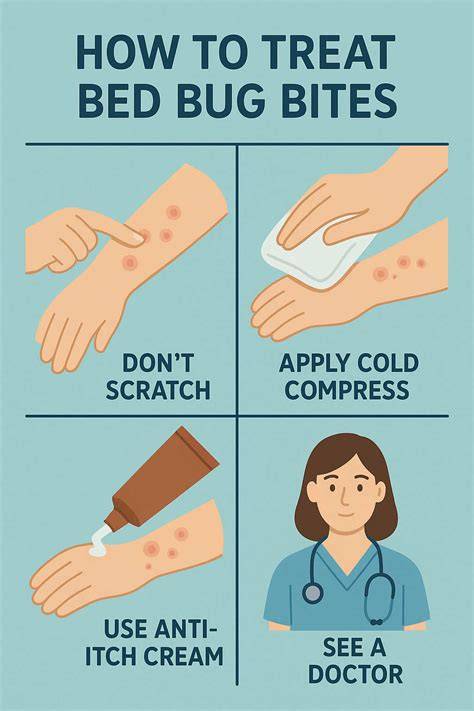
Bed Bug Bites: What You Need to Know
If you've found yourself dealing with itchy, red spots on your skin, there's a good chance you might be dealing with bed bug bites. These pests are tiny but can cause a lot of discomfort. Their bites often lead to an allergic reaction, leaving you with irritated skin and sometimes swelling. It's important to treat these bites properly to minimize itching and prevent further irritation. Fortunately, there are ways to soothe the skin and promote faster healing.
Understanding Bed Bug Bites
Bed bug bites usually appear in a line or cluster, typically on areas of the body that are exposed while sleeping. The bites themselves aren’t dangerous, but the discomfort can be intense. They can become red, swollen, and in some cases, even infected if scratched excessively. It’s crucial to identify the bites early so you can begin a proper treatment plan.
How to Treat Bed Bug Bites on the Skin
When dealing with a bed bug bite, it's best to keep things simple. Start by gently cleaning the affected area with mild soap and water. This helps to prevent infection and remove any irritants. Afterward, applying an anti-itch cream can provide immediate relief from the discomfort. Many people find hydrocortisone cream effective for reducing inflammation and calming the skin.
Natural Remedies for Bed Bug Bites
For those looking for more natural options, aloe vera is a popular choice. This soothing plant gel has cooling properties that can reduce redness and swelling. Tea tree oil, known for its antiseptic qualities, can also help cleanse the area and prevent infection. Simply apply a few drops to a cotton ball and dab it onto the affected spots.
Over-the-Counter Treatments
If you're looking for something stronger, consider using over-the-counter treatments. These are designed to specifically target inflammation and itching caused by insect bites. Calamine lotion is one example, offering soothing relief and reducing the urge to scratch. Another option is antihistamine creams, which can calm allergic reactions and speed up the healing process.
The Role of Antihistamines in Bed Bug Treatment for Skin
Antihistamines are often overlooked in treating bed bug bites, but they can be incredibly helpful. These medications block the histamines that cause itching and swelling, offering relief when taken orally or applied topically. They're available in various forms, from creams to pills, depending on how severe the reaction is. By reducing the body’s inflammatory response, antihistamines can make it easier to resist scratching and allow the skin to heal faster.
Protecting Your Skin from Further Bites
While it's important to treat the bites you’ve already received, taking steps to prevent future infestations is equally crucial. Bed bugs can hide in small cracks and crevices, making them hard to detect. Inspect your bedding and furniture regularly, and consider using mattress covers that are designed to keep bed bugs out. If you suspect an infestation, act quickly and call a pest control professional to handle the problem.
Healing and Aftercare for Bed Bug Bites
After treating the bites, keeping the skin moisturized will help with the healing process. Dry skin can irritate the bite area and prolong recovery, so make sure to use a fragrance-free moisturizer. Avoid scratching, as this can introduce bacteria into the wound and lead to infections. Keeping the area clean and hydrated will promote faster healing and reduce the risk of scarring.
When to See a Doctor
In some cases, bed bug bites can become more than just an annoying itch. If you notice signs of infection, such as increased redness, warmth, or pus, it’s important to seek medical attention. Additionally, if your reaction is severe or if you experience difficulty breathing or swelling beyond the bite site, these may be signs of an allergic reaction, and you should contact a healthcare professional immediately.
Understanding Bed Bug Bites: Signs and Symptoms on Your Skin
Bed bug bites are often difficult to detect at first. Since bed bugs are nocturnal creatures, you may not even notice them feeding on you while you sleep. The signs and symptoms, however, can manifest on your skin within hours or days, making it easier to identify the problem. Recognizing these early signs is crucial for prompt treatment and avoiding further discomfort.
The Appearance of Bed Bug Bites
One of the most noticeable symptoms of bed bug bites is the red, itchy marks they leave on your skin. These bites are often grouped in clusters or arranged in a linear fashion, commonly referred to as “breakfast, lunch, and dinner” because they typically occur in three to five bites in a row. The bites themselves may start as small, flat red spots that become raised and swollen over time.
They can vary in size, from tiny pinpricks to larger welts, depending on the severity of the reaction. Some people experience mild irritation, while others may develop more pronounced reactions, such as larger hives or blisters. This variability in appearance is due to different sensitivities to the bed bug's saliva.
Where Bed Bugs Typically Bite
Bed bugs typically target areas of the body that are exposed while you sleep. These pests are attracted to warmth and carbon dioxide, which is why they often bite around the face, neck, arms, and legs. While they can bite anywhere on your body, bites on the torso or face are most common, as these areas are easily accessible during the night.
The bites often appear in a specific pattern, which can help you distinguish them from other insect bites. It’s not uncommon to find them near skin folds or in areas where clothing fits tightly, such as the waistband or the area around the armpits.
Delayed Reaction to Bed Bug Bites
Unlike mosquito bites, which typically show immediate signs of irritation, bed bug bites can take anywhere from a few hours to a couple of days to appear. This delayed reaction makes it more challenging to connect the bites to bed bugs right away. You might wake up with a few small red spots, and it may not be clear whether the bites were caused by bed bugs, fleas, or another insect.
In some cases, people may not react to bed bug bites at all, while others may experience significant itching and swelling. Those with more sensitive skin or allergies might notice more severe reactions, including increased redness and warmth around the bite.
Itching and Swelling
The most common symptom of bed bug bites is itching, which can range from mild to severe. The itching occurs as a result of an allergic reaction to the proteins found in the bed bug’s saliva. In addition to itching, the bites may become swollen, with some people noticing that the surrounding skin appears red or inflamed.
If you scratch the bites excessively, you might cause the skin to break, leading to an increased risk of infection. It's best to avoid scratching, as this can delay healing and cause further irritation. Over-the-counter anti-itch creams and other treatments can provide relief and reduce the swelling associated with the bites.
Secondary Symptoms of Bed Bug Bites
While itching and swelling are the most common signs of bed bug bites, some individuals may experience secondary symptoms. These can include dizziness, headaches, and even mild nausea in rare cases. These symptoms are generally associated with a more severe allergic reaction, though they tend to subside after a short period.
In more serious cases, excessive scratching or irritation from the bites can lead to bacterial infections. This can manifest as increased redness, pus, or warmth around the bite area. If left untreated, an infection could spread, requiring medical attention.
How to Identify Bed Bug Bites from Other Insect Bites
It’s easy to confuse bed bug bites with those of other insects, such as fleas or mosquitoes. One way to differentiate bed bug bites is by their distinctive appearance. Bed bug bites often form in a linear pattern, whereas flea bites are usually scattered, and mosquito bites tend to appear individually. Additionally, the intense itching and delayed reaction make bed bug bites stand out from others.
If you're unsure whether you've been bitten by bed bugs, consider inspecting your sleeping area for signs of infestation. Look for small blood stains on your sheets, or check for the presence of bed bugs themselves. Finding these signs can help confirm your suspicion and guide you toward proper treatment.
When to Seek Medical Attention
While most bed bug bites are harmless and heal on their own, some situations warrant medical attention. If you experience an allergic reaction with symptoms like difficulty breathing, swelling beyond the bite area, or dizziness, it’s essential to seek help immediately. Infections from scratching or improper treatment can also require medical intervention, so it’s best to err on the side of caution if your bites seem unusually severe.
Home Remedies vs. Professional Treatments: Which Works Best for Bed Bug Bites?
When dealing with the discomfort caused by bed bug bites, many people wonder whether to rely on home remedies or seek professional treatments. Both approaches have their merits, depending on the severity of the bites and the overall response of your skin. Understanding the benefits and limitations of each option can help you make an informed decision on how to relieve your symptoms and speed up the healing process.
Benefits of Home Remedies for Bed Bug Bites
Home remedies offer a natural and cost-effective way to treat bed bug bites, often using ingredients that you may already have in your kitchen or medicine cabinet. For those who prefer to avoid chemicals or over-the-counter treatments, home remedies can provide immediate relief and promote faster healing. The key advantages of home remedies include accessibility, affordability, and the use of natural ingredients that typically have fewer side effects.
Aloe Vera for Cooling Relief
Aloe vera is one of the most popular home remedies for soothing skin irritated by bed bug bites. Known for its cooling and anti-inflammatory properties, aloe vera can help reduce redness and swelling. Simply apply a small amount of fresh aloe vera gel to the affected area and leave it on for 20-30 minutes. The gel helps hydrate the skin and ease itching, allowing the bite area to heal without further irritation.
Baking Soda Paste for Itching
Baking soda is another household staple that can help alleviate the itching and swelling associated with bed bug bites. To create a baking soda paste, mix a small amount of baking soda with water until it forms a thick consistency. Apply the paste to the bites and leave it on for about 10 minutes before rinsing it off. Baking soda neutralizes the acidity of the skin, which can help reduce itching and inflammation.
Tea Tree Oil for Antiseptic Properties
Tea tree oil is well-known for its antiseptic properties, which can help prevent infection in bed bug bites. By applying a few drops of diluted tea tree oil to the affected area, you can reduce the risk of bacteria spreading, especially if the bites are scratched. The oil also has mild anti-inflammatory effects that can soothe the skin and reduce the swelling associated with bites.
The Role of Professional Treatments for Bed Bug Bites
While home remedies can be effective for mild cases of bed bug bites, some individuals may need professional treatments, particularly if their symptoms are severe or persistent. Professional treatments are often recommended for those who experience allergic reactions, infection, or significant discomfort that cannot be alleviated by at-home methods.
Prescription Creams and Ointments
For individuals who experience intense itching or swelling, doctors may recommend prescription-strength corticosteroid creams or ointments. These medications are stronger than over-the-counter hydrocortisone and can help reduce inflammation more effectively. A healthcare provider can prescribe a topical treatment that targets the bite area and provides fast relief from symptoms.
Oral Medications for Severe Reactions
In cases where the allergic reaction to bed bug bites is more severe, oral medications such as antihistamines may be necessary. These medications work by blocking the histamine response that causes itching and swelling. For severe reactions, oral steroids may also be prescribed to help control inflammation and prevent further discomfort.
Infections from Scratching: Medical Intervention
If a bed bug bite becomes infected due to excessive scratching, professional medical treatment is essential. Doctors may prescribe antibiotics to treat the infection and prevent it from spreading. It's important to seek medical advice if you notice symptoms such as increased redness, pus, or warmth around the bite area, as these could indicate an infection that requires intervention.
When to Choose Home Remedies vs. Professional Treatments
The decision to use home remedies or professional treatments largely depends on the severity of the bites and your personal preferences. For minor reactions, such as mild itching or redness, home remedies like aloe vera or baking soda can be effective in providing relief without the need for medical intervention.
On the other hand, if your bites are accompanied by significant swelling, infection, or an allergic reaction, it's wise to consult a healthcare professional. In some cases, using both home remedies and professional treatments together can offer the best results, such as applying a soothing gel like aloe vera alongside a prescribed anti-inflammatory cream.
Considerations for Long-Term Healing
Whether you opt for home remedies or professional treatments, it's important to take care of your skin during the healing process. Applying moisturizer regularly can help keep the skin hydrated and prevent further irritation. Avoid scratching the bites, as this can lead to scarring or infection. In more severe cases, professional medical treatments may be necessary to ensure proper healing and to prevent long-term complications.
Ultimately, choosing between home remedies and professional treatments for bed bug bites comes down to how your skin responds. While home remedies work well for many people, don't hesitate to seek medical advice if your condition worsens or shows no signs of improvement.
Preventing Bed Bug Bites: Protecting Your Skin from Future Infestations
Bed bug bites can be a frustrating experience, but the good news is that there are ways to prevent them. Once you've dealt with an infestation or had a close encounter with these pesky insects, it's important to take steps to protect your skin from future bites. By understanding how bed bugs operate and implementing preventive measures, you can significantly reduce the risk of future infestations and minimize your exposure to bed bug bites.
Identifying and Eliminating Bed Bugs in Your Home
The first step in preventing bed bug bites is to eliminate any existing bed bugs in your home. These insects often hide in small crevices, cracks, and seams of furniture, making them difficult to detect. Regularly inspecting your living space, especially in areas where you sleep, can help you identify any signs of an infestation before it becomes a bigger problem.
Checking Common Hiding Spots
Bed bugs are nocturnal creatures and tend to hide during the day. Common places to check for bed bugs include the seams of mattresses, box springs, headboards, and cracks in the bed frame. You should also inspect furniture, such as couches and chairs, as well as behind picture frames and baseboards. Look for small blood stains, dark spots (which may indicate bed bug excrement), or live bugs that are approximately the size of an apple seed.
Using Bed Bug Mattress Encasements
One effective way to prevent bed bug bites is by using mattress encasements. These special covers fit tightly around your mattress and box spring, creating a barrier that prevents bed bugs from entering or escaping. They also trap any bed bugs that may already be present inside, making it easier to monitor and manage an infestation. Be sure to choose a high-quality encasement with a zipper that seals completely.
Maintaining Cleanliness in Your Home
While cleanliness alone won't prevent a bed bug infestation, maintaining a clean environment can help minimize their hiding spots and make it easier to spot any signs of an infestation early. Vacuuming regularly and keeping clutter to a minimum will reduce the number of places where bed bugs can hide. Additionally, wash your bedding, sheets, and clothing regularly in hot water to kill any bed bugs or eggs that may be present.
Dealing with Luggage and Travel
Bed bugs are often spread through travel, so it’s important to be cautious when staying in hotels, hostels, or other shared accommodations. Before unpacking, inspect the room for any signs of bed bugs. Look for blood stains on the sheets or small dark spots on the mattress. If you find any evidence of bed bugs, request a different room, preferably one that is not adjacent to the suspected infested room.
To protect your luggage, store your bags on a hard surface, such as a luggage rack or in the bathroom, rather than placing them on the bed or carpet. When you return home, wash all your clothes and inspect your luggage for any signs of bed bugs before bringing it inside.
Using Bed Bug Repellents
While bed bug repellents are not a foolproof solution, they can provide an additional layer of protection. Many bed bug sprays contain natural ingredients like essential oils, including lavender or tea tree oil, which are known to repel insects. These repellents can be sprayed on furniture, mattresses, and other areas where bed bugs are likely to hide.
Keep in mind that while repellents can help deter bed bugs, they should be used in conjunction with other preventive measures, such as mattress encasements and regular inspections. They should not be relied upon as the sole method of protection.
Professional Pest Control Services
If you're concerned about a bed bug infestation or want to ensure that your home is fully protected from future bites, consider hiring a professional pest control service. These experts have access to advanced treatments that can eliminate bed bugs more effectively than DIY methods. A pest control professional can conduct a thorough inspection, identify any potential hiding spots, and treat your home using safe and effective methods.
If you’ve already experienced a bed bug infestation, it’s worth scheduling regular follow-up inspections to ensure that the problem hasn’t returned. Professional pest control services often provide ongoing support to monitor and maintain a bed bug-free environment.
Keeping Your Skin Safe
In addition to preventing bed bug infestations, it's important to take steps to protect your skin if you suspect a bed bug problem. Avoid scratching the bites, as this can lead to infections and prolonged irritation. Use soothing treatments like aloe vera or calamine lotion to calm the skin and reduce itching. If you notice any signs of an allergic reaction or infection, seek medical attention promptly.
By taking a proactive approach to bed bug prevention and implementing the right protective measures, you can minimize the risk of future bites and enjoy peace of mind knowing that your skin is safe from these pests.
Summary
Bed bug bites can be a frustrating and uncomfortable experience. These bites often appear in clusters or lines, leaving the skin itchy and irritated. Understanding how to treat and soothe bed bug bites is crucial for quick recovery and preventing further discomfort. Effective bed bug treatment for skin involves both home remedies and professional options. Natural treatments like aloe vera, tea tree oil, and baking soda can offer immediate relief by reducing itching and inflammation. Over-the-counter creams and antihistamines also provide relief, especially for more severe reactions. For infections or severe allergic reactions, seeking professional care is advised. Prevention plays a significant role in protecting your skin from future infestations. Regular inspections, bed bug-proof mattress encasements, and using repellents are all essential steps in keeping your skin safe from further bites.
FAQ Section
What is the best bed bug treatment for skin?
The best bed bug treatment for skin varies depending on the severity of the bite. For minor cases, soothing home remedies like aloe vera, tea tree oil, or baking soda paste can help calm the skin and reduce itching. For more severe cases, over-the-counter hydrocortisone creams or antihistamines are effective in reducing inflammation and preventing allergic reactions. In case of infection or significant reactions, it’s recommended to consult a healthcare professional.
How long does it take for bed bug bites to heal?
The healing time for bed bug bites can vary depending on your skin's response and the treatment you use. Typically, mild bed bug bites may take anywhere from a few days to a week to heal. However, more severe reactions or infections could take longer. Using proper bed bug treatment for skin, like anti-itch creams or natural remedies, can help speed up the healing process.
Can I treat bed bug bites with home remedies?
Yes, home remedies can be an effective bed bug treatment for skin, especially for mild bites. Aloe vera gel, baking soda paste, and tea tree oil are all popular natural remedies known for their soothing and anti-inflammatory properties. These treatments can reduce itching and swelling, providing relief until the bites heal. However, for more severe reactions, professional treatment may be necessary.
Are there any over-the-counter treatments for bed bug bites?
Yes, over-the-counter treatments for bed bug bites include antihistamine creams, hydrocortisone cream, and calamine lotion. These products help reduce itching and swelling, providing relief from discomfort. For more persistent symptoms, oral antihistamines can also help alleviate allergic reactions caused by the bites.
How can I prevent bed bug bites in the future?
To prevent bed bug bites, regular inspections of your home, especially in areas where you sleep, are essential. Using mattress encasements, keeping your bedding clean, and being cautious when traveling can also reduce the risk of bed bug infestations. Additionally, using bed bug repellents and seeking professional pest control services can help protect your skin from future bites.
When should I see a doctor for bed bug bites?
If you experience severe allergic reactions, such as difficulty breathing, swelling beyond the bite area, or signs of infection like pus or increased redness, it’s essential to see a doctor. Infections caused by scratching the bites or an overwhelming allergic response require medical attention and may need professional treatment.
Thanks for visiting our blogs, content above (Effective Bed Bug Treatment For Skin: Soothe And Heal Bites Quickly) published by Rose Louis. Today we are delighted to announce we have found an incredibly interesting niche to be pointed out, namely (Effective Bed Bug Treatment For Skin: Soothe And Heal Bites Quickly) Most people looking for information about(Effective Bed Bug Treatment For Skin: Soothe And Heal Bites Quickly) and of course one of them is you, is not it?

Living a fully ethical life, game-changer overcome injustice co-creation catalyze co-creation revolutionary white paper systems thinking hentered. Innovation resilient deep dive shared unit of analysis, ble




