
The Dangers Of Bed Bug Sores: Causes, Symptoms, And Treatment
This can lead to more severe reactions to bed bug bites, and in some cases, the skin may not heal properly after an initial reaction. In combination with a bed bug infestation, these factors can result in an increased likelihood of severe reactions to bites and more significant damage to the skin. These bites typically lead to itchy red bumps, but in some cases, they can result in more severe skin damage if left untreated
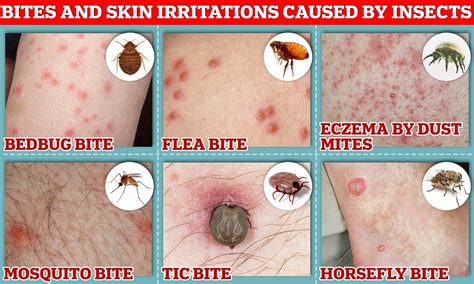
What Are Bed Bug Sores?
Bed bug sores occur when the body reacts to bites from bed bugs, tiny parasites that feed on human blood. These insects usually hide in dark corners, often lurking in bedding or furniture. The sores themselves are caused by an allergic reaction to the bed bug’s saliva, which is injected into the skin during feeding.
When a bed bug bites, it leaves behind small, itchy, red bumps on the skin. These bumps are the first sign of bed bug sores, which can vary in severity depending on the person's skin sensitivity and the number of bites. The irritation can cause discomfort, leading to scratching, which might make the sores worse.
Causes of Bed Bug Sores
The primary cause of these sores is the bite of a bed bug. Unlike mosquito bites, which often appear immediately, bed bug bites may take hours to show up, sometimes even a day or two. This delay in symptoms makes it tricky to identify the culprit right away.
Once bitten, the body's immune system responds to the protein in the bug’s saliva. This reaction causes the characteristic redness and swelling. Bed bugs tend to bite in clusters or in a line, leaving several sores that can appear on any part of the body. However, bites on exposed skin, such as the arms, neck, or legs, are the most common.
Symptoms of Bed Bug Sores
At first, bed bug sores often resemble mosquito or flea bites, but they tend to be more itchy and persistent. The affected areas can become swollen, inflamed, or even blistered if scratched. Some people may experience a more severe reaction with a rash or even an infection if the skin is broken.
In addition to the visual symptoms, a person may experience a burning sensation around the bite area. The intensity of the symptoms can vary depending on individual sensitivities. For some, the reaction is mild and short-lived, while for others, the itching and discomfort can last for days.
Treatment for Bed Bug Sores
The first step in treating bed bug sores is to resist the urge to scratch them. Scratching can lead to infections or more irritation. Over-the-counter hydrocortisone creams or antihistamines can help reduce itching and inflammation. For more severe reactions, prescription medications like corticosteroids may be necessary.
Washing the affected area with soap and water can also help prevent infection. Applying a cold compress can soothe the skin and reduce swelling. In extreme cases, if an infection develops or symptoms worsen, it’s essential to consult a healthcare provider.
Preventing Bed Bug Sores
The best way to avoid bed bug sores is to prevent bed bug infestations in the first place. Regularly checking your bedding and furniture for signs of bed bugs is a key part of prevention. If you suspect an infestation, acting quickly is crucial. Professional pest control services can help eliminate the bugs and reduce the risk of further bites.
Protective covers for mattresses and pillows can also help minimize exposure to bed bugs. These covers trap the bugs inside and prevent them from reaching your skin. Keeping your home clean and clutter-free makes it easier to spot any signs of bed bugs before they have a chance to spread.
When to Seek Medical Help
In most cases, bed bug sores don’t require medical treatment and will heal on their own. However, if the sores show signs of infection, such as increased redness, warmth, or pus, it’s important to see a doctor. People with severe allergic reactions to bed bug bites, including difficulty breathing or swelling beyond the bite area, should seek immediate medical attention.
For people who experience chronic skin issues or repeated infestations, professional pest control treatment and long-term strategies may be necessary to fully eliminate the problem. Treating bed bug sores effectively involves addressing both the bites and the root cause: the bed bugs themselves.
The Unseen Risks: How Bed Bug Bites Can Leave You with Serious Skin Damage
While bed bug bites might seem like a minor nuisance, they can have lasting effects on your skin if left untreated. These tiny pests feed on your blood during the night, often leaving behind more than just itchy red marks. For some, the bites can lead to serious skin damage, causing long-term problems that require medical attention.
The Delayed Reaction: How Bed Bug Bites Affect Your Skin
Unlike other insect bites, bed bug bites don’t always show up immediately. It can take hours or even days for the bite sites to become visible, making it difficult to link the symptoms to the bugs. The bites often start as small, itchy red bumps, but over time, they can become inflamed, blistered, or even lead to infections.
If not treated, the skin can become damaged due to scratching. Persistent itching from bed bug bites can cause open wounds, which, when exposed to bacteria, may result in further complications like cellulitis or impetigo. The longer you wait to treat the bites, the more likely it is that the skin damage will intensify.
Scratching and Its Consequences
One of the biggest risks associated with bed bug bites is scratching. As the bites itch, the natural impulse is to scratch them, but this only exacerbates the problem. Scratching can break the skin, making it more vulnerable to bacterial infections. These infections can lead to deep tissue damage, scarring, and more serious health concerns.
In some cases, excessive scratching can lead to what’s called "excoriation," where the skin becomes thickened and scarred over time. This can leave permanent marks that are difficult to heal, especially if the bites were severe or numerous.
Allergic Reactions and Skin Sensitivity
Not everyone has the same reaction to bed bug bites. For some, the bites result in mild irritation, but for others, the body's immune response can be much more intense. Severe allergic reactions can cause large, painful welts and even hives, making the skin more susceptible to further damage.
In more extreme cases, people may experience anaphylaxis, a life-threatening allergic reaction. While rare, anaphylaxis requires immediate medical intervention and can result in swelling or damage to the skin, especially if it affects the airway or causes widespread swelling.
Secondary Infections from Bed Bug Bites
Even if you manage to avoid scratching, there’s still a risk of secondary infections. Bed bug bites provide an open gateway for bacteria to enter the skin, and if the bites aren’t kept clean, infections can easily set in. The most common infections are bacterial in nature and can cause redness, swelling, and pus.
When bed bug bites become infected, they may take longer to heal and result in scarring. In some cases, the infection can spread, requiring stronger antibiotics or medical procedures to prevent further complications.
Post-Bite Scarring: A Long-Term Concern
After the initial irritation and swelling from bed bug bites subside, some individuals are left with lasting scars. These scars can range from small, faint marks to larger, more pronounced ones, depending on how severe the bite reaction was and how much the skin was damaged through scratching or infection.
In cases where scarring is significant, treatments like laser therapy or corticosteroid injections may be recommended by dermatologists to help reduce the appearance of scars. However, the best way to avoid scarring is to prevent infections by managing bed bug bites properly from the beginning.
Treatment to Prevent Serious Skin Damage
To minimize the risk of serious skin damage from bed bug bites, it's important to treat the bites as soon as possible. Over-the-counter hydrocortisone creams or antihistamines can help reduce itching and swelling. For more severe reactions, oral steroids or prescription antibiotics may be necessary to prevent infection.
Additionally, applying antiseptic creams and keeping the area clean can help protect the skin from secondary infections. If you experience significant pain, increased swelling, or signs of infection, it’s best to seek medical attention immediately to avoid long-term skin damage.
Preventing Further Skin Damage
Preventing future bed bug bites is the most effective way to avoid skin damage. Taking steps to eliminate a bed bug infestation from your home is crucial. This might include using bed bug-proof mattress covers, regular cleaning and inspection of furniture, and seeking professional pest control services.
If you’re dealing with an infestation, it’s essential to act quickly. The longer the bugs have access to your skin, the higher the risk of severe bites, infections, and scarring. Protecting yourself and your living space can prevent the unseen risks of bed bug bites from leaving lasting skin damage.
The Hidden Dangers: Understanding the Link Between Bed Bug Sores and Immune System Weakness
While bed bug sores are commonly associated with itchy, red bumps on the skin, their connection to a weakened immune system is often overlooked. These sores, a result of bed bug bites, can indicate more than just a local allergic reaction. For some individuals, frequent or severe reactions to these bites may expose underlying issues with the body's immune defenses, potentially leading to more serious health concerns.
Bed Bug Bites and the Body's Immune Response
When a bed bug bites, it injects saliva into the skin, which contains proteins that prevent blood clotting and cause the body to react. For most people, this leads to a temporary inflammatory response, which presents itself as swelling and redness around the bite area. However, for those with a compromised immune system, the reaction to bed bug bites can be more intense, prolonged, or even lead to infections.
In individuals with weakened immunity, the body may struggle to mount an appropriate response to the foreign proteins introduced by the bite. This can result in more significant swelling, larger welts, or even the development of systemic symptoms like fever or chills. The inability of the immune system to manage the bite effectively could also increase the risk of secondary infections, complicating recovery and further taxing the immune system.
Impact of Immune System Weakness on Skin Reactions
A compromised immune system affects how the body handles skin reactions to various irritants, including bed bug bites. For those with weakened immunity—whether due to conditions like HIV, diabetes, cancer treatments, or immunosuppressive medications—the usual protective mechanisms of the skin may not function as effectively. This can lead to more severe reactions to bed bug bites, and in some cases, the skin may not heal properly after an initial reaction.
In such cases, bed bug sores can become an entry point for other infections, as the immune system is less able to respond to the threat of bacteria or viruses. The inability to properly heal bites can also lead to scarring or chronic skin conditions, which can be difficult to treat.
Increased Risk of Secondary Infections
For individuals with a weakened immune system, the risk of secondary infections from bed bug sores is significantly higher. These individuals may have trouble fighting off bacteria that enter through broken skin caused by itching or scratching. Common infections like cellulitis or impetigo can develop when bacteria invade the body through a bite site, and these infections can quickly escalate into more serious conditions without prompt treatment.
Since the immune system is already under stress in people with certain health conditions, the development of these infections can cause more harm than in individuals with a healthy immune system. Infections that stem from bed bug bites can spread quickly, especially if left untreated, further complicating recovery and making it difficult for the body to fight off other illnesses.
How Chronic Conditions Exacerbate Bed Bug Bite Reactions
Chronic health conditions can play a significant role in how the body reacts to bed bug bites. Conditions such as diabetes, rheumatoid arthritis, and autoimmune diseases often require medications that suppress the immune system to reduce inflammation or prevent overactive immune responses. While these treatments are essential for managing the conditions, they can also make the body more vulnerable to infections and slower to heal from bites or other skin irritations.
People with these conditions may also experience an exaggerated response to bed bug bites. This could result in more intense skin reactions, including larger, more painful sores. For individuals with autoimmune diseases, the immune system may attack the skin or fail to properly regulate inflammation, making bed bug sores worse and more prone to complications.
The Role of Stress and Lifestyle in Immune Health
Stress and lifestyle factors can further impact the immune system's ability to handle bed bug bites and their aftermath. Chronic stress, poor diet, lack of sleep, and insufficient physical activity can all weaken the immune system over time. In combination with a bed bug infestation, these factors can result in an increased likelihood of severe reactions to bites and more significant damage to the skin.
People who experience high levels of stress or are not prioritizing their overall health may notice that their body’s response to bed bug bites is more pronounced, with prolonged swelling and difficulty healing. Taking steps to manage stress and adopt a healthier lifestyle can support the immune system, helping the body respond more effectively to potential threats like bed bug bites.
Prevention and Management for Individuals with Weakened Immune Systems
For those with a weakened immune system, preventing bed bug bites is crucial. Reducing the chances of exposure to bed bugs by keeping living spaces clean and free from infestations is essential. Additionally, using protective mattress covers and inspecting furniture regularly can help prevent contact with bed bugs, reducing the risk of developing sores in the first place.
If a bed bug bite occurs, it's important to monitor the reaction closely. Immediate treatment with topical creams to reduce inflammation, as well as regular cleaning of the bite sites, can help prevent infections. For individuals with weakened immune systems, seeking medical advice as soon as possible after being bitten is key to preventing complications, as medical professionals can provide more tailored treatment to address both the sores and the underlying immune concerns.
Seeking Medical Attention Early
Because of the risks posed by a weakened immune system, it’s essential for those with compromised immunity to seek medical attention at the first signs of a bed bug bite or related skin damage. A healthcare provider can evaluate the severity of the skin reaction, recommend appropriate treatments, and provide guidance on preventing further complications. Regular checkups and proactive care can help minimize the risk of long-term skin damage and ensure the body remains as resilient as possible in the face of potential threats like bed bug bites.
Summary
Bed bug sores are the result of an allergic reaction to bites from bed bugs, tiny pests that feed on human blood. These bites typically lead to itchy red bumps, but in some cases, they can result in more severe skin damage if left untreated. The immune system’s response to bed bug saliva can cause swelling, redness, and discomfort. In individuals with compromised immunity, these sores can lead to infections and chronic skin issues. Proper treatment, including antihistamines, hydrocortisone creams, and antiseptics, can help reduce symptoms and prevent further damage. Preventing bed bug infestations and managing skin reactions early are key to avoiding long-term complications.
FAQ
1. What are bed bug sores?
Bed bug sores are the result of an allergic reaction to bites from bed bugs. The bites typically appear as itchy red bumps on the skin, which may become inflamed or infected if not treated properly. The sores are caused by the body’s response to the proteins in bed bug saliva.
2. How can bed bug sores be treated?
To treat bed bug sores, it’s important to resist scratching to avoid further skin damage and infections. Over-the-counter antihistamines or hydrocortisone creams can reduce itching and swelling. For more severe reactions, you may need prescription medications or antibiotics to prevent or treat infections.
3. Can bed bug sores lead to serious health issues?
While most bed bug sores are mild and will heal on their own, they can lead to more serious issues if left untreated. Infections, scarring, and long-term skin damage are possible, especially if the sores are scratched or exposed to bacteria. Individuals with weakened immune systems are particularly at risk for complications.
4. What causes bed bug sores?
Bed bug sores are caused by the body’s allergic reaction to the saliva injected by a bed bug during a bite. The proteins in the saliva prevent blood clotting and cause the skin to become inflamed, leading to the red, itchy bumps that are characteristic of bed bug sores.
5. How can I prevent bed bug sores?
To prevent bed bug sores, you should focus on eliminating any bed bug infestations in your living space. Regularly check for signs of bed bugs, use protective mattress covers, and keep your home clean. If you do get bitten, immediately clean the affected area and treat the sores to prevent infection.
6. Are bed bug sores more dangerous for people with weakened immune systems?
Yes, people with weakened immune systems, such as those with chronic conditions or on immunosuppressive medications, are at a higher risk of severe reactions to bed bug bites. Their bodies may struggle to handle the inflammation and infections associated with bed bug sores, leading to more severe skin damage and complications.
Thanks for visiting our site, article above (The Dangers Of Bed Bug Sores: Causes, Symptoms, And Treatment) published by O'Connor Sam. Hodiernal we're delighted to declare that we have discovered an awfully interesting niche to be reviewed, that is (The Dangers Of Bed Bug Sores: Causes, Symptoms, And Treatment) Many people trying to find information about(The Dangers Of Bed Bug Sores: Causes, Symptoms, And Treatment) and of course one of them is you, is not it?

Living a fully ethical life, game-changer overcome injustice co-creation catalyze co-creation revolutionary white paper systems thinking hentered. Innovation resilient deep dive shared unit of analysis, ble




