
The Elusive Bed Bug Molt: Uncovering The Secrets Of Their Life Cycle
Bed bugs, notorious for their persistence and ability to hide, go through several stages of development in their life cycle. One of the most intriguing and crucial stages involves their molt, a process where they shed their exoskeleton to grow. For bed bugs, molting doesnât just signify growth in sizeâit represents a shift in their development
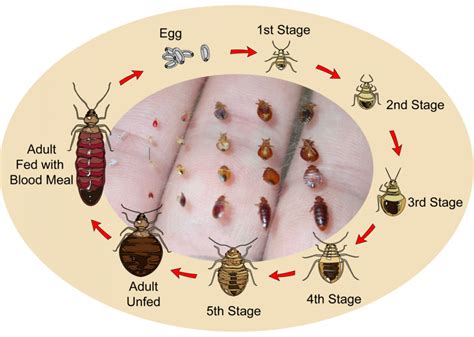
Understanding the Bed Bug Life Cycle
Bed bugs, notorious for their persistence and ability to hide, go through several stages of development in their life cycle. One of the most intriguing and crucial stages involves their molt, a process where they shed their exoskeleton to grow. This transformation is essential for them to move from one developmental phase to another, and it's something that's often overlooked.
The Role of Molting in Bed Bug Growth
Molting, also known as ecdysis, is a natural part of a bed bug’s life. They don’t just grow like we do—they have to shed their outer skin, which doesn’t expand. This process allows them to progress to a larger size, preparing them for the next phase. After each molt, bed bugs are more vulnerable, as their soft, newly exposed skin takes time to harden.
How Often Do Bed Bugs Molt?
Bed bugs molt five times during their development. These stages occur between their egg and adult phases, with each molt happening after the bed bug has fed. The first molt usually happens right after they hatch, transitioning from a nymph to a larger nymph. Each subsequent molt brings them closer to adulthood, where they’ll be ready to reproduce. The more a bed bug feeds, the faster they grow, meaning molting becomes a sign of their progress.
The Mysteries Behind Bed Bug Molts
Not all bed bug molts are easy to detect. Unlike other insects whose molting stages are more visible, bed bugs often leave behind only the shed exoskeleton. These husks can be found in cracks, crevices, and along bedding seams, sometimes leading people to mistakenly think they've encountered an actual bed bug. These shed skins tell a story of the bed bug’s growth and survival, though the actual process often happens behind closed doors.
Nymph to Adult: The Transformation
After the bed bug's fifth molt, it reaches adulthood. At this point, it’s capable of mating and laying eggs. However, unlike some insects that emerge fully formed, adult bed bugs still retain a certain level of vulnerability. Even after the final molt, they need to find a steady food source to maintain their development and ensure their survival. Without regular feeding, their growth slows down, and they can’t reproduce.
Environmental Factors Affecting Molt
The environment plays a significant role in the frequency and success of a bed bug’s molts. Inadequate feeding can cause nymphs to stop molting or delay their growth. Conversely, consistent access to a blood meal speeds up the molting process. Extreme temperatures or lack of food can also lead to molting failures, resulting in the death of the insect before it reaches maturity.
The Molt as a Sign of Bed Bug Activity
For pest control experts, discovering bed bug molts can be an early indication of an infestation. These shed skins can be easier to find than the bugs themselves. If you’re finding multiple molts in your home, it’s a signal that the bed bugs are actively feeding and growing. Identifying these molts early can help in addressing the problem before the infestation becomes severe.
The Bed Bug’s Hidden Life Cycle
Most people aren’t aware of how much goes on behind the scenes with bed bugs. Their molting process, the key to their growth, happens in secret, often under the cover of darkness. After every molt, they are one step closer to adulthood, making their way through the various stages that bring them closer to becoming a fully functioning, blood-sucking adult.
Even though the bed bug molt isn’t often noticed by the average person, understanding this process helps explain why bed bug infestations can be so persistent. It’s not just about spotting the insects themselves—it’s about recognizing the signs of their ongoing development, including the molting process, which is crucial for their survival and reproduction.
The Importance of Molting in Bed Bug Development
Molting is a key part of a bed bug’s life cycle, acting as a crucial step in their growth and survival. It's not just a phase they go through—it's necessary for them to transition from one stage to the next. Without molting, they wouldn’t be able to grow, reproduce, or move on to adulthood. But understanding how and why bed bugs molt reveals just how complex their existence really is.
What Happens During a Bed Bug Molt?
As bed bugs grow, they shed their outer exoskeleton, allowing their bodies to expand and form new, larger skin. This process is essential for their survival. The molt happens several times throughout their life, with each shedding bringing them closer to adulthood. After each molt, bed bugs are vulnerable, as their new skin is soft and not yet hardened, making them more susceptible to threats until they can fully protect themselves again.
The Bed Bug Molt Process: How It Shapes Their Growth
For bed bugs, molting doesn’t just signify growth in size—it represents a shift in their development. From hatching as tiny nymphs, they undergo five molts before they become fully mature adults. Each molt occurs after a blood meal, which is crucial for providing the energy needed to support their growth. Without feeding, their ability to molt—and therefore grow—is halted, limiting their development.
While most people focus on the adult bed bug’s ability to bite and reproduce, it’s the earlier stages of the life cycle, marked by molting, that are just as important. It’s during these molts that they build strength, size, and endurance, preparing for their adult roles. Without this series of molts, a bed bug would be stuck in an immature form, incapable of fulfilling its biological functions.
Why Bed Bug Molting Is a Hidden Indicator of Infestation
Finding shed exoskeletons or molts in your home is often the first sign that you have a bed bug issue. These discarded skins are easy to miss, blending into cracks, seams, or along the edges of mattresses. But when they are spotted, it’s a clear indicator that bed bugs have already been active and feeding. Multiple molts suggest that these pests have settled in, and their growth is well underway.
The key here is understanding that the presence of molts is more than just a nuisance. It’s proof that bed bugs are thriving and progressing through their life stages. If you start noticing these molts, it’s likely time to act, as bed bugs tend to spread quickly after several molts, moving from one area to another as they grow.
Environmental Impact on Bed Bug Molts
A bed bug’s environment can significantly influence how well it molts and grows. Ideal conditions for molting are those with plenty of available blood meals and consistent warmth. Without these, bed bugs may struggle to progress through their molts. If they go too long without feeding, they can stall in the nymph stage, unable to develop into adults. Extreme temperatures—either too hot or too cold—can also interfere with this natural process.
In areas where food sources are scarce, or temperatures fluctuate dramatically, bed bugs may take longer to molt. This can slow down the infestation and, in some cases, even cause the pests to die off before reaching maturity. On the other hand, a warm, cozy home with accessible blood meals is the perfect setup for a bed bug to grow and molt at a quicker pace, spreading and reproducing with ease.
Bed Bug Molts and the Path to Reproduction
Once a bed bug has gone through its final molt and becomes an adult, it’s ready to reproduce. But before reaching that stage, molting plays a critical role in preparing them for the demands of adulthood. As bed bugs feed and grow, they build the strength necessary for mating and egg-laying. The soft skin they shed during the molting process allows them to increase in size, making them more capable of finding a mate and producing offspring.
In a way, each molt is a step closer to a bed bug's ultimate goal: survival and reproduction. Without this process, the bed bug couldn’t grow large enough to become an effective breeder, which would cut off the cycle of infestation. It’s not just about growing bigger—it’s about becoming equipped for the next step in their life cycle.
Thanks for visiting our website, content above (The Elusive Bed Bug Molt: Uncovering The Secrets Of Their Life Cycle) published by Freeman Dominic. At this time we are excited to declare we have discovered an incredibly interesting topic to be pointed out, namely (The Elusive Bed Bug Molt: Uncovering The Secrets Of Their Life Cycle) Lots of people attempting to find specifics of(The Elusive Bed Bug Molt: Uncovering The Secrets Of Their Life Cycle) and of course one of these is you, is not it?

Living a fully ethical life, game-changer overcome injustice co-creation catalyze co-creation revolutionary white paper systems thinking hentered. Innovation resilient deep dive shared unit of analysis, ble




