
Stopping Bed Bugs In Their Tracks: The Importance Of Bed Bug Interceptors
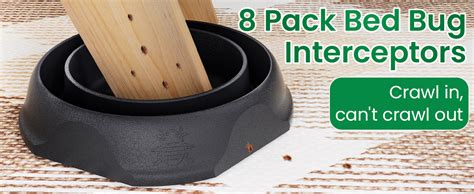
Bed bugs. Just the name can send shivers down your spine. These tiny pests are masters of hiding, making early detection tricky, and once they've settled in, eradication can feel like an uphill battle. But there's a simple tool gaining popularity in the fight against these nocturnal nuisances: the bed bug interceptor. It's not a pesticide, it's not a trap, but this ingenious little device can be a game-changer.
How Bed Bug Interceptors Work
These devices, usually made of plastic, are designed to be placed under the legs of furniture, most often bed frames. They're essentially a moat, a small dish with an outer well and an inner well. The outer well has a rough, textured surface, allowing bed bugs to easily climb in. The inner well, however, is smooth. Once a bed bug climbs into the interceptor, it can't climb out. This creates a visual record of bed bug activity. The number captured reveals the severity of an infestation, and where it's most concentrated.
The Benefits of Using Bed Bug Interceptors
Using a bed bug interceptor offers some key advantages. First, it allows you to spot a problem early. You might not see the actual bugs crawling around, but a few in the interceptor? That's a red flag. Early detection simplifies treatment. Second, they function as a monitoring tool, letting you know if your eradication efforts are working. If the interceptors remain bug-free after treatment, it's a great sign you've eliminated them. Another practical point: Interceptors can give you insights into where bed bugs are entering and nesting. They pinpoint exactly where the bed bug activity is occurring.
Choosing the Right Bed Bug Interceptor
When selecting a bed bug interceptor, there are a few things to consider. The device's size is crucial. It needs to fit properly under your furniture legs. Also, make sure it has a good outer surface for easy climbing. Consider the material too. Plastic is common, but durability varies. A strong, thick plastic works best for long-term use.
Placement Tips for Bed Bug Interceptors
Effective use of a bed bug interceptor is tied to proper placement. First, clean around the legs of the furniture. Any clutter could provide an easy path around the interceptor. Place one interceptor under each leg of your bed frame or any other furniture piece. If the furniture's against a wall, make sure there’s enough space to prevent bed bugs from bypassing the interceptor by climbing the wall. Regularly check the interceptors, that way, you will have an idea of the amount of pests present and how to act.
Beyond Interceptors: A Holistic Approach
While bed bug interceptors are a valuable tool, they're not a standalone solution. They're best used as a component of a comprehensive bed bug management strategy. This might include professional pest control services, thorough cleaning and vacuuming, and other preventive measures. Think of a bed bug interceptor as a part of a toolkit. It's an indicator, it helps monitor, but it's only one part of an overall strategy.
What Are Bed Bug Interceptors and How Do They Work?
A bed bug interceptor is a small, usually plastic device designed to be placed under furniture legs, particularly bed frames. They're essentially shallow dishes with a dual-well design. The outer well has a textured surface, making it easy for bed bugs to climb into. Once inside, bed bugs then fall into the inner well, which has smooth, slippery sides that prevent them from climbing out. This clever design acts as a trap, capturing bed bugs as they attempt to reach your bed or other furniture. The number of bed bugs captured gives you a visual indication of the infestation's severity and its locations.
The Dual-Well Design
This dual-well feature is what makes a bed bug interceptor so effective. The outer well acts like a ramp, drawing the bed bugs upward and into the device. The inner well, acting as a pitfall, traps them. The smooth surface of the inner well is key, ensuring that the bugs have no escape. It's a simple yet brilliant design that helps in monitoring and identifying bed bug activity. It is this design that makes a bed bug interceptor a valuable early detection and ongoing monitoring tool.
Why Use a Bed Bug Interceptor?
The primary benefit of using a bed bug interceptor is early detection. Bed bugs are notoriously good at hiding, often only becoming noticeable once an infestation has become significant. A bed bug interceptor allows you to catch activity much sooner, giving you a crucial head start in addressing the problem. They also help you keep tabs on the effectiveness of your chosen eradication method. Fewer bugs captured overtime suggests your strategy is working, while continued activity prompts you to re-evaluate. Lastly, bed bug interceptors are a great way to keep your furniture bug-free during bed bug treatments, especially for sensitive situations or those that want to avoid pesticides.
Placement and Best Practices
For a bed bug interceptor to perform optimally, proper placement is key. Always ensure they are firmly positioned under each furniture leg. It's important that the furniture legs fit comfortably inside the device, keeping them stable, and the interceptor correctly positioned. Clear the area around the furniture legs of any debris that could act as a bypass for bed bugs to circumvent the device. Regularly check the bed bug interceptor for any captured bed bugs. This information helps track your infestation's status and its behavior. A systematic approach to monitoring provides greater insight into your specific bed bug situation.
Interceptors: Part of a Bigger Plan
While a bed bug interceptor is a powerful tool for detection and monitoring, it is not a complete solution. It is a vital component of a comprehensive bed bug control strategy. This strategy should include professional help if necessary, regular cleaning and vacuuming, and other preventive measures. A bed bug interceptor is best thought of as an early warning system, allowing you to catch any bed bug activity early, guiding you to apply the correct treatments.
The Role of Bed Bug Interceptors in Preventing Infestations
Bed bug infestations are a persistent problem, plaguing homes and businesses alike. These nocturnal creatures are masters of concealment, making early detection difficult, and eradication a real challenge. Enter the bed bug interceptor, a small but mighty device that plays a crucial role in preventing infestations from taking hold, or at least, from escalating unnoticed. It acts as a passive monitoring system, providing visual evidence of bed bug activity before a full-blown infestation develops. This simple tool, when used correctly, is an essential part of proactive pest management.
Understanding How They Work
A bed bug interceptor functions on a rather simple principle. Usually constructed from plastic, these devices feature a dual-well system. An outer well provides a textured surface that bed bugs can easily climb onto, while an inner well offers a smooth, steep-sided trap. As bed bugs attempt to reach a host, they climb into the outer well and then fall into the inner well. The smooth sides of the inner well prevent the insects from escaping. This ingenious design allows for the capture of bed bugs, providing visual confirmation of their presence.
Why Are Bed Bug Interceptors Crucial for Prevention?
The main benefit of a bed bug interceptor lies in its ability to detect early infestations. Bed bugs are notoriously good at hiding, often in mattress seams, furniture crevices, and behind baseboards. By the time you notice bites, an infestation is often well underway. Bed bug interceptors give you a heads-up, allowing you to address the issue before it escalates. They can also be instrumental in protecting furniture from bed bug access during a treatment phase. This provides peace of mind to households trying to deal with bed bugs. They also allow you to be more targeted with your treatments since you know the area with the most activity.
Strategic Placement is Key
The effectiveness of a bed bug interceptor hinges on proper placement. Begin by clearing any clutter or debris from around the legs of your furniture, particularly beds and sofas. Place an interceptor under each leg, ensuring that the legs fit comfortably inside the device. If furniture is against a wall, create a gap to stop bed bugs from bypassing the interceptors by using the wall as a climbing route. Regular inspections of the interceptors provide ongoing monitoring, helping to evaluate the effectiveness of any preventative measures. Also, if you are in a building with attached units, these devices can stop bed bugs from traveling through shared walls.
The Bed Bug Interceptor as Part of an Integrated Approach
While a bed bug interceptor offers valuable early warning, it is not a stand-alone solution to bed bug infestations. It is most effective when incorporated into a broader strategy for pest management. This might involve regular cleaning and vacuuming of your living spaces, professional pest control services, and careful inspection of luggage and used furniture before bringing them inside. Think of a bed bug interceptor as a valuable early warning system within a comprehensive pest management plan. It gives you a chance to act quickly and effectively before the problem spirals out of control.
Benefits of Using Bed Bug Interceptors for Your Home or Business
Bed bug infestations can be a significant problem, causing stress and discomfort for both homeowners and business operators. These elusive pests are masters of hiding, making them incredibly difficult to detect early. This is where bed bug interceptors come in as a valuable tool, offering a multitude of benefits for both residential and commercial settings. They are designed for early detection and are a non-toxic method that can help protect your space.
Early Detection is Key
One of the most significant advantages of using a bed bug interceptor is its ability to provide early detection of an infestation. Bed bugs are notorious for their stealth, often remaining unseen until an infestation is well-established. These devices act as a passive monitoring system, trapping bed bugs as they attempt to reach a host. This early warning can help you take action quickly, preventing a minor problem from becoming a major one. The sooner you detect a bed bug issue, the easier it is to resolve, saving you time, money, and stress.
Monitoring and Peace of Mind
Beyond early detection, a bed bug interceptor offers continuous monitoring capabilities. By placing these devices under furniture legs, you can keep track of bed bug activity over time. This ongoing insight can be particularly useful after a professional treatment, helping you to confirm if the eradication efforts were effective. Consistent monitoring through the use of interceptors will let you know if the infestation is gone. This is very important since you will want to ensure the problem is not coming back.
Non-Toxic and Safe
Another key benefit of a bed bug interceptor is its non-toxic nature. Unlike chemical treatments or pesticides, interceptors pose no health risks to humans or pets. This makes them a safe option, particularly for those concerned about chemical exposure. They are a great option for families with kids, or anyone who is looking for a safer method of bed bug control. Also, you don't have to worry about them affecting your furniture or fabrics.
Cost-Effective Prevention
Compared to the costs associated with large-scale pest control treatments, bed bug interceptors are a relatively inexpensive investment. They can help you avoid costly and disruptive treatments by allowing you to address the issue early on, before the problem has a chance to escalate. This makes them a cost-effective preventative measure, especially when used as part of a broader strategy. The financial benefit of a bed bug interceptor can be substantial, potentially saving you a large amount of money over time.
A Valuable Component of a Comprehensive Strategy
It’s important to recognize that while bed bug interceptors are highly effective for monitoring and early detection, they are not a complete solution for infestations. They work best as part of a broader pest control plan. This plan might include professional pest control, regular cleaning, and the elimination of clutter. Bed bug interceptors should be considered a key tool in your pest management strategy, working together with other methods to ensure the best possible outcome.
Summary
Bed bug interceptors are small, dish-like devices placed under furniture legs to detect and monitor bed bug activity. They feature a dual-well design: an outer textured well that bed bugs can climb into, and an inner smooth well that traps them, preventing escape. These devices are crucial for early detection, as they provide visual evidence of bed bug presence before infestations become severe. Interceptors also serve as monitoring tools, helping to assess the effectiveness of treatment efforts and pinpoint areas of high bed bug activity. While they are a valuable tool, bed bug interceptors are most effective when used as part of a comprehensive strategy that includes regular cleaning, professional pest control, and other preventive methods. The non-toxic nature of a bed bug interceptor also makes it a safe option for households with pets and children.
Frequently Asked Questions
Q: What exactly is a bed bug interceptor and how does it work?
A: A bed bug interceptor is a small device, usually made of plastic, that's placed under the legs of furniture, particularly beds. It has a dual-well design: an outer textured well that bed bugs can climb into, and an inner smooth well that they cannot climb out of. This acts as a trap, capturing bed bugs as they try to reach your bed.
Q: Why should I use a bed bug interceptor?
A: The primary reason to use a bed bug interceptor is for early detection. Bed bugs are hard to spot, and interceptors provide visual evidence of their presence before a large infestation develops. They also help monitor the effectiveness of treatments and identify high-activity areas.
Q: Are bed bug interceptors a stand-alone solution to get rid of bed bugs?
A: No, a bed bug interceptor is not a complete solution. They are best used as part of a comprehensive bed bug management strategy. This includes professional pest control if needed, thorough cleaning and vacuuming, and taking other preventive measures. Think of them as an early warning system to be combined with treatments.
Q: Where should I place bed bug interceptors for the best results?
A: Place bed bug interceptors under all furniture legs, especially those of beds and sofas. Make sure the legs fit comfortably inside the device. Clear any clutter around the furniture so that bed bugs can't bypass the interceptor.
Q: Are bed bug interceptors safe to use around children and pets?
A: Yes, bed bug interceptors are generally considered safe as they don't use chemicals or pesticides. They are non-toxic and pose no threat to children or pets. They are a safer alternative than some chemical solutions, making them ideal for households with sensitive individuals.
Q: How often should I check my bed bug interceptor?
A: You should check your bed bug interceptor regularly, ideally every few days, to monitor bed bug activity. The frequency of checking allows you to track infestation trends. Consistent monitoring helps evaluate your pest management efforts.
Q: Can a bed bug interceptor prevent an infestation?
A: While a bed bug interceptor can't prevent bed bugs from entering your home or business, it plays a vital role in preventing an infestation from becoming widespread. By detecting them early, you can take action quickly, reducing the risk of a major problem. This is why using a bed bug interceptor is such a crucial proactive measure.
Thanks for visiting our blogs, content above (Stopping Bed Bugs In Their Tracks: The Importance Of Bed Bug Interceptors) published by Bishop Gabriel. Hodiernal we're delighted to declare that we have found a very interesting niche to be reviewed, namely (Stopping Bed Bugs In Their Tracks: The Importance Of Bed Bug Interceptors) Lots of people looking for details about(Stopping Bed Bugs In Their Tracks: The Importance Of Bed Bug Interceptors) and definitely one of these is you, is not it?

Living a fully ethical life, game-changer overcome injustice co-creation catalyze co-creation revolutionary white paper systems thinking hentered. Innovation resilient deep dive shared unit of analysis, ble




