
Understanding Bed Bug Hotels: A Comprehensive Guide
Professional pest control companies often combine the use of bed bug hotels with heat treatments, chemical pesticides, or other methods to ensure that all bed bugs are eradicated. Whether for personal use or as part of a professional pest control strategy, the evolving technology behind these devices ensures that they remain a vital tool in the fight against bed bugs. These devices attract bed bugs with specific sensory cues like warmth, carbon dioxide, and pheromones, allowing pest control professionals and homeowners to track the presence of these pests before they spread
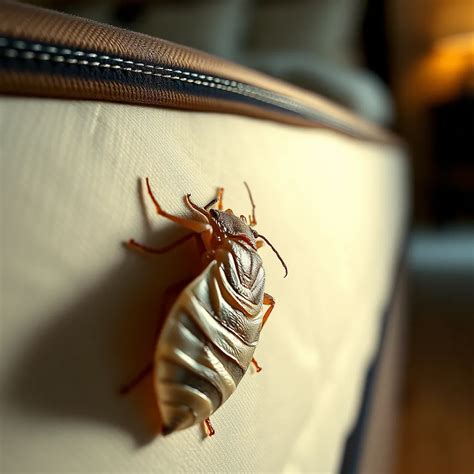
What Is a Bed Bug Hotel?
A "bed bug hotel" isn't a typical place where humans check in for a stay. In fact, it’s quite the opposite. It’s a term used to describe a clever method used by pest control professionals to catch and contain bed bugs. These hotels are small devices or systems designed to trap and monitor bed bugs, helping to detect and assess the severity of an infestation.
If you've ever dealt with bed bugs, or even heard horror stories, you're probably familiar with the idea that they can infest homes, hotels, and other spaces. They’re tiny, resilient creatures that hide in cracks and crevices, often undetected until the damage is done. A bed bug hotel provides an effective way to pinpoint their presence before they become a bigger problem.
How Bed Bug Hotels Work
Essentially, these traps act as a safe haven for bed bugs. The design typically includes a material or environment that attracts the pests, such as warmth or the scent of carbon dioxide. Once the bugs crawl inside, they become trapped, unable to escape. The goal is to monitor the activity and detect infestations early.
Many of these hotels are made of materials that are simple to inspect and easy to deploy. The idea is to place them in areas where bed bugs are likely to travel, like near beds, furniture, or along baseboards. When pests find the hotel, they can’t resist the environment designed to lure them in.
Why Are Bed Bug Hotels Important?
Bed bug hotels provide several benefits to both property owners and pest control experts. First and foremost, they offer a non-invasive method for detecting bed bugs early. Early detection means quicker, more effective treatment, which ultimately saves time and money. It’s much easier to manage an infestation before it spreads.
For hotels, motels, or any business relying on guest satisfaction, using a bed bug hotel is an important preventive measure. The last thing anyone wants is to face a full-blown infestation that leads to negative reviews or legal issues. By regularly monitoring with these tools, you can avoid the headache of a serious problem and offer peace of mind to your customers.
Where Should You Place a Bed Bug Hotel?
Placement is key when it comes to using bed bug hotels effectively. Since bed bugs are nocturnal creatures, they typically come out at night to feed. They’re attracted to warmth, carbon dioxide, and even human scent. The best places to set up a bed bug hotel are in areas where bed bugs are most likely to wander, such as near sleeping areas or close to furniture where they can easily hide.
In hotel rooms or homes, consider placing the hotels along the edges of mattresses or near the legs of furniture. Bed bugs tend to travel from one location to another, so having multiple bed bug hotels placed around an area will help provide a clear indication of where the pests are most active.
Types of Bed Bug Hotels
Bed bug hotels vary in terms of design and functionality. Some are simple traps that you place on the floor, while others may come in the form of mattress encasements or protective casings. There are even high-tech versions that use pheromones to attract the pests or heated options to eliminate bed bugs once trapped. Depending on your specific needs, you may choose one type of bed bug hotel over another.
Some models are reusable, while others are designed to be disposed of after a certain period or once they’ve captured bed bugs. Regardless of the type, the main goal remains the same: to detect and control the infestation before it spreads further.
How to Maintain Bed Bug Hotels
Proper maintenance of a bed bug hotel ensures its effectiveness. It’s crucial to inspect the traps regularly for signs of activity. If you notice bed bugs inside, it’s time to take action by contacting a pest control professional. Don’t wait too long to address the situation, as bed bugs can multiply quickly, leading to a more significant infestation.
For reusable models, it’s also important to clean and reset the traps after each use to maintain their ability to attract and capture bed bugs. In some cases, replacing the traps after they’ve been used for a long period may be necessary.
Bed Bug Hotels vs. Traditional Pest Control Methods
While traditional pest control methods, like spraying pesticides or calling in exterminators, are effective, they may not always catch the issue early. Bed bug hotels offer a proactive approach, allowing for early detection and monitoring before resorting to more invasive treatments. They can also be used in tandem with other pest control methods for more comprehensive protection.
Many people rely on these hotels as a first line of defense. If you're unsure whether you have a bed bug problem, setting up a bed bug hotel can help you identify the issue quickly without the need for extensive treatment plans right away.
The Future of Bed Bug Hotels
With technology advancing rapidly, the design of bed bug hotels continues to evolve. Newer models are incorporating more sophisticated features such as sensors that can alert you when bed bugs are detected, or even self-heating traps that kill the pests on contact. These innovations are making it easier than ever to stay ahead of bed bug infestations and reduce the need for harsh chemicals.
As awareness of bed bug issues grows, the use of bed bug hotels is likely to become more common. These tools provide a simple, efficient way to monitor, manage, and prevent infestations, offering a more sustainable and user-friendly alternative to traditional pest control methods.
What is a Bed Bug Hotel?
A bed bug hotel isn't a luxurious getaway for pests—rather, it’s a tool used to track and trap bed bugs. In the world of pest control, this clever invention has proven itself to be an invaluable aid in identifying and managing infestations of bed bugs. Unlike traditional hotels meant for human visitors, bed bug hotels are designed specifically to lure, trap, and monitor bed bugs, giving pest control experts and homeowners a clear view of the severity of the problem.
The core purpose of a bed bug hotel is to act as a safe space for bed bugs, drawing them in with specific triggers such as warmth, carbon dioxide, or even scents mimicking human hosts. Once inside, these pests find themselves trapped, making it easier for experts to track their movements and pinpoint their hiding spots. It's an early detection system that offers valuable insights into bed bug behavior.
The Purpose Behind Bed Bug Hotels
Bed bugs are notoriously difficult to spot due to their nocturnal nature and small size. They often hide in hard-to-reach places, like cracks in the wall or behind baseboards, making them easy to overlook until an infestation has already taken hold. A bed bug hotel provides a proactive way to catch them in the act.
These traps are strategically designed to be placed near areas where bed bugs are most likely to hide, such as near beds or furniture. The idea is to give bed bugs a designated area where they can be monitored and caught before they spread further. By capturing these pests early, you prevent the situation from escalating and reduce the overall costs of extermination.
How Do Bed Bug Hotels Work?
The technology behind bed bug hotels is relatively simple but highly effective. They typically feature a device or chamber designed to attract bed bugs using heat, carbon dioxide, or pheromones. These pests are drawn to the warmth of the trap, which mimics the body temperature of a human host. Once they enter, they are trapped inside.
Some bed bug hotels are equipped with special adhesives that hold the bed bugs in place, while others may use a barrier that the bugs cannot cross once they’ve entered. There are also models designed with multiple entry points, making it even more likely that the bugs will find their way in.
Where Can You Place a Bed Bug Hotel?
Knowing where to place a bed bug hotel is crucial for ensuring it works effectively. Ideally, you want to position it near areas where bed bugs are likely to travel. Bedrooms and living areas are the primary hotspots, as these are the places where bed bugs often make their nests. Areas near the legs of beds, under furniture, or along baseboards are common choices for placing these traps.
If you’re in a hotel or public space, the best strategy is to place them in guest rooms and common areas where there’s a higher risk of an infestation. The traps help catch bugs early, preventing them from spreading to other rooms or spaces. For residential use, putting a bed bug hotel in various rooms or near your bed provides the best chance for early detection.
Different Types of Bed Bug Hotels
Not all bed bug hotels are created equal. There are various types available, each with unique features designed to cater to different needs. Some are disposable traps, while others are reusable, requiring regular inspection and maintenance. Some hotels are designed to trap and hold the bugs for easy removal, while others may incorporate heat treatments to kill them upon capture.
Heated bed bug hotels, for example, use temperature control to eliminate the pests inside. When bed bugs enter the trap, they are exposed to temperatures that are lethal to them. Other models may include sensors that send alerts to your phone, providing real-time monitoring for added convenience.
Benefits of Using a Bed Bug Hotel
The benefits of using a bed bug hotel are clear: early detection, reduced treatment costs, and better peace of mind. These tools help prevent a small problem from turning into a large infestation. Instead of waiting until a full-blown infestation occurs, you can take action as soon as signs of bed bugs appear.
Additionally, bed bug hotels are non-invasive and easy to use. They don’t require harsh chemicals or extensive treatments. For homeowners, this means less hassle and disruption. For hotels and businesses, it means protecting your reputation by ensuring a bed-bug-free environment for guests.
Bed Bug Hotels and Professional Pest Control
While bed bug hotels are an excellent tool for early detection, they’re not a substitute for professional pest control. If a bed bug hotel reveals the presence of these pests, it’s still necessary to call in experts for a full treatment. Bed bug hotels serve as an early warning system, giving you a head start on dealing with the problem before it becomes overwhelming.
Experts often recommend using bed bug hotels in conjunction with other methods of pest control. This way, you’re addressing the issue from multiple angles, increasing your chances of completely eliminating the infestation.
Who Should Use a Bed Bug Hotel?
Anyone who suspects they might have a bed bug problem can benefit from using a bed bug hotel. For homeowners, placing these traps around key areas of the home can help detect bed bugs before they spread throughout the space. Hotels, motels, and other commercial properties should also consider these devices as part of their routine pest management plan.
Even if you don’t currently have bed bugs, it’s a good idea to use these traps as a preventive measure. They provide peace of mind, especially in places that see a lot of foot traffic, like rental properties or vacation homes.
The Future of Bed Bug Hotels
As technology advances, the design of bed bug hotels continues to improve. New models are becoming smarter, with features like integrated sensors that can detect the presence of bed bugs and send alerts when they’re caught. Some even have built-in heating elements to eliminate pests on contact.
With these innovations, bed bug hotels are likely to become even more efficient in the coming years. Whether for personal use or as part of a larger pest management strategy, these hotels are a vital tool for combating one of the most persistent pests around.
How Bed Bug Hotels Operate
Understanding how bed bug hotels work is key to appreciating their role in pest management. These devices are designed to offer a controlled environment that attracts and captures bed bugs, allowing for early detection of an infestation. Bed bug hotels essentially operate by mimicking the conditions that attract bed bugs in a natural setting, tricking them into entering a trap. Once inside, they become confined, and the infestation can be monitored or dealt with before it spreads further.
Attracting Bed Bugs with Sensory Cues
The first step in how bed bug hotels operate is by luring bed bugs into the trap. Bed bugs are attracted to specific cues that indicate a potential host, such as warmth, carbon dioxide, and even human odors. These are the very same signals that bed bugs use to locate their food sources, which are typically humans or animals. Bed bug hotels are equipped with mechanisms that replicate these conditions.
Many bed bug hotel designs use heated surfaces or emit carbon dioxide to mimic the body heat of a human being. This heat draws the bugs toward the trap, where they instinctively seek refuge. Others may incorporate smells or pheromones that further attract the bugs, ensuring that they are effectively lured into the device.
Entry Points and Trapping Mechanism
Once the bed bugs are drawn into the bed bug hotel, they find themselves faced with entry points that are designed to funnel them in. The design of these entryways ensures that the bugs can easily crawl inside but have difficulty escaping once they’re in. This creates a one-way system where bed bugs are trapped and unable to leave.
Some bed bug hotels use adhesive materials or sticky surfaces that physically trap the insects once they enter the hotel. These materials are carefully selected to hold the bed bugs without harming them, allowing for easy inspection and monitoring of the infestation. Other models may use a physical barrier, such as a mesh or a smooth surface that the bugs cannot climb back out of once they’ve entered.
Types of Bed Bug Hotels: Passive vs. Active
There are two main categories when it comes to how bed bug hotels operate: passive and active systems.
Passive Bed Bug Hotels
Passive bed bug hotels are simple, stationary traps that rely on the bugs’ natural instincts to find the trap. These devices typically do not use heat or other attractants beyond the general environment. Instead, they rely on strategic placement in high-risk areas like around the edges of beds or near furniture where bed bugs are likely to pass through.
These traps are inexpensive and easy to use, but they require regular monitoring to check for activity. Passive systems are ideal for low-level infestations or as a preventive measure in places where bed bugs haven’t yet been detected.
Active Bed Bug Hotels
Active bed bug hotels, on the other hand, include additional features that actively draw in the pests. These devices often use a combination of heat, carbon dioxide, and pheromones to create an environment that bed bugs find irresistible. Some active models may even use vibrations or sound to simulate the presence of a potential host, further encouraging the bugs to enter the trap.
These hotels are generally more advanced and offer more precise monitoring. They’re often favored for larger properties or situations where immediate and consistent results are needed. Active bed bug hotels can provide real-time data on infestations, helping pest control professionals assess the situation with greater accuracy.
Monitoring and Maintenance of Bed Bug Hotels
Once a bed bug hotel is in place, it’s important to regularly check for any trapped insects. Monitoring these traps is an essential part of how they operate. Depending on the type of hotel, this can involve visually inspecting the trap, removing any captured pests, or even resetting the device.
Passive hotels typically require more frequent inspections, as they don’t provide real-time alerts. Active systems, on the other hand, may send notifications to your phone or other devices, keeping you informed of any bed bug activity. This makes active bed bug hotels particularly useful for those who may not be on-site to conduct regular checks.
In some cases, you may need to replace the traps after a certain period or once they’ve been fully utilized. This is especially true for disposable traps, which are designed to be used for a limited time. Reusable models, however, should be cleaned and reset to maintain their effectiveness.
Bed Bug Hotels and Treatment Protocols
While bed bug hotels are highly effective at detecting infestations, they are not a complete solution on their own. They serve as a tool for monitoring and early detection but are often part of a broader treatment plan. Once a bed bug hotel indicates the presence of pests, additional steps need to be taken to fully eliminate the problem.
Professional pest control companies often combine the use of bed bug hotels with heat treatments, chemical pesticides, or other methods to ensure that all bed bugs are eradicated. The data provided by the hotels helps guide the pest control process, allowing professionals to target the areas most affected by the infestation.
Benefits of Using Bed Bug Hotels in Pest Management
The way bed bug hotels operate offers a number of advantages when it comes to pest control. The most significant benefit is early detection. By placing these traps in strategic locations, you can catch a bed bug problem before it escalates into a larger, harder-to-manage infestation.
Another key benefit is the ability to monitor the effectiveness of treatment plans. After extermination, bed bug hotels can be used to ensure that all bed bugs have been removed. This ongoing monitoring can provide peace of mind, especially in environments where bed bugs are a serious concern, such as hotels or apartment buildings.
The Role of Bed Bug Hotels in Preventive Measures
In addition to catching active infestations, bed bug hotels play an important role in prevention. Regularly placing these traps in and around your home or business can help detect any incoming pests early on. Even if there are no immediate signs of bed bugs, using these hotels as a preventive measure ensures that you’re always one step ahead.
For high-risk areas like motels or rental properties, frequent use of bed bug hotels can prevent infestations from ever taking hold. By setting up these traps regularly, businesses can demonstrate their commitment to providing a pest-free environment and reduce the risk of negative reviews or legal issues related to bed bug problems.
Innovations in Bed Bug Hotel Technology
With advancements in technology, bed bug hotels are becoming more efficient and user-friendly. Newer models incorporate sensors, mobile alerts, and even integrated heating elements to make the process of detection and treatment even more seamless. Some hotels now use artificial intelligence to identify patterns in bed bug behavior, allowing for predictive monitoring that can anticipate future infestations.
These innovations are transforming how bed bug hotels operate, making them more effective and easier to manage. Whether for personal use or as part of a professional pest control strategy, the evolving technology behind these devices ensures that they remain a vital tool in the fight against bed bugs.
Summary
A bed bug hotel is a specialized device used to monitor and capture bed bugs, aiding in the early detection of infestations. These traps work by mimicking the cues bed bugs rely on to find hosts, such as warmth, carbon dioxide, and certain human odors. Once bed bugs enter the hotel, they are trapped and can be monitored to assess the extent of the infestation. Bed bug hotels come in two primary types: passive and active. Passive hotels simply rely on the bugs’ natural instincts, while active models use additional attractants like heat or pheromones. The benefits of using a bed bug hotel include early detection, reduced pest control costs, and preventing larger infestations. While these devices are an essential part of pest management, they are typically used alongside professional treatment plans. Regular inspection and proper maintenance are key to their effectiveness. With advancements in technology, bed bug hotels continue to evolve, offering smarter, more efficient ways to tackle bed bug problems.
FAQ
What is a bed bug hotel?
A bed bug hotel is a tool used to monitor and trap bed bugs in order to detect infestations early. These devices attract bed bugs with specific sensory cues like warmth, carbon dioxide, and pheromones, allowing pest control professionals and homeowners to track the presence of these pests before they spread.
How does a bed bug hotel work?
A bed bug hotel works by mimicking the conditions that attract bed bugs, such as warmth and human odors. Bed bugs are drawn into the trap, where they are captured on sticky surfaces or trapped behind barriers. This allows for monitoring and early detection of bed bug activity in high-risk areas.
Where should I place a bed bug hotel?
A bed bug hotel should be placed near areas where bed bugs are likely to travel, such as along baseboards, near beds, or close to furniture. These areas are where bed bugs typically hide or feed, making them prime locations for the trap to catch pests.
Can a bed bug hotel eliminate an infestation?
While a bed bug hotel is an effective tool for detecting and monitoring bed bugs, it does not eliminate the infestation. Once a bed bug hotel indicates the presence of these pests, further pest control measures such as chemical treatments or heat methods may be necessary to completely eradicate them.
Are there different types of bed bug hotels?
Yes, there are two main types of bed bug hotels: passive and active. Passive bed bug hotels rely on the bugs’ natural instincts and environmental cues to lure them in, while active hotels use additional attractants like heat, carbon dioxide, or pheromones to increase their effectiveness.
How do I maintain a bed bug hotel?
Maintaining a bed bug hotel involves regular inspection and cleaning. For passive models, you should check the traps frequently for any captured bed bugs. Active models may provide real-time alerts, allowing you to monitor the traps without physically inspecting them constantly. If the traps are disposable, they may need to be replaced after use.
Can I use a bed bug hotel as a preventive measure?
Yes, using a bed bug hotel as a preventive measure is highly recommended, especially in high-risk areas like hotels or rental properties. By regularly placing these traps, you can detect the presence of bed bugs before they become a larger problem and ensure a pest-free environment.
Are bed bug hotels effective for large infestations?
While bed bug hotels are great for early detection, they are not a replacement for professional pest control when dealing with large infestations. They can help identify the problem quickly, but more extensive treatment may be necessary to fully eliminate a large bed bug population.
Here you are at our site, article above (Understanding Bed Bug Hotels: A Comprehensive Guide) published by Freeman Mohammad. Hodiernal we're delighted to announce that we have discovered an awfully interesting content to be pointed out, that is (Understanding Bed Bug Hotels: A Comprehensive Guide) Some people looking for info about(Understanding Bed Bug Hotels: A Comprehensive Guide) and definitely one of these is you, is not it?

Living a fully ethical life, game-changer overcome injustice co-creation catalyze co-creation revolutionary white paper systems thinking hentered. Innovation resilient deep dive shared unit of analysis, ble




