
Bed Bug Control: The Silent Solution With Glue Traps
These traps contain a sticky adhesive that attracts and holds the bugs once they come into contact with it. However, itâs important to place the traps in areas where they wonât pose a tripping hazard, especially in homes with children or pets. Place bed bug glue traps in areas where bed bugs are likely to travel, such as along baseboards, near cracks in walls, under furniture, and around the edges of your bed
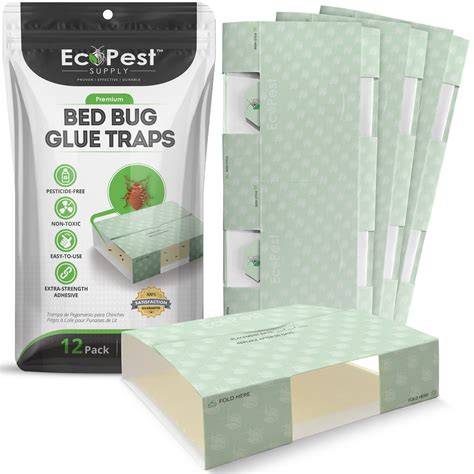
Bed Bug Glue Traps: A Stealthy Approach to Control
Bed bugs are resilient pests that often go unnoticed until an infestation is well underway. They can hide in cracks, crevices, and even behind furniture, making them difficult to spot and harder to eliminate. One of the most effective yet discreet methods for detecting and controlling these pesky invaders is through the use of bed bug glue traps.
What Are Bed Bug Glue Traps?
Bed bug glue traps are simple yet efficient tools designed to capture bed bugs as they move around your home. These traps contain a sticky adhesive that attracts and holds the bugs once they come into contact with it. The traps can be placed along baseboards, under furniture, or near cracks and seams where bed bugs are likely to travel. Since bed bugs are nocturnal and usually come out to feed at night, these traps help identify and monitor their movement, often before an infestation becomes visible.
How Do Bed Bug Glue Traps Work?
The concept behind bed bug glue traps is straightforward. These traps are often treated with attractants or pheromones that entice bed bugs to crawl onto the sticky surface. Once they step on the trap, they become stuck, making it easy to track their activity and pinpoint areas where the infestation might be worse. It’s a low-maintenance, non-toxic option for homeowners who are looking to handle bed bug problems without resorting to harsh chemicals.
Benefits of Using Bed Bug Glue Traps
One of the biggest advantages of bed bug glue traps is their ability to catch pests early. Often, people don’t realize they have a bed bug problem until bites appear or signs of an infestation are visible on furniture. These traps can act as an early warning system, providing crucial information before things escalate.
Unlike chemical treatments, glue traps don’t introduce toxins into the home environment, making them a safer choice for families and pets. They’re also discreet, easy to use, and can be placed in various locations, helping to monitor different parts of a room. This makes it possible to keep track of bed bug activity over time and decide whether further action is necessary.
Using Bed Bug Glue Traps for Effective Monitoring
Placing bed bug glue traps in strategic locations around your home can give you a better understanding of the extent of an infestation. The best places to set traps are near places where you’ve noticed activity, such as along the edges of your bed, in corners, or behind furniture.
For accurate monitoring, leave the traps in place for at least a week. Check them regularly to see if any bed bugs have been caught. If you notice an increase in trapped bugs over time, it’s a sign that the infestation might be more widespread than initially thought.
Can Bed Bug Glue Traps Be Used Alone?
While bed bug glue traps can be a useful tool for monitoring and controlling infestations, they might not be enough on their own to eliminate bed bugs completely. They’re best used as part of a comprehensive approach that includes cleaning, vacuuming, and possibly the use of professional pest control services. In some cases, the traps may help catch bed bugs, but if an infestation is extensive, additional treatment methods may be necessary.
Are Bed Bug Glue Traps Safe to Use?
When used correctly, bed bug glue traps are safe for both humans and pets. They contain no chemicals, so there’s no risk of exposure to harmful toxins. The adhesive used in the traps is designed to be strong enough to hold bed bugs but won’t damage surfaces or furniture. However, it’s important to place the traps in areas where they won’t pose a tripping hazard, especially in homes with children or pets.
By using these traps in combination with other bed bug control methods, you can effectively monitor and manage an infestation. The quiet, non-intrusive nature of bed bug glue traps makes them an ideal first step in combating these pests.
Effective Elimination, Naturally
When it comes to dealing with bed bugs, many people are looking for natural and chemical-free solutions to eliminate the pests. While there are various methods available, choosing the right one can be challenging. Among the most effective, environmentally friendly options are natural elimination techniques that target bed bugs without the use of harsh chemicals. These methods can be equally effective, safe, and sustainable.
Heat Treatment: The Power of Temperature
One of the most effective natural ways to eliminate bed bugs is through heat treatment. Bed bugs are highly sensitive to temperature, and exposing them to high heat can quickly kill them at all stages of life. A temperature of around 120°F (49°C) is lethal to bed bugs, and this method can be achieved through steamers or by using heat chambers specifically designed for this purpose.
You can use a portable steamer to target bed bug hiding spots, such as cracks, seams, and baseboards. The steam will penetrate deep into these areas, killing both the bugs and their eggs. For larger infestations, professionals may use specialized equipment to raise the temperature of a room or structure to an optimal level for eradication.
Diatomaceous Earth: A Silent Killer
Diatomaceous earth (DE) is a natural, non-toxic substance that can be highly effective against bed bugs. Made from the fossilized remains of tiny aquatic organisms called diatoms, DE consists of sharp, microscopic particles that damage the exoskeletons of insects. When bed bugs come into contact with DE, it pierces their bodies and causes them to dehydrate, ultimately leading to death.
To use diatomaceous earth for bed bug control, simply sprinkle it in areas where bed bugs are likely to travel or hide, such as along baseboards, in cracks, or under furniture. It’s important to use food-grade diatomaceous earth, as other types can be harmful to humans and pets. While DE works slowly, it can be highly effective in reducing bed bug populations over time.
Essential Oils: Natural Repellents
Essential oils have gained popularity as natural insect repellents, and they can be a useful tool in the battle against bed bugs. Certain essential oils, such as tea tree oil, lavender, eucalyptus, and peppermint, have properties that can repel or even kill bed bugs. These oils are typically diluted in water and sprayed around affected areas, making them a simple and safe solution for homeowners looking to avoid harsh chemicals.
While essential oils can act as a deterrent, they are generally not as effective for killing bed bugs outright. However, when used in combination with other natural treatments, they can help reduce the infestation and prevent further bugs from entering your space. Essential oils can also leave a pleasant scent in your home, adding a bonus benefit of freshening up your environment.
Natural Traps: A Strategic Approach
In addition to glue traps, there are other natural trapping methods that can be used to eliminate or monitor bed bugs. For example, using CO2 traps can attract bed bugs toward a specific location, where they can be captured or trapped. Carbon dioxide mimics the breathing patterns of humans, making it an effective attractant for bed bugs looking for a blood meal.
These traps are often used in conjunction with other natural methods, allowing homeowners to monitor activity while also eliminating the pests. CO2 traps are a good option if you want to pinpoint areas of heavy infestation without using chemicals. Once trapped, bed bugs can be safely disposed of.
Preventing Future Infestations, Naturally
The key to effective bed bug control is not just eliminating the current infestation but preventing future ones as well. Natural deterrents can help create a bed bug-free environment for the long term. For instance, regular vacuuming, washing bedding in hot water, and using mattress encasements can significantly reduce the risk of re-infestation.
Another simple prevention technique is to reduce clutter in your home. Bed bugs love to hide in piles of clothes, books, or other belongings, so keeping your space organized and clutter-free will make it harder for bed bugs to find hiding spots. Additionally, sealing cracks and crevices in walls and furniture will eliminate potential entry points for these pests.
By combining multiple natural elimination strategies, you can create a comprehensive plan for dealing with bed bugs while maintaining a safe, chemical-free environment. Each method contributes to reducing the bed bug population, giving you peace of mind without relying on harsh or toxic chemicals.
Smart Solutions for a Smarter Bed Bug Battle
When it comes to dealing with bed bugs, traditional methods can often fall short, especially when dealing with large infestations or hidden breeding grounds. In recent years, innovative approaches have emerged, providing smarter, more effective ways to combat these persistent pests. These solutions incorporate advanced technology and strategic thinking to create a more efficient bed bug battle plan, making it easier to outsmart these tricky insects.
Integrated Pest Management (IPM): A Holistic Approach
One of the smartest solutions in modern pest control is Integrated Pest Management (IPM). IPM involves a multi-faceted approach that combines several methods to manage bed bugs effectively, all while minimizing risks to health, the environment, and non-target organisms. This strategy doesn’t just focus on eliminating bed bugs but also aims to prevent future infestations.
The key to IPM is thorough inspection, early detection, and the use of a combination of physical, chemical, and biological methods. Technological tools such as infrared cameras and canine detection units can help identify bed bug hotspots in places where visual inspections might miss them. After identifying the problem areas, targeted treatments like heat or freezing methods can be applied, minimizing the need for blanket pesticide use and reducing exposure to harmful chemicals.
Smart Monitoring Tools: Real-Time Data for Bed Bug Tracking
Tracking and monitoring bed bug activity is crucial to understanding the extent of an infestation and finding effective solutions. Traditional methods like visual inspections or even manual traps can be time-consuming and imprecise. However, advances in technology have brought smarter tools that allow real-time monitoring and data collection.
Smart monitoring devices, such as bed bug detection sensors, are now available to help homeowners and pest control professionals track bed bug movement and activity over time. These sensors can be placed in key areas of the home, where they continuously detect changes in temperature, humidity, or movement that could indicate the presence of bed bugs. The data collected by these devices is transmitted to a smartphone or computer, giving users immediate feedback and allowing for faster intervention when necessary.
Bed Bug Detection Dogs: The High-Tech Nose
Another innovative solution that has gained popularity in recent years is the use of trained dogs for bed bug detection. Bed bug detection dogs have an incredible sense of smell, far superior to human detection, and can pinpoint even the smallest infestations. These highly trained dogs can search entire buildings in a fraction of the time it would take a human inspector.
The accuracy of bed bug detection dogs is impressive, and they can identify infested areas with a high degree of certainty. This makes them an invaluable tool for both homeowners and professionals, especially in large properties or situations where visual inspection alone might miss hidden bed bugs. By using dogs to detect and confirm the presence of bed bugs, the treatment process becomes more targeted and efficient.
High-Tech Heat Treatment Systems
While heat treatment is a powerful natural solution for eliminating bed bugs, recent innovations have made this method even more effective. High-tech heat treatment systems are now available that can quickly and efficiently raise the temperature of entire rooms or buildings to a lethal level for bed bugs, all while ensuring minimal disruption to the occupants.
These advanced systems are equipped with precise temperature controls and real-time monitoring, allowing pest control professionals to raise and maintain the optimal temperature for killing bed bugs without over-heating the environment. This precision helps avoid damage to furniture, electronics, and other sensitive items in the home, offering a safer and more controlled way to eradicate bed bugs.
Automated Bed Bug Traps and Detection Systems
Automated traps and detection systems have taken pest control to the next level. These devices, often connected to smart home networks, use motion detection, heat sensors, and even camera surveillance to track bed bug activity and capture them. Once bed bugs are trapped, the system can alert homeowners or pest control services in real-time, allowing for immediate action.
These automated solutions can be particularly beneficial in preventing the spread of an infestation, especially in high-risk areas like hotels, apartments, or multi-unit buildings. By providing continuous monitoring, they help catch bed bug activity early before it becomes a widespread problem, minimizing the time and resources needed to address the infestation.
Data-Driven Pest Control Strategies
One of the smartest approaches to bed bug control involves using data and analytics to inform decisions and optimize pest management strategies. Using data collected from monitoring devices, sensors, and inspections, pest control companies can create detailed reports and maps that highlight areas with the most bed bug activity.
This data-driven approach enables pest control experts to tailor their strategies based on the specific needs of each property. For example, areas with higher levels of bed bug activity may receive more focused treatments, while other areas may require minimal intervention. By using data to guide decision-making, pest control becomes more efficient, effective, and cost-effective.
Smart Home Integration: Making Bed Bug Control Seamless
With the rise of smart home technology, it’s no surprise that some pest control solutions are being integrated into the connected home ecosystem. Smart home devices such as thermostats, sensors, and cameras can be paired with bed bug control systems to create a seamless and automated pest management plan.
For example, smart thermostats can be set to automatically increase the temperature in rooms that are at risk of bed bug infestation, while cameras can monitor for signs of pests. Integration with mobile apps allows homeowners to receive notifications and updates, giving them peace of mind that their home is being monitored around the clock.
By combining cutting-edge technology with time-tested pest control methods, smart solutions offer a more efficient, effective, and environmentally friendly way to battle bed bugs. These innovative approaches allow for quicker detection, targeted treatment, and long-term prevention, ensuring that you stay one step ahead in the ongoing fight against bed bugs.
Summary
Bed bugs are persistent and often hard to detect until an infestation is in full swing. A discreet and effective method for monitoring and controlling these pests is through the use of bed bug glue traps. These traps contain a sticky adhesive that catches bed bugs as they move around, allowing homeowners to track their movements and take action early. The benefits of using bed bug glue traps include their non-toxic nature, ease of use, and ability to monitor infestation levels without the need for harsh chemicals. They are an excellent tool for detecting bed bugs before the problem escalates, helping homeowners address infestations before they spread.
While they work well for monitoring, bed bug glue traps should be used in combination with other methods for a more comprehensive approach. Techniques like heat treatments, diatomaceous earth, and essential oils can complement the use of these traps for a safer and more natural pest control strategy. Overall, bed bug glue traps are a valuable first step in combating these elusive pests and can help provide a clear picture of the extent of an infestation.
FAQ Section
What are bed bug glue traps and how do they work?
Bed bug glue traps are devices designed to capture bed bugs as they travel across your home. They are coated with a sticky adhesive that traps the bed bugs, allowing you to monitor their movement. These traps are typically placed along baseboards, under furniture, or in other areas where bed bugs are likely to roam. When bed bugs step on the trap, they get stuck, making it easy to track their presence and activity.
Are bed bug glue traps effective in eliminating an infestation?
While bed bug glue traps are excellent for monitoring and identifying the presence of bed bugs, they are not a standalone solution for eliminating a full infestation. They help you detect the problem early and can reduce the spread, but additional treatments, such as heat applications or professional pest control services, may be necessary to completely eradicate the pests.
How long should I leave bed bug glue traps in place?
For optimal results, it's recommended to leave bed bug glue traps in place for at least a week to accurately track bed bug activity. Check the traps regularly to assess the infestation level and move them if necessary. If you notice a significant number of bed bugs being caught, it may be a sign that the infestation is more widespread and requires further treatment.
Are bed bug glue traps safe to use around pets and children?
Yes, bed bug glue traps are generally safe to use around pets and children, as they do not contain harmful chemicals. However, ensure that the traps are placed out of reach to prevent pets or children from coming into direct contact with the sticky surface. It’s also important to avoid placing the traps in high-traffic areas where they may be disturbed.
Can bed bug glue traps help with early detection?
Yes, bed bug glue traps are an excellent tool for early detection of a bed bug infestation. By placing the traps in strategic locations around your home, you can catch bed bugs early before they have a chance to spread and reproduce. This allows you to address the problem sooner, potentially preventing a more severe infestation.
Where should I place bed bug glue traps in my home?
Place bed bug glue traps in areas where bed bugs are likely to travel, such as along baseboards, near cracks in walls, under furniture, and around the edges of your bed. These are common routes bed bugs use to move between hiding spots and feeding areas. By strategically placing the traps, you can monitor their activity and pinpoint areas with heavy infestations.
Here you are at our blogs, content above (Bed Bug Control: The Silent Solution With Glue Traps) published by Williamson Adam. Nowadays we're excited to declare that we have discovered an incredibly interesting content to be pointed out, that is (Bed Bug Control: The Silent Solution With Glue Traps) Many people attempting to find info about(Bed Bug Control: The Silent Solution With Glue Traps) and certainly one of them is you, is not it?

Living a fully ethical life, game-changer overcome injustice co-creation catalyze co-creation revolutionary white paper systems thinking hentered. Innovation resilient deep dive shared unit of analysis, ble




