
Understanding The Origins Of Bed Bug Infestations
Bed bugs are opportunistic pests, often taking advantage of human behavior and routines to find their way into homes. Many of the activities we engage in, whether at home or away, inadvertently create conditions that allow bed bugs to thrive. If your pet visits areas where bed bugs are present, they can carry the pests into your home
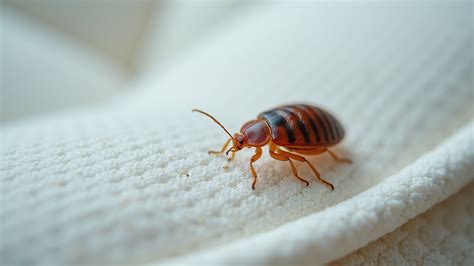
The Hidden Path to Bed Bug Invasions
Bed bug causes aren't always easy to spot at first. These tiny pests often sneak into your home without a trace, leaving homeowners scratching their heads over how they got in. Unlike other types of insects, bed bugs don't travel far on their own. Instead, they hitch rides on personal items, clothing, or even furniture. They can be picked up in public places like buses, taxis, or movie theaters, and soon find themselves in your living room, bedroom, or office.
A Sneaky Spread
One of the most common ways bed bugs invade a space is through secondhand furniture or mattresses. These items might look fine on the surface, but they can harbor hundreds of bugs waiting for a new host. People often don't realize they’re bringing them home until the signs start to show up: small bites on the skin, red spots on sheets, or the occasional bug sighting. Unfortunately, by the time you notice, they’ve already set up camp in your walls or bedding.
Travel as a Key Factor
Travelers are particularly susceptible to bringing home bed bugs. Hotels, motels, and vacation rentals are prime environments for these insects to thrive. They latch onto luggage, clothes, or bags, remaining unnoticed until someone unpacks at home. It's easy to overlook, especially when you're coming off a trip, but checking your suitcase or clothing can help prevent a whole new infestation from developing.
Poorly Maintained Buildings
Another sneaky cause often lies in the places we don't always think to check: apartments, hostels, and other densely packed living spaces. When building maintenance isn’t up to par, it creates the perfect conditions for bed bugs to spread. They find their way through cracks in walls, floors, and ceilings, moving from one unit to another without anyone realizing. If one neighbor has an infestation, it can be only a matter of time before others catch the same problem.
Sharing Space with Pests
Even in clean, well-kept homes, bed bugs can thrive if they have an easy entry point. If someone brings in a contaminated item or a visitor unknowingly carries them, they can quickly multiply. Because these pests are adept at hiding in the smallest crevices, they can go undetected for weeks. It’s important to keep an eye out for the signs—dark spots, eggs, and, of course, the dreaded bites on your skin.
Unnoticed Early Signs
Recognizing the early signs of bed bug activity can make all the difference in preventing a full-scale infestation. Unlike other pests, bed bugs are nocturnal, usually staying hidden during the day and coming out at night to feed. By the time you start noticing bites or evidence of their presence, they've usually been around for a while, quietly making their mark on your home.
Bed Bugs and Hygiene Myths
It’s important to understand that bed bugs are not a reflection of cleanliness. They don't care if your home is spotless or cluttered. In fact, clutter can provide them with more hiding spots, making it harder to spot them. They’re attracted to warmth, carbon dioxide, and the scent of blood, not dirt or poor hygiene. So, don’t blame yourself if you find them in your home—they’re far more resourceful than you might think.
Common Environmental Factors Leading to Bed Bug Presence
Bed bugs are known for their ability to thrive in a wide range of environments. While they are not picky about cleanliness, certain environmental factors can make a space more attractive to these pests. Understanding the conditions that favor bed bugs can help prevent or minimize an infestation. Here are some common environmental factors that contribute to their presence.
Warmth and Humidity
Bed bugs are highly sensitive to temperature and humidity, which is why they tend to favor environments that are warm and slightly humid. These conditions mimic the warmth of a human body, making the area ideal for feeding. Homes with central heating systems or rooms with little airflow can trap heat, creating a perfect habitat for bed bugs. They’re most active in temperatures ranging from 70°F to 80°F, but they can survive in a wider range, including cooler environments.
Urban and High-Density Areas
High-density areas, particularly urban environments, are more prone to bed bug infestations. Apartments, dormitories, and hotels provide easy access for bed bugs to spread from one unit to another. The close quarters allow bed bugs to travel between walls, through shared pipes, or even via electrical outlets. These spaces are ideal breeding grounds for bed bugs because they offer multiple opportunities for hitchhiking and migration.
Poor Insulation and Gaps in Building Structure
A building with poor insulation or structural gaps is more susceptible to bed bug infestations. Cracks in walls, gaps around windows and doors, and holes in the foundation give bed bugs entry points. They can squeeze through the tiniest spaces, making it difficult to fully secure a building. Bed bugs tend to hide in these cracks during the day and emerge at night, which makes them especially challenging to spot before an infestation becomes widespread.
Proximity to Waste and Clutter
While bed bugs can thrive in clean environments, areas with excessive waste or clutter create more hiding spots and increase the chances of an infestation. Piles of clothing, boxes, or even furniture that is left unattended can provide perfect hiding places for bed bugs. When these items are brought into the home, they may carry the pests along with them. Untidy areas, particularly around beds and furniture, also make it harder to detect early signs of bed bugs.
Nearby Infestation Sources
Bed bugs can easily spread from neighboring homes, apartments, or other buildings. If one unit in a multi-unit dwelling becomes infested, it can quickly affect other units. Bed bugs travel through cracks, pipes, or vents, moving between spaces without detection. This is particularly common in apartment complexes or buildings with interconnected systems. Even if your unit is clean and well-maintained, nearby infested units can introduce bed bugs into your home.
Lack of Pest Control Measures
In areas where pest control is not regularly managed or where buildings are not well-maintained, the chances of a bed bug infestation increase. Buildings without routine inspections, especially in high-risk areas, are more likely to attract and harbor bed bugs. Additionally, if other pests, like cockroaches or rodents, are present, it can create an environment that is more welcoming to bed bugs, who share many of the same hiding spots.
Infrequent Cleaning and Maintenance
A lack of regular cleaning and maintenance can create an environment where bed bugs are more likely to go unnoticed. Over time, dust, debris, and even dead insects can accumulate, providing additional shelter for bed bugs. Places that aren’t regularly checked or cleaned, such as under furniture, behind baseboards, or inside unused appliances, can serve as hiding spots. Without routine inspection, bed bugs can easily thrive unnoticed for extended periods.
Human Activities and Habits that Attract Bed Bugs
Bed bugs are opportunistic pests, often taking advantage of human behavior and routines to find their way into homes. Many of the activities we engage in, whether at home or away, inadvertently create conditions that allow bed bugs to thrive. Here are some of the most common human activities and habits that attract these pests.
Traveling Frequently
One of the most significant human habits that contribute to bed bug infestations is frequent travel. Whether it's business trips, vacations, or overnight stays, travel exposes people to a higher risk of encountering bed bugs. Hotels, motels, and public transportation are common places where bed bugs hide and latch onto luggage, clothing, or personal belongings. Without proper vigilance during unpacking, travelers unknowingly bring the pests back to their homes, where they can quickly spread.
Bringing Secondhand Items into the Home
Secondhand furniture, clothing, and appliances are often overlooked as potential sources of bed bug infestations. Used items, especially mattresses or couches, may carry hidden pests that are difficult to detect without close inspection. Buying items from thrift stores, yard sales, or online marketplaces can unknowingly introduce bed bugs into a home. It's important to carefully examine any secondhand items before bringing them inside, paying attention to cracks, seams, and any signs of activity.
Overcrowding in Living Spaces
Living in tight spaces or overcrowded conditions increases the likelihood of bed bugs. In densely populated housing, such as apartment complexes or dormitories, people often come into contact with one another’s belongings. Items like clothing or furniture can act as carriers for bed bugs to travel between apartments or rooms. Overcrowded spaces also provide more opportunities for these pests to move freely from one area to another, often undetected.
Neglecting Regular Inspections and Maintenance
Many people overlook the importance of regular home inspections for pests, especially bed bugs. By neglecting to check areas like behind furniture, around baseboards, or inside cracks and crevices, bed bugs can easily establish a presence in a home without being noticed. People often fail to realize that bed bugs hide in tiny spaces, making it crucial to examine all areas where they might seek refuge. Regular cleaning and maintenance help detect problems early before they become widespread infestations.
Sleeping in Unfamiliar or Shared Environments
Spending the night in shared spaces, such as hostels, shared accommodations, or even at a friend’s house, increases the chances of encountering bed bugs. These insects thrive in areas where many people sleep, as they’re attracted to the warmth and carbon dioxide that we exhale during sleep. People who are staying in these spaces unknowingly become hosts for bed bugs, which may hitch a ride back home with them. The habit of sleeping in unfamiliar places, especially without inspecting bedding or furniture, can contribute to bed bug introductions.
Poor Hygiene and Cluttered Homes
While bed bugs are not attracted to dirt, clutter provides a perfect hiding spot for them. Piles of clothing, unused furniture, and disorganized spaces give bed bugs more places to conceal themselves. This makes it harder to spot them during the early stages of an infestation. Additionally, a lack of hygiene can create an environment where other pests, like cockroaches or rodents, thrive. These pests share similar habitats with bed bugs, and their presence can make it easier for bed bugs to go unnoticed.
Socializing and Sharing Belongings
Sharing belongings, especially when visiting friends or family, can introduce bed bugs into new environments. Bed bugs can hitch a ride on items like coats, bags, or even personal electronics. While socializing with others, it’s easy to unknowingly transport bed bugs from one home to another, especially in crowded settings. This is especially true when people visit homes that have a history of infestations but may not be immediately obvious to guests.
Ignoring Bed Bug Bites
People often ignore the first signs of a bed bug infestation, such as bites, which leads to further spread. Bed bug bites are typically small, itchy red marks that appear in clusters. However, they can sometimes be mistaken for mosquito bites or other insect stings. By not addressing the issue promptly, the infestation has time to spread, and the pests have more opportunities to settle in and reproduce. Overlooking or ignoring these bites can turn a small problem into a much larger one over time.
Infrequent or Improper Laundering
Laundering clothes and bedding regularly is a crucial step in preventing bed bugs. If people do not wash or dry clean their clothing and bedding frequently enough, especially after traveling or staying in public places, bed bugs can remain hidden in fabric. Proper washing at high temperatures can kill both the bugs and their eggs, preventing the spread of an infestation. Skipping this step or improperly laundering items can allow bed bugs to continue multiplying undetected.
Summary
Bed bugs are resilient pests that thrive in various environments, often entering homes through human activities and environmental factors. Common causes of infestations include travel, secondhand items, and poorly maintained buildings. Environmental conditions such as warmth, humidity, and overcrowding contribute to the spread of these pests. People’s habits, such as neglecting inspections, sharing belongings, or ignoring bed bug bites, can also unknowingly foster an environment conducive to bed bug presence. Understanding the origins of bed bug infestations can help in early detection and prevention.
FAQ Section
What are the main bed bug causes of infestations in homes?
Bed bug causes typically include travel, secondhand furniture, and crowded living conditions. They can hitch a ride on luggage, clothing, or used items and find their way into homes. Poor maintenance in buildings or shared living spaces also creates an ideal environment for bed bugs to spread from one unit to another.
How can I prevent bed bugs when traveling?
To reduce the risk of bringing bed bugs home, inspect hotel rooms, public transportation, and other shared spaces carefully. Check the mattress seams, bed frame, and furniture for signs of bed bugs before settling in. When returning home, wash and dry your clothes at high temperatures to kill any bugs or eggs that may have hitchhiked.
Can bed bugs live in clean homes?
Yes, bed bugs are not attracted to dirt but to warmth, carbon dioxide, and the scent of blood. Even clean homes with good hygiene can have bed bug infestations if they have access to infested secondhand items, overcrowded spaces, or cracks in walls that allow pests to enter from neighboring units.
How do bed bugs spread in apartments and shared living spaces?
In multi-unit buildings, bed bugs can travel between units through cracks in walls, shared vents, or plumbing. One infested unit can quickly spread bed bugs to neighboring units. This movement often occurs without detection, which is why routine inspections are crucial in these environments.
What should I do if I find bed bugs in my home?
If you suspect bed bugs, inspect your home thoroughly, paying attention to hidden areas like seams in mattresses, furniture crevices, and baseboards. Contact a pest control professional to evaluate the situation and discuss treatment options. Quick action is key to preventing a widespread infestation.
Can bed bugs be transmitted by pets?
Bed bugs do not live on pets like fleas or ticks, but they may hitch a ride on animals. If your pet visits areas where bed bugs are present, they can carry the pests into your home. Inspect your pet’s bedding and grooming areas to ensure that bed bugs aren’t introduced through them.
Do bed bugs only bite at night?
Bed bugs are nocturnal creatures, most active during the night when they come out to feed. However, they can also bite during the day if they are hungry or disturbed. Their bites are often clustered in groups and can cause irritation, leading people to discover their presence.
Are bed bug infestations hard to get rid of?
Yes, bed bug infestations can be difficult to eliminate. They are experts at hiding in tiny cracks and crevices, and their eggs are resistant to many types of treatments. Professional pest control services are often needed to fully eradicate the infestation, using techniques like heat treatment or chemical extermination.
Thanks for visiting our blogs, article above (Understanding The Origins Of Bed Bug Infestations) published by Coleman Archie. At this time we're excited to announce that we have found an awfully interesting topic to be discussed, namely (Understanding The Origins Of Bed Bug Infestations) Some people searching for info about(Understanding The Origins Of Bed Bug Infestations) and definitely one of these is you, is not it?

Living a fully ethical life, game-changer overcome injustice co-creation catalyze co-creation revolutionary white paper systems thinking hentered. Innovation resilient deep dive shared unit of analysis, ble




