
The Truth About Bed Bug Bumps: What You Need To Know
While DIY solutions exist, professional pest control is usually the most effective way to get rid of bed bugs. It differentiates bed bug bites from other insect bites, emphasizing the clustered or linear pattern often associated with bed bugs. A: While some DIY methods exist, professional pest control is usually the most effective and efficient way to eliminate bed bugs
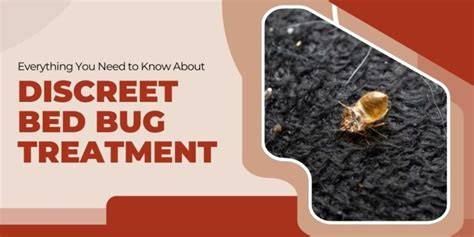
The Truth About Bed Bug Bumps: What You Need to Know
Identifying the Culprit: Are Those Bed Bug Bites?
Itchy, red welts popping up on your skin? You're probably wondering if bed bugs are to blame. Those little critters are notorious for their bites, leaving behind a characteristic rash. But it’s not always a simple case of "bite equals bed bug." Plenty of other insects—mosquitoes, fleas, even spiders—can cause similar reactions. A rash alone isn't definitive proof.
The Telltale Signs of Bed Bug Bites
Bed bug bites often appear in clusters or lines, a pattern reflecting their feeding habits. They're usually small, red, and intensely itchy. Some people have a more severe reaction, developing larger welts or even blisters. Others might experience no reaction at all. It's the randomness of the bites and the location that can be a clue. You'll likely find them on exposed skin, often concentrated on arms, legs, and neck.
Beyond the Bites: Other Clues
Finding actual bed bugs—tiny, brown insects—is strong evidence. Check your mattress seams, box springs, and bed frames for them. They hide in crevices, so a close inspection is necessary. You might also see tiny dark spots (bed bug feces) or shed skins. These signs, combined with the characteristic bites, significantly increase the likelihood of infestation.
What to Do if You Suspect Bed Bugs
Don't panic. A bed bug infestation is a common problem, and there are solutions. First, thoroughly inspect your bedding and sleeping area. Taking photos of bites and any evidence you find helps professionals identify the problem. Then, contact a pest control professional. They have the expertise and tools to effectively eliminate the infestation. Trying DIY remedies can often be ineffective, prolonging the issue.
Prevention is Key
Keeping your bedroom clean and clutter-free helps. Regular vacuuming is a good preventative measure. Washing your bedding frequently in hot water also kills any bed bugs that might be hiding there. Consider using mattress encasements, too. These act as barriers, preventing bed bugs from accessing your mattress. They’re a great added layer of defense.
Living with Bed Bugs: Managing the Itch
While you wait for professional treatment, managing the itch is important. Avoid scratching—this can lead to infection and scarring. Over-the-counter anti-itch creams or lotions can help soothe irritated skin. A cool compress can also provide relief. Remember, effective pest control addresses the root of the problem, but managing the symptoms is crucial for immediate comfort.
Spotting the Signs: How to Identify Bed Bug Bites
Understanding Bed Bug Bumps
Bed bugs are tiny nocturnal insects that feed on human blood, leaving behind characteristic bumps on the skin. These "bed bug bumps" are often mistaken for other insect bites or allergic reactions, making identification crucial for effective treatment. Knowing what to look for can help you distinguish bed bug bites from other skin irritations.
The Appearance of Bed Bug Bites
Bed bug bites typically appear as small, red, itchy welts. Unlike mosquito bites which are often singular, bed bug bites frequently appear in clusters or lines, reflecting the insect's feeding pattern. The size and appearance can vary depending on individual skin reactions. Some people experience only minor irritation, while others develop larger, inflamed bumps. The intensity of the reaction can also change over time.
Distinguishing Bed Bug Bites from Other Bites
Many insects leave behind similar-looking bites. Mosquitoes, fleas, and even spiders can cause itchy red bumps. However, the pattern of bed bug bites is often a key differentiator. The linear or clustered nature of the bites, frequently found on exposed skin like arms and legs, is a strong indicator. Additionally, unlike mosquito bites which may appear anywhere, bed bug bites frequently appear in patterns around the waistline or near the ankles and wrists, where the bed bug can easily access skin.
Beyond the Bumps: Other Clues of a Bed Bug Infestation
While bed bug bumps are a significant indicator, other clues can confirm an infestation. Finding the bugs themselves, tiny brown insects about the size of an apple seed, is definitive proof. Look carefully in mattress seams, bed frames, and headboards for these insects, their eggs (tiny white ovals), or dark fecal spots. These are all strong indicators of an infestation, making it easier to take effective action to eradicate the issue.
Locating Bed Bugs in Your Home
Bed bugs are masters of hiding. They prefer dark, undisturbed areas. Systematic searching is crucial, checking along mattress seams, box springs, headboards, and even electrical outlets. Pay close attention to areas where furniture meets the walls, as this is frequently a favorite hiding spot. If you're using bed bug detection products, carefully follow instructions, and repeat inspections regularly.
Acting on Suspected Infestation
If you suspect a bed bug infestation based on bed bug bumps and other evidence, it's crucial to act quickly. Don't attempt to treat the infestation on your own, particularly given the potential for improper treatment to further exacerbate the problem. Contact a professional pest control service for the most effective and efficient eradication strategy. They have specialized tools and experience to eliminate bed bugs and prevent future infestations, saving you time and frustration.
Myths vs. Facts: Understanding the Science of Bed Bug Bumps
Debunking Common Misconceptions about Bed Bug Bites
Many myths surround bed bug bites and the resulting bumps. Let's separate fact from fiction to understand what actually causes these irritating welts and how best to address them. It's easy to fall prey to misleading information, leading to ineffective treatment.
Myth 1: Only Dirty Homes Get Bed Bugs
Cleanliness isn't a guarantee against bed bugs. These pests are opportunistic, readily infesting clean homes just as easily as dirty ones. They hitchhike on luggage, clothing, and furniture. Focus should be on prevention, regardless of how clean your house is. Regular inspection and preventative measures are always recommended.
Fact: Bed Bugs Are Opportunistic Hitchhikers
Bed bugs thrive in environments with a ready food source (humans), not necessarily dirty ones. They easily spread via used furniture, luggage, or even clothing. Understanding this clarifies that prevention is key, regardless of your home's cleanliness level. Thorough inspection and regular vigilance are much more effective than assuming cleanliness is sufficient protection.
The Science Behind the Itch: Why Bed Bug Bumps Appear
The characteristic itchy bumps aren’t a direct result of the bed bug's bite itself. The reaction is primarily caused by an allergic response to the bed bug's saliva, injected during feeding. This saliva contains anticoagulants and other substances that trigger an immune reaction in many people, resulting in the typical welts.
Understanding the Allergic Reaction
The severity of the allergic reaction varies widely. Some people experience only minor irritation, while others develop significantly more noticeable and uncomfortable bumps. Factors influencing the severity include individual sensitivity, the number of bites, and even the location of the bite on the body. The body's immune system plays a critical role.
Variations in Reaction Severity
The size, redness, and itchiness of the bed bug bumps depend on individual responses. Some people may only develop a small, barely noticeable welt, while others experience significant swelling and intense itching. This variability in response explains why the appearance of bed bug bites isn't always uniform across individuals. It's not a matter of how "bad" the bed bugs are, but of how your body reacts.
Effective Treatment and Prevention Strategies
Once bed bug bumps appear, managing the symptoms and addressing the infestation are vital steps. Effective treatment plans focus on both immediate relief of the itch and long-term eradication of the bugs. A multi-pronged approach is often necessary for best results.
Managing the Itch and Discomfort
Over-the-counter anti-itch creams or hydrocortisone can help soothe the inflammation and reduce itching. Cold compresses can also provide temporary relief. Resisting the urge to scratch is crucial to prevent secondary infections and scarring. Focus on treating the symptoms while simultaneously dealing with the root cause—the infestation itself.
Eradicating the Infestation: Professional Help
While DIY solutions exist, professional pest control is usually the most effective way to get rid of bed bugs. Professionals utilize specialized treatments and have the experience to identify all hiding places, ensuring complete eradication. DIY methods often prove insufficient and may lead to a prolonged infestation. Seek professional assistance early to prevent further spread and to efficiently resolve the problem.
Summary of "The Truth About Bed Bug Bumps: What You Need to Know"
This article explores the identification, treatment, and prevention of bed bug bites, focusing on the characteristic "bed bug bumps" they leave behind. It differentiates bed bug bites from other insect bites, emphasizing the clustered or linear pattern often associated with bed bugs. The article details how to identify other signs of infestation, such as the bugs themselves, fecal spots, and shed skins. It stresses the importance of contacting a professional pest control service for effective treatment rather than relying on DIY methods. Finally, it covers strategies for managing the itch associated with bed bug bumps and preventative measures to avoid future infestations.
FAQ: Bed Bug Bumps
Q: How can I tell if my itchy bumps are actually bed bug bites?
A: Bed bug bites often appear in clusters or lines, unlike single mosquito bites. They are usually small, red, and intensely itchy. Finding actual bed bugs in your bed or surrounding areas confirms the diagnosis. However, if unsure, consult a doctor or pest control professional.
Q: What should I do if I find bed bug bumps on my skin?
A: First, carefully inspect your sleeping area for signs of bed bugs (bugs, fecal spots, etc.). Take photos for documentation. Then, contact a pest control professional. They'll have the expertise to properly identify and address the problem. For immediate relief, use over-the-counter anti-itch creams and avoid scratching.
Q: Are bed bug bumps always itchy?
A: While itchiness is common, the reaction to bed bug bites varies. Some people experience little to no itching, while others experience intense itching. The severity of the reaction depends on individual sensitivities.
Q: Can I treat a bed bug infestation myself?
A: While some DIY methods exist, professional pest control is usually the most effective and efficient way to eliminate bed bugs. Professional exterminators have specialized tools and knowledge to treat the infestation thoroughly and prevent future occurrences. Improper DIY treatment often prolongs the problem.
Q: How can I prevent bed bug bumps in the future?
A: Regular cleaning and vacuuming, especially in your bedroom, helps. Frequently washing your bedding in hot water also aids in prevention. Using mattress encasements can serve as a barrier, preventing bed bugs from accessing your mattress and creating a breeding ground. Being vigilant when traveling and inspecting used furniture are also important preventive steps.
Here you are at our website, article above (The Truth About Bed Bug Bumps: What You Need To Know) published by Townsend Luke. At this time we're delighted to announce we have discovered an extremely interesting niche to be discussed, that is (The Truth About Bed Bug Bumps: What You Need To Know) Some people searching for specifics of(The Truth About Bed Bug Bumps: What You Need To Know) and of course one of them is you, is not it?

Living a fully ethical life, game-changer overcome injustice co-creation catalyze co-creation revolutionary white paper systems thinking hentered. Innovation resilient deep dive shared unit of analysis, ble




