
The Unrelenting Itch: A Guide To Bed Bug Bites
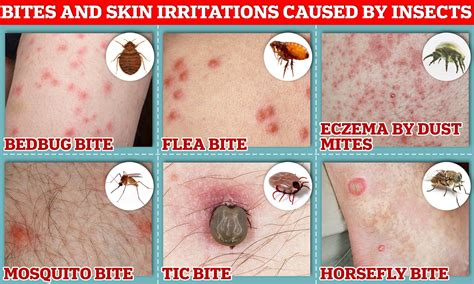
Unlike mosquito bites that are often singular, bed bug bites frequently appear in clusters or lines. Mosquito bites, flea bites, and even spider bites might be confused with bed bug bites. It addresses the question, bed bug bites what do they look like?, explaining that the appearance can vary greatly depending on individual reactions, ranging from small, red welts to larger, swollen areas
The Unrelenting Itch: A Guide to Bed Bug Bites
Identifying the Culprit: Bed Bug Bites What Do They Look Like?
So, you woke up with itchy bumps. It's frustrating, isn't it? That feeling of something not quite right on your skin. Before you panic, let's figure out if those bites are from bed bugs. Understanding what they look like is the first step. A bed bug bite often appears as a small, red welt. Think of a mosquito bite, but maybe a bit smaller, and often in clusters or lines. Sometimes, you might not even notice them immediately. The itching usually starts a few hours later.
Beyond the Basic Bite: Variations in Appearance
The appearance can vary quite a bit, depending on your individual skin reaction. Some people barely react, while others experience significant swelling and intense itching. A few bites might become bigger welts, while others stay small. This isn't a case of "one size fits all". Allergic reactions can influence how the bite looks, making them larger and more inflamed than usual. It's important to remember this isn't a definitive diagnosis; a doctor can provide the right confirmation.
Location, Location, Location: Where to Look for Bites
Bed bugs tend to bite exposed skin while you're sleeping. Common spots include arms, neck, shoulders, and legs. They're nocturnal creatures, so the bites are usually a morning surprise. They prefer areas of skin that are easily accessible, avoiding places covered by clothing. Don’t be surprised to find bites in a straight line. That's a tell-tale sign, suggesting they might have been feeding in one spot. This is a clue, but not definite proof, of course.
What to Do if You Suspect Bed Bugs
If you think you have bed bugs, the best thing to do is act quickly. Finding the source is key. Check your mattress and box spring carefully, looking for tiny brown insects or their dark fecal spots. These spots might look like small ink marks on the mattress fabric. A thorough inspection of your bedroom is essential. This includes checking crevices in furniture, behind headboards, and even inside electrical outlets. You need a systematic approach.
Professional Help: When to Call in the Experts
A serious infestation requires professional help. Don't try to handle a massive problem on your own. Exterminators have the tools and expertise to deal with bed bugs effectively. Attempting DIY solutions might only make the problem worse, delaying a proper solution, and potentially causing more damage to your furniture in the long run. Getting rid of bed bugs takes determination and the right approach.
Prevention is Key
Preventing bed bugs is easier than dealing with an infestation. Regularly vacuuming your bedroom and washing your bedding in hot water can make a big difference. Checking second-hand furniture carefully is also crucial, before you bring it into your home. Being vigilant is vital, given how easily they can spread. Travelers should be especially cautious, examining hotel rooms and checking luggage thoroughly before and after trips.
Premium Guide: Deciphering the Itch: Bed Bug Bites
Identifying the Red Flags: How to Spot Bed Bug Bites
This premium guide delves into the nuanced world of bed bug bites, helping you confidently identify these unwelcome guests. The question, "bed bug bites what do they look like?" is surprisingly complex, as the appearance can vary greatly depending on individual skin reactions and the severity of the infestation.
Beyond the Basics: The Typical Bed Bug Bite
The classic bed bug bite typically manifests as a small, red, itchy welt. It often resembles a mosquito bite, but with subtle differences. Unlike mosquito bites that are often singular, bed bug bites frequently appear in clusters or lines. This pattern is often caused by the insect feeding repeatedly in a small area during a single feeding session.
The Deceptive Nature of Bites: Individual Variations
The size and appearance of individual bites are inconsistent, making identification tricky. Some people experience minimal reaction, with only faint redness visible. Others, however, exhibit a significant inflammatory response, resulting in large, swollen welts. This variability arises from individual differences in skin sensitivity and allergic reactions to bed bug saliva. Severe reactions can lead to considerable discomfort and necessitate medical attention.
The Telltale Signs: Clues Beyond the Bite Itself
While the bites themselves provide crucial clues, other indicators can confirm a bed bug infestation. These include small bloodstains on bedding or mattresses, tiny dark specks (bed bug feces) on surfaces, and the bed bugs themselves—tiny, reddish-brown insects that are about the size of an apple seed. A thorough inspection of your mattress seams, bed frame, and surrounding furniture is paramount.
Unraveling the Mystery: Differentiating Bed Bug Bites from Other Insect Bites
The challenge in identifying bed bug bites lies in their resemblance to other insect bites. Mosquitoes, fleas, and even spiders can cause similar-looking welts. However, the patterns often offer valuable clues. While mosquito bites are often solitary, bed bug bites typically cluster. Fleas tend to concentrate on lower extremities, while bed bug bites are more commonly found on exposed skin, particularly arms, neck, shoulders, and legs. A close examination of the bite pattern, coupled with a search for other tell-tale signs of an infestation, can help you distinguish between these different culprits.
Seeking Expert Advice: When to Consult a Professional
When in doubt, consulting a dermatologist or pest control professional is always recommended. They possess the expertise to accurately identify bed bug bites and guide you through effective treatment and elimination strategies. Early intervention is crucial in preventing a minor infestation from becoming a major headache. Furthermore, a professional can assist in identifying the specific species of insect, offering tailored solutions.
Proactive Measures: Prevention and Protection
Prevention is the most effective strategy against bed bugs. Regularly inspect your bedding and mattresses for signs of infestation, including blood stains or fecal spots. Thoroughly examine used furniture before bringing it into your home. When traveling, inspect hotel rooms meticulously before settling in, keeping luggage off the floor. Utilizing protective mattress encasements offers a substantial barrier against bed bugs, significantly reducing the risk of infestation. Proactive measures can help you maintain a bite-free environment, ensuring comfortable and restful nights.
Premium Guide: Understanding the Enigma of Bed Bug Bites
The Bizarre Shapes and Sizes: What Bed Bug Bites Look Like
This premium guide offers an in-depth look at the varied presentations of bed bug bites, helping you navigate the complexities of identifying these often-misunderstood insects. The question, "bed bug bites what do they look like?" doesn't have a single, simple answer. Their appearance is surprisingly diverse.
The Classic Presentation: The Textbook Bed Bug Bite
While not always the case, the stereotypical bed bug bite is a small, reddish welt. Think of a mosquito bite, but potentially smaller and usually appearing in a line or cluster. This pattern arises from the insect feeding repeatedly in the same small area. The redness is caused by an inflammatory response to the bed bug's saliva. Itching usually begins several hours after the bite.
Beyond the Textbook: The Spectrum of Reactions
Individual reactions to bed bug bites vary drastically. Some people show only minor redness and minimal itching. These mild cases might go unnoticed entirely. At the other extreme, severe reactions can result in large, raised welts, significant swelling, and intense itching. This variability is influenced by factors including an individual's sensitivity to the bed bug's saliva and any pre-existing skin conditions.
Unraveling the Mystery: Patterns and Locations
While individual bites can be deceptive, the overall pattern can be a stronger clue. Bed bugs typically feed in lines or clusters, unlike a solitary mosquito bite. They also tend to favor exposed skin, commonly targeting arms, neck, legs, and shoulders. However, bites can occur anywhere on the body if skin is exposed during sleep. The absence of bites in covered areas adds weight to a bed bug suspicion.
Secondary Infections: A Potential Complication
Intense scratching can break the skin, leading to secondary infections. These infections can manifest as pus-filled blisters or other signs of inflammation. This underscores the importance of resisting the urge to scratch, and treating bites with care. If a secondary infection occurs, medical attention is crucial.
Differentiating Bed Bug Bites from Imitators
Misidentification is common. Many insects cause similar-looking bites. Mosquito bites, flea bites, and even spider bites might be confused with bed bug bites. The key lies in observing the overall pattern and location of the bites, coupled with a thorough inspection of the bedding and surrounding area for physical evidence of bed bugs or their feces.
The Role of Allergic Reactions
Allergic reactions play a significant role in the appearance of bed bug bites. A significant allergic reaction could manifest as widespread hives, swelling beyond the immediate bite area, and even difficulty breathing in severe cases. These more extensive reactions require immediate medical attention. Recognizing the potential for allergic reactions highlights the need for cautious observation and prompt medical assistance if necessary.
When Professional Help is Needed
If you suspect a bed bug infestation, seeking professional help is often the best course of action. Attempting DIY treatments can be ineffective and might prolong the infestation. A pest control professional possesses the tools and knowledge to identify bed bugs definitively, implement effective eradication strategies, and provide preventative guidance. Early intervention minimizes the duration and severity of the problem.
Summary of "The Unrelenting Itch: A Guide to Bed Bug Bites"
This article provides a comprehensive guide to identifying and dealing with bed bug bites. It addresses the question, "bed bug bites what do they look like?", explaining that the appearance can vary greatly depending on individual reactions, ranging from small, red welts to larger, swollen areas. The article emphasizes the importance of recognizing typical bite patterns (clusters or lines) and locations (exposed skin). It also highlights the need to differentiate bed bug bites from other insect bites and discusses the importance of professional help for severe infestations or allergic reactions. Furthermore, preventative measures such as regular cleaning and careful inspection of used furniture are recommended.
FAQ Section: Bed Bug Bites
Q: What do bed bug bites look like?
A: Bed bug bites often appear as small, red welts, sometimes resembling mosquito bites. However, they frequently appear in clusters or lines, unlike single mosquito bites. The size and appearance can vary significantly based on individual skin reactions, ranging from barely noticeable to large, swollen welts. Some people show little to no reaction. This variability makes identifying them tricky, hence the importance of observing the pattern and looking for other signs of infestation.
Q: Where do bed bugs usually bite?
A: Bed bugs tend to bite exposed skin while you sleep, commonly targeting arms, neck, shoulders, and legs. However, they can bite anywhere on exposed skin. The location of bites can help distinguish them from other insects, such as fleas which typically bite lower extremities.
Q: How can I tell if it's a bed bug bite and not something else?
A: Differentiating bed bug bites from other insect bites requires careful observation. Bed bug bites often appear in clusters or lines, while other bites might be solitary. The location of the bites also offers clues; bed bugs tend to bite exposed skin, unlike fleas. The presence of small bloodstains or dark fecal spots on bedding, mattresses, or furniture is strong evidence. If you're uncertain, consulting a dermatologist or pest control professional is best.
Q: What should I do if I think I have bed bugs?
A: Act quickly. Thoroughly inspect your mattress, bedding, and surrounding furniture for bed bugs or signs of their presence (feces, bloodstains). If you find evidence of an infestation, contact a pest control professional. Attempting DIY solutions might only worsen the problem.
Q: How can I prevent bed bug bites?
A: Preventative measures include regular vacuuming and washing bedding in hot water. Carefully check used furniture before bringing it into your home. When traveling, inspect hotel rooms and luggage carefully. Using protective mattress encasements offers an extra layer of protection. Vigilance is crucial in preventing bed bugs.
Here you are at our site, article above (The Unrelenting Itch: A Guide To Bed Bug Bites) published by Bond Ellis. Nowadays we're excited to declare that we have discovered a very interesting topic to be reviewed, that is (The Unrelenting Itch: A Guide To Bed Bug Bites) Some people trying to find specifics of(The Unrelenting Itch: A Guide To Bed Bug Bites) and certainly one of these is you, is not it?

Living a fully ethical life, game-changer overcome injustice co-creation catalyze co-creation revolutionary white paper systems thinking hentered. Innovation resilient deep dive shared unit of analysis, ble




