
Understanding Bed Bug Bites Rash
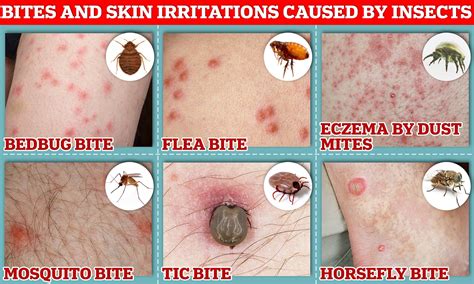
Navigating the world of itchy skin can be frustrating, especially when you’re not sure what’s causing the discomfort. One common culprit, often shrouded in mystery, is the dreaded bed bug. Spotting those tiny, reddish-brown pests can be tricky. Even trickier is recognizing the aftermath they leave behind: the bed bug bites rash. This isn't a uniform experience; what one person experiences, another might not.
Identifying Bed Bug Bites
Bites from these nocturnal hitchhikers don't always manifest as the dramatic, large welts you might imagine. Typically, they appear as small, raised bumps, often clustered in a line or zig-zag pattern. This unusual arrangement is one of the key clues because bed bugs tend to feed in a series. The skin around the bite is frequently red and can be exceptionally itchy. Some people, though, may not show any visible signs of being bitten, which adds to the challenge of identification. It's worth mentioning, too, that reactions differ greatly. For instance, a very sensitive person might develop large, inflamed areas, whereas someone else may barely notice a thing.
The Itch Factor: Why Bed Bug Bites Are So Uncomfortable
The irritating itch of a bed bug bite doesn’t stem directly from the bug’s bite itself. Instead, it’s the body’s response to the bed bug's saliva, which is injected during feeding. This saliva contains anticoagulants, keeping the blood flowing. This substance triggers an allergic reaction in some, causing the release of histamine. It's histamine that causes swelling, redness, and the intense urge to scratch. This, unfortunately, can further irritate the skin, potentially leading to secondary infections.
What Does a Bed Bug Bites Rash Actually Look Like?
Visuals are helpful. The telltale signs include clusters of raised, reddish bumps. These might look like mosquito bites to the untrained eye, so noting the grouping is key. These bumps may be accompanied by swelling and redness and sometimes, small blisters may even form. These can be particularly annoying and may take a bit longer to heal. Keep a close watch of the progression because sometimes a rash can look different throughout the healing process.
Misconceptions About Bed Bug Bites Rash
A common misunderstanding involves assuming that bed bugs only infest dirty places. The truth is that cleanliness has little impact on the presence of bed bugs. These pests can thrive anywhere there are people, hitching rides on clothing, luggage, and other personal items. Another myth is that they transmit diseases. So far, evidence doesn't show them to spread illness to humans. Instead, the primary concerns stem from their bites which causes the frustrating and uncomfortable bed bug bites rash.
Itchy, red spots on your skin can be incredibly frustrating, especially when you can't pinpoint the cause. One potential culprit often overlooked is the bed bug. These tiny nocturnal creatures can leave behind a telltale sign: a bed bug bites rash. Understanding what this rash looks like, and how it differs from other skin irritations, is crucial for effective management.
What Are Bed Bug Bites?
Bed bug bites aren't always straightforward to identify. They're the result of these small, wingless insects feeding on blood, typically while you sleep. The bites themselves don’t always cause immediate pain. Often, you might not even notice being bitten until hours later when the itching starts. It’s the body's reaction to the bug's saliva which triggers that itchy, red rash. The reaction varies greatly from person to person.
The Appearance of a Bed Bug Bites Rash
The rash associated with bed bug bites is not uniform; it can manifest differently depending on individual sensitivities. Generally, it's characterized by small, raised bumps that are red, sometimes with a darker red center. The most distinctive feature is their arrangement: they often appear in a line or cluster, reflecting the way bed bugs feed. These insects tend to bite multiple times in a small area. These groupings are a key diagnostic clue.
How the Itch Develops
The intense itch that accompanies bed bug bites isn't caused directly by the bug's bite. Rather, it’s the body’s response to the anticoagulant present in the bed bug's saliva. This substance keeps the blood flowing as they feed. Your immune system recognizes this foreign substance, launching an inflammatory response that results in histamine release. This causes redness, swelling, and the overwhelming urge to scratch. Unfortunately, scratching can exacerbate the problem.
Distinguishing Bed Bug Bites Rash from Other Rashes
It's easy to confuse a bed bug bites rash with other insect bites, or even skin conditions. Mosquito bites, for instance, also present as itchy, red bumps. However, they are typically larger and more isolated than bed bug bites. Allergic reactions, such as those from plants, might present with a more widespread rash and other symptoms, like hives. If you’re unsure, pay attention to the pattern of the bites and whether there are other signs of bed bug infestation.
Identifying Bed Bug Infestations
Detecting bed bugs goes hand in hand with recognizing the rash they cause. These nocturnal creatures are masters of hiding. Look for small reddish-brown spots on your mattress seams, headboard, and other furniture near the bed. These are fecal stains from the bugs, a clear indicator of their presence. Shed skins and live bed bugs themselves can also signal an infestation. Catching this early will save considerable effort later on.
Managing a Bed Bug Bites Rash
When dealing with a bed bug bites rash, the focus is to alleviate the discomfort. The first step is to thoroughly clean the affected area with soap and water. Over-the-counter creams can provide relief. The most common are antihistamines and corticosteroid creams. Try to avoid scratching; it can lead to infection. If your symptoms are severe or the rash is not improving, consult a doctor.
Itchy, red welts appearing on your skin can be a sign of many things, but if they're clustered in a line or zigzag pattern, bed bugs might be the culprit. The resulting bed bug bites rash can be quite bothersome. Recognizing the specific symptoms of this rash is crucial for proper identification and treatment.
Symptoms of Bed Bug Bites Rash
The appearance of a bed bug bites rash can vary from person to person, depending on their individual sensitivity. However, there are some common symptoms that tend to be associated with these bites. Being aware of these can help you differentiate this rash from other skin irritations.
Common Signs of Bed Bug Bites
Typically, the first sign of bed bug bites is the appearance of small, raised bumps on the skin. These bumps are usually red and can become itchy. Often, there's a darker red spot in the center of each bump. This is where the bug has pierced the skin to feed. The pattern of the bites is often what sets them apart: they commonly appear in a line or a small cluster, rather than being scattered randomly.
The Itching Sensation
The itch associated with bed bug bites is a result of the body's reaction to the bug's saliva, which contains an anticoagulant to ensure they can feed effectively. This saliva triggers a mild allergic reaction, resulting in the release of histamine. The histamine is what causes the intense itching and swelling that are so characteristic of bed bug bites rash. The severity of the itch can vary significantly.
Less Common but Possible Symptoms
While the typical symptoms are red, itchy bumps arranged in a line or cluster, some people can experience more pronounced reactions. These might include larger, swollen areas around the bites, or even the formation of small blisters. In rare cases, individuals can develop a more severe allergic reaction, although this is not typical. Any significant swelling or signs of infection should be addressed by a medical professional.
Timing of Symptoms
The symptoms of bed bug bites aren't always immediate. In some instances, a person may not notice the bites until several hours, or even a day, after being bitten. The delayed reaction can sometimes make it difficult to connect the dots to a bed bug infestation. Keep in mind that bites can happen anywhere the skin is exposed, often on the arms, legs, neck, and torso.
Differentiating Bed Bug Bites Rash From Other Conditions
It is very important to distinguish bed bug bites from other skin conditions. Mosquito bites, for example, can also cause red, itchy bumps, but they're usually larger and not typically grouped together. Allergic reactions from plants might create a more widespread rash, often accompanied by other symptoms like hives. Eczema or other skin conditions might also be mistaken for bed bug bites, as they can cause red, itchy skin. Consider the pattern of the rash and the setting in which it arose. Is this your home, a hotel, or an unfamiliar place? The pattern of the rash is key for identifying it.
When to Seek Medical Advice
For most people, the discomfort of a bed bug bites rash can be managed at home with over-the-counter treatments like antihistamines and topical creams. But, If you suspect that you may have a secondary infection, or you are experiencing a more severe allergic reaction, it is important to contact a medical professional.
Identifying a bed bug bites rash can be tricky, as it can resemble other skin irritations. However, knowing the key characteristics can help you determine if these tiny pests are the cause of your discomfort. Careful observation of the rash and its surrounding environment can provide essential clues.
How to Identify Bed Bug Bites Rash
The telltale signs of a bed bug bites rash aren't always immediately obvious, but a careful examination can often reveal their presence. Recognizing the specific patterns and symptoms associated with bed bug bites is crucial for effective treatment and eradication.
Recognizing the Bite Pattern
One of the most distinctive features of a bed bug bites rash is the pattern in which the bites appear. Unlike mosquito bites, which tend to be scattered, bed bug bites often form a line or cluster. This happens because the bug may bite multiple times in the same area as it searches for a good feeding spot. This linear or clustered pattern is a key identifying marker. Sometimes bites may even appear in zig-zag patterns.
The Appearance of the Bites
Individual bed bug bites appear as small, raised bumps. They are typically red and can have a darker red center. These bumps are often itchy, and this itching can become quite intense. While the bites themselves may not be initially painful, the subsequent itching and inflammation can cause considerable discomfort. Swelling, in some cases, can also appear.
Distinguishing Bed Bug Bites from Other Bites
Bed bug bites can easily be confused with other insect bites, but some subtle differences can help you differentiate them. Mosquito bites, for instance, are usually larger and more randomly distributed. Flea bites often appear around the ankles, while bed bug bites are more commonly found on exposed skin, like the arms, legs, neck, and torso. Additionally, the timing can be a clue. Bed bugs tend to bite at night, usually while you’re asleep.
Considering Other Possible Causes
If you suspect you have a bed bug bites rash, it's helpful to consider other possible causes of skin irritation. Allergic reactions to plants or food can cause a widespread rash, sometimes accompanied by hives. Skin conditions like eczema or dermatitis may cause red, itchy skin but generally don’t present in the line or cluster pattern associated with bed bugs. If there's a clear pattern of bites on exposed areas of the body, bed bugs are a highly likely culprit.
Finding Evidence of Bed Bugs
Confirming the presence of bed bugs goes hand-in-hand with identifying their bites. Look for tiny dark spots or streaks on your bedding, mattress seams, or furniture near your bed. These are bed bug feces. You might also find shed skins. If you look carefully, live bed bugs, which are small, reddish-brown, and oval-shaped can be seen.
Checking Common Bed Bug Hiding Places
Bed bugs are nocturnal and good at hiding. They like to live in dark, narrow places. So, besides mattresses, check behind headboards, in crevices of furniture, and along baseboards. Thorough inspection of these areas can help confirm an infestation and also locate the main areas to concentrate your removal efforts. A flashlight may be helpful.
Summary of Understanding Bed Bug Bites Rash
This article has explored the often-misunderstood topic of bed bug bites and the resulting rash. It explained that bed bug bites are not always easy to identify, often appearing as small, red, raised bumps, frequently in a line or cluster pattern due to the feeding habits of these nocturnal pests. The intense itching is a result of the body's allergic reaction to the bed bug's saliva. The article emphasized that the bed bug bites rash can vary greatly in appearance, depending on individual sensitivity, ranging from small, itchy bumps to larger, swollen areas and even blisters. It highlighted the importance of differentiating a bed bug bites rash from other skin irritations, such as mosquito bites or allergic reactions. The article also emphasized how crucial it is to look for other signs of infestation like fecal spots, shed skins, or the bed bugs themselves, in areas where people sleep. Management of bed bug bites rash was covered, suggesting the use of over-the-counter treatments and medical attention in more severe cases. Overall, recognizing the signs of a bed bug bites rash and taking steps to manage the bites and eliminate the pests are important for dealing with infestations effectively.
Frequently Asked Questions (FAQ)
Q: What does a bed bug bites rash look like?
A: A bed bug bites rash typically appears as small, raised, red bumps on the skin. They often form in a line or cluster, reflecting the feeding pattern of bed bugs. The bites can be intensely itchy and sometimes have a darker red spot in the center. In some cases, swelling or small blisters might develop.
Q: Why are bed bug bites so itchy?
A: The itch associated with a bed bug bites rash is caused by the body's reaction to the bed bug's saliva, which contains an anticoagulant. This triggers an inflammatory response and the release of histamine, leading to itching, redness, and swelling.
Q: Can a bed bug bites rash be mistaken for other insect bites?
A: Yes, it can. Mosquito bites, for example, can also cause red, itchy bumps. However, mosquito bites are typically larger and more scattered. Flea bites often appear around the ankles. The distinctive linear or clustered pattern of a bed bug bites rash can help differentiate it from other bites.
Q: How long does it take for a bed bug bites rash to appear?
A: The symptoms of a bed bug bites rash don't always appear immediately. It can take several hours or even a day for the bites to become noticeable. This delayed reaction can sometimes make it difficult to identify the source of the bites.
Q: Do bed bugs only bite at night?
A: Bed bugs are most active at night and tend to feed while people are sleeping. However, if they're hungry enough, they might bite during the day if there's an opportunity.
Q: Where should I look for bed bugs if I suspect I have a bed bug bites rash?
A: Look for signs of bed bugs on your mattress, especially along the seams and edges, headboard, bed frame, and other furniture near your bed. Look for dark spots (bed bug feces), shed skins, or live bed bugs themselves.
Q: Can a bed bug bites rash be treated at home?
A: Yes, most cases of bed bug bites rash can be treated at home. Clean the bites with soap and water and apply an over-the-counter antihistamine or corticosteroid cream to relieve itching. Avoid scratching as it may cause infection.
Q: When should I seek medical attention for a bed bug bites rash?
A: You should see a doctor if your symptoms are severe or not improving with home treatment, if you experience signs of infection, or if you suspect you are having a more severe allergic reaction.
Q: Does having a bed bug bites rash mean my home is dirty?
A: No. Bed bugs are not attracted to dirt or filth. They can thrive in any environment where there are people for them to feed on. Cleanliness is not a factor in bed bug infestations.
Q: Is the bed bug bites rash contagious?
A: No, the bed bug bites rash is not contagious. The rash is a reaction to the bed bug's saliva, not an infection that can be spread to others.
Thanks for visiting our blogs, content above (Understanding Bed Bug Bites Rash) published by Kirby David. At this time we are excited to declare we have found a very interesting topic to be pointed out, that is (Understanding Bed Bug Bites Rash) Some people searching for information about(Understanding Bed Bug Bites Rash) and certainly one of these is you, is not it?

Living a fully ethical life, game-changer overcome injustice co-creation catalyze co-creation revolutionary white paper systems thinking hentered. Innovation resilient deep dive shared unit of analysis, ble




