
Effective Solutions For Bed Bug Bites
Salt has natural drying properties that can help reduce inflammation and relieve itching. Aloe vera gel provides a cooling sensation that helps reduce itching and swelling, making it a great go-to treatment for bites that are particularly uncomfortable. These products help reduce itching, swelling, and irritation, providing relief from the discomfort caused by the bites
Understanding Bed Bug Bites
Bed bugs are tiny, blood-sucking insects that often go unnoticed until after they've bitten. The bites usually appear in clusters, often in areas where skin is exposed while sleeping. Although they don't transmit diseases, their bites can cause discomfort and irritation. Understanding how to treat these bites is essential for easing the discomfort and preventing further issues.
Common Symptoms of Bed Bug Bites
When bed bugs bite, they typically leave behind red, itchy bumps. The bite marks can sometimes resemble a rash or mosquito bites. Swelling, redness, and inflammation around the affected area are common reactions. In some cases, people may experience allergic reactions that result in more severe swelling or even hives.
Natural Bed Bug Bite Remedies
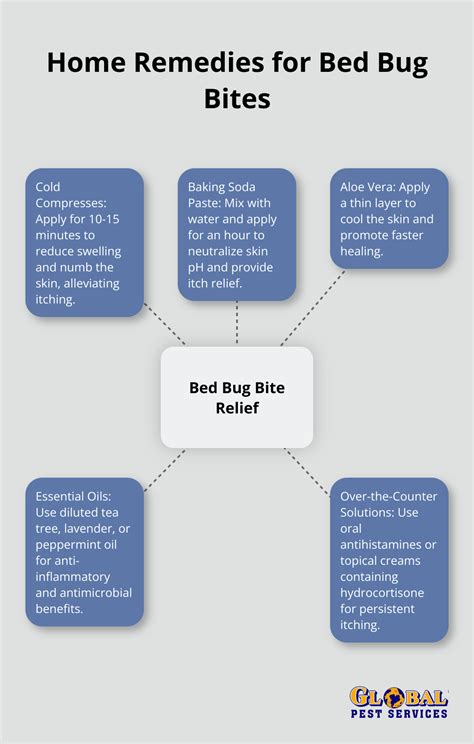
There are several remedies for relieving the itch and inflammation caused by bed bug bites. One of the most effective natural treatments is applying aloe vera gel. Aloe vera has soothing properties that can help reduce irritation and speed up the healing process. It also has a cooling effect, which provides instant relief from itching.
Another common remedy is using tea tree oil. Known for its antimicrobial properties, tea tree oil can help prevent infection while soothing the skin. To use, dilute a few drops of tea tree oil in a carrier oil, such as coconut oil, and gently apply it to the affected area.
Over-the-Counter Treatments for Bed Bug Bites
If you prefer a more conventional approach, there are plenty of over-the-counter options available. Antihistamines are useful for managing itching and swelling, and many creams or lotions are designed specifically to target bed bug bites. Hydrocortisone creams, for instance, are effective at reducing inflammation and soothing the skin.
Calamine lotion is another popular option. It helps dry out the area, providing relief from itching and irritation. It’s a simple solution but works well for many people who experience discomfort from bites.
Preventing Further Bed Bug Infestations
Once you’ve dealt with the immediate effects of bed bug bites, the next step is to eliminate the source. To avoid future bites, it’s important to address the infestation itself. Start by inspecting your bedding, furniture, and any cracks in walls or floors. Wash bedding regularly and consider using a mattress encasement to prevent bed bugs from entering.
Cleaning and decluttering the home also plays a role in preventing bed bug infestations. Bed bugs like to hide in cracks, crevices, and dark places, so keeping your living environment clean can help minimize hiding spots.
Home Remedies for Reducing Itching
When you’re dealing with the discomfort of bed bug bites, some home remedies can help calm the irritation. Baking soda, for example, can be mixed with water to create a paste. Applying this paste to the affected area can reduce itching and swelling. The paste dries quickly, providing relief for hours.
Oatmeal baths are also a great way to soothe the skin. The properties in oatmeal are known to reduce itching and irritation, making it an excellent remedy for bites. Simply add a cup of oatmeal to warm bathwater and soak for about 15-20 minutes.
Long-Term Bed Bug Bite Relief
For long-term relief, managing the aftereffects of bites is just as important as treating the bites themselves. Keeping the skin moisturized can help prevent scarring and keep the skin from drying out. Natural moisturizers like coconut oil or shea butter are excellent options that nourish the skin while providing relief.
In some cases, the bites may leave behind dark marks or scars. Over time, these marks usually fade on their own, but some people prefer to use products designed to lighten the skin. Vitamin E oil is often recommended for healing skin scars and improving the overall texture.
When to See a Doctor
While most bed bug bites can be managed at home, there are times when medical attention is necessary. If the bites show signs of infection, such as increased redness, pus, or warmth around the area, it’s important to consult with a healthcare professional. Additionally, if you experience severe allergic reactions, such as difficulty breathing, swelling beyond the bite area, or dizziness, seek medical attention immediately.
Home Remedies for Immediate Relief
Dealing with the itching and swelling from bed bug bites can be frustrating, but several home remedies can offer quick relief. These remedies use everyday ingredients that are easily accessible and effective for soothing irritated skin. If you're looking for immediate relief from bed bug bites, these treatments are worth trying.
Ice or Cold Compress
One of the quickest ways to calm the itching and reduce swelling is by using cold. Applying an ice pack or cold compress to the affected area can help numb the skin and lessen the discomfort. Cold temperatures constrict blood vessels, which reduces inflammation. Simply wrap ice in a cloth or use a chilled compress and apply it to the bite for 10 to 15 minutes. Be sure to avoid placing ice directly on the skin to prevent frostbite.
Honey for Soothing and Healing
Honey is a natural antibacterial agent, and its soothing properties make it an ideal remedy for bed bug bites. It helps to prevent infection and calm inflammation. Applying a small amount of honey to the bite area creates a protective barrier, while its natural properties work to heal the skin. Let it sit for about 20 minutes before gently wiping it off with a damp cloth.
Apple Cider Vinegar for Itch Relief
Apple cider vinegar (ACV) is known for its antiseptic qualities and can help reduce the itch associated with bed bug bites. Its acidic nature may also help balance the pH level of the skin and prevent infection. Soak a cotton ball in diluted apple cider vinegar and apply it directly to the bite. Leave it on for a few minutes to experience a cooling sensation that helps soothe the skin.
Lavender Oil for Calming the Skin
Lavender oil isn’t just for relaxation; it’s also great for calming irritated skin. Its soothing properties reduce both inflammation and itching. Lavender oil also has mild analgesic effects that help relieve pain caused by bites. Dilute a few drops of lavender oil with a carrier oil like olive or coconut oil and apply it gently to the affected areas. The calming scent can also help you feel more relaxed as you manage the discomfort.
Cucumber for Cooling and Reducing Swelling
Cucumber is known for its hydrating and anti-inflammatory properties, making it an excellent remedy for calming skin irritation caused by bed bug bites. It can help reduce swelling and soothe the itch almost instantly. Cut a fresh cucumber into slices and place them directly on the bites. Let them sit for 10 to 15 minutes, allowing the skin to absorb the cooling benefits.
Baking Soda Paste for Itching and Inflammation
Baking soda is another effective remedy that provides immediate relief for bed bug bites. When mixed with water, it forms a paste that helps neutralize the pH levels of the skin, reducing both itching and inflammation. To use, simply mix a tablespoon of baking soda with a small amount of water until it forms a thick paste. Apply this paste to the bite area and leave it on for about 10-15 minutes before gently rinsing off with lukewarm water.
Aloe Vera for Cooling and Hydration
Aloe vera is a well-known remedy for soothing irritated skin, and it works wonders on bed bug bites as well. Its cooling effect calms inflammation and helps prevent further irritation. Aloe vera also hydrates the skin, speeding up the healing process. Apply fresh aloe vera gel directly to the affected area and leave it to absorb into the skin. If you don’t have an aloe plant, store-bought aloe vera gel works just as well.
Oatmeal for Itchy Skin
Oatmeal has long been used to alleviate skin irritation and itching. Its anti-inflammatory properties help reduce swelling and soothe itchy skin. You can prepare an oatmeal paste or take an oatmeal bath for larger areas of irritation. To create a paste, mix finely ground oatmeal with water and apply it to the bites. Alternatively, add a cup of oats to a warm bath and soak for 15-20 minutes to relieve itching over a larger area.
Tea Tree Oil for Antiseptic and Anti-Inflammatory Effects
Tea tree oil is a natural antiseptic and anti-inflammatory agent that helps prevent infection and reduces swelling. Its ability to kill bacteria and soothe irritated skin makes it a great addition to your bed bug bite remedy arsenal. Dilute a few drops of tea tree oil in a carrier oil and apply it gently to the bite area. This remedy is particularly helpful if you are concerned about preventing infections that can occur from scratching the bites.
Witch Hazel for Reducing Swelling
Witch hazel is known for its astringent properties, which help tighten and tone the skin. When applied to bed bug bites, it can reduce inflammation, soothe itching, and promote healing. Simply soak a cotton ball with witch hazel and apply it to the bites. Leave it on for a few minutes, and the anti-inflammatory effects will help reduce redness and swelling almost immediately.
Salt for Drying Out Bites
Salt has natural drying properties that can help reduce inflammation and relieve itching. A salt paste can be applied directly to the bite area for relief. Simply mix a small amount of salt with a few drops of water to create a paste. Apply it to the bites and allow it to dry for a few minutes. Once the paste has dried, rinse it off with warm water to experience relief from the itching and discomfort.
Over-the-Counter Treatments for Bed Bug Bites
When home remedies aren't enough, over-the-counter (OTC) treatments can be an effective way to alleviate the discomfort caused by bed bug bites. These treatments are formulated to provide quick relief from itching, inflammation, and irritation. Here are some of the most commonly used OTC options that can help you manage bed bug bite symptoms.
Hydrocortisone Cream for Reducing Inflammation
Hydrocortisone cream is one of the most widely recommended treatments for insect bites, including bed bug bites. As a mild corticosteroid, hydrocortisone helps reduce inflammation and swelling by suppressing the immune response. This can significantly reduce redness and irritation around the bite area. To use, simply apply a thin layer of the cream to the affected area up to three times a day. Hydrocortisone is ideal for temporary relief and works well for bites that are swollen or inflamed.
Antihistamines for Relieving Itchiness
Antihistamines are commonly used to relieve itching caused by allergic reactions, and they are particularly effective for bites from bed bugs. Oral antihistamines, like diphenhydramine (Benadryl), can reduce itching and help with swelling by blocking histamine, a chemical released during an allergic response. For localized relief, antihistamine creams are available. These topical treatments provide targeted relief directly at the bite site and are often combined with other soothing agents to minimize itching and discomfort.
Calamine Lotion for Soothing the Skin
Calamine lotion has been a staple for treating itchy skin for generations. This OTC product is known for its ability to dry out the affected area, which can reduce itching and prevent further irritation. Calamine lotion contains both zinc oxide and ferric oxide, which work together to calm inflammation and relieve itching. To use, apply a thin layer of calamine lotion directly to the bites and let it dry. It is particularly helpful for those who prefer a gentle and effective way to address itching without using strong chemical treatments.
Topical Analgesics for Pain Relief
Topical analgesics, such as creams and gels containing ingredients like lidocaine or pramoxine, can help numb the skin around bed bug bites. These products work by blocking nerve signals in the affected area, providing instant relief from pain or intense itching. Lidocaine is a common ingredient found in OTC numbing creams and is highly effective for soothing itchy, painful bites. These analgesics are typically fast-acting and can be reapplied as needed throughout the day.
Aloe Vera Gel for Additional Relief
Aloe vera is often used for treating sunburns, but it can also be an effective over-the-counter option for soothing bed bug bites. Aloe vera gel provides a cooling sensation that helps reduce itching and swelling, making it a great go-to treatment for bites that are particularly uncomfortable. Many aloe vera gels available in stores are enhanced with other soothing ingredients, such as chamomile or calendula, which further promote healing and calm irritated skin. Apply a generous amount of aloe vera gel to the bite area and let it absorb into the skin for a cooling effect.
Anti-Itch Sprays for Immediate Relief
Anti-itch sprays are another convenient OTC option for treating bed bug bites. These sprays often contain ingredients like hydrocortisone, pramoxine, or camphor, which help soothe itching and reduce inflammation quickly. They provide a fast-acting solution that can be applied directly to the skin, especially for those who find creams or lotions too thick or greasy. Simply spray the solution on the bite and let it dry. The cooling effect can provide instant relief, making these sprays ideal for use during the day when you need immediate comfort.
Benadryl Itch Relief for Extra Itching Control
Benadryl is a well-known brand that offers both oral and topical products for relieving itching. Their itch relief cream contains diphenhydramine, which blocks histamine, helping to reduce the allergic reaction triggered by bed bug bites. For added relief, you can take Benadryl in pill form, which can help control itchiness from the inside out. It's important to be cautious with Benadryl pills, as they may cause drowsiness. This makes the product more suitable for nighttime use, particularly when you want to ensure a restful sleep despite the bites.
Zinc Oxide Cream for Protecting the Skin
Zinc oxide is commonly found in diaper rash creams and other ointments, but it can also be effective in treating bed bug bites. It has anti-inflammatory properties and creates a protective barrier over the skin, which helps to heal the bites and prevent further irritation. By applying a layer of zinc oxide cream to the affected area, you can promote faster healing while keeping the skin protected from external irritants. It’s also an ideal treatment for bites that may become infected or are prone to scratching.
Witch Hazel for Skin Healing
While witch hazel is commonly used for minor skin irritations, it also works wonders on bed bug bites. Witch hazel contains tannins, which have astringent properties that help tighten the skin and reduce swelling. It also has mild anti-inflammatory and antiseptic effects, which can help reduce the risk of infection. Apply witch hazel to a cotton ball or pad and gently dab it on the bite. The cooling sensation it provides can also offer immediate relief from itching.
Corticosteroid Ointments for Severe Reactions
In some cases, bed bug bites may cause a severe allergic reaction, resulting in more intense symptoms like swelling, hives, or even anaphylaxis. For such situations, corticosteroid ointments like prednisone may be necessary to reduce the severity of the reaction. These potent medications work by suppressing the immune system’s response, helping to control inflammation and other symptoms. You should consult a healthcare professional before using corticosteroids, especially for severe reactions to ensure proper treatment and safety.
Summary
Bed bug bites can be uncomfortable and irritating, but there are various remedies available to ease the symptoms and speed up the healing process. Natural treatments such as aloe vera, tea tree oil, and honey can provide immediate relief, reducing itching and inflammation. Over-the-counter options like hydrocortisone cream, antihistamines, and calamine lotion offer targeted solutions for managing bites. Additionally, practices such as using ice, applying oatmeal, and utilizing anti-itch sprays can provide quick relief. While home remedies are often sufficient, it's important to consult a doctor if the bites become infected or if you experience severe allergic reactions.
FAQ
What are some effective bed bug bite remedies for immediate relief?
There are several effective bed bug bite remedies for immediate relief, including applying ice packs to reduce swelling, using aloe vera gel for its soothing properties, and applying honey to prevent infection. Anti-itch creams and lotions containing hydrocortisone or calamine are also helpful for relieving itching and inflammation.
How can I treat bed bug bites naturally?
Natural bed bug bite remedies include using aloe vera gel, which helps cool the skin and reduce inflammation, and applying tea tree oil, which has antiseptic and anti-inflammatory properties. Other options include using baking soda to create a paste for soothing the skin and oatmeal baths for calming itching.
Are over-the-counter treatments effective for bed bug bites?
Yes, over-the-counter treatments such as hydrocortisone cream, antihistamines, and calamine lotion can be very effective for treating bed bug bites. These products help reduce itching, swelling, and irritation, providing relief from the discomfort caused by the bites.
Can I use hydrocortisone cream for bed bug bite remedies?
Hydrocortisone cream is a highly effective bed bug bite remedy for reducing inflammation and swelling. It works by suppressing the immune response to the bite, providing relief from redness and itching. Apply a thin layer to the affected area for best results.
What is the best bed bug bite remedy for itching?
The best bed bug bite remedy for itching depends on your preference. Antihistamine creams or oral antihistamines can help relieve itching. Additionally, topical treatments like aloe vera gel, calamine lotion, or even ice packs can reduce discomfort and soothe the skin.
When should I seek medical attention for bed bug bites?
You should seek medical attention if you notice signs of infection, such as increased redness, swelling, or pus around the bite. If you experience severe allergic reactions like difficulty breathing, swelling beyond the bite area, or dizziness, immediate medical care is necessary.
How can I prevent further bed bug infestations while treating bites?
To prevent further bed bug infestations, it's important to inspect your home for signs of bed bugs and take steps such as washing bedding regularly, using mattress encasements, and decluttering your home. Once the infestation is addressed, treating the bites will help you heal faster and prevent further discomfort.
Here you are at our website, content above (Effective Solutions For Bed Bug Bites) published by Perkins Jonathan. Hodiernal we're delighted to declare we have discovered an awfully interesting topic to be pointed out, that is (Effective Solutions For Bed Bug Bites) Most people trying to find information about(Effective Solutions For Bed Bug Bites) and certainly one of them is you, is not it?

Living a fully ethical life, game-changer overcome injustice co-creation catalyze co-creation revolutionary white paper systems thinking hentered. Innovation resilient deep dive shared unit of analysis, ble




