
Are Bed Bugs Visible To The Human Eye?
The presence of bed bugs can be detected through various signs, including bites, shed skins, and live bugs themselves. While bed bugs can be visible to the human eye, they are often hiding in areas that are difficult to access, such as behind baseboards, in mattresses, and inside box springs. Using a magnifying glass or a flashlight can help spot bed bugs and their shed skins in these areas
Introduction to Bed Bugs
Bed bugs are notorious pests that can infest homes, hotels, and other dwellings, causing discomfort and anxiety for those affected. The presence of bed bugs can be detected through various signs, including bites, shed skins, and live bugs themselves. However, the question remains, are bed bugs visible to the human eye, and if so, what are the characteristics that make them visible or invisible.
Characteristics of Bed Bugs
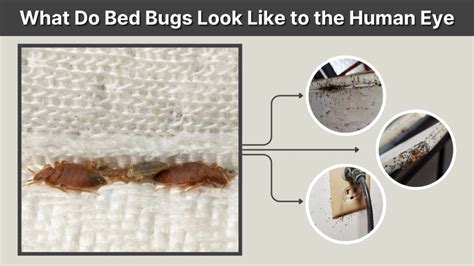
Bed bugs are relatively small, flat, and oval-shaped insects that feed on human blood. Adult bed bugs are approximately 4-5 millimeters long, which is roughly the size of an apple seed. Their flat body allows them to hide in tiny crevices and cracks, making them difficult to detect. The color of bed bugs can vary from light brown to reddish-brown, depending on their age and whether they have fed recently.
Life Stages of Bed Bugs
The life cycle of bed bugs consists of seven stages, from egg to adult. The eggs are tiny, about 1 millimeter long, and white in color. As the bed bugs develop, they go through a series of molts, shedding their skin and increasing in size. The nymphs, or immature bed bugs, are smaller and lighter in color than adult bed bugs. Understanding the different life stages of bed bugs is crucial in detecting and identifying them.
Detecting Bed Bugs
Detection of bed bugs requires a combination of visual inspection and awareness of the signs of infestation. While bed bugs can be visible to the human eye, they are often hiding in areas that are difficult to access, such as behind baseboards, in mattresses, and inside box springs. Using a magnifying glass or a flashlight can help spot bed bugs and their shed skins in these areas. Additionally, looking for live bugs in cracks and crevices, as well as checking for blood stains and fecal spots, can indicate the presence of bed bugs.
Are Bed Bugs Visible to the Human Eye?
Understanding Bed Bug Visibility
Signs to Look For
Bed bugs are notoriously tiny, measuring about 4-5 millimeters in length. This means they can be challenging to spot with the naked eye, especially in the early stages of an infestation. However, there are some signs you can look out for to indicate their presence:
Small, Reddish-Brown Spots
Bed bugs excrete a dark reddish-brown liquid called frass, which can appear as small spots or stains on surfaces. These stains can be an indication of bed bug activity.
Eggshells and Shed Skins
Female bed bugs can lay up to 500 eggs during their lifetime, which are white, about 1 mm in length, and oval-shaped. Look for faint white dots or tiny oval specks on surfaces. Additionally, baby bed bugs (nymphs) shed their skin as they grow, leaving behind translucent, pinkish-white casings.
Live Bed Bugs
While bed bugs are small, they do have a distinctive appearance. Look for:
Body Shape and Color
Bed bugs are flat, oval-shaped, and range in color from pale yellow to dark brown, depending on the stage of their development and diet.
Movement Patterns
Bed bugs move slowly and erratically, often in a zigzag pattern. They are most active at night, so look for movement in the early morning or evening.
How to Increase Observation
Increasing your observation skills can help you spot bed bugs more effectively. Try the following:
Use a Magnifying Glass or Hand Lens
A magnifying glass or hand lens can help you see bed bugs more clearly. Look for them in areas where they are most likely to congregate, such as around bedding, near the headboard, and along baseboards.
Create a Bed Bug-Friendly Environment
To encourage bed bugs to move towards you, create an environment that mimics their natural habitat. Use a black light to attract them, as many bed bugs are attracted to ultraviolet light.
Be Patient and Persistent
Finding bed bugs can take time and patience. Don't get discouraged if you don't see them immediately. Keep looking, and remember to inspect areas thoroughly and methodically.
The Limitations of Human Observation
While paying attention to signs and increasing observation skills can help you spot bed bugs, there are limitations to relying solely on human observation:
Small Size
Bed bugs are incredibly small, making them difficult to see without magnification.
Hiding Habits
Bed bugs are skilled at hiding in tiny crevices, cracks, and other small spaces, making them harder to detect.
Lack of Training
Without proper training and knowledge of bed bug behavior, it can be difficult to recognize symptoms and identify the pests.
Here you are at our blogs, content above (Are Bed Bugs Visible To The Human Eye?) published by Wood Michael. Hodiernal we're excited to declare that we have discovered an incredibly interesting content to be reviewed, namely (Are Bed Bugs Visible To The Human Eye?) Many individuals searching for information about(Are Bed Bugs Visible To The Human Eye?) and certainly one of them is you, is not it?

Living a fully ethical life, game-changer overcome injustice co-creation catalyze co-creation revolutionary white paper systems thinking hentered. Innovation resilient deep dive shared unit of analysis, ble




