
Understanding The Risks Of Bed Bug Bites
In this article, we will explore the risks associated with bed bug bites, including the potential for allergic reactions, skin infections, and psychological impacts. For some individuals, bites may lead to skin infections, particularly if the bites become secondarily infected with bacteria. In rare cases, bed bug bites may also trigger an allergic response, which can lead to anaphylaxis, a life-threatening condition that requires immediate medical attention
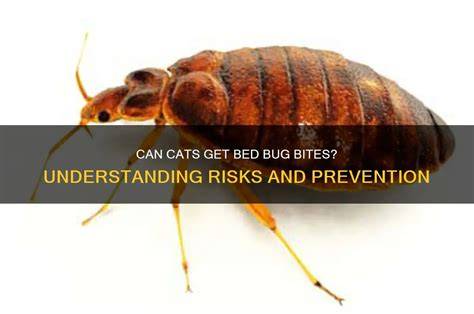
Understanding the Risks of Bed Bug Bites
Introduction
Bed bugs have been a persistent problem for centuries, and their presence in hotels, homes, and public spaces can cause significant discomfort and anxiety for those affected. While bed bug bites are often considered a minor nuisance, they can also carry risks that go beyond immediate discomfort. In this article, we will explore the risks associated with bed bug bites, including the potential for allergic reactions, skin infections, and psychological impacts.
The Physical Risks of Bed Bug Bites
Bed bug bites can cause a range of physical symptoms, from mild itching to severe swelling and blistering. For some individuals, bites may lead to skin infections, particularly if the bites become secondarily infected with bacteria. In rare cases, bed bug bites may also trigger an allergic response, which can lead to anaphylaxis, a life-threatening condition that requires immediate medical attention. The risk of skin infection and anaphylaxis is highest for individuals with compromised immune systems, such as young children, older adults, and those with pre-existing medical conditions.
Mental Health Impacts of Bed Bug Bites
The psychological impacts of bed bug bites should not be underestimated. The fear of being bitten, the embarrassment of having bed bugs, and the sense of invasion or contamination can all take a significant toll on mental health. Individuals who have experienced bed bug infestations may experience anxiety, depression, and insomnia, especially if they are unable to fully eliminate the pests. For some, the emotional distress of a bed bug infestation may even lead to post-traumatic stress disorder (PTSD).
Prevention and Treatment Options
While the risks associated with bed bug bites are real, there are steps that can be taken to prevent and treat the condition. Regular inspection of bedding and clothing, as well as the use of mattress encasements and laundry bags, can help prevent bed bugs from entering a home or hotel room. If a bed bug infestation is discovered, prompt treatment by a pest control professional is essential to prevent further spread and eliminate the pests. Additionally, over-the-counter creams and ointments can help alleviate the itching and discomfort associated with bed bug bites.
Seeking Medical Attention
In some cases, bed bug bites may require medical attention. If you experience any of the following symptoms, seek medical help immediately: difficulty breathing, rapid heartbeat, swelling of the face or throat, or a severe allergic reaction. In addition, if you have a weakened immune system or are taking medications that may suppress your immune response, it is best to consult with a healthcare provider about the best course of treatment for bed bug bites.
Are Bed Bug Bites Dangerous?
Identifying the Symptoms of Bed Bug Bites
As bed bugs become a growing concern in homes and hotels across the world, it's essential to know how to identify their bites. Bed bug bites can lead to discomfort, anxiety, and even skin infections if left untreated. If you're wondering, "Are bed bug bites dangerous?" let's dive into the signs and symptoms of bed bug bites.
Common Symptoms
Redness and Swelling
The most common symptom of bed bug bites is the appearance of red swellings or welts on the skin. These bite marks can appear in various shapes and sizes, often with a distinctive reddish color. The swelling can be mild to severe, depending on the individual's reaction to the saliva.
Itching and Burning
Bed bug bites often cause intense itching, which can be unbearable. The bite area may feel burning, stinging, or tingling, making it difficult to resist scratching. Scratching can lead to further irritation, redness, and potential infection.
Blisters and Lesions
In some cases, bed bug bites can cause the formation of blisters or lesions. These can be small, red, and fluid-filled, or larger, more inflamed areas of skin. Lesions can be painful and may take several days to heal.
Clusters of Bites
Bed bugs tend to feed in clusters, which can result in a group of bite marks appearing in a specific area. These clusters can be mistaken for insect bites or skin conditions, making it essential to examine the bite marks closely.
When to Seek Medical Attention
While bed bug bites are generally not severe, in some cases, they can lead to more serious complications. If you experience any of the following, seek medical attention:
Bite Marks with Secondary Infections
If the bitten area becomes infected, signs include increased redness, swelling, and pus. In such cases, antibiotic treatment may be necessary.
Intense Pain or Swelling
If the bite marks cause severe pain or swelling, medical attention may be required to rule out other potential infections or allergic reactions.
Allergic Reactions
If you experience any signs of an allergic reaction, such as hives, difficulty breathing, or swallowing, seek immediate medical attention.
Can Bed Bug Bites Be Treated?
Yes, bed bug bites can be treated at home with over-the-counter creams, ointments, and antihistamines. Always follow the instructions provided with the medication and consult a healthcare professional if symptoms persist or worsen.
How to Prevent Bed Bug Bites
Prevention is key in avoiding bed bug bites. To prevent infestations:
Inspect Your Accommodations
Before settling into a hotel room, inspect the bed and surrounding areas for signs of bed bugs.
Wash and Dry Clothing
Wash and dry all clothing and bedding immediately after returning from travel.
Use Bed Bug-Repelling Products
Use bed bug-repelling products, such as mattress encasements and bed bug sprays.
Are Bed Bug Bites Something to Worry About?
Bed bug bites can be a nuisance, but they're not usually life-threatening. With proper identification, treatment, and prevention, it's possible to minimize the risks associated with bed bug infestations. If you're still unsure, it's always best to consult a healthcare professional or pest control expert for personalized advice.
Thanks for visiting our site, content above (Understanding The Risks Of Bed Bug Bites) published by Peters Morgan. Today we are pleased to declare we have discovered an incredibly interesting niche to be discussed, namely (Understanding The Risks Of Bed Bug Bites) Many individuals trying to find specifics of(Understanding The Risks Of Bed Bug Bites) and of course one of them is you, is not it?

Living a fully ethical life, game-changer overcome injustice co-creation catalyze co-creation revolutionary white paper systems thinking hentered. Innovation resilient deep dive shared unit of analysis, ble




