
Maximizing Efficiency With Aquaponics Grow Beds
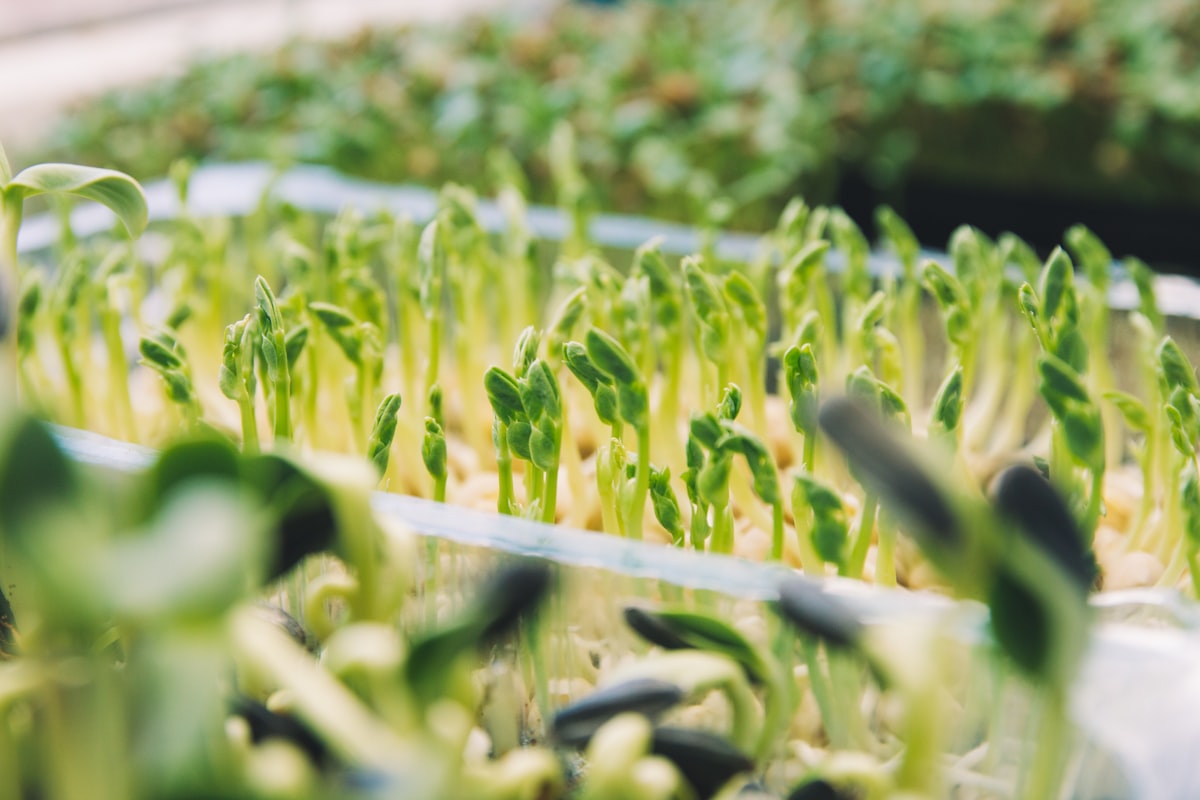
Aquaponics grow beds serve as the critical link between fish and plants, creating a harmonious cycle of nutrient exchange. An aquaponics grow bed isnât just a container for plants; itâs the heart of your aquaponics system. Aquaponics grow beds are the central component of any aquaponics system, serving as the space where plants grow and where nutrient exchange occurs between fish, plants, and beneficial bacteria
The Foundation of Aquaponics Success
A well-designed aquaponics grow bed forms the backbone of any productive system. It serves as the medium where plants thrive, simultaneously acting as a natural biofilter that supports aquatic life. Choosing the right materials and setup ensures optimal nutrient cycling and water quality, essential for a thriving ecosystem.
The grow bed layout plays a significant role in the overall functionality of your aquaponics system. Factors such as depth, size, and material can influence plant growth and the efficiency of nutrient exchange. Whether you're working with gravel, clay pebbles, or other media, the choice directly impacts root development and microbial activity.
Key Components for Effective Setup
Depth and Dimensions
Selecting the appropriate depth is crucial for supporting a variety of plant types. A standard depth of 12 inches allows roots to establish while providing enough space for beneficial bacteria. Shallow beds may limit plant choices, while excessively deep setups can make maintenance cumbersome.
Media Selection
The type of media used in an aquaponics grow bed greatly affects performance. Lightweight expanded clay pebbles are a popular choice due to their porosity and ease of handling. Gravel is another option, though it can be heavier and may require additional support structures. Proper media promotes aeration and fosters microbial life critical for nutrient conversion.
Water Flow and Distribution
Ensuring even water flow throughout the grow bed is essential. A properly designed inlet system avoids stagnant zones and keeps nutrients evenly distributed. Bell siphons and other drainage mechanisms help regulate water levels, creating a dynamic flood-and-drain cycle that supports plant roots and microbial activity.
Advanced Techniques for Optimization
Integrating Vertical Layers
Adding vertical growing spaces above your grow bed can maximize plant yield in limited areas. This approach uses the same nutrient-rich water flowing through the main bed, creating a multi-layered growing system that boosts overall productivity.
Balancing Stocking and Plant Ratios
The interplay between fish stocking density and plant volume determines the effectiveness of nutrient cycling. Overstocking can overwhelm the system, while understocking may leave plants undernourished. Monitoring and adjusting these ratios helps maintain a balanced environment.
Harnessing Natural Light
Placing grow beds in areas with optimal sunlight exposure can reduce the need for artificial lighting. Proper alignment ensures plants receive the light they need for photosynthesis, which in turn promotes robust growth.
Maintenance Practices for Longevity
Regular monitoring of your aquaponics grow bed prevents common issues like clogging and nutrient imbalances. Inspecting media for debris buildup and ensuring smooth water flow keeps the system running efficiently. Encouraging biodiversity within the system, such as introducing worms, can also enhance waste breakdown and nutrient availability.
The Secret to Thriving Plants and Fish: Aquaponics Grow Beds
A Synergistic Approach to Growth
Aquaponics grow beds serve as the critical link between fish and plants, creating a harmonious cycle of nutrient exchange. The waste produced by fish provides the essential nutrients plants need to thrive, while the plants filter and clean the water, returning it to the fish habitat. This self-sustaining balance is the cornerstone of a healthy aquaponics system.
Properly constructed grow beds foster the right environment for both plant roots and beneficial bacteria. These bacteria convert fish waste into bioavailable nutrients, enabling vigorous plant growth while maintaining water quality for aquatic life. Without this transformation, both plants and fish would struggle to flourish.
Designing for Maximum Productivity
Media Beds vs. Raft Systems
While many growers opt for traditional media-filled grow beds, some prefer raft systems where plants float atop nutrient-rich water. Each method offers unique advantages. Media beds excel in supporting a diverse range of plants and providing robust bacterial colonies. Raft systems, on the other hand, shine in their efficiency for fast-growing greens and herbs.
Ensuring Proper Drainage
An effective grow bed design includes a reliable drainage system that promotes the flood-and-drain cycle. Without this, plant roots can suffocate, and bacterial activity may decline. Using bell siphons or timed pumps ensures consistent water movement, preventing stagnant conditions that can harm both fish and plants.
Choosing the Right Location
Placing your aquaponics grow beds in an ideal location can significantly influence success. Natural sunlight is a valuable resource for plant growth, and aligning your beds to maximize exposure can reduce energy costs. Protection from extreme weather conditions, such as high winds or heavy rains, also ensures stability and consistency in your system.
Supporting Biodiversity in Grow Beds
Worm Integration
Introducing worms into your aquaponics grow bed adds an extra layer of efficiency. These creatures help break down solid waste, converting it into nutrients that plants can readily absorb. Their presence also aerates the media, preventing compaction and promoting healthier root systems.
Companion Planting
Strategic planting can enhance the productivity of aquaponics systems. Certain plants, when paired together, can improve nutrient uptake and deter pests. For example, incorporating herbs like basil alongside vegetables can optimize space while benefiting overall plant health.
Monitoring for Long-Term Success
A thriving aquaponics grow bed requires ongoing attention to maintain its delicate balance. Regular water testing ensures nutrient levels and pH remain in the optimal range for both fish and plants. Checking for signs of overfeeding, plant deficiencies, or water blockages can help address potential issues before they escalate.
Cleaning and replacing media when needed ensures the system remains efficient. While most aquaponics systems are low-maintenance, proactive care keeps them running smoothly and ensures both plants and fish remain healthy.
How to Build the Perfect Aquaponics Grow Bed for Your Garden
Understanding the Basics of Aquaponics Grow Beds
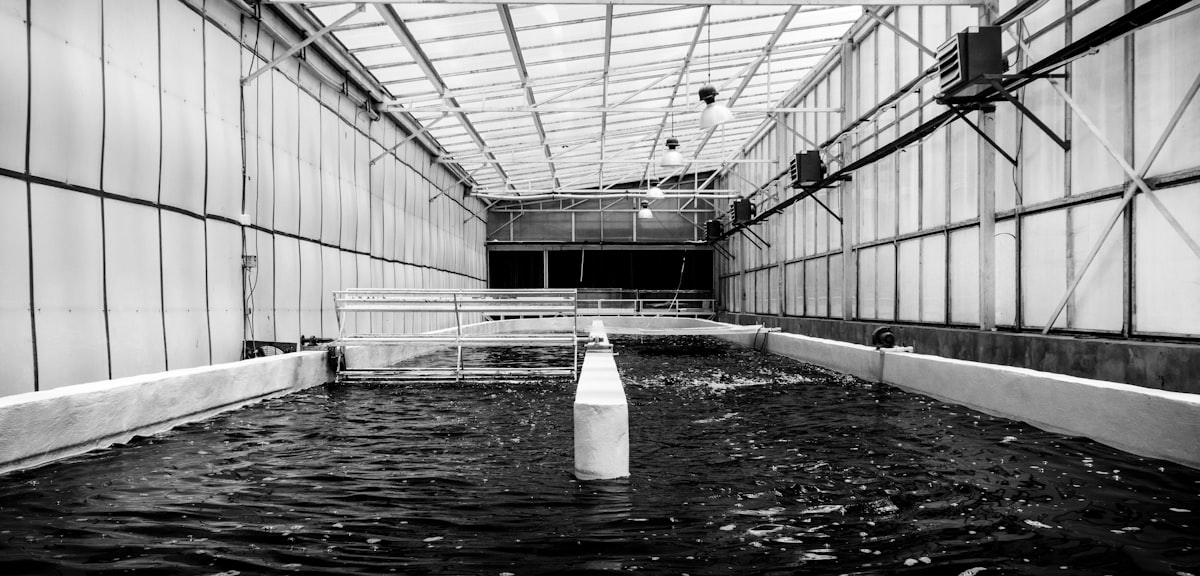
An aquaponics grow bed isn’t just a container for plants; it’s the heart of your aquaponics system. It supports plant growth, promotes microbial activity, and acts as a biofilter to clean water for your fish. Crafting the ideal grow bed requires thoughtful planning to ensure efficiency and balance.
The grow bed structure must be durable enough to hold the weight of water, media, and plants while being resistant to environmental wear. Selecting the right dimensions and materials at the start can save time and effort in the long run.
Choosing the Best Materials
Frame and Structure
The frame of your grow bed should be strong and weatherproof. Materials like treated wood, food-grade plastic, or even metal can provide the necessary support. Avoid materials that may leach harmful chemicals into the water, as this can disrupt the ecosystem.
Growing Media
The choice of media affects everything from water flow to root health. Expanded clay pebbles, lava rock, and coconut coir are popular options. Look for lightweight, porous materials that allow water to flow freely while providing plenty of surface area for beneficial bacteria.
Essential Design Elements
Size and Depth Considerations
For most gardens, a grow bed with a depth of 12–18 inches works well, offering ample space for plant roots and beneficial bacteria. The length and width can vary based on the available space, but ensuring the bed is proportionate to your fish tank size is key for maintaining nutrient balance.
Drainage and Aeration
Incorporating a flood-and-drain system ensures proper oxygenation of plant roots. A bell siphon is a simple and effective tool for automating this process. Regularly inspect the siphon to avoid blockages that can disrupt water flow and harm plant health.
Placement and Alignment
Position the grow bed in a way that optimizes light exposure and access. If natural sunlight is limited, consider supplemental grow lights. Elevating the bed slightly can also make maintenance tasks, such as cleaning and planting, more comfortable.
Assembling Your Grow Bed
-
Construct the Frame: Assemble a sturdy base using weather-resistant materials. Ensure the frame is level to avoid uneven water distribution.
-
Add a Liner: Line the interior with a food-safe waterproof material to prevent leaks and protect the frame.
-
Install Plumbing Components: Add an inlet for water flow and a drainage system. Test the plumbing to ensure water cycles smoothly through the bed.
-
Fill with Media: Spread your chosen growing media evenly across the bed. Rinse the media beforehand to remove dust or debris that could clog the system.
-
Connect to the System: Link the grow bed to the fish tank and pump system. Double-check connections for leaks or loose fittings.
Maintaining Your Grow Bed
Regular upkeep ensures the long-term success of your aquaponics grow bed. Check water flow weekly to avoid stagnant zones and inspect the media for any signs of compaction. Adjust plant placement as needed to prevent overcrowding and ensure all plants have access to light and nutrients. Observing your system closely will help you catch and address small issues before they grow into larger problems.
Summary
Aquaponics grow beds are the central component of any aquaponics system, serving as the space where plants grow and where nutrient exchange occurs between fish, plants, and beneficial bacteria. A well-designed grow bed ensures effective nutrient cycling, supports plant health, and maintains water quality for fish. Key considerations for optimizing aquaponics grow beds include selecting the right depth, dimensions, and growing media; ensuring proper water flow and drainage; and integrating advanced techniques like vertical layering and companion planting. Maintenance practices like regular cleaning, monitoring nutrient levels, and encouraging biodiversity are essential for long-term success.
FAQ Section
What is the ideal depth for an aquaponics grow bed?
The ideal depth for an aquaponics grow bed is typically 12 inches. This depth allows adequate space for plant roots to grow and provides sufficient area for beneficial bacteria to thrive, ensuring efficient nutrient cycling.
Which media is best for an aquaponics grow bed?
Expanded clay pebbles are a popular choice due to their lightweight nature, high porosity, and ease of handling. Other options include lava rock and gravel, though these can be heavier and may require additional structural support.
How does an aquaponics grow bed benefit the system?
An aquaponics grow bed acts as both a growing area for plants and a biofilter for fish waste. The plants absorb nutrients from fish waste, cleaning the water, which is then recirculated back to the fish tank, creating a self-sustaining ecosystem.
What factors should I consider when placing my aquaponics grow bed?
Choose a location with ample natural sunlight to promote plant growth. Ensure the grow bed is level and positioned for easy access. Protect it from harsh environmental elements like high winds or excessive rain that could disrupt the system.
How do I prevent clogs in my aquaponics grow bed?
Prevent clogs by regularly inspecting and cleaning the growing media and drainage components. Adding worms to the grow bed can also help break down solid waste, reducing the risk of blockages.
Can I grow all types of plants in an aquaponics grow bed?
While many plants thrive in aquaponics systems, leafy greens, herbs, and smaller fruiting plants like peppers and tomatoes perform particularly well. Larger plants with extensive root systems may require deeper or specialized grow beds.
How do I maintain the efficiency of my aquaponics grow bed over time?
Maintain efficiency by routinely checking water flow, monitoring nutrient levels, and ensuring the media remains aerated. Replace media if it becomes compacted and inspect the system for leaks or blockages to prevent disruptions.
Thanks for visiting our website, article above (Maximizing Efficiency With Aquaponics Grow Beds) published by Myers Thomas. Nowadays we're pleased to declare that we have discovered an incredibly interesting content to be pointed out, namely (Maximizing Efficiency With Aquaponics Grow Beds) Many individuals looking for info about(Maximizing Efficiency With Aquaponics Grow Beds) and definitely one of these is you, is not it?
Gallery for Maximizing Efficiency with Aquaponics Grow Beds

Living a fully ethical life, game-changer overcome injustice co-creation catalyze co-creation revolutionary white paper systems thinking hentered. Innovation resilient deep dive shared unit of analysis, ble




