
The Unseen Connection: Alcohol And Bed Bugs
The primary reason is that alcohol can kill bed bugs on contact. While alcohol is widely known for its ability to kill bed bugs on contact, thereâs less consensus on whether it can effectively keep them away. While alcohol can be effective for killing bed bugs, using it as a repellent can come with some risks

The Hidden Link Between Alcohol and Bed Bugs
When it comes to pest control, the mention of alcohol and bed bugs often sparks curiosity. Most people don’t realize how alcohol plays a role in dealing with these unwanted critters. For some, the relationship between alcohol and bed bugs is a mystery. It’s not just about drinking or socializing with friends; alcohol, in its various forms, can actually have an impact on how you handle a bed bug infestation.
How Alcohol Affects Bed Bugs
Bed bugs are notorious for their ability to hide and survive in almost any environment, making them challenging to deal with. Alcohol, especially rubbing alcohol, is often recommended as a DIY solution for those seeking to get rid of them. The primary reason is that alcohol can kill bed bugs on contact. When sprayed directly onto these pests, it disrupts their cellular structure, effectively dehydrating and killing them.
Using Alcohol in Pest Control
For those who prefer more natural, non-toxic methods, alcohol is a go-to option. The most commonly used alcohol is isopropyl alcohol, often found in pharmacies or homes. The process involves spraying it directly on the areas where bed bugs are most active, such as on furniture, bed frames, or baseboards. Although effective, it’s not a foolproof method, as alcohol only kills the bugs it touches. Eggs or hidden bugs that aren't directly sprayed might survive, necessitating repeated treatments for complete eradication.
Alcohol as a Deterrent
It’s not just about killing bed bugs with alcohol; there’s also the idea that alcohol can act as a deterrent. The strong smell of alcohol is known to repel some pests. While it may not be a long-term solution, alcohol could potentially make an environment less appealing to bed bugs, discouraging them from taking up residence in treated areas. It’s not a substitute for professional pest control methods, but in conjunction with other strategies, it might provide some relief.
The Risk of Overuse
While alcohol can be effective in controlling bed bugs, overusing it can cause more harm than good. Alcohol can be a fire hazard if not handled carefully, especially in large amounts. It’s also important to remember that alcohol only addresses part of the issue. Bed bugs are skilled at hiding, and using alcohol might not eliminate the infestation completely. A combination of approaches, including regular cleaning, encasements for mattresses, and professional pest control, is usually recommended for the most effective results.
Does Alcohol Have Any Other Effect?
Aside from its practical use in pest control, there’s another curious angle to the relationship between alcohol and bed bugs. Some people claim that alcohol can have an indirect effect on bed bug infestations. In some instances, alcohol consumption may lead to increased body heat and CO2 output, which could attract more bed bugs to a person. Though this theory hasn’t been thoroughly studied, it’s an interesting consideration for anyone dealing with bed bug problems.
Other Natural Alternatives
Though alcohol can help with bed bugs, it’s not the only natural remedy available. People have turned to essential oils like lavender, tea tree oil, and eucalyptus as other natural repellents. These oils are often used in conjunction with alcohol to help create a more robust defense against bed bugs. Additionally, the combination of various treatments, such as heat or even diatomaceous earth, can help target bed bugs in multiple ways.
Understanding Bed Bugs: Myths and Realities
Bed bugs are one of the most misunderstood pests. Over the years, several myths have emerged, often leading to confusion about how to deal with them. In this article, we’ll take a closer look at some of these myths and separate fact from fiction. By understanding the realities of bed bug behavior and infestations, we can better protect our homes and ensure effective treatments.
Myth 1: Bed Bugs Only Live in Dirty Homes
One of the most common misconceptions is that bed bugs are attracted only to dirty or unsanitary homes. The reality is, bed bugs are not picky about their environment. They can thrive in both clean and dirty conditions. Their primary concern is finding a steady food source, which is typically human blood. As long as they have access to a meal, they can infest any space, regardless of its cleanliness.
Myth 2: Bed Bugs Are Only Found in Bedrooms
While bed bugs are most commonly found in bedrooms due to the proximity to their food source, they can be found throughout the home. These pests are experts at hiding in cracks and crevices, which means they can infest other rooms like living areas, bathrooms, and even kitchens. It’s crucial to check all areas of the home, especially if you notice signs of an infestation like bites or blood spots on sheets.
Myth 3: Bed Bugs Bite Only at Night
Though bed bugs are nocturnal creatures, they don’t exclusively bite at night. These pests are opportunistic feeders, meaning they will bite whenever they have access to a host. While they do prefer feeding at night when their host is still, they are not limited to this timeframe. If a bed bug is hungry and you’re nearby, they will find a way to feed, regardless of the time of day.
Myth 4: Bed Bugs Are Impossible to Get Rid of
Another common belief is that once you have bed bugs, you’re stuck with them for good. This isn’t true. While bed bugs can be challenging to eliminate, they are not invincible. There are a variety of methods, including professional pest control, heat treatments, and even DIY solutions, that can help eradicate these pests. However, it’s important to act quickly and effectively to prevent the infestation from spreading.
Myth 5: Bed Bugs Spread Disease
Unlike many other pests, bed bugs do not transmit diseases to humans. While their bites can cause itching, discomfort, and even allergic reactions, bed bugs are not known to spread any illnesses. The main problem with bed bugs is the psychological toll they take on their victims, along with the physical effects of the bites. The idea that they are a serious health hazard is a common misconception.
The Reality of Bed Bug Detection
Spotting a bed bug infestation early can make all the difference. While bed bugs are small and skilled at hiding, there are signs to look out for. If you suspect bed bugs in your home, check for small, reddish-brown insects that are about the size of an apple seed. You might also find tiny blood stains on sheets or furniture, or dark spots of fecal matter in cracks and seams of furniture. If you notice any of these signs, it’s important to take action immediately.
How Bed Bugs Travel
Many people believe that bed bugs only spread through infested furniture or mattresses. In reality, they can hitch a ride on almost anything. They can be transported via luggage, clothing, or even personal items. This makes it easier for them to spread in places like hotels, public transportation, and even through shared living spaces. Being vigilant when traveling or visiting public spaces can help reduce the risk of bringing these pests home.
Bed Bug Prevention is Key
Preventing bed bugs from entering your home is far easier than trying to get rid of them once they’re established. Regularly inspect areas where bed bugs are likely to hide, such as mattress seams, behind headboards, and in baseboards. If you’ve been traveling, inspect your luggage before bringing it into your home. In addition, using protective encasements for mattresses and pillows can help prevent bed bugs from setting up camp in your bedroom.
Can Alcohol Really Repel Bed Bugs?
The question of whether alcohol can repel bed bugs has been a topic of discussion among pest control enthusiasts and homeowners alike. While alcohol is widely known for its ability to kill bed bugs on contact, there’s less consensus on whether it can effectively keep them away. In this article, we’ll explore the role of alcohol in dealing with bed bugs, focusing on its potential as a repellent and how it compares to other methods.
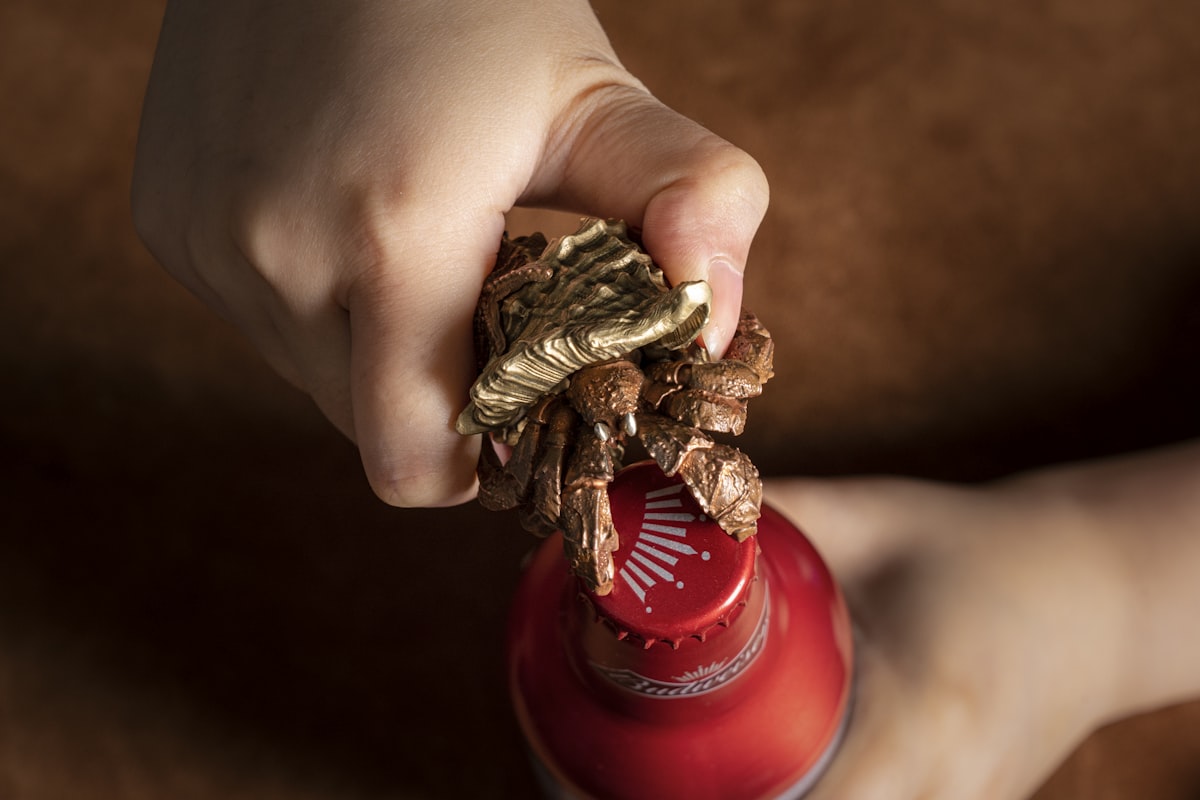
Alcohol as a Bed Bug Killer
Before diving into the idea of alcohol as a repellent, it’s important to first understand its role as a killer. Alcohol, specifically isopropyl alcohol, is often recommended as a quick fix for bed bug infestations. When sprayed directly onto bed bugs, alcohol disrupts their cells and dehydrates them, causing death within a short period. It is this property that makes alcohol a popular choice for those seeking an immediate solution to bed bug problems. However, while alcohol can kill those bed bugs it touches, it does not eliminate the infestation completely, as it has limited residual effects.
The Theory Behind Alcohol as a Repellent
The idea of using alcohol as a repellent stems from its strong, pungent smell. Many pests, including insects, are sensitive to certain odors. Alcohol’s sharp scent is believed to repel bed bugs and other pests, potentially preventing them from entering treated areas. The theory is that spraying alcohol around the perimeter of a bed or other infested area can make it less inviting for these bloodsuckers. However, this claim lacks substantial scientific evidence, and there is limited data on the long-term effectiveness of alcohol as a repellent.
Does Alcohol Actually Repel Bed Bugs?
While alcohol may have some repellent effects, the evidence is not conclusive. Bed bugs are primarily attracted to heat and carbon dioxide emitted by their hosts, rather than smells alone. Therefore, even if alcohol produces an unpleasant odor, it may not be strong enough to consistently deter bed bugs from feeding. In addition, alcohol evaporates quickly, which means any repellent effects would likely diminish soon after application. For those looking to prevent bed bugs from entering their home, more reliable methods—such as sealing cracks and using bed bug-proof encasements—are recommended.
Alcohol vs. Other Natural Repellents
If you're looking for natural ways to repel bed bugs, there are alternatives to alcohol that may offer more lasting results. Essential oils such as lavender, tea tree oil, and eucalyptus have gained popularity as bed bug repellents. These oils contain compounds that are known to irritate and deter various pests, including bed bugs. Unlike alcohol, these oils may provide more sustained repellent effects due to their slower evaporation rates. However, just like alcohol, essential oils may not be foolproof, and a combination of strategies is often necessary to fully protect your home.
Safety Concerns with Alcohol Use
While alcohol can be effective for killing bed bugs, using it as a repellent can come with some risks. First, alcohol is highly flammable, which poses a fire hazard, especially when used in large quantities or near heat sources. Additionally, alcohol can cause damage to furniture, fabrics, and other surfaces, particularly if used frequently or in excess. If you do choose to use alcohol as part of your pest control efforts, be sure to use it cautiously and in well-ventilated areas to avoid any accidents.
The Importance of Professional Help
Although alcohol can serve as a temporary solution for controlling bed bugs, it is not a comprehensive answer to an infestation. For those dealing with more serious bed bug problems, it’s often best to seek professional pest control services. These experts have access to a variety of tools and techniques that are more effective at eliminating bed bugs for good. Professional treatments, such as heat treatments or chemical pesticides, can provide long-lasting results that alcohol simply cannot offer.
The Verdict: Alcohol’s Limited Role
While alcohol may have some effectiveness in killing bed bugs on contact, its ability to repel them is questionable. The short-lived nature of its repellent effects and the potential risks involved in using alcohol make it a less reliable option compared to other pest control methods. If you’re dealing with a bed bug infestation, it’s important to consider a combination of proven treatments and preventive measures to protect your home.
Summary
Alcohol has long been considered an option for dealing with bed bugs, but its effectiveness is a topic of debate. While alcohol, particularly isopropyl alcohol, can kill bed bugs on contact, it doesn’t necessarily repel them or address the full scope of an infestation. It disrupts the pests' cellular structure, causing dehydration and death, but its effects are short-lived and limited to the bed bugs it directly contacts. Alcohol is often used as a quick, temporary solution, though its potential as a long-term deterrent remains unclear. While it might be effective in small-scale treatments, it’s not a comprehensive solution for bed bug control.
Other natural alternatives, such as essential oils, are also explored for their potential in repelling bed bugs. However, these methods should not be seen as substitutes for professional pest control, especially when dealing with large infestations. Additionally, using alcohol comes with safety concerns due to its flammability and potential damage to surfaces. Bed bug prevention and treatment are most successful when combined with a variety of approaches, including professional services and proper home maintenance.
FAQ Section
1. Does alcohol really kill bed bugs?
Yes, alcohol can kill bed bugs on contact. When sprayed directly onto these pests, alcohol disrupts their cellular structure, causing them to dehydrate and die. However, it is not a long-term solution, as it only affects the bed bugs it directly contacts. Alcohol does not eliminate an entire infestation and may require repeated applications.
2. Can alcohol and bed bugs coexist in the same environment?
Alcohol does not provide a lasting barrier to prevent bed bugs from infesting your space. While alcohol might kill or deter bed bugs temporarily, it doesn’t address the root cause of an infestation. Without comprehensive treatment, alcohol and bed bugs can coexist in the same environment, especially if the underlying issue is not properly managed.
3. How does alcohol affect bed bugs compared to other treatments?
Alcohol works by killing bed bugs on contact, but it doesn’t have the residual effects of other treatments like chemical pesticides or heat treatments. While alcohol is a fast-acting solution for killing individual bed bugs, it won’t prevent new ones from entering or address a larger infestation. In contrast, professional treatments offer long-lasting solutions that can fully eliminate the pests.
4. Is alcohol a reliable repellent for bed bugs?
Alcohol is not a reliable repellent for bed bugs. While some people use alcohol in the hopes of deterring bed bugs, its repellent effects are minimal and short-lived. Bed bugs are more attracted to heat and CO2 from humans than to smells, so alcohol’s pungent odor is unlikely to significantly keep them away. More effective repellents include essential oils like lavender and tea tree oil.
5. What are the risks of using alcohol for bed bug control?
Using alcohol to control bed bugs comes with some risks. Alcohol is highly flammable, posing a fire hazard if not used carefully. Additionally, it can damage fabrics, furniture, and other surfaces if applied excessively. Overuse of alcohol may also cause respiratory issues if used in poorly ventilated areas, so it’s important to take precautions when using it as a bed bug treatment.
6. Can alcohol and bed bugs affect sleep quality?
Yes, the presence of bed bugs can affect sleep quality due to the discomfort caused by their bites. While alcohol may kill bed bugs upon contact, it doesn’t address the larger infestation or prevent further bites. For long-term relief and improved sleep, a combination of methods, including professional pest control, is recommended.
Here you are at our website, content above (The Unseen Connection: Alcohol And Bed Bugs) published by Knight Sebastian. Today we're delighted to declare we have discovered a very interesting niche to be reviewed, namely (The Unseen Connection: Alcohol And Bed Bugs) Most people trying to find details about(The Unseen Connection: Alcohol And Bed Bugs) and certainly one of these is you, is not it?
Gallery for The Unseen Connection: Alcohol and Bed Bugs


Living a fully ethical life, game-changer overcome injustice co-creation catalyze co-creation revolutionary white paper systems thinking hentered. Innovation resilient deep dive shared unit of analysis, ble




