
Choosing The Best Bed For Your Toddler
Some beds feature adjustable parts that can accommodate the growth of your child, such as convertible cribs that can be used as a crib and later converted into a toddler bed. By transitioning to a toddler bed, you eliminate the temptation to climb out, as most toddler beds are designed with low sides and safety rails to ensure your child stays safe while sleeping. Many toddler beds are designed with this in mind, offering a height thatâs just right for your child to feel comfortable and safe
Understanding Your Toddler's Sleep Needs
Choosing the right bed for a 1-year-old can feel like a big decision. At this age, toddlers are starting to move around more and develop their own sleep patterns. It’s essential to select a bed that offers comfort, safety, and independence, but it's also about creating a space that encourages healthy sleep habits.
As a parent, you might be wondering when it’s the right time to transition your child to a bed from a crib. Typically, by the time your child turns one, they may begin to outgrow the crib, or you might notice them trying to climb out. This could signal that it’s time to think about a 1-year-old bed.
Types of Beds for Toddlers
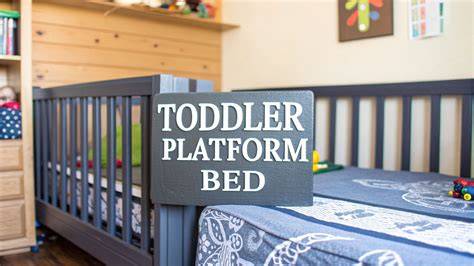
When shopping for a 1-year-old bed, you’ll find a few different options, and each has its advantages. One of the most common choices is a toddler bed, which is a small bed designed to keep your child close to the ground for safety. These beds often use the same mattress as a crib, making the transition smoother. Toddler beds also come with safety rails to prevent your little one from rolling out of bed during the night.
If you want something that can grow with your child, a convertible crib might be the best option. These cribs can be adjusted as your child grows, turning from a crib to a toddler bed, and eventually a full-size bed. This gives you a longer-term solution, which can be more cost-effective in the long run.
Key Features to Look for in a 1-Year-Old Bed
Safety is the top priority when choosing a bed for your toddler. Look for features like rounded edges, sturdy construction, and guard rails to keep your child safe while they sleep. The bed should be low to the ground so your toddler can easily get in and out on their own. This helps foster independence and lets them feel like they have control over their own space.
Comfort is another important factor. Make sure the mattress is firm and offers enough support to help your toddler sleep soundly. A soft mattress might seem comfortable, but it’s not ideal for this age group because it can pose a suffocation risk.
Size Considerations for a Toddler Bed
When it comes to a 1-year-old bed, size matters. You want to choose a bed that’s not too big for your toddler. A bed that’s too large might feel overwhelming, while one that’s just the right size will help your toddler feel cozy and secure. Many toddler beds are designed to be just the right size for a 1-year-old, which means they won’t have too much extra space. The mattress should also fit snugly in the bed frame to avoid any gaps where your toddler could get stuck.
Making the Transition from Crib to Bed
Transitioning your 1-year-old from a crib to a bed can be a challenge. It might take time for your toddler to get used to the new setup, and some toddlers may resist the change at first. One way to ease the transition is to involve your child in the process. Let them pick out their new bedding or a special stuffed animal to make the bed feel more like their own.
Be patient and consistent. If your toddler has trouble staying in bed, try to create a bedtime routine that makes them feel safe and secure. You can also place a nightlight in the room to help them feel more comfortable in the dark.
Budget-Friendly Options
A 1-year-old bed doesn’t have to break the bank. There are plenty of affordable options that provide both safety and comfort. Look for sales, and consider buying second-hand if the bed is in good condition. Just be sure to check for any recalls on the item, and make sure it meets current safety standards.
Some brands offer convertible cribs that are priced reasonably, making it possible to get a bed that your child can use for many years. A toddler bed might be a more affordable initial investment, and if you’re on a budget, it’s a great option.
Popular Toddler Bed Styles
When picking a 1-year-old bed, think about the style that will best suit your child’s personality and the overall theme of the nursery or bedroom. There are plenty of fun designs available, from bed frames that look like race cars to those that are shaped like princess castles. These playful beds can add an element of fun and excitement to the room, helping your toddler feel more excited about the transition.
You can also find minimalist and modern toddler beds that fit into almost any home decor. These styles can easily blend with the rest of your child’s room, creating a soothing, neutral environment that encourages sleep.
Final Thoughts
No matter which bed you choose for your 1-year-old, the key is to ensure it’s safe, comfortable, and fits your child’s needs. Take your time to explore different options, and consider your toddler’s unique preferences. The right bed can make all the difference in helping your child sleep well and feel secure as they grow.
Factors to Consider When Selecting a Toddler Bed
Choosing the right bed for your toddler can be an overwhelming process with so many options on the market. Since a toddler bed is a big investment and plays a critical role in your child's comfort and safety, it’s important to take your time to make the right choice. Here are some key factors to keep in mind when selecting the perfect bed for your little one.
Safety Features
Safety should be your number one priority when selecting a toddler bed. Look for beds with built-in safety features such as guardrails or side rails to prevent your child from falling out while they sleep. Ensure that the bed is low to the ground to minimize injury if your toddler does fall out of bed. A bed with smooth, rounded edges will also reduce the risk of bumps or bruises during playtime. Avoid any bed frames with sharp corners or small gaps that could pose a choking hazard.
Mattress Compatibility
When purchasing a toddler bed, it’s crucial to check the mattress compatibility. Some toddler beds are designed to fit standard crib mattresses, which can save you money if you already have a crib mattress in good condition. However, you should confirm that the mattress fits snugly within the bed frame, as any gaps could pose a safety risk. A firm mattress is recommended for toddlers to provide adequate support for their developing bodies and ensure a safe and comfortable sleep environment.
Size and Space Considerations
Before purchasing a toddler bed, measure your child's room to ensure it will fit properly. Although toddler beds are smaller than full-sized beds, they still require enough space to ensure your child can move around freely. Consider the layout of the room and whether there’s enough room for other furniture or play areas. While it’s tempting to get a bed that fits tightly into a corner or along a wall, ensure your toddler can access the bed easily without feeling restricted.
Durability and Material Quality
At this age, toddlers are naturally curious and active. Their bed needs to be durable enough to withstand jumping, climbing, and regular wear and tear. Look for sturdy, high-quality materials such as solid wood or metal that can endure active use and last for several years. Avoid beds made of flimsy or soft materials that may not hold up well over time. Additionally, make sure the bed’s finish is non-toxic and safe for young children, as they are likely to explore their surroundings with their hands and mouths.
Ease of Transition
Your toddler may be transitioning from a crib or bassinet, so finding a bed that makes the change as easy as possible is key. Some beds feature adjustable parts that can accommodate the growth of your child, such as convertible cribs that can be used as a crib and later converted into a toddler bed. This type of bed allows you to delay purchasing a new bed for a few more years. Beds with simple designs and fewer complex features can also make the transition smoother, as your child will likely be comforted by simplicity and familiarity.
Aesthetic Appeal and Design
A toddler bed is not just a functional piece of furniture—it’s also an important part of your child’s room décor. Choose a bed that fits the overall theme or color scheme of the room. Whether you opt for a bed with playful, whimsical designs, like a bed shaped like a car or a castle, or a more minimalist, neutral design, the bed should feel like a natural part of the space. Your toddler may feel more excited to sleep in a bed that reflects their interests and personality.
Budget-Friendly Options
While it’s important to invest in a quality bed, you don’t have to spend a fortune to get a great toddler bed. There are many budget-friendly options that offer safety, comfort, and style. Look for sales, discounts, or consider buying second-hand furniture if it’s in good condition. Convertible cribs are another budget-friendly option since they can be used for several years as your child grows. Keep in mind that the cost of the bed is only part of the overall expense—you may also need to buy bedding, a mattress, and other accessories.
Easy Maintenance and Cleaning
Since toddlers can be messy, selecting a bed that is easy to maintain is an important consideration. Look for beds with finishes that can be easily wiped clean or that won’t easily show dirt and stains. Additionally, removable mattress covers or waterproof pads can help make cleaning easier and extend the life of the mattress. Beds with simple construction and few nooks and crannies are easier to clean and will save you time on maintenance.
Future Growth
Lastly, consider the long-term needs of your toddler. A bed that can grow with your child will be a great investment. Some beds feature adjustable parts that allow you to expand the size as your child grows, while others can be converted into a larger bed when your child is ready for the next step. If you plan to have more children, investing in a durable and versatile bed may also make sense, allowing it to be reused or passed down in the future.
Selecting the right toddler bed takes time and careful thought. By considering these factors, you can ensure your child sleeps safely and comfortably, while also investing in a bed that will serve them well for years to come.
Benefits of Transitioning to a Toddler Bed at Age 1
The decision to transition your child to a toddler bed at age 1 can be a significant milestone in both their development and your parenting journey. While every child is different, making the move from a crib to a toddler bed can offer several benefits for both your toddler and your family. Here’s why you might consider making the switch at this age.
Promotes Independence
At around the age of 1, toddlers start to develop a stronger sense of autonomy. Transitioning them to a toddler bed can foster this sense of independence by allowing them to get in and out of bed on their own. A toddler bed is typically low to the ground, making it easier for your child to navigate without assistance. This can help boost their confidence and make bedtime a more empowering experience, rather than a restrictive one. Encouraging independence early on can also benefit their overall self-esteem and growth.
Encourages Better Sleep Habits
Moving to a toddler bed may help your child establish better sleep habits. The shift allows for more freedom in their sleep environment, which can result in them feeling more comfortable and secure. Many toddlers find the familiar structure of a crib limiting, and the open feel of a toddler bed gives them more space to stretch out and relax. This could potentially lead to longer, more restful sleep. Additionally, the ability to get in and out of bed independently may also help them learn to self-soothe, which can reduce nighttime awakenings.
Reduces the Risk of Climbing Out of the Crib
As toddlers become more mobile, they may begin trying to climb out of their crib, which can be dangerous. The risk of falling or injuring themselves is a significant concern. By transitioning to a toddler bed, you eliminate the temptation to climb out, as most toddler beds are designed with low sides and safety rails to ensure your child stays safe while sleeping. This transition helps minimize the risk of falls and provides a safer sleep environment for your growing toddler.
Provides a Smoother Transition to a Big Kid Bed
Switching to a toddler bed at age 1 can serve as a bridge between the crib and a full-sized bed. The smaller, familiar size of a toddler bed makes it easier for your child to adjust to a new sleeping arrangement. Since toddler beds often feature similar elements as cribs, such as the same mattress or similar bedding, the transition feels less abrupt. This gradual shift can help your toddler feel more secure as they move toward the next stage in their sleep journey, ultimately making the switch to a "big kid" bed much easier later on.
Makes Room for Siblings
If you’re expecting another child, transitioning your toddler to a toddler bed can free up the crib for the newborn. While this transition may take some time for your toddler to adjust to, it’s a practical solution that helps you prepare for the arrival of your second child. By giving your toddler their own bed, you’ll ensure that they have enough space and comfort as they sleep, while also accommodating the new arrival without any disruptions to your toddler’s routine.
Supports Physical Development
At age 1, toddlers are typically learning to walk and gaining more control over their movements. A toddler bed, with its low profile and easy access, supports their growing physical abilities by allowing them to move freely in and out of bed. This freedom can encourage physical development as they practice standing, climbing, and getting into bed independently. As they grow more coordinated, they’ll also begin to understand their physical limits, helping to build better motor skills.
Strengthens the Parent-Child Bond
The transition to a toddler bed often comes with new routines and rituals, like reading a bedtime story or engaging in a more interactive bedtime experience. These moments can become opportunities to bond with your child, as they may now require more attention and comfort during the transition. Being present during this adjustment period can help reinforce a sense of security and love, which is essential for your child’s emotional development. Your involvement can make bedtime feel special and positive, building trust and closeness.
Reduces Dependency on the Crib
As your child approaches their first birthday, they are ready for new experiences that help them grow. Moving to a toddler bed helps reduce their dependency on the crib, which they may begin to outgrow mentally and physically. Giving them a new space to sleep helps them develop new routines and adapt to the next phase of growth. While it can be a big change, it signals a fresh start and prepares them for more complex challenges as they age.
Easier for Potty Training
If your child is beginning to show signs of potty training, transitioning to a toddler bed might make the process easier. A bed with open access and the ability to get in and out freely encourages your toddler to learn more about their body and begin responding to natural urges at night. Since they are no longer confined by crib rails, they can get up to go to the bathroom without assistance, helping to promote independence and faster potty training progress.
Tailored Comfort for Growing Kids
As your toddler grows, they may start to need more comfort and support during sleep. Toddler beds typically offer better comfort than cribs, as they can accommodate different types of mattresses that are firmer and better suited to your toddler’s needs. With more space to stretch out and move around, your child will likely enjoy more restful sleep. The ability to customize the bed with blankets and pillows that reflect their preferences also helps create a more personalized sleeping experience.
Transitioning to a toddler bed at age 1 offers several developmental, emotional, and practical benefits for both you and your toddler. It provides an opportunity for growth, independence, and comfort, all while ensuring safety and supporting their changing needs.
Top Safety Features for Toddler Beds
When it comes to selecting a toddler bed, safety should always be your top priority. At this stage of development, toddlers are still mastering their coordination and balance, so a safe sleeping environment is crucial for their well-being. From preventing falls to ensuring stability, the right safety features can make a significant difference in both your peace of mind and your child's security. Below are the top safety features to look for when choosing a toddler bed.
Low Height for Easy Access
One of the most important safety features of a toddler bed is its height. A bed that sits low to the ground minimizes the risk of injury if your child happens to fall out of bed during the night. Since toddlers are still developing their motor skills, being closer to the floor makes it easier for them to climb in and out of bed independently without the danger of a high fall. Many toddler beds are designed with this in mind, offering a height that’s just right for your child to feel comfortable and safe.
Guardrails and Side Rails
To prevent your toddler from rolling out of bed while they sleep, guardrails or side rails are essential. These rails provide an added layer of security by creating a barrier between your child and the floor. Look for beds with full-length guardrails that extend along both sides of the bed, ensuring that your child stays securely in place. If the bed has only one rail, ensure it’s positioned on the side that’s closest to the wall or other sturdy objects. A solid, reliable rail can help prevent nighttime tumbles and provide a sense of security as your child sleeps.
Rounded Edges and Smooth Surfaces
Since toddlers are naturally curious and prone to exploring, a bed with sharp corners or rough surfaces can lead to unnecessary accidents. Beds with rounded edges reduce the risk of cuts or bruises if your child bumps into the frame during play or sleep. Look for furniture that has been specifically designed with child safety in mind, ensuring that all corners are rounded and that surfaces are smooth to the touch. The absence of sharp edges can make a significant difference in keeping your child safe during their everyday movements.
Sturdy Construction and Quality Materials
Durability and stability are crucial when it comes to toddler bed safety. A sturdy bed frame ensures that the bed will hold up to active use and won’t tip over if your child leans on it or tries to climb. Be sure to check that the bed is made from high-quality materials like solid wood or metal, which are more durable than particleboard or plastic. A well-constructed bed will not only last longer but will also provide a secure foundation for your child’s sleep.
Non-toxic Paint and Finishes
Since toddlers are often in close contact with their furniture, it's essential to ensure that the bed is free of harmful chemicals. Look for toddler beds that are painted with non-toxic, lead-free finishes. Some beds are certified as safe for children, meaning they meet strict standards for chemical safety. Choosing a bed with a non-toxic finish ensures that your child isn’t exposed to harmful substances while they sleep or play in their bed.
Stable Mattress Support System
A safe mattress is just as important as a safe bed frame. Ensure that the toddler bed you choose has a stable mattress support system to keep the mattress from sagging or shifting. A well-secured mattress prevents any gaps between the mattress and the bed frame, which could present a hazard. The slats or base of the bed should be strong enough to support the mattress evenly and prevent any instability that could lead to an unsafe sleeping surface. A firm mattress that fits snugly in the bed frame is ideal for supporting your toddler’s developing body.
No Exposed Screws or Hardware
When assembling a toddler bed, it's essential to ensure there are no exposed screws, bolts, or hardware that could pose a safety risk. Sharp or loose hardware can cause injury if your toddler comes into contact with it. Many well-designed toddler beds conceal screws and other hardware inside the frame, keeping them out of reach from curious hands. Be sure to inspect the bed before use, and ensure that all components are securely fastened to avoid any potential hazards.
Proper Ventilation
Good airflow is important to keep your child comfortable and safe while sleeping. A bed with proper ventilation helps regulate temperature, reducing the risk of overheating, which is a common concern for young children. Look for beds with slatted sides or breathable materials that allow air to circulate freely. This ventilation feature also helps reduce the buildup of moisture, which can contribute to mold or mildew, keeping your child's sleep environment healthy and hygienic.
Compliance with Safety Standards
Finally, always ensure that the toddler bed meets the safety standards set by organizations such as the Consumer Product Safety Commission (CPSC). Beds that are CPSC-certified are rigorously tested to ensure they adhere to safety guidelines for durability, stability, and materials. This certification gives parents peace of mind, knowing that the bed has passed the necessary safety inspections and meets the required regulations for children's furniture.
Easy to Maintain and Clean
While not a safety feature in the traditional sense, easy-to-clean materials and construction can help maintain a safe and hygienic sleep environment. Toddlers can be messy, and a bed that’s easy to clean helps prevent the buildup of germs, dust, and allergens. Look for a bed with smooth, wipeable surfaces that are resistant to stains and dirt. Additionally, mattress covers or removable bedding can help maintain cleanliness and provide an extra layer of protection against accidents.
When selecting a toddler bed, safety should be your top concern. By focusing on features like low height, guardrails, sturdy construction, and non-toxic finishes, you can create a sleep environment that is both secure and comfortable for your child. Investing in a bed that meets these safety standards will ensure that your toddler can sleep soundly while minimizing the risk of accidents and injuries.
Summary
Choosing the best bed for your toddler is a significant decision that impacts both their comfort and safety. At age 1, many toddlers begin to outgrow their crib, making it an ideal time to consider transitioning to a toddler bed. Key factors to keep in mind include ensuring safety features like guardrails, low height, and rounded edges to prevent accidents. It's also important to choose a bed that supports your toddler's physical development and encourages independence. Whether you opt for a convertible crib, a toddler bed, or a unique themed bed, it's essential to select a bed that will accommodate your child's needs and preferences. Additionally, focusing on comfort, durability, and ease of maintenance will contribute to a safer and more enjoyable sleep experience for both your child and yourself.
FAQ
1. When should I transition my child to a 1 year old bed?
The right time to transition to a 1 year old bed depends on your child's growth and development. Many parents start the transition when their child begins to show signs of outgrowing their crib, such as attempting to climb out. Typically, around 12-18 months is when most toddlers are ready for the move to a toddler bed. It's important to ensure your child is physically capable of getting in and out of bed safely.
2. Is a toddler bed necessary for a 1 year old?
While a toddler bed is not strictly necessary for a 1 year old, it can be beneficial for both safety and comfort. A toddler bed, with its low height and safety rails, provides a more secure environment as your child moves from a crib. Many parents find that a 1 year old bed is a great choice for fostering independence and creating a more age-appropriate sleep space.
3. What features should I look for in a 1 year old bed?
When choosing a 1 year old bed, prioritize safety features like guardrails or side rails to prevent falls. A low-profile bed ensures your toddler can easily climb in and out without risk of injury. Additionally, choose a bed made from durable, non-toxic materials that offer stability and comfort. Make sure the mattress fits snugly and offers the right support for your growing child.
4. Can I use my crib mattress for a 1 year old bed?
Yes, many toddler beds are designed to fit the same size mattress as a crib mattress. If your crib mattress is in good condition and fits the toddler bed securely, it can be a cost-effective way to transition your 1 year old into their new bed. Just ensure that there are no gaps between the mattress and the bed frame, as this could pose a safety risk.
5. How do I make the transition to a 1 year old bed easier?
To make the transition to a 1 year old bed smoother, involve your child in the process by letting them choose their bedding or a favorite stuffed animal for comfort. Establish a consistent bedtime routine that reinforces security and familiarity. It may take time for your toddler to adjust, so be patient and provide plenty of reassurance during the change.
6. What are the best types of beds for a 1 year old?
The best beds for a 1 year old are those that prioritize safety and comfort. A standard toddler bed with guardrails and a low profile is a great option for most children. Convertible cribs that can transition from a crib to a toddler bed offer long-term value. Additionally, themed beds or beds with fun designs may make the transition more exciting for your child, helping them feel more comfortable in their new space.
Here you are at our site, content above (Choosing The Best Bed For Your Toddler) published by Wilkinson Billy. Hodiernal we are delighted to declare we have found an incredibly interesting topic to be pointed out, namely (Choosing The Best Bed For Your Toddler) Some people looking for info about(Choosing The Best Bed For Your Toddler) and of course one of them is you, is not it?

Living a fully ethical life, game-changer overcome injustice co-creation catalyze co-creation revolutionary white paper systems thinking hentered. Innovation resilient deep dive shared unit of analysis, ble




