
What Is A Cornice Valance?
A cornice valance is a type of window treatment that combines both decorative and functional elements. When choosing a cornice valance, consider the style of the room and the type of window treatment it will be paired with. A cornice valance is a type of window treatment used to enhance the appearance of a room
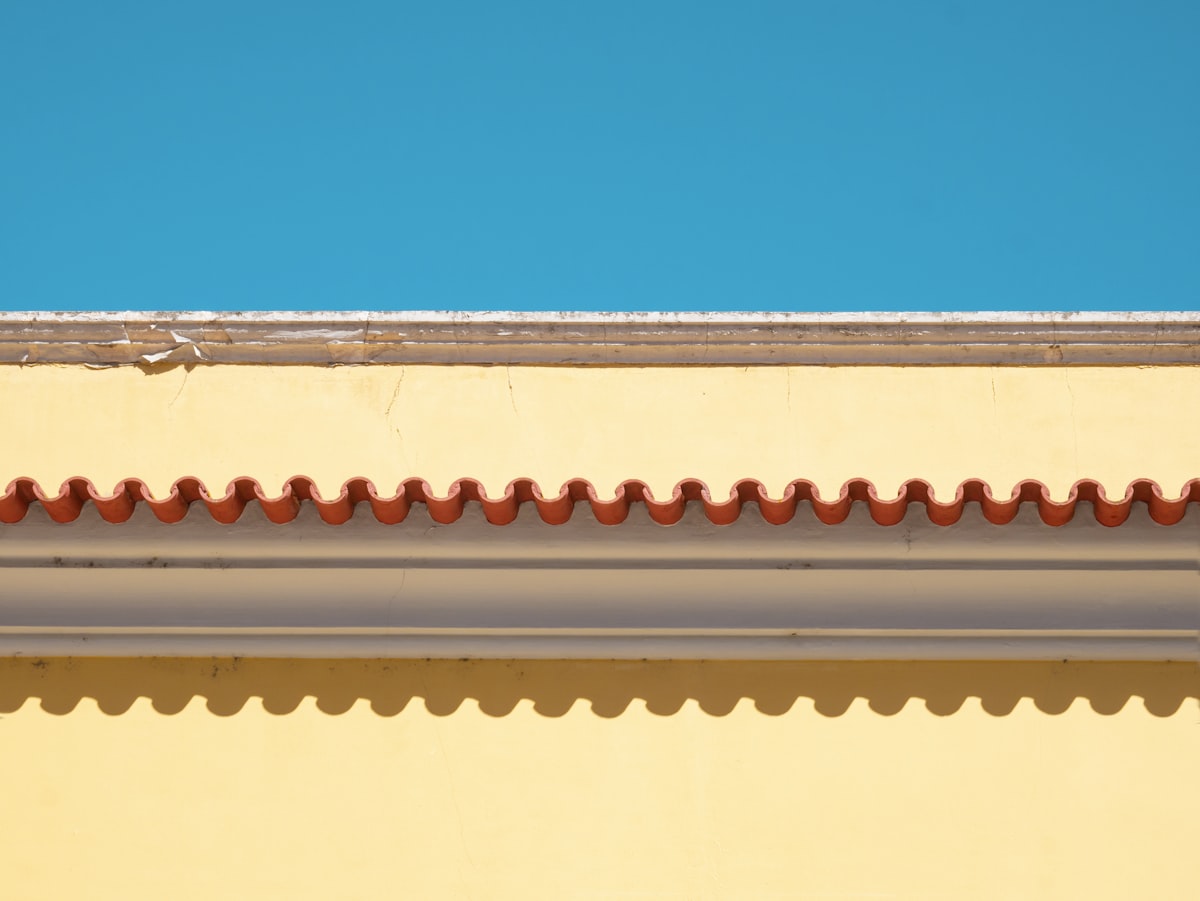
Definition of a Cornice Valance
A cornice valance is a type of window treatment that combines both decorative and functional elements. It typically refers to a fabric or wood structure that covers the top portion of a window, concealing curtain rods or blinds. While cornice valances are primarily used for aesthetic purposes, they also serve to enhance the overall appearance of the window treatment by providing a clean, polished look.
Purpose of a Cornice Valance
One of the main purposes of a cornice valance is to provide an elegant finish to the window. It can complement other types of window coverings such as drapes, blinds, or shades, adding a layer of sophistication. Additionally, cornice valances can help block out light from above, offering some level of privacy and reducing glare.
Types of Cornice Valances
Cornice valances come in a variety of materials and designs. They can be made of fabric, wood, or metal, with fabric being the most common choice due to its versatility. Fabric cornice valances can feature a range of textures, patterns, and colors, allowing for easy integration into different interior styles. Wooden cornice valances offer a more classic, traditional look, while metal versions tend to provide a modern, sleek appearance.
Installation of a Cornice Valance
Installing a cornice valance involves mounting it above the window frame. The structure is often attached to a wall or directly to the ceiling using brackets or screws. The mounting hardware is usually hidden by the valance itself, giving the appearance of a seamless, floating piece. It can be used independently or as part of a layered window treatment setup.
Benefits of Using a Cornice Valance
A cornice valance offers several advantages for homeowners looking to enhance their interior design. It can help balance the proportions of a room by drawing attention upwards, making the space feel taller. The added texture and color also contribute to the overall ambiance of the room. Additionally, because the cornice covers the hardware of other window treatments, it creates a more refined and polished look.
Choosing the Right Cornice Valance
When choosing a cornice valance, consider the style of the room and the type of window treatment it will be paired with. If the room has a traditional or formal aesthetic, a wooden cornice valance might be a suitable option. For a more casual or contemporary look, a fabric cornice valance in a bold color or print could be the perfect choice. It's also essential to consider the size of the window to ensure the valance fits properly and complements the overall proportions of the space.
Definition
A cornice valance is a type of window treatment used to enhance the appearance of a room. It is typically placed at the top of a window or drapery, serving both functional and decorative purposes. Unlike traditional valances, which hang down from the window, a cornice valance is usually a solid, structured piece that covers the upper part of the window. It can be made from various materials such as wood, fabric, or even a combination of both.
Purpose
The primary purpose of a cornice valance is to conceal curtain rods or blinds, creating a polished, finished look. It helps to frame the window and can complement the overall decor of a room. Cornice valances can also serve as a way to add texture, color, or pattern to a space, making them versatile for different interior design styles.
Design Variations
Cornice valances come in various designs, ranging from simple, straight edges to more intricate, curved shapes. They can be fully upholstered with fabric for a soft look or constructed with wood for a more rigid, structured appearance. Some designs include decorative elements such as fringe, pleats, or tassels, while others maintain a sleek, minimalist style.
Installation
The installation of a cornice valance is relatively straightforward. It is typically mounted on the wall above the window or on the ceiling, depending on the desired look. A bracket or a mounting system holds the cornice in place. For fabric-based cornices, a wooden base is often used to support the fabric, which is then stapled or sewn into place.
Benefits
One of the main benefits of a cornice valance is its ability to create a finished, cohesive look for the window treatment. It also helps to add height to a room, making ceilings appear taller. Furthermore, the structure of a cornice valance can contribute to better light control and insulation, as it can block light from entering through the top of the window.
Cornice Valance vs. Traditional Valance
While both cornice valances and traditional valances serve similar purposes in window treatment design, the key difference lies in their structure. Traditional valances are often made of soft, flowing fabrics that hang from a rod or wire, whereas cornice valances are more rigid and structured, providing a cleaner, more tailored appearance.
What is a Cornice Valance?
Cornice valances are decorative window treatments that combine both aesthetic appeal and functional benefits. They are typically installed at the top of windows and can significantly enhance the style of a room. Understanding the different types of cornice valances can help you choose the one that best suits your space and design preferences.
Types of Cornice Valances
Cornice valances come in a variety of styles, each offering a unique look and functionality. Here are some of the most popular types:
1. Traditional Cornice Valance
Traditional cornice valances are often made from wood or sturdy materials, offering a more structured and formal appearance. They usually cover the top portion of the window, sometimes extending along the sides as well, to create a bold, finished look.
2. Fabric Cornice Valance
Fabric cornice valances are designed using soft materials like cotton, linen, or velvet. These can be tailored to suit any home décor, with various colors and patterns available to complement your room’s design. Fabric options provide a softer and more elegant look than wooden or metal alternatives.
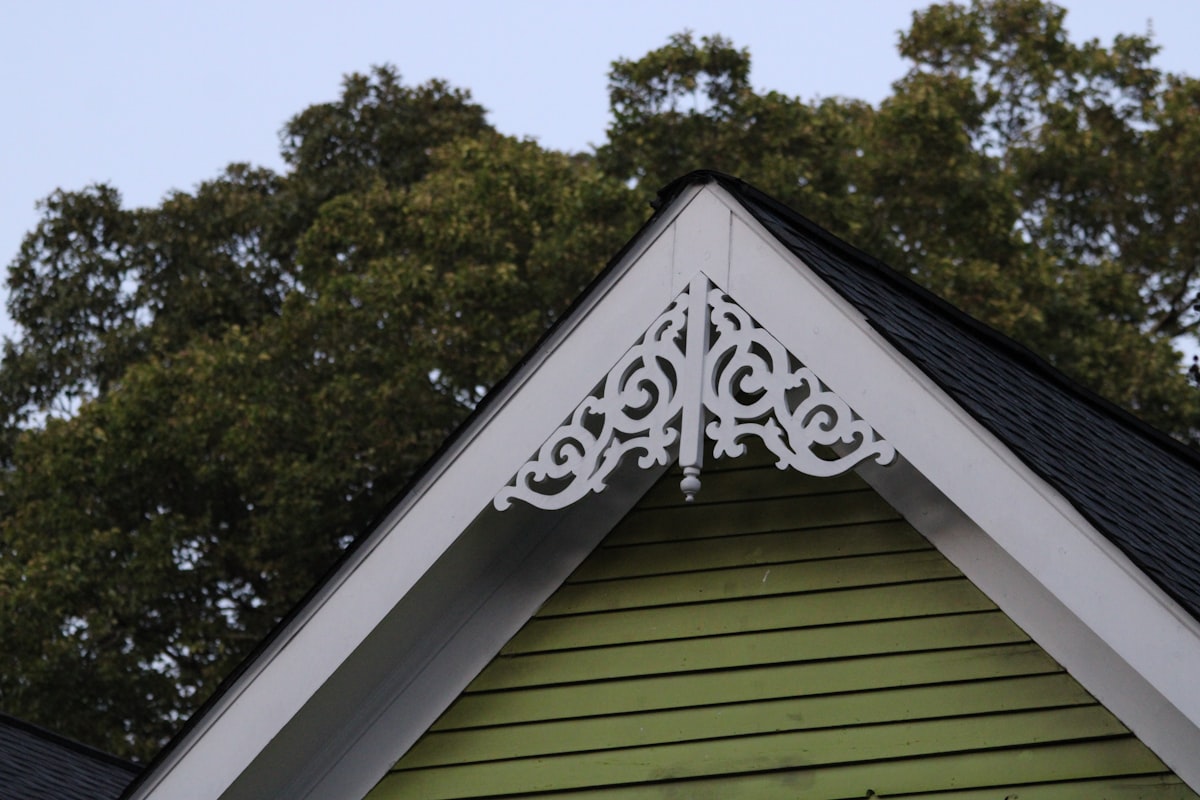
3. Box Cornice Valance
A box cornice valance is a more contemporary style that features a box-like structure made of wood, metal, or fabric. The box shape is simple and clean, offering a sleek, modern appearance that works well with minimalist and contemporary interiors.
4. Swag Cornice Valance
Swag cornice valances are characterized by luxurious, flowing fabric that is draped over a rod or valance board. This type of cornice adds drama and elegance to a room and is perfect for traditional or opulent settings. It often features a layered design, creating a sense of fullness and volume.
Choosing the Right Cornice Valance for Your Space
When deciding "what is a cornice valance" for your home, it's essential to consider the overall aesthetic of the room. From traditional to modern designs, there are plenty of options to choose from, each bringing a unique style and vibe to your living space. The right type of cornice valance can elevate the ambiance and create a refined, finished look for your windows.
What is a Cornice Valance?
A cornice valance is a type of window treatment that combines both functionality and decorative style. It is a piece of fabric, wood, or other material designed to cover the top portion of a window. The primary purpose of a cornice valance is to hide curtain rods or blinds, creating a neat and polished look. However, cornice valances can also be used to add color, texture, and character to a room's decor.
Types of Cornice Valances
Cornice valances come in various shapes, sizes, and materials. Each type serves different purposes depending on the design preferences and functional requirements of the space.
Fabric Cornice Valance
A fabric cornice valance is a soft, elegant treatment that typically uses heavy fabric to form a structured design. It can be pleated, gathered, or tailored to fit the style of the room.
Wooden Cornice Valance
Wooden cornices are often used in more traditional or formal settings. They offer a sturdy, architectural look that adds a sense of permanence and refinement. Wooden cornices can be intricately carved or simply constructed depending on the desired aesthetic.
Foam or Upholstered Cornice Valance
For a softer, more padded look, foam or upholstered cornices are often used. These provide a cushioned effect and can be covered in any type of fabric for customization.
Installation
Installing a cornice valance can be a straightforward task if you have the right tools and preparation. Whether you're installing a fabric or wooden cornice, the following steps will guide you through the process.
Materials Needed
To begin, you will need a few essential materials: a tape measure, a drill, screws, a level, and brackets (for both fabric and wooden cornices). For fabric cornices, fabric, a stapler, and upholstery foam may also be needed.
Measuring for a Cornice Valance
Accurate measurements are crucial for ensuring that your cornice valance fits perfectly. Measure the width of your window and decide how high above the window you want your cornice to sit. Typically, a cornice valance extends several inches above the window frame for a clean look. The length of the cornice should be just slightly wider than the window itself for full coverage.
Mounting the Brackets
For both fabric and wooden cornices, you'll first need to mount the brackets. Use a level to ensure they are straight and properly aligned. Mark the placement of the brackets with a pencil, drill holes for the screws, and then securely attach the brackets to the wall or window frame.
Attaching the Cornice Valance
Once the brackets are in place, the cornice valance can be mounted. For fabric cornices, you will typically attach it by stapling the fabric to the wooden or foam structure. Wooden cornices may be directly placed on the brackets or secured with screws depending on the design.
Final Touches
After the cornice valance is mounted, take a step back to assess the overall look. Adjust the fabric or structure if necessary to ensure the cornice is centered and straight. You can also add decorative touches, such as trim or tassels, for a more polished appearance.
Maintenance of Cornice Valances
Maintaining a cornice valance depends on the material it is made from. Fabric cornices may require occasional cleaning or steaming to remove wrinkles, while wooden cornices should be dusted regularly. Make sure to inspect the brackets periodically to ensure the cornice stays securely in place.
Thanks for visiting our site, article above (What Is A Cornice Valance?) published by Price Harry. Nowadays we're pleased to announce that we have found an incredibly interesting topic to be pointed out, namely (What Is A Cornice Valance?) Some people looking for details about(What Is A Cornice Valance?) and of course one of these is you, is not it?
Gallery for What is a Cornice Valance?

Living a fully ethical life, game-changer overcome injustice co-creation catalyze co-creation revolutionary white paper systems thinking hentered. Innovation resilient deep dive shared unit of analysis, ble




