
Valances And Swags For Windows
Valances and swags for windows are decorative window treatments designed to add elegance and style to a room. Tailored swags can be paired with valances to create a layered, sophisticated look that enhances the elegance of your windows. Valances and swags for windows are decorative elements that add elegance and style to your homeâs window treatments
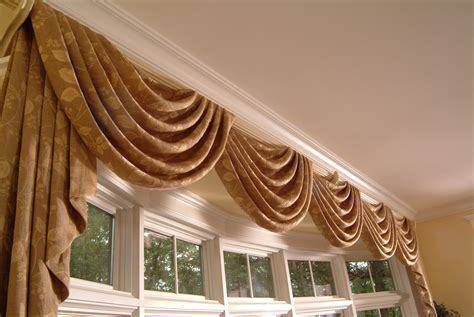
What Are Valances and Swags for Windows?
Valances and swags for windows are decorative window treatments designed to add elegance and style to a room. These pieces often serve as accent elements, drawing attention to the window while providing a soft, tailored look. Valances are typically shorter, covering only the top portion of the window, while swags feature a more fluid, draped appearance that cascades down over the window frame.
Types of Valances and Swags
Valances and swags come in various styles to suit different types of home decor. Some popular options include:
- Box Pleat Valance: Features pleats for a structured, formal look.
- Tailored Valance: A sleek, simple style that complements modern interiors.
- Scarf Swag: A loose, flowing piece of fabric draped in a soft curve.
- Swag and Jabots: This combination includes a swag draped over the window and jabots hanging down the sides for added detail.
Materials Used for Valances and Swags for Windows
The choice of fabric can significantly impact the overall appearance of the window treatment. Some common materials include:
- Cotton: Offers a crisp, clean look, ideal for casual or country-style interiors.
- Silk: Adds luxury and refinement, often used in formal settings.
- Velvet: Creates a rich, textured look, often in darker tones for a dramatic effect.
- Linen: Provides a relaxed, natural aesthetic, perfect for coastal or farmhouse-inspired rooms.
Benefits of Valances and Swags for Windows
In addition to their visual appeal, valances and swags offer several practical advantages. They can:
- Conceal hardware: Hide curtain rods, blinds, or other window treatment mechanisms.
- Soften light: Provide a gentle diffusion of natural light while maintaining privacy.
- Enhance room proportions: Shorter valances can make windows appear taller, while swags can soften harsh lines or architectural features.
Installing Valances and Swags for Windows
The installation process for valances and swags is relatively simple, though it does depend on the specific style and design chosen. Here are a few steps to guide you:
- Measure your window: Ensure you have accurate measurements before purchasing fabric or hardware.
- Choose the right mounting option: Valances and swags can be mounted using a variety of methods, such as a curtain rod, tension rod, or even decorative hooks.
- Proper placement: Mount the hardware at the top of the window or just below the ceiling for a heightened appearance.
Styling Tips for Valances and Swags
- Pair with Curtains: For a more layered look, combine valances and swags with curtains or drapes in complementary fabrics and colors.
- Color Coordination: Choose colors that match or contrast with the room’s walls and furnishings to create a balanced look.
- Consider the Room's Function: In a bedroom or living room, opt for heavier fabrics that offer a sense of luxury, while in kitchens or bathrooms, lighter materials may be more practical.
Where to Use Valances and Swags for Windows
Valances and swags can be used in a variety of spaces, including:
- Living Rooms: To add elegance and complement other window treatments.
- Kitchens: For a charming, casual look that enhances the space.
- Bedrooms: To create a soft, romantic atmosphere.
- Entryways: To make a grand first impression when guests enter your home.
Maintaining Valances and Swags for Windows
To keep your valances and swags looking their best:
- Regular Dusting: Gently dust them using a soft brush to remove dust and debris.
- Spot Cleaning: For stains, spot clean the fabric with a mild detergent or fabric cleaner.
- Dry Cleaning: For delicate fabrics like silk, consider professional dry cleaning to preserve their texture and appearance.
Valances and Swags for Windows in Modern Decor
While traditional in design, valances and swags for windows have evolved over time to fit into modern interiors. Streamlined versions, with minimalist lines and sleek materials, can provide a contemporary update to these classic treatments. Experimenting with different textures, colors, and mounting options can help integrate them into a variety of decorating styles.
Benefits of Valances and Swags for Windows
Enhance Aesthetic Appeal
Valances and swags for windows add a touch of elegance and sophistication to any room. Their soft, flowing fabric creates a refined look that complements various interior styles, from traditional to contemporary. Whether you opt for intricate designs or simple, flowing drapes, they serve as the perfect finishing touch to your window treatments.
Versatility in Style and Fabric Choices
One of the key advantages of valances and swags for windows is their versatility. Available in an extensive range of fabrics, colors, and patterns, they can be customized to suit any décor. From luxurious velvet to lightweight linen, these window treatments provide endless possibilities for creating a tailored look in any space.
Concealment of Window Hardware
Valances and swags can effectively hide curtain rods, blinds, or other hardware that may otherwise be unsightly. This helps create a polished, cohesive look without distracting from the overall design of the room. For homeowners looking to elevate their space, this subtle benefit enhances the overall aesthetic without the need for complex installation.
Added Layer of Insulation
While primarily decorative, valances and swags for windows can also contribute to insulation. The layers of fabric can help reduce heat loss during colder months, making your space feel more comfortable. This benefit, though modest, can support energy efficiency when used in conjunction with other window treatments like drapes or shades.
Softness and Texture to the Room
The texture and flow of fabric used in valances and swags create a soft, inviting atmosphere. These window treatments add dimension to a room, softening the hard lines of windows and providing a more comfortable and relaxed feel. They work particularly well in spaces like living rooms and bedrooms, where ambiance is key.
Budget-Friendly Window Treatment Option
Valances and swags for windows can provide a cost-effective way to update your home’s window dressings without the need for expensive full-length curtains or custom drapery. They offer a visually appealing option that requires fewer materials, making them more budget-friendly while still creating a stylish impact.
Easy to Install and Maintain
Unlike heavy curtains or blinds, valances and swags are relatively easy to install, even for those with little DIY experience. Most are designed to be mounted on a simple curtain rod or a decorative pole. Additionally, they are typically low-maintenance, as they require minimal cleaning—often just an occasional dusting or gentle machine washing, depending on the fabric.
Types of Valances and Swags for Windows
1. Box Valances
Box valances offer a clean, structured look, ideal for a more tailored or formal window treatment. These valances feature a rigid, box-like structure that hangs flat across the top of the window, giving a neat, symmetrical appearance. Box valances can be made from a variety of materials, including fabrics such as silk, cotton, or velvet, and are often paired with drapery or blinds for a complete window treatment.
2. Balloon Valances
Balloon valances are known for their soft, voluminous appearance. The fabric is gathered and puffed up in pleats, creating a "ballooned" effect. This style is typically made from lightweight fabrics, which add a touch of elegance and airiness to any room. Balloon valances are perfect for traditional or cottage-style interiors, adding a whimsical and romantic touch to the window.
3. Scarf Swags
Scarf swags are a flexible and versatile option for window treatments. A long piece of fabric is draped over a rod or across the top of the window, with the fabric flowing loosely to create an elegant, flowing effect. Swags can be arranged in a variety of ways depending on the look you’re going for, from a simple drape to a more intricate, layered style. Scarf swags are ideal for more casual or luxurious interiors, depending on the fabric and arrangement.
4. Tailored Swags
Tailored swags offer a more structured and formal appearance compared to their scarf counterparts. These swags are carefully pleated and often feature crisp, smooth lines, making them perfect for formal settings like dining rooms or offices. Tailored swags can be paired with valances to create a layered, sophisticated look that enhances the elegance of your windows.
5. Jabots
Jabots are decorative fabric panels that hang down alongside the window, often paired with swags for a layered, luxurious appearance. They are typically made from rich fabrics like brocade or damask and can be designed to complement the style of the room. Jabots are often used in formal or vintage-inspired spaces, adding a touch of regality to any window treatment.
6. Swag and Valance Combinations
For a more intricate and polished look, combining swags with valances can create a striking window treatment. This combination typically includes a swag draped over a solid valance, with both pieces complementing each other in terms of fabric, color, and design. This layered approach adds depth and texture, creating a dramatic focal point in the room.
7. Cascading Swags
Cascading swags feature a fluid, draped effect that creates a waterfall-like appearance over the window. The fabric is arranged in flowing folds that cascade down in an elegant and romantic manner. This style is best suited for more traditional or formal decor, offering a sense of grandeur and sophistication.
8. Ruffled Valances
Ruffled valances are a charming and playful option for windows. These valances have a soft, gathered appearance with pleats or ruffles at the bottom, giving a soft, feminine touch to any space. Ruffled valances are often seen in country-style, cottage, or shabby-chic interiors and can add a cozy, inviting look to a room.
9. Swagged Valance
A swagged valance combines the look of a swag with the structure of a valance. This style involves draping fabric in a swagged pattern across the window, usually paired with a shorter, tailored valance underneath. The result is a more dramatic and dimensional window treatment, perfect for spaces that need a bit of extra flair.
10. Pelmet Valances
Pelmets are a more rigid and structured form of valance that covers both the top of the window and the curtain hardware. Typically made from wood or upholstered in fabric, pelmet valances offer a sleek, modern look while hiding curtain rods or blinds. These valances are often used in contemporary or minimalist spaces, providing a clean and functional design solution.
11. Pleated Swags
Pleated swags are made with fabric that is carefully pleated to form soft, uniform folds. These swags often have a more formal appearance and can be tailored to fit various window sizes. Pleated swags are perfect for traditional or elegant settings, giving a window a more refined and polished look.
12. Valance with Cornice
A cornice is a rigid, often wood-framed structure that can be covered in fabric and paired with a valance to create a highly decorative window treatment. This combination adds structure and boldness to the window, and cornices can be elaborately designed with intricate carvings or simple and sleek, depending on the style of the room.
13. Sheer Valances
Sheer valances are perfect for adding a light, airy touch to a window while still providing some coverage. Made from delicate, lightweight fabrics like voile or chiffon, these valances let natural light filter through while softening the overall look of the window. Sheer valances work well in spaces where you want to maintain privacy without sacrificing brightness or openness.
Choosing the Right Valance or Swag
Understanding Valances and Swags for Windows
Valances and swags for windows are decorative elements that add elegance and style to your home’s window treatments. They can be used alone or paired with other curtains or drapes for a layered effect.
Different Styles of Valances and Swags
Traditional Valances
Traditional valances often feature classic designs such as pleats or ruffles. They add a timeless, refined look to any room.
Modern Valances
Modern valances tend to feature sleek lines and minimalist designs. They work well in contemporary or industrial-style interiors.
Swags
Swags are gathered fabric that drapes over the top of the window. They provide a more relaxed and flowing appearance compared to valances.
Materials to Consider
The material of your valance or swag will significantly affect the overall aesthetic of the room. Common options include cotton, linen, velvet, and silk.
Cotton and Linen
These materials are versatile and easy to maintain, making them suitable for casual or semi-formal spaces.
Velvet and Silk
These luxurious fabrics bring a sense of grandeur and sophistication to any window treatment.
Matching Valances and Swags with Room Style
Traditional Interiors
For traditional rooms, opt for valances with intricate details, such as tassels, fringe, or layered designs.
Contemporary Interiors
In contemporary spaces, simple, clean-lined swags or valances with neutral tones work best.
Practical Considerations
Valances and swags are not just about looks—they also serve practical purposes, such as hiding curtain rods and adding an extra layer of insulation against drafts.
Size and Proportion
Make sure your valance or swag fits the window size properly to avoid overwhelming the space or appearing too small.
Installation Ease
Some styles of valances and swags are easier to install than others. Consider whether you want a more intricate, tailored look that requires professional installation or a simpler option you can hang yourself.
Installing Valances and Swags for Windows
1. Preparing the Window Area
Before installing valances and swags for windows, it’s essential to prepare the area properly. Clean the window frame and measure the width of your window to determine the appropriate length of your valances and swags. If the fabric requires ironing or steaming, do so before installation to ensure a smooth, wrinkle-free appearance.
2. Choosing the Right Hardware
For a seamless installation, you’ll need the proper hardware. A curtain rod, brackets, and hooks are essential for supporting the weight of the valance and swag. Consider a decorative curtain rod with a suitable finish that complements your room’s design. Ensure the brackets are sturdy enough to hold the fabric without sagging.
3. Measuring and Cutting the Fabric
Measure the window width and decide how much extra fabric is needed for the swag and valance. Typically, swags should be longer than the window width to create a draped effect. For a full look, you might want to double the width of the window. Cut the fabric accordingly, ensuring each piece is the correct length to create the desired draping.
4. Installing the Curtain Rod
To begin installing valances and swags for windows, first mount the curtain rod. Mark the wall where the brackets will go, ensuring they are level and evenly spaced. Drill holes for the brackets, then screw them into place. The rod should sit at least 6-8 inches above the window frame for a more dramatic look. Once the brackets are in place, slide the curtain rod through and ensure it’s secure.
5. Attaching the Valance
Start with the valance, as it’s usually installed at the top of the window. Attach it to the curtain rod using hooks, rings, or fabric ties, depending on your chosen style. Arrange the fabric to create a uniform, smooth look, ensuring the edges are even. If the valance has pleats or gathers, make sure they are distributed evenly for a balanced appearance.
6. Hanging the Swag
Next, hang the swag just below the valance. The swag typically drapes in soft, flowing curves and should cover the window’s middle area. Use hooks or fabric ties to secure the swag to the rod. Make sure the fabric flows naturally and symmetrically on both sides of the window. Adjust the swag until you achieve the desired look, whether it’s a loose or more structured drape.
7. Final Adjustments and Styling
After hanging both the valance and swag, step back and take a look at the overall look. Adjust the fabric for symmetry and evenness. If necessary, tweak the pleats or folds to make the design more flattering. Ensure the valance and swag don’t obstruct the view or interfere with the functionality of the window treatment.
8. Maintaining Your Valances and Swags
To keep your valances and swags for windows looking fresh, clean them according to the fabric type. Some materials are machine washable, while others require dry cleaning. Regularly dust or vacuum the fabric to remove any dirt or debris. If you notice any wrinkles, use a steamer to gently smooth out the fabric for a polished appearance.
Maintaining and Cleaning Valances and Swags
Regular Dusting and Light Cleaning
Valances and swags for windows, due to their decorative nature, tend to collect dust and other particles over time. Regular dusting with a soft cloth or a vacuum cleaner with a brush attachment can help maintain their appearance. Gently wipe the fabric from top to bottom to avoid damaging the material or displacing any of the pleats.
Machine Washing vs. Hand Washing
The cleaning method you choose depends on the fabric of your valances and swags. For machine-washable materials like cotton or polyester, it's essential to use a gentle cycle with cold water to prevent shrinking or fading. For delicate fabrics like silk or velvet, hand washing with a mild detergent is recommended to preserve the integrity of the material.
Spot Cleaning for Stubborn Stains
For small stains or spills, spot cleaning is often the best solution. Blot the stain with a clean, damp cloth, and use a fabric-friendly stain remover if necessary. Test the product on a hidden area of the fabric before applying it to the visible part of the valance or swag.
Drying Methods for Valances and Swags
After cleaning, proper drying is key to maintaining the shape and texture of valances and swags. For most fabrics, air drying is the best option. Hang them on a rod or lay them flat to avoid wrinkles. If you're in a rush, use a low-heat setting on your dryer, but be mindful not to over-dry, as this can cause fabric to become brittle.
Ironing and Steaming for Wrinkles
Wrinkles are common after cleaning, especially with fabrics like linen or polyester. Use a low-heat iron or steamer to gently press the fabric back into its original shape. Be sure to use a pressing cloth to avoid direct contact with the heat source, which can damage more delicate materials.
Storing Valances and Swags Between Seasons
When not in use, it's important to store your valances and swags in a manner that protects them from dust, sunlight, and other environmental factors. Store them in a breathable fabric bag or a storage box lined with acid-free tissue paper. Keep them in a cool, dry place to prevent mold or mildew buildup.
Professional Cleaning for Delicate Fabrics
For high-end or delicate fabrics like silk, a professional cleaning service might be necessary. Professional cleaners have the expertise and equipment to handle luxury fabrics safely without risking damage. It’s a good idea to check the care instructions for your valances and swags to see if dry cleaning is recommended.
Here you are at our website, article above (Valances And Swags For Windows) published by Wallace Taylor. Hodiernal we are delighted to declare that we have found an extremely interesting content to be pointed out, namely (Valances And Swags For Windows) Most people trying to find information about(Valances And Swags For Windows) and definitely one of these is you, is not it?

Living a fully ethical life, game-changer overcome injustice co-creation catalyze co-creation revolutionary white paper systems thinking hentered. Innovation resilient deep dive shared unit of analysis, ble




