
Elevate Your Bath: The Perfect Guide To Valance Shower Curtain Sets
These sets combine functionality and style, providing a sophisticated touch with the addition of a valance, a decorative fabric that hangs over the top of the shower curtain. Styling your bathroom with a valance shower curtain set can be an easy way to enhance the space. Valance shower curtain sets are a timeless option for adding style and elegance to your bathroom
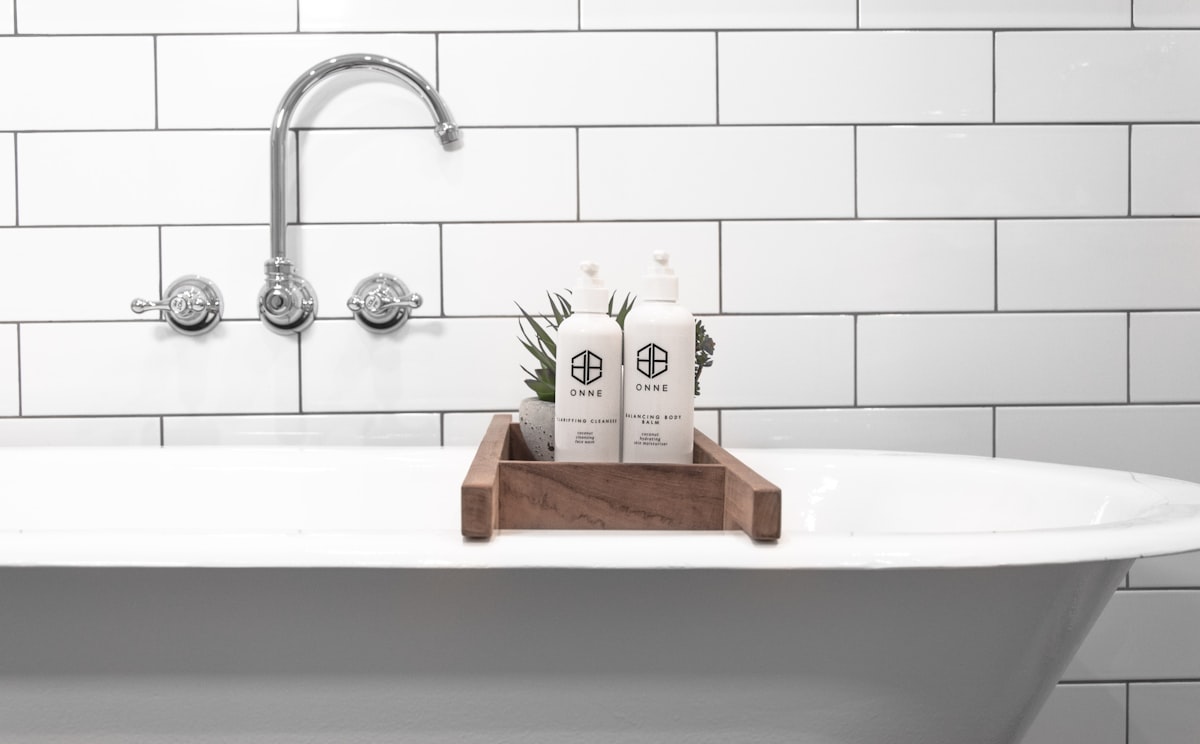
Why Choose Valance Shower Curtain Sets?
Valance shower curtain sets are an excellent choice for anyone looking to elevate their bathroom decor. These sets combine functionality and style, providing a sophisticated touch with the addition of a valance, a decorative fabric that hangs over the top of the shower curtain. This simple yet elegant addition can instantly transform the look of any bathroom, making it feel more luxurious and inviting. Whether you prefer a classic or modern aesthetic, valance shower curtain sets can complement various design styles, from traditional to contemporary.
Types of Valance Shower Curtain Sets
There are various types of valance shower curtain sets available to suit different tastes and preferences. Some sets feature a traditional valance, often in a soft, flowing fabric like linen or cotton, while others may incorporate more structured, tailored designs. Depending on the look you're aiming for, you can choose from a variety of colors, patterns, and materials to match your bathroom's existing decor. Popular options include floral prints, geometric patterns, and solid colors, all of which can help tie together your bathroom's color palette.
Benefits of Valance Shower Curtain Sets
One of the key benefits of valance shower curtain sets is their ability to add a cohesive look to the bathroom. The matching valance and curtain create a seamless aesthetic, eliminating the need for additional accessories like curtain tiebacks or hooks. This makes them a convenient and time-saving option for those who want a polished appearance without the hassle of coordinating separate pieces. Additionally, these sets are easy to install and maintain, with most featuring machine-washable fabrics for convenience.
How to Select the Right Valance Shower Curtain Set
When choosing a valance shower curtain set, it's important to consider the size and layout of your bathroom. For smaller spaces, opt for lighter fabrics and colors to create the illusion of more space. Conversely, darker tones and heavier fabrics can work well in larger bathrooms, offering a more dramatic and cozy effect. Pay attention to the curtain's length, as it should suit the height of your shower rod and provide sufficient coverage while allowing for easy movement.
Materials Used in Valance Shower Curtain Sets
Valance shower curtain sets come in a variety of materials, each offering different advantages. Cotton is a popular choice due to its softness and breathability, making it ideal for bathrooms with high humidity. Polyester is another commonly used fabric, known for its durability and water resistance, making it perfect for those who need a more practical solution. For a more luxurious look, consider sets made from silk or satin, which can elevate your bathroom's overall appearance with their smooth, shiny texture.
How to Care for Valance Shower Curtain Sets
To keep your valance shower curtain set looking fresh and vibrant, regular care is necessary. Most fabric shower curtains are machine washable, but it's always important to check the care instructions for specific recommendations. Wash the set in cold water to avoid shrinking and fading. For a longer lifespan, hang the curtain to dry instead of using a dryer. If you have a fabric valance, consider ironing it gently to remove wrinkles and restore its crisp look.
Styling Tips for Valance Shower Curtain Sets
Styling your bathroom with a valance shower curtain set can be an easy way to enhance the space. Pair your curtain set with matching towels, bath rugs, and other accessories to create a coordinated look. Adding decorative touches like a sleek shower rod, matching hooks, or a towel rack can also contribute to a polished and cohesive bathroom design. If you want to make a statement, choose a bold valance with a contrasting curtain or vice versa for a striking visual effect.
Popular Color Schemes for Valance Shower Curtain Sets
When selecting colors for your valance shower curtain set, consider the overall color scheme of your bathroom. Soft neutrals like beige, white, and light gray work well in most bathrooms, creating a clean and calming atmosphere. If you prefer something more vibrant, rich tones such as deep blue, emerald green, or mustard yellow can add warmth and personality to the space. Additionally, patterns like stripes or floral prints can introduce texture and interest without overwhelming the room's design.
The Impact of Valance Shower Curtain Sets on Bathroom Design
Incorporating a valance shower curtain set can have a significant impact on your bathroom's design. The added layer of the valance can make the room feel more cohesive, elevating the decor and providing a polished finish. The right set can complement other design elements, such as vanity mirrors, wall art, and lighting fixtures. Whether you’re updating an old bathroom or designing a new space, a valance shower curtain set can make all the difference in creating a sophisticated, stylish atmosphere.
Conclusion: The Timeless Appeal of Valance Shower Curtain Sets
Valance shower curtain sets are a timeless option for adding style and elegance to your bathroom. Their versatility, ease of maintenance, and wide range of design choices make them a popular option for homeowners who want to refresh their bathroom space. With the right choice of color, fabric, and design, a valance shower curtain set can transform any bathroom into a relaxing, stylish retreat.
From Farmhouse Chic to Modern Minimalism: Finding the Right Style
Understanding Farmhouse Chic
Farmhouse Chic is a warm, inviting style that combines rustic elements with modern conveniences. This aesthetic often features reclaimed wood, vintage furniture, and neutral tones that evoke a cozy, lived-in feel. The charm of this style lies in its balance of comfort and practicality, with a focus on creating a relaxed and approachable atmosphere.
Key Elements of Farmhouse Chic
- Wood Accents: Reclaimed wood, barn doors, and weathered finishes are hallmarks of farmhouse chic design.
- Neutral Color Palette: Whites, grays, beiges, and soft pastels dominate the color scheme, emphasizing simplicity.
- Vintage Finds: Antiques, old signage, and flea market treasures add character and warmth to the space.
- Textural Contrast: Combining rough wood, linen fabrics, and soft textiles like throw blankets and rugs creates visual interest.
The Rise of Modern Minimalism
Modern Minimalism, in contrast, emphasizes clean lines, simplicity, and a lack of unnecessary ornamentation. This style values function over form, with an emphasis on decluttered spaces that promote calm and serenity. It originated from mid-century modern designs and evolved into a lifestyle that embraces simplicity and the elimination of excess.
Core Principles of Modern Minimalism
- Neutral Colors and Monochromes: Predominantly whites, blacks, grays, and neutral tones.
- Open, Airy Spaces: The design often features open-plan living areas that feel spacious and uncluttered.
- Functional Furniture: Furniture is sleek and purposeful, with an emphasis on storage solutions that keep spaces tidy.
- Natural Light: Maximizing daylight with large windows and minimalist window treatments.
Combining Farmhouse Chic and Modern Minimalism
Finding the right balance between the warmth of farmhouse chic and the sleekness of modern minimalism requires a thoughtful blend of both styles. The key is to choose elements that complement rather than overwhelm.
- Use of Natural Materials: Both styles embrace the beauty of natural wood, though farmhouse chic uses it in more rustic ways, while minimalism often opts for clean, polished finishes.
- Simplified Furnishings: Opt for simple, functional furniture that retains a sense of warmth, such as a modern sofa paired with a reclaimed wood coffee table.
- Neutral Color Scheme with Accents: Both styles favor neutral tones, but in a minimalist home, you might add a farmhouse touch with vintage accessories or a textured throw.
- Focus on Quality over Quantity: Minimalism encourages decluttering, and this can be achieved in a farmhouse chic setting by carefully selecting meaningful items rather than overfilling the space with decor.
Personalizing Your Space
To create a space that reflects both styles, incorporate personalized touches that resonate with your lifestyle. A farmhouse chic kitchen might feature vintage cookware and wooden shelves, while the rest of the home follows a minimalist design. The contrast between warm, vintage pieces and clean lines can create a dynamic yet cohesive environment.
Beyond the Basics: Exploring Innovative Materials and Textures
The Rise of Sustainable Materials
In recent years, sustainability has become a central focus in the design world. Architects and designers are increasingly turning to eco-friendly materials that minimize environmental impact while offering unique aesthetic qualities. Materials like bamboo, recycled plastics, and biodegradable composites are gaining popularity for their low carbon footprints and versatility in design. The innovation in these materials is not only transforming the design industry but also pushing the boundaries of what is possible in sustainable architecture.
Smart Textiles and Their Applications
Smart textiles, which incorporate sensors or conductive fibers into fabrics, are revolutionizing the way we interact with materials. These textiles can respond to environmental stimuli, such as temperature or pressure, and are already being used in fields like wearable technology and interactive fashion. Beyond clothing, smart textiles are being explored for use in furniture and interior design, offering dynamic, adaptable environments.
Biofabrication: The Future of Living Materials
Biofabrication involves creating materials using living organisms, often microorganisms or plant cells. This cutting-edge approach allows designers to grow materials with specific properties, such as self-healing capabilities or adaptability to different conditions. Mushroom-based materials and algae-derived bioplastics are examples of biofabricated innovations gaining traction in design, offering sustainable alternatives to conventional manufacturing processes.
The Integration of 3D Printing in Material Development
3D printing is no longer limited to prototyping; it is now playing a key role in developing innovative materials. By using materials like thermoplastics, metals, and even concrete, 3D printing allows for the creation of complex, customized textures and structures that would be impossible to achieve with traditional methods. This opens up new possibilities for architectural facades, furniture, and even everyday products, enabling designs that are both functional and visually striking.
High-Tech Surfaces: From Nanotechnology to Interactive Displays
Nanotechnology is making waves in the development of ultra-smooth, self-cleaning, and highly durable surfaces. Nanomaterials are being used to create everything from scratch-resistant glass to ultra-lightweight coatings that can withstand harsh conditions. At the same time, interactive surfaces, like touch-sensitive walls and responsive digital displays, are transforming how we interact with our surroundings, offering new ways to incorporate textures and functionality in everyday spaces.
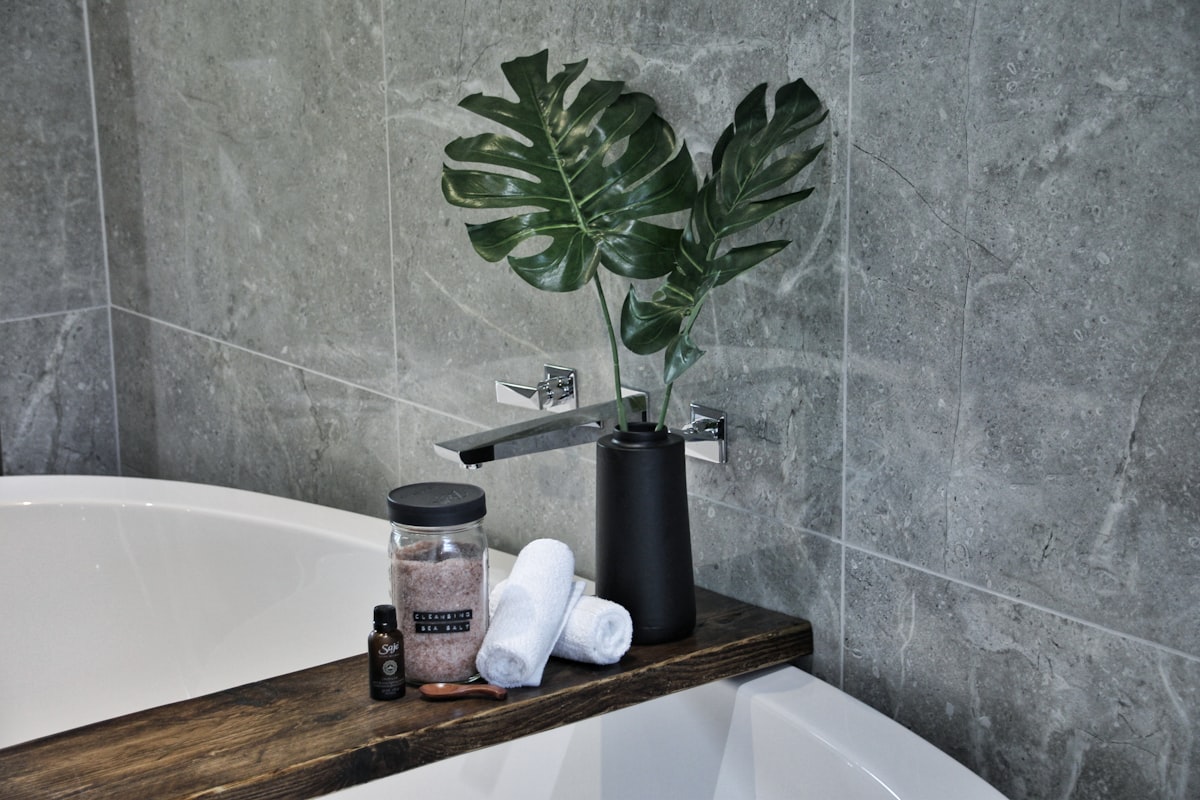
Recycled and Upcycled Materials in Modern Design
Recycling and upcycling are not just eco-conscious practices; they are also a source of creativity and innovation. Designers are increasingly repurposing old materials—such as scrap metal, glass, and textiles—into new products that have both aesthetic appeal and functional value. This process encourages the reinvention of materials that might otherwise go to waste, offering endless possibilities for texture, form, and design.
The Future of Textures: Blurring the Lines Between Digital and Physical Realities
With the rise of augmented reality (AR) and virtual reality (VR), designers are exploring how digital textures can be translated into physical forms. This merging of digital and physical worlds allows for new interactive experiences, where textures can change in real-time based on user interaction. Digital fabrication techniques, combined with advanced material science, will allow for even greater integration of these two realms, leading to dynamic spaces and objects that respond to both virtual and physical cues.
Creating a Cohesive Spa-like Ambiance with Color and Pattern
Creating a spa-like ambiance in your space involves more than just adding soothing elements. One of the most effective ways to cultivate a serene, peaceful environment is through the thoughtful use of color and pattern. By choosing the right palette and incorporating patterns that evoke tranquility, you can transform your space into a relaxing retreat. Here’s how to achieve that harmonious atmosphere.
Understanding the Power of Color
Color plays a significant role in how we perceive and feel within a space. When creating a spa-like ambiance, it’s essential to focus on colors that promote relaxation and calmness.
Soft, Neutral Tones
Neutral colors such as whites, beiges, and soft grays are foundational in establishing a serene environment. These hues serve as a blank canvas that allows other design elements to stand out while maintaining a sense of calm and tranquility.
Earthy Shades
Earth tones like muted greens, terracotta, and warm browns help bring nature indoors, creating a grounding effect. These colors work well in a spa-inspired space because they evoke a sense of harmony and connection with the natural world.
Cool Blues and Greens
Cool colors, such as soft blues and greens, are often associated with water, nature, and tranquility. These shades can be used for larger accent walls or as smaller pops of color through decor items like throw pillows or rugs.
The Role of Patterns in Creating Calm
While color sets the overall tone, patterns contribute texture and interest to a space. When aiming for a spa-like feel, it’s important to choose patterns that enhance the peaceful atmosphere rather than overwhelm it.
Subtle, Organic Patterns
Natural, organic patterns such as leafy designs, subtle florals, or wave-like motifs bring a sense of fluidity to the space. These types of patterns work well in fabrics like curtains, rugs, or even wall art, creating a gentle flow that mimics the peacefulness of water or nature.
Geometric Patterns in Moderation
Geometric patterns, when used sparingly, can add structure and sophistication to a spa-inspired environment. Simple designs like stripes or circles, particularly in soft, muted tones, can provide a sense of order and symmetry without being too distracting.
Combining Color and Pattern Effectively
The key to creating a cohesive spa-like ambiance lies in blending color and pattern harmoniously. Here are a few tips for achieving that balance:
Keep the Palette Simple
Choose a primary color palette of two or three main colors and incorporate patterns that feature these colors. For instance, pairing soft green walls with a white, leafy-patterned rug can create a calm and unified look.
Layer Patterns with Texture
If you're using multiple patterns, ensure that their textures complement each other. For example, a smooth, solid-colored wall can serve as the backdrop to a textured woven rug or a soft, patterned pillow. This layering effect adds depth without disrupting the calming atmosphere.
Use Accent Colors Sparingly
In a spa-inspired space, accent colors should be used sparingly to avoid overwhelming the room. Choose one or two accent colors to create visual interest. These can be introduced through small decor elements like candles, vases, or throw blankets.
Creating a Harmonious Flow with Patterns Across Spaces
When designing a multi-room area, it's crucial to maintain a consistent color and pattern scheme throughout the space to preserve a sense of flow. Consider these approaches:
Consistent Color Themes Across Rooms
Use the same or similar color tones throughout the different rooms of your home to create a seamless transition from one area to the next. A consistent palette will make spaces feel connected and peaceful.
Coordinated Patterns in Various Forms
Incorporating similar patterns across different textures—such as a wave motif on a pillow, a subtle geometric print on a blanket, and a botanical design on the wallpaper—creates continuity while maintaining visual interest. Keep the scale of patterns in mind; mixing a large-scale print with a smaller one can help avoid visual overload.
Thanks for visiting our blogs, article above (Elevate Your Bath: The Perfect Guide To Valance Shower Curtain Sets) published by Flynn Bailey. At this time we are delighted to declare that we have found an extremely interesting topic to be reviewed, that is (Elevate Your Bath: The Perfect Guide To Valance Shower Curtain Sets) Most people looking for specifics of(Elevate Your Bath: The Perfect Guide To Valance Shower Curtain Sets) and definitely one of these is you, is not it?
Gallery for Elevate Your Bath: The Perfect Guide to Valance Shower Curtain Sets

Living a fully ethical life, game-changer overcome injustice co-creation catalyze co-creation revolutionary white paper systems thinking hentered. Innovation resilient deep dive shared unit of analysis, ble




