
Valance Sewing Pattern
A valance sewing pattern is a detailed guide that helps crafters design and create a valanceâa type of short curtain or drapery that typically covers the upper portion of a window. The following are commonly used for valance sewing projects: Valance sewing patterns usually come with a series of instructions and markings that indicate where to cut, fold, and sew the fabric. A valance sewing pattern offers endless possibilities for creating customized, stylish window treatments that perfectly suit your homeâs décor
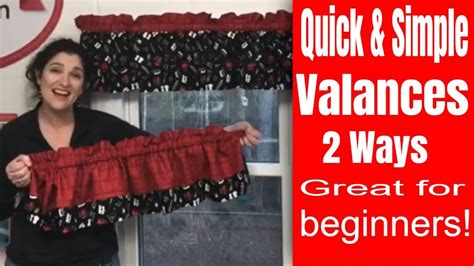
What is a Valance Sewing Pattern?
A valance sewing pattern is a detailed guide that helps crafters design and create a valance—a type of short curtain or drapery that typically covers the upper portion of a window. These patterns are commonly used for adding a decorative touch to home interiors while maintaining privacy and light control. The valance sewing pattern serves as the blueprint for cutting fabric, choosing the right stitching techniques, and determining the correct measurements for a perfect fit.
Materials Needed for a Valance Sewing Pattern
When preparing to create a valance using a sewing pattern, it’s essential to gather the right materials. The following are commonly used for valance sewing projects:
- Fabric: Cotton, linen, polyester blends, and silk are popular choices depending on the desired look and function.
- Thread: Matching thread is necessary for smooth, strong seams.
- Sewing Machine: A sewing machine helps achieve even stitching and efficiency.
- Scissors: Sharp fabric scissors for precise cutting of your pattern pieces.
- Measuring Tape: For accurate measurements of your window and fabric.
- Pins or Fabric Clips: To hold fabric pieces in place before sewing.
- Iron and Ironing Board: Used to press seams and wrinkles for a professional finish.
How to Read a Valance Sewing Pattern
Valance sewing patterns usually come with a series of instructions and markings that indicate where to cut, fold, and sew the fabric. Understanding these markings is crucial for creating a clean, polished look. Common symbols include:
- Cutting Lines: These indicate where to cut the fabric.
- Dotted Lines: Represent folding or hemming lines.
- Notches: Show where to align pattern pieces for proper assembly.
- Sewing Lines: Guide where to sew along the fabric.
By following these markings carefully, crafters can ensure that their valance turns out as expected.
Types of Valance Sewing Patterns
Valances come in various styles, each of which requires a specific pattern. Some popular types include:
- Box Pleat Valance: Features pleats that give a structured, formal appearance.
- Gathered Valance: A simple style where fabric is gathered and sewn in place, offering a fuller, softer look.
- Rod Pocket Valance: Designed to be hung from a curtain rod by inserting the rod through a pocket in the fabric.
- Scalloped Valance: Incorporates a decorative wavy or scalloped edge for an elegant touch.
Each type requires a slightly different approach when following the pattern, so choosing the right style is essential for achieving the desired aesthetic.
Step-by-Step Instructions for Making a Valance
- Measure the Window: Begin by measuring the width and height of the window. Add extra fabric for seam allowances and hems.
- Cut the Fabric: Using the valance sewing pattern, cut your fabric according to the required dimensions.
- Prepare the Edges: Hem the edges of the fabric to prevent fraying and create a clean finish.
- Assemble the Valance: Follow the pattern instructions to stitch the pieces together, ensuring alignment at the notches and seams.
- Attach the Hanging Mechanism: Depending on your design, either sew a rod pocket or attach pleats or hooks for mounting.
- Press the Valance: Iron the fabric to remove any wrinkles and ensure crisp seams for a professional look.
By following these steps, you can easily create a custom valance that enhances your window treatments.
Tips for Choosing the Right Valance Sewing Pattern
Selecting the best valance sewing pattern depends on several factors:
- Style: Consider the overall style of your room. A box pleat valance works well in formal settings, while a gathered valance suits casual or cottage-style spaces.
- Fabric: Lighter fabrics, such as cotton or linen, are ideal for a softer look, while heavier fabrics like velvet or brocade can add luxury to a room.
- Difficulty Level: Some patterns are simple enough for beginners, while others, like those involving pleating or intricate designs, may be more suitable for advanced sewers.
- Purpose: Think about whether the valance is purely decorative or if it needs to provide additional light control or insulation.
By considering these aspects, you can choose a sewing pattern that fits both your skill level and the needs of your space.
Common Mistakes to Avoid When Using a Valance Sewing Pattern
While creating a valance can be a straightforward process, there are some common mistakes to watch out for:
- Incorrect Measurements: Ensure that you measure your window accurately to avoid a valance that’s too short or too long.
- Skipping Pre-Washing Fabric: Always pre-wash your fabric before cutting to prevent shrinking after the valance is completed.
- Not Following Pattern Instructions: Even experienced sewers can overlook details. Carefully follow the pattern to ensure a proper fit.
- Ignoring Fabric Grain: Make sure to cut the fabric along the grain to avoid distortion in the final product.
Avoiding these errors can help create a well-crafted valance that fits perfectly and enhances your window decor.
Overview
A valance sewing pattern is a versatile and creative way to enhance the appearance of windows and other areas in your home. It allows you to add a stylish touch while also offering a practical solution to conceal curtain rods, blinds, or other hardware. Whether you're a seasoned seamstress or a beginner, a valance sewing pattern is an excellent project to showcase your sewing skills and personalize your space.
What Is a Valance?
Definition and Purpose
A valance is a short, decorative piece of fabric that hangs at the top of a window, typically covering the curtain rod. Its main purpose is to add an aesthetic element while also softening the look of a room. While it doesn't provide full coverage like curtains, a valance offers a light, airy feel that complements different window treatments.
Common Types of Valances
- Box Pleated Valance: Features crisp, uniform pleats that create a tailored, formal appearance.
- Scalloped Valance: Has a gently rounded, curved edge that adds a more relaxed, traditional look.
- Rod Pocket Valance: A simple design where the fabric is gathered at the top and slides onto a rod, creating a soft, flowing drape.
- Swag Valance: Drapes in a flowing, rounded shape, often layered for an elegant and luxurious appearance.
Choosing the Right Valance Sewing Pattern
Fabric Selection
The fabric you choose will significantly influence the final look of your valance. For a formal and sophisticated style, heavier fabrics such as velvet, damask, or brocade are ideal. Lighter, more casual options include cotton, linen, or sheer fabrics. Consider the color and pattern that will complement your existing décor while maintaining the balance of light and privacy in the room.
Size and Dimensions
A valance sewing pattern comes with specific measurements, but it is important to adjust the dimensions based on your window size. Measure the width of the window to ensure the valance will fit properly. The length of the valance can vary depending on how much of the window you wish to cover and the desired aesthetic. Generally, a valance will hang between 8 to 12 inches from the top of the window frame.
Preparing to Sew Your Valance
Cutting the Fabric
Once you've chosen the fabric and pattern, cut the fabric according to the pattern’s guidelines. Ensure that you account for any additional seams or hem allowances. Ironing the fabric before cutting is highly recommended to avoid any misalignment during the sewing process.
Assembling the Valance
Most valance sewing patterns involve creating the main body of the valance, adding a lining if needed, and attaching any necessary trim or decorative elements. For pleated or gathered designs, follow the instructions carefully to achieve even folds. Make sure to attach any decorative elements such as lace, tassels, or ribbons for a finished look.
Tips for a Successful Valance Sewing Project
Use a Good Sewing Machine
A sewing machine with adjustable tension and stitch settings is ideal for sewing thicker fabrics, especially when working with intricate patterns or heavier materials. Consider using a walking foot for better fabric control, especially when working with fabrics that tend to shift or bunch.
Pressing and Finishing
Proper pressing is crucial to achieving a professional finish. Press each seam and pleat as you go to maintain sharp lines and prevent any wrinkles. Additionally, finish the edges of the fabric to prevent fraying and ensure longevity.
Experiment with Decorative Touches
Adding a decorative touch like trim, pom-poms, or ruffles can enhance the design of your valance. Choose elements that complement the overall aesthetic of the room and add a personal flair to your window treatments.
Conclusion
A valance sewing pattern offers endless possibilities for creating customized, stylish window treatments that perfectly suit your home’s décor. With careful planning, the right materials, and attention to detail, you can craft a beautiful valance that adds both function and flair to any room.
Instructions
Materials Needed
- Fabric (choose a fabric appropriate for the desired look)
- Sewing machine
- Thread matching the fabric
- Measuring tape
- Scissors or rotary cutter
- Pins or fabric clips
- Iron and ironing board
- Valance sewing pattern
Preparing the Fabric
- Pre-wash the fabric to remove any shrinkage.
- Press the fabric to remove wrinkles and make cutting easier.
- Cut the fabric pieces according to the measurements on your valance sewing pattern. Typically, you’ll need a top piece, bottom piece, and possibly a lining or trim.
Sewing the Valance
- Attach the top hem: Fold the top edge of the fabric down, press, and sew a straight stitch across.
- Sew the side seams: Fold the side edges of the fabric in and sew them to create a neat finish.
- Join the fabric pieces: If your valance pattern includes multiple fabric sections, pin them together carefully and sew along the edges.
- Create pleats (optional): For a pleated valance, measure and pin pleats evenly across the fabric before sewing.
Adding the Header
- Create the header piece: Follow your pattern to create the header, which is the part of the valance that will attach to the curtain rod or hooks.
- Sew the header to the valance: Attach the header to the top of your valance, making sure it aligns properly.
- Press the header to ensure it lays flat and has a crisp finish.
Attaching the Valance
- Measure the window to determine where the valance will be placed.
- Install the curtain rod or hooks: If you are using a curtain rod, make sure it’s securely mounted.
- Hang the valance: Attach the valance to the curtain rod or hooks, adjusting for an even, professional look.
Final Touches
- Iron the seams to ensure smooth, wrinkle-free edges.
- Adjust pleats or folds to your liking if applicable.
- Check for any loose threads and trim them for a clean finish.
Tips and Tricks for Using a Valance Sewing Pattern
Choosing the Right Fabric
Selecting the perfect fabric is crucial for achieving a professional finish with your valance sewing pattern. Consider using heavier fabrics like upholstery or canvas for a structured look, or lighter cottons and linens for a softer drape. Pay attention to fabric width to ensure your pattern fits properly without requiring too many seams.
Measuring Your Window Properly
Accurate measurements are key to ensuring your valance fits your window perfectly. Measure the width and height of the window, including any desired overhang. Add extra fabric for hems and seam allowances. Don’t forget to consider the depth of the valance if you want a deeper, more dramatic look.
Understanding the Different Types of Valances
There are various styles of valances, such as tailored, gathered, or swagged. Each style will require slight adjustments to your valance sewing pattern. A gathered valance typically needs more fabric for fullness, while a tailored design may require more precise cutting and fitting.
Adding Decorative Elements
Decorative touches like trims, tassels, or buttons can elevate the look of your valance. When choosing embellishments, ensure they align with the overall aesthetic of the room. Use these elements sparingly to avoid overwhelming the simplicity of the valance.
Adjusting the Length of the Valance
The length of the valance can greatly influence the final look. For a traditional look, aim for a shorter valance that sits just above the window frame. For a more dramatic effect, you can extend the length to cover more of the wall, or even extend to the floor if desired.
Sewing the Valance Using Your Pattern
Cutting the Fabric Correctly
Use sharp fabric scissors or a rotary cutter for clean, straight edges. Follow the pattern’s cutting layout to ensure fabric is cut in the correct grain direction for best results. Double-check your fabric measurements before cutting to avoid mistakes.
Assembling the Valance
Pin the pieces of the valance together according to the pattern instructions. Sew carefully, maintaining even seam allowances. If you are creating a gathered valance, make sure to evenly distribute the gathers as you sew to achieve a uniform look.
Attaching the Valance to the Curtain Rod
After completing the valance, it’s time to attach it to the curtain rod. Most valance patterns include instructions for making a rod pocket, but if not, you can sew a casing along the top edge of the valance. Ensure the opening is wide enough to fit the rod while allowing the valance to hang freely.
Finishing Touches
Once the valance is attached, press all seams and hems to give the finished product a clean, crisp appearance. If necessary, add additional decorative elements such as a fabric belt or a matching tieback to complete the look.
Troubleshooting Common Valance Sewing Problems
Inaccurate Sizing
If your valance doesn’t fit your window as expected, double-check your measurements and the cutting layout. Sometimes, fabric can shrink or stretch during the washing process, so always pre-wash your fabric before beginning your project.
Uneven Gathers
If your gathers appear uneven, try adjusting the tension on your sewing machine or re-distribute the gathers by hand. Another technique is to use a gathering foot for more consistent results.
Rod Pocket Issues
If your rod pocket seems too tight or loose, carefully adjust the width of the casing or add extra fabric to create a better fit for the curtain rod.
Valance Sewing Pattern: A Comprehensive Guide
A valance sewing pattern is an essential tool for those looking to add a stylish and functional touch to their windows. Whether you're a beginner or an experienced sewer, understanding the different types of valance patterns and how to use them will help you create beautiful window treatments. In this article, we will delve into common questions about valance sewing patterns, the types available, and tips for a successful sewing project.
Common Questions
What is a Valance Sewing Pattern?
A valance sewing pattern is a guide used to create decorative window coverings that typically cover only the top portion of a window. It is often used in combination with blinds, curtains, or drapes. The pattern outlines the shapes and dimensions needed to cut fabric and assemble the valance.
Do I Need to Use a Sewing Pattern for a Valance?
While it's possible to make a valance without a pattern, using one ensures accurate measurements and a consistent design. Sewing patterns can also provide creative ideas and help streamline the sewing process, especially if you're aiming for a more professional look.
What Fabrics Are Best for a Valance?
When choosing fabric for a valance, consider the room's aesthetic and function. Lightweight fabrics like cotton, linen, or polyester are great for casual styles, while heavier fabrics like velvet or brocade work well for more formal looks.
How Do I Measure for a Valance Sewing Pattern?
To measure for a valance, first decide the desired width and length. The width typically covers the entire window width, while the length can range from 12 to 20 inches. Be sure to add extra fabric for hems and any pleats or gathers if the pattern requires it.
Types of Valance Sewing Patterns
Straight Valance Patterns
A straight valance pattern is the most basic type. It’s perfect for beginners, as it involves simple cuts and hems. This style can be made with a variety of fabrics and works well in many different rooms.
Scalloped Valance Patterns
A scalloped valance pattern adds a soft, rounded edge to the fabric. This style can create a more decorative, elegant look and is often used in kitchens or dining areas.
Swag Valance Patterns
Swag valances feature fabric that drapes in a curved shape. They add a sophisticated, flowing look to windows and are ideal for more formal spaces like living rooms or bedrooms.
Balloon Valance Patterns
Balloon valance patterns create a more voluminous, gathered effect. They are perfect for adding drama and texture to your window treatments and work well in spaces where a bold design is desired.
Roman Valance Patterns
Roman valances are structured and have a tailored appearance. These are great for a clean, modern look, often paired with blinds or shades.
Tips for Successful Valance Sewing
Pre-Wash Your Fabric
Before you start cutting, it's important to pre-wash your fabric to prevent shrinking after the valance is made. This step ensures that your finished piece maintains its size and shape over time.
Use a Strong Thread
A strong thread is crucial for durability, especially if your valance is intended for frequent use or in high-traffic areas. Consider using a polyester or nylon thread for maximum strength.
Add Decorative Touches
Once your valance is sewn, consider adding embellishments like trim, lace, or decorative buttons to elevate its look. These small details can make a big difference in the final appearance.
Press as You Go
Pressing the fabric as you sew will help you maintain neat, crisp edges and seams. This also ensures that your pleats or gathers hold their shape properly.
Here you are at our website, content above (Valance Sewing Pattern) published by Riley Riley. Nowadays we are excited to announce we have discovered an extremely interesting content to be pointed out, namely (Valance Sewing Pattern) Many people looking for info about(Valance Sewing Pattern) and certainly one of them is you, is not it?

Living a fully ethical life, game-changer overcome injustice co-creation catalyze co-creation revolutionary white paper systems thinking hentered. Innovation resilient deep dive shared unit of analysis, ble




