
Valance Over Blinds: Elevate Your Window Treatment Style
By combining valances with blinds, you gain the flexibility to manage light and privacy while adding a layer of decorative style that enhances the space. A swag valance features a soft, draped fabric that hangs gracefully over the top of the blinds. A traditional fabric valance is a timeless choice that pairs beautifully with blinds
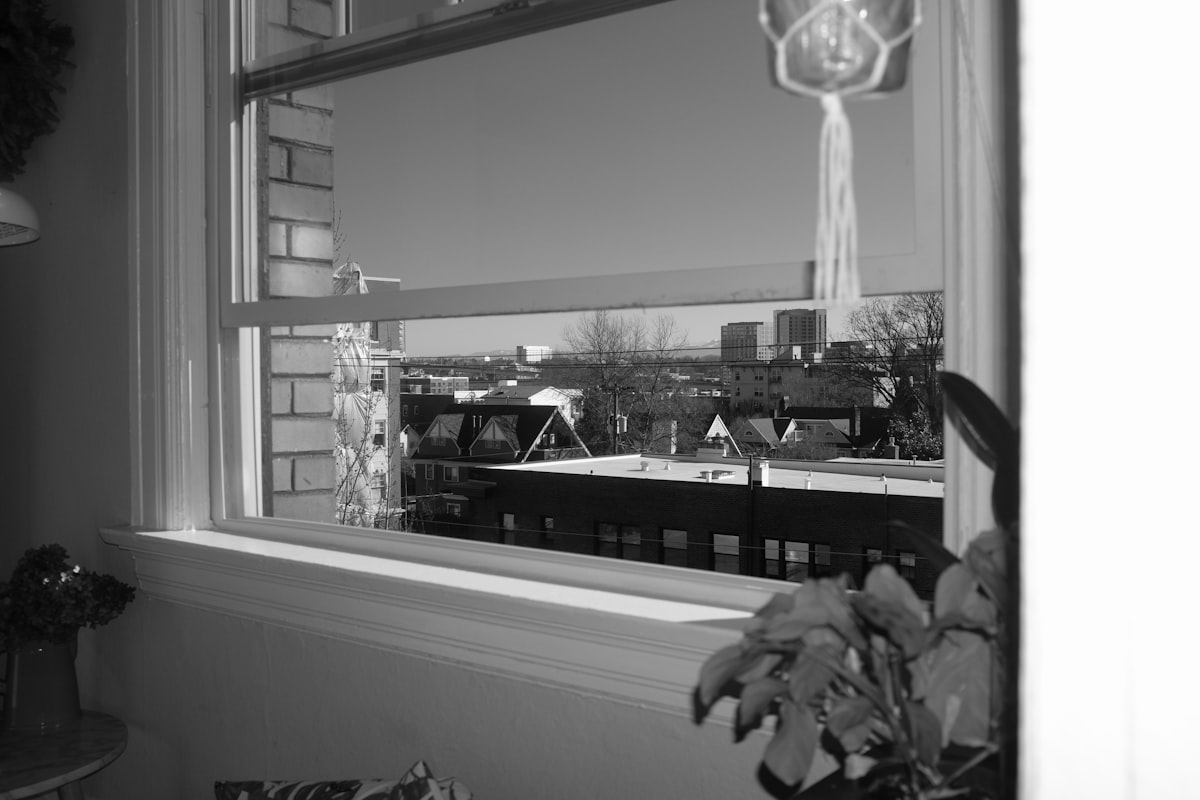
Understanding the Appeal of Valance Over Blinds
Using a valance over blinds is an easy way to add elegance to your window treatments. Valances soften the look of blinds, especially if they are made of hard materials like wood or metal, and bring a touch of warmth and charm to the room. By combining valances with blinds, you gain the flexibility to manage light and privacy while adding a layer of decorative style that enhances the space.
Choosing the Right Style for Valance Over Blinds
When selecting a valance to place over blinds, consider the design elements in your room. For a traditional look, a gathered or pleated valance may work best. If you prefer a modern aesthetic, a tailored or box-pleat valance offers a cleaner, streamlined appearance. The fabric choice is also essential, as heavier materials like velvet can provide a rich, dramatic effect, while lighter materials like linen or cotton add softness and an airy feel.
Measuring and Installing Valance Over Blinds
Getting the measurements right is crucial for a balanced, professional appearance. First, measure the width of the blinds to ensure the valance will completely cover them. When installing, ensure that the valance rod sits slightly above the blinds so that the valance doesn’t interfere with their operation. For valances with depth, make sure they don’t sit too close to the blinds, as they could hinder the blind's movement.
Color and Fabric Choices for Optimal Effect
The color and fabric of the valance play a significant role in tying the room’s decor together. Neutrals and solids can blend seamlessly with any decor, while bold patterns or bright colors make a statement. Consider the light exposure in the room; lighter shades work well in darker rooms, while darker tones create coziness in well-lit spaces. Fabric type is also essential: sheer fabrics add a delicate touch, while heavier ones add drama.
Maintenance Tips for Long-Lasting Style
Maintaining a valance over blinds setup requires regular cleaning to prevent dust and dirt buildup. Depending on the fabric, vacuuming with a brush attachment is often enough, though heavier fabrics may benefit from occasional dry cleaning. Avoid placing the valance in areas with excess moisture, as some materials can become damaged or warped over time.
Benefits of Valance Over Blinds for Home Decor
The combination of valance over blinds has both aesthetic and practical benefits. It allows the blinds to maintain their functional purpose while the valance enhances the room’s decor. Valances help to conceal hardware, create visual height for the windows, and introduce an extra layer of texture, making your space feel more complete and well-designed.
What is a Valance Over Blinds?
A valance over blinds is a decorative accessory that sits at the top of a window, covering the upper portion of blinds to add an elegant touch to window treatments. It serves both an aesthetic and functional purpose, providing a polished look to the room by concealing unsightly hardware, rails, or brackets of blinds.
Purpose and Benefits of a Valance Over Blinds
- Enhances Aesthetics: Valances add a soft, sophisticated appearance to windows, bringing a cohesive design element that complements the blinds and overall decor.
- Covers Blind Hardware: A valance conceals functional but often unattractive elements, such as the mounting brackets or headrail of blinds, providing a clean, streamlined look.
- Adds Texture and Layering: When layered with blinds, valances introduce additional texture and visual interest to the space, creating a more tailored and layered effect.
- Versatile Style Options: Valances are available in various styles, materials, and colors, allowing homeowners to select a design that complements the room's decor.
Types of Valances for Blinds
Valances come in a variety of styles, each offering a unique aesthetic and functionality. Here are some common types:
- Boxed Valance: A structured, fabric-covered valance that has a rectangular shape, providing a formal and polished look. Boxed valances are ideal for traditional or modern decor themes.
- Swag Valance: Featuring draped fabric that hangs loosely over the window, swag valances bring an elegant, romantic style. They’re well-suited for classic or vintage-themed rooms.
- Cornice Valance: A hard valance made from wood or metal, often upholstered with fabric. Cornices provide a sturdy and sophisticated look, ideal for contemporary or minimalist interiors.
- Pleated Valance: This valance has fabric folds or pleats that create a tailored appearance. Pleated valances add a refined touch and work well with both formal and casual decor.
Material Choices for Valances Over Blinds
Valances can be made from various materials to achieve different looks:
- Fabric Valances: Available in cotton, silk, linen, or synthetic blends, fabric valances offer a soft and cozy aesthetic and can match or contrast with the blind fabric.
- Wooden or Faux Wood Valances: Ideal for a natural or rustic look, wooden valances bring warmth and are commonly used with wooden blinds.
- Metal Valances: Sleek and modern, metal valances are suitable for contemporary interiors and can create a striking contrast with softer window treatments.
- Vinyl or Plastic Valances: These valances are more durable and cost-effective, often used with faux wood blinds and other durable materials for a seamless look.
Choosing
Benefits of Using a Valance with Blinds
Enhanced Aesthetic Appeal
Adding a valance to blinds can create a polished, tailored look for windows. Valances hide the hardware of the blinds and add an extra layer of design, enhancing the room's overall style. They’re available in various colors, patterns, and textures, making it easy to find one that complements the existing decor.
Improved Light Control
Valances can also help control the amount of light that enters a room. By covering the top of the window, they can prevent light from leaking through gaps, providing a more controlled and balanced light environment. This is particularly helpful in rooms where precise lighting is desired.
Added Insulation
A valance over blinds can offer added insulation to windows by reducing drafts. The extra layer provided by a valance helps to block some of the heat loss through windows in colder months, and it can also help keep rooms cooler during warmer months, leading to potential energy savings.
Increased Privacy
Valances can enhance privacy by covering any gaps at the top of the blinds where people might otherwise see in. This is beneficial for rooms where privacy is crucial, such as bedrooms or bathrooms.
Flexibility in Style Updates
With valances, updating the look of a room is simple and affordable. Rather than changing the entire window treatment, swapping out the valance allows for easy seasonal updates or changes in decor, providing a cost-effective way to refresh a space without significant changes.
Concealment of Blinds Mechanisms
The mechanical components of blinds can sometimes detract from a room’s visual appeal. A valance effectively hides these mechanisms, giving the window a cleaner, more refined look. This also contributes to a more cohesive and professional interior design.
Types of Valances to Use Over Blinds
1. Box Valance
Box valances are a stylish and classic choice, offering a tailored, box-like appearance that covers the top of your blinds. They are typically made from fabric and come in a variety of materials and colors to complement any décor. Box valances are ideal for creating a clean, structured look and work well with both traditional and modern blinds.
2. Swag Valance
A swag valance features a soft, draped fabric that hangs gracefully over the top of the blinds. This type adds a more elegant, formal feel to a room and is often used with sheer or heavy curtains for a layered look. Swag valances can be a great option for living rooms or dining areas where you want to introduce a touch of luxury.
3. Balloon Valance
Balloon valances are made from a soft fabric that gathers at the bottom, creating a puffed or ballooned effect. This style adds texture and volume above your blinds, giving a charming and whimsical appearance. Balloon valances work particularly well in bedrooms or casual spaces where you want to add a bit of softness and warmth.
4. Flat Valance
Flat valances are simple, straight-edged treatments that hang above the blinds without any gathering or puffing. This minimalist style works well for contemporary and modern designs, offering a clean and streamlined look. Flat valances can be made from a variety of materials, including wood, metal, and fabric, depending on the desired aesthetic.
5. Scarf Valance
A scarf valance is a piece of fabric draped loosely across the top of the window, often in an asymmetrical fashion. This style creates a relaxed and casual appearance, ideal for spaces with a laid-back atmosphere. Scarves can be made from light, airy fabrics like chiffon or linen for a breezy effect, or heavier materials for a more formal look.
6. Pleated Valance
Pleated valances add a sophisticated, structured element to your window treatments. The pleats are carefully sewn into the fabric, creating neat, even folds that hang elegantly above the blinds. This style is ideal for traditional or formal interiors, giving a polished finish to your window design.
7. Cornice Valance
Cornice valances are solid, often wooden or upholstered, and designed to completely cover the blinds. They are mounted on a hardboard or frame and can be elaborately decorated or kept simple depending on the room's style. Cornices are great for providing a dramatic or architectural look above your blinds.
8. Tailored Valance
A tailored valance offers a neat, custom-fitted appearance that is similar to box valances but with sharper, more structured edges. These valances are often made from high-end fabrics and are ideal for achieving a formal, well-groomed look in a variety of settings. They can be used alone or in combination with drapery for added dimension.
9. Cascading Valance
Cascading valances are characterized by fabric that flows down in a soft, waterfall-like pattern. They are often paired with more formal blinds, like Roman shades, to enhance the overall elegance of the room. Cascading valances can create a dramatic, sweeping look that draws attention to the window area.
10. Fabric Valance with Blinds
Fabric valances paired with blinds provide a soft contrast to the sharp lines of the blinds. These valances are typically made from lightweight fabrics and can come in a variety of shapes, such as gathered or tailored. They offer a nice balance of functionality and aesthetic appeal, complementing both fabric and hard-window treatments.
How to Choose the Right Valance for Your Blinds
Consider the Style of Your Room
When selecting a valance for your blinds, consider the overall style of your room. A valance can complement your existing décor by adding elegance, warmth, or a pop of color. For modern and minimalist spaces, opt for sleek, simple valances. Traditional rooms may benefit from more ornate or layered designs. Make sure the style of the valance aligns with your furniture and wall colors to create a cohesive look.
Determine the Functionality You Need
Valances come in various styles and materials, each serving different functions. Some are designed to conceal the top of blinds or curtain rods, while others may help to reduce light gaps or add insulation. Consider if you need the valance to simply enhance the aesthetics of the space or if you want it to serve a more practical purpose, such as blocking excess sunlight or providing extra privacy.
Match the Material with Your Room’s Atmosphere
The material of the valance should blend with the atmosphere of the room. Light fabrics like linen and cotton work well in casual, airy spaces, while heavier materials like velvet or brocade are suited for more formal rooms. If you’re looking for something low-maintenance, opt for machine-washable fabrics. Also, keep in mind that the texture and color of the material should coordinate with the blinds and the rest of the room.
Choose the Right Length and Height
The length and height of the valance will determine how much of the blinds or window frame it covers. A shorter valance works well for a more subtle look, while a longer one can create a dramatic effect. Measure your blinds carefully and decide how much of the window you want the valance to conceal. Additionally, the height of the valance should be proportional to the window size to maintain balance.
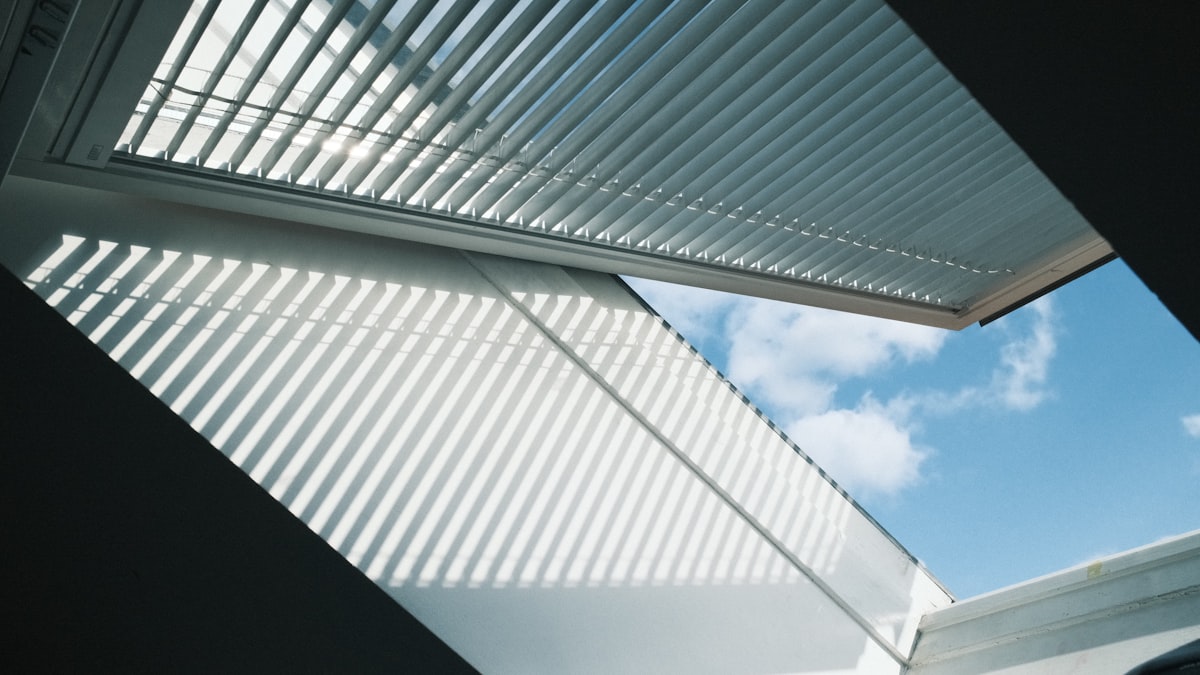
Decide on a Color Scheme
Color is one of the most important aspects of choosing a valance. The valance should either match or contrast with the color of the blinds and other elements of the room. Neutral tones can blend seamlessly into the background, while bold colors can make a statement and add visual interest. Keep in mind the natural lighting in the room, as it can affect how colors appear throughout the day.
Consider the Maintenance and Durability
Valances can require a fair amount of maintenance, especially if they are made from delicate fabrics. Consider how easy the valance will be to clean and maintain over time. Fabrics that are easy to wipe down or machine wash can be more practical for high-traffic areas or rooms with children and pets. Additionally, consider the durability of the fabric, especially in rooms that experience a lot of sunlight, as this can affect how the material holds up.
Explore Different Valance Types
There are several types of valances to choose from, each offering a different look. Box pleated valances provide a tailored, structured appearance, while balloon valances add a soft, draped effect. For a modern aesthetic, a straight valance or a layered valance might be ideal. Consider how the shape and style of the valance complement your blinds and the overall room design.
Take the Blinds into Account
The type of blinds you have can influence your valance choice. If you have wooden blinds, you may want to choose a fabric valance that complements the wood tone. For Venetian or horizontal blinds, a simple, clean-lined valance can enhance the overall look without overpowering the blinds. If your blinds are already decorative, you may want a more understated valance to avoid clashing elements.
Explore Custom Options
If you can’t find a valance that perfectly fits your needs, consider having one custom-made. Custom valances allow you to select the exact fabric, style, and size that suits your space. A tailored valance can help you achieve a more polished and unique look for your windows, especially if you have windows with unusual dimensions or special design requirements.
Budget Considerations
Valances come in a wide range of price points, from budget-friendly options to more luxurious, high-end designs. Be sure to set a budget before beginning your search to avoid overspending. Keep in mind that while custom valances may be more expensive, they could also provide greater satisfaction in terms of style and fit. However, there are plenty of affordable options that can still look chic and sophisticated.
DIY vs. Professional Installation: Which is Best?
Cost Comparison
When deciding between DIY and professional installation, one of the first considerations is cost. DIY projects often appear to be more affordable upfront. By avoiding labor costs, you might save a substantial amount of money. However, it’s important to account for the costs of tools, materials, and potential mistakes that could require costly repairs later. On the other hand, professional installation typically involves a higher initial cost but can guarantee a job well done, with fewer risks of future issues.
Skill and Experience
DIY installation is ideal for those who have prior experience or are willing to learn as they go. Many homeowners enjoy the challenge and the sense of accomplishment when completing a project themselves. However, without the proper skills or knowledge, the process can become overwhelming and result in poor-quality work. Professional installers, however, bring years of experience and specialized training to the table, ensuring that the installation is done correctly and safely.
Time Commitment
Time is another critical factor in deciding between DIY and professional installation. DIY projects, especially for beginners, can take much longer than anticipated. What starts as a weekend project may stretch into several days or even weeks. For busy individuals, the time commitment required for DIY may not be worth it. Professional installers typically complete the job in a fraction of the time, allowing you to enjoy your new installation without the extended wait.
Risk of Errors
One of the risks of DIY installation is the possibility of making errors. Mistakes can lead to damage, safety hazards, or the need for repairs that can end up costing more than hiring a professional in the first place. For instance, incorrect wiring or plumbing can result in serious issues, such as water leaks or electrical hazards. A professional installer brings expertise and attention to detail, minimizing the risk of errors and ensuring compliance with safety standards.
Warranty and Guarantees
Professional installation often comes with a warranty or guarantee, offering peace of mind. If something goes wrong after the installation, you can call the professional back to fix the problem at no additional cost. DIY installations typically lack such guarantees, and if something goes wrong, you’ll have to bear the full cost of fixing the issue yourself.
Customization and Personalization
DIY installations offer the opportunity to customize the project to your exact preferences. You can choose your materials, design, and layout, allowing for a personal touch. Professional installers also offer customization, but their work might follow a set pattern or style. For some homeowners, the ability to personalize every detail is a major selling point for DIY, whereas others prefer the expertise and options offered by professionals.
Safety Considerations
Safety is a paramount concern when installing anything in your home. DIY installations, especially those involving electrical work, gas lines, or heavy lifting, can pose significant risks. Without proper training, you could hurt yourself or cause damage to your property. Professional installers are well-versed in safety protocols and have the proper equipment to handle hazardous tasks, reducing the chances of injury or damage.
Long-Term Value
In the long run, professional installations may offer better value due to their durability and quality. An experienced installer will ensure that the installation is built to last, which can save money on maintenance and repairs down the line. DIY installations might be fine for temporary fixes, but in the case of long-term investments, hiring a professional could provide more lasting results.
Environmental Impact
For those concerned about the environmental impact of their installation project, DIY installations provide an opportunity to choose eco-friendly materials or methods that align with personal values. Some professional services also offer sustainable options, but DIY may give you more control over the materials and processes used. That said, improper disposal of materials or inefficient installation techniques can increase the environmental footprint of a DIY project.
Conclusion
Both DIY and professional installation have their advantages and challenges. The best choice depends on factors such as cost, time, experience, and the level of risk you are willing to take. By weighing these factors carefully, you can make an informed decision that best suits your needs.
Design Inspiration: Valance Over Blinds Ideas
When it comes to enhancing the look of your window treatments, the addition of a valance over blinds can create a polished, elegant, and layered look. The right valance can complement your blinds, offering both style and functionality. Whether you want to add a touch of softness to a room or make a bold statement, there are plenty of design ideas to explore.
1. Classic Fabric Valances
A traditional fabric valance is a timeless choice that pairs beautifully with blinds. Available in various fabrics, from luxurious silk to simple cotton, fabric valances can be custom-made to fit your style.
- Tailored and Elegant: Opt for a tailored, straight-across fabric valance for a clean, structured appearance.
- Pleated Valances: Pleated fabric valances add depth and texture to your window treatments, giving the space a more formal feel.
2. Sheer Valances for a Soft Touch
Sheer valances are perfect for creating a light and airy look. They allow natural light to filter into the room while still providing a decorative frame for your blinds.
- Soft and Breezy: Choose a lightweight, sheer fabric for a soft and romantic vibe in living rooms or bedrooms.
- Layering Sheers: For added texture, layer sheer valances over solid-color blinds or shades to introduce a subtle pattern.
3. Scalloped Valances for a Decorative Edge
Scalloped valances provide a charming, soft touch that adds visual interest to your windows. This design works especially well in traditional or cottage-style interiors.
- Traditional Charm: A scalloped design works best with soft, flowing fabrics in muted tones.
- Contrasting Patterns: For a playful and personalized look, combine a scalloped valance with patterned blinds or curtains.
4. Roman Valance Over Blinds
For a sophisticated, yet modern look, a Roman valance works seamlessly over blinds. This style provides a clean, smooth appearance when lowered and adds structure when lifted.
- Fabric Choices: Select from luxurious velvets, linens, or cottons to achieve the desired aesthetic.
- Minimalist Approach: Roman valances are perfect for minimalist spaces, where the blinds are the main feature and the valance adds just a touch of elegance.
5. Wood or Faux Wood Valances
If you're looking for a more rustic or natural look, wood or faux wood valances are an excellent option. They pair beautifully with wooden blinds or shades and create a warm, inviting atmosphere.
- Rustic Appeal: Opt for distressed wood for a farmhouse-inspired feel, or select sleek, modern wood finishes for a more contemporary look.
- Blending with Wooden Blinds: A matching wood valance adds continuity to the space, creating a cohesive and timeless appearance.
6. Box Pleat Valances for Structure
For a more tailored and structured look, box pleat valances offer a sophisticated design element. This style provides a more formal, polished appearance compared to other valance designs.
- Formal Settings: Box pleat valances are ideal for living rooms, dining rooms, or offices, where a more refined and controlled look is desired.
- Layered Texture: Combine box pleats with textured blinds or shades to add layers of depth and visual interest.
7. Decorative Cornice Boxes
Cornice boxes are a bold way to cover your blinds and provide a finished, decorative appearance. These rigid valances add substance and style to any room.
- Contemporary Appeal: Cornices made from upholstered fabric or wood provide a sleek, modern finish that hides blinds while enhancing the decor.
- Customizable Shapes: Cornices come in various shapes and finishes, allowing you to personalize your window treatments according to your room’s design.
8. Minimalist Valances for a Modern Look
If your style leans toward the contemporary, a minimalist valance may be the perfect solution. Simple, clean-lined valances made of neutral-toned fabrics will elevate your blinds without overpowering the space.
- Neutral Tones: Choose a color palette that complements your blinds, such as light grays, whites, or earth tones.
- Sleek and Understated: A minimalist approach ensures that the window treatment doesn’t compete with other design elements in the room.
9. Layered Valances for Maximum Impact
Combining multiple types of valances can result in a dynamic and bold window treatment. Layering offers an opportunity to mix different textures, colors, and materials.
- Rich Fabrics and Textures: Consider layering a fabric valance over a wood or faux wood valance to create a look with contrasting textures.
- Elegant Overlays: Layering sheer valances over heavy drapes or fabric blinds can create a dramatic, opulent effect.
10. Custom Valances for Personalized Style
For those who want to truly personalize their window treatments, custom valances are an ideal option. You can choose your fabrics, colors, and design details to match your room's aesthetic perfectly.
- Tailored Design: Work with a designer or make your own valance that fits the exact measurements and style of your window.
- Unique Fabrics and Embellishments: Incorporate embroidery, beading, or trims to make your valance stand out as a work of art.
Here you are at our website, article above (Valance Over Blinds: Elevate Your Window Treatment Style) published by Richards Freddie. Hodiernal we're pleased to declare that we have found an extremely interesting niche to be reviewed, that is (Valance Over Blinds: Elevate Your Window Treatment Style) Some people looking for information about(Valance Over Blinds: Elevate Your Window Treatment Style) and certainly one of these is you, is not it?
Gallery for Valance Over Blinds: Elevate Your Window Treatment Style

Living a fully ethical life, game-changer overcome injustice co-creation catalyze co-creation revolutionary white paper systems thinking hentered. Innovation resilient deep dive shared unit of analysis, ble




