
Understanding Valance Length And Window Length
The valance length is an essential factor in achieving a balanced, aesthetically pleasing look for your window treatments. A shorter valance length may make a window look taller by drawing the eye upward, while a longer valance could make the window appear more substantial and proportionate with the room. When selecting the appropriate valance length and window length for your window treatments, itâs important to consider both the overall size of the window and the design of the room
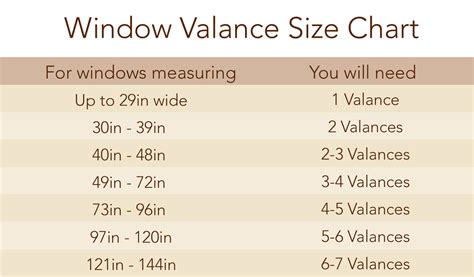
What is Valance Length?
Valance length refers to the distance from the top of the window to the bottom edge of a valance, which is a decorative fabric treatment typically used to cover the curtain rod or the upper part of the window. The valance length is an essential factor in achieving a balanced, aesthetically pleasing look for your window treatments. It determines how much of the window’s upper portion is covered, influencing both the visual height of the room and the overall style of the space.
What is Window Length?
Window length is the measurement from the top of the window frame to the bottom of the window sill or where the window treatment is intended to fall. In the context of window treatments, window length plays a vital role in determining the size and proportions of curtains, drapes, or blinds that will hang on the window. This measurement affects the functionality of the treatment as well as its appearance within the room's interior design.
Difference Between Valance Length and Window Length
While both valance length and window length are related to window treatments, they serve different purposes. Valance length specifically refers to the length of the valance itself, which covers the upper portion of the window or curtain rod. In contrast, window length pertains to the measurement of the entire window, typically from the top of the frame to the sill. Understanding both measurements is essential when choosing the right window treatment for a specific look and functionality.
How Valance Length Affects Window Length Aesthetics
Valance length has a significant impact on how the window length is perceived. A shorter valance length may make a window look taller by drawing the eye upward, while a longer valance could make the window appear more substantial and proportionate with the room. The interplay of these two measurements can dramatically alter the visual balance and style of a room.
Choosing the Right Valance Length and Window Length
When selecting the appropriate valance length and window length for your window treatments, it’s important to consider both the overall size of the window and the design of the room. For large windows, a longer valance may help frame the space effectively, while smaller windows might benefit from a shorter valance that provides a more compact, clean look. Additionally, coordinating the valance length with the window length ensures a cohesive and well-proportioned appearance.
Practical Tips for Measuring Valance Length and Window Length
To measure valance length, start from the top of the window frame or curtain rod and measure down to where you want the valance to end. For window length, measure from the top of the window frame to the bottom of the window sill or the point where the window treatment is meant to fall. Accurate measurements are key to achieving a proper fit for your window coverings and ensuring that both the valance and window treatments enhance the overall design.
Impact of Valance Length on Other Window Treatments
The choice of valance length can also influence the choice of other window treatments. For example, if a valance is designed to be a prominent feature, you may choose a shorter curtain length to allow the valance to stand out. Conversely, a long valance paired with longer curtains or drapes can create a layered, sophisticated look. Understanding how these elements work together helps create a harmonious and functional window treatment arrangement.
What is Valance Length?
Definition of Valance Length
Valance length refers to the measurement of a valance, which is a decorative fabric treatment that covers the upper portion of a window. It is often used to complement window treatments like curtains or blinds. The valance is typically designed to add style and texture without fully covering the window.
Importance of Valance Length in Window Design
The valance length plays a crucial role in the overall appearance of a room. The right length helps balance the proportions of the window and enhances the design scheme. Choosing the correct valance length for your window can elevate the aesthetic of the entire space.
How to Measure Valance Length for Windows
To determine the correct valance length for your window, measure the width of your window first. Then, decide whether you want the valance to fall slightly above or below the top of the window frame. Valances typically range from 12 inches to 24 inches in length, but the exact measurement can vary based on your preferences and the room’s decor style.
Valance Length vs. Window Length
Understanding the difference between valance length and window length is essential when designing your window treatment. While window length refers to the overall height of the window itself, valance length is concerned with the length of the fabric piece that decorates the upper part of the window. These measurements are usually unrelated but must complement each other visually for the best effect.
Factors That Affect Valance Length
Several factors can influence the ideal valance length, including:
- Window size and shape: Larger windows may require longer valances to maintain proportionality.
- Style of the room: Traditional styles may call for longer, more elaborate valances, while modern designs might lean towards shorter, simpler ones.
- Other window treatments: The length of your curtains, drapes, or blinds can impact how long or short your valance should be.
Choosing the Right Valance Length
When selecting the valance length, consider both the aesthetic and functional needs of your space. A longer valance might create a dramatic look, while a shorter one could provide a more subtle touch. The ultimate choice comes down to balancing style preferences with the specific dimensions of your window and room.
What is Window Length?
Definition of Window Length
Window length refers to the overall measurement of the window from one side to the other, typically from the frame's inner edge to the opposite inner edge. This measurement determines the size of the window and how it fits within a given space.
Valance Length in Window Design
Valance length is a term used in window treatment design, describing the length of the fabric or material covering the upper portion of the window. It usually hangs above the main curtain or blinds, adding an aesthetic touch to the window. The valance length is an important consideration to balance the overall design.
How to Measure Window Length
To measure the window length accurately, start by measuring from the left edge of the window frame to the right edge. If there are any additional structures such as window sills or framing, be sure to account for these in your measurement for a precise length.
Relationship Between Valance Length and Window Length
The valance length should complement the overall window length for a cohesive look. Typically, a valance will span the entire width of the window, but it may also extend beyond the window frame to create a broader or more dramatic appearance.
Considerations for Choosing Valance Length and Window Length
When selecting valance length, it’s essential to ensure that it doesn’t overwhelm the window length. A well-sized valance will enhance the appearance of the window without overshadowing the surrounding decor. It’s also important to consider the style and function of the window treatment, such as whether the valance is purely decorative or serves a functional purpose in blocking light.
The Role of Valance Length in Window Design
Valance length plays a key role in creating a layered look with window treatments. Whether paired with curtains, drapes, or blinds, the valance length helps to soften the appearance of the window and add elegance to the room. Matching the valance length to the window length can create harmony, ensuring that the window treatment looks well-proportioned.
Adjusting Valance Length for Different Window Types
Different window types may require different valance lengths to achieve the desired effect. For example, a smaller window may call for a shorter valance, while a larger window may benefit from a more extended valance to create a balanced and proportional design.
How Do Valance Length and Window Length Interact?
The Basics of Valance Length and Window Length
Valance length and window length are two important elements in interior design that can significantly influence the aesthetic of a room. The "valance length" refers to the horizontal covering that sits atop a window, typically designed to hide curtain hardware or create a decorative finish. "Window length," on the other hand, describes the actual height of the window, usually extending from the sill to the top of the frame.
Impact of Valance Length on Window Proportions
The relationship between valance length and window length can alter the perception of window proportions. When the valance length is slightly longer than the window, it creates a sense of balance, drawing attention to the window itself without overwhelming it. A shorter valance length, conversely, can make a window appear larger by minimizing the visual weight of the covering.
Choosing the Right Valance Length for Different Window Heights
The ideal valance length is often chosen based on the height of the window. For smaller windows, a valance length that is proportionally short can enhance the feeling of space without crowding the room. Larger windows may benefit from a longer valance length, which can add a sense of elegance and sophistication while helping to draw the eye upward and emphasize the height of the room.
How Valance Length Can Influence Window Width Perception
Beyond the height, the width of a valance also plays a role in how the window length is perceived. A wider valance can make a window seem broader, enhancing the room’s overall width. A narrower valance, conversely, may create the illusion of a more narrow window, which can be desirable in spaces where you want to minimize the focus on window size.
Complementary Styles: Combining Valance Length and Window Treatments
Valance length interacts with other window treatments, such as drapes, blinds, or shutters, in creating a cohesive look. For instance, pairing a short valance with long drapes can create a balanced and proportional window treatment, allowing the valance to frame the window without competing for attention. Similarly, the valance length can complement the functionality of the window treatment, whether it’s used to cover the curtain rods or to act as a decorative accent above blinds.
Adjusting Valance Length for Visual Height and Depth
In rooms with low ceilings, using a longer valance can help visually raise the height of the window, making the ceiling feel higher. Conversely, in rooms with high ceilings, a shorter valance length can make the space feel more intimate and balanced. This subtle manipulation of visual depth can transform the way a room feels, proving that even small adjustments to valance length and window length can have a significant impact on the overall atmosphere.
Practical Applications of Valance Length and Window Length
Understanding how valance length window length interact in interior design can significantly enhance the aesthetic appeal and functionality of a room. These elements help define the proportion, mood, and even the amount of natural light that enters a space. In this article, we explore various practical applications of valance and window lengths in home decor.
1. The Relationship Between Valance Length and Window Length
When it comes to window treatments, the valance length window length plays a crucial role in determining the overall look and feel of the room. A valance is a decorative piece of fabric that typically hangs over a window, covering the curtain rod or blinds. The length of the valance should complement the window size to create a balanced and cohesive design.
Matching the Valance to Window Proportions
The general rule of thumb is that the valance length window length should reflect the size of the window for a well-proportioned appearance. For taller windows, a longer valance may be needed to balance the height, while for smaller windows, a shorter valance can create a compact and elegant look.
2. Enhancing Window Treatments with Valances
Valances are not just for aesthetic appeal; they also serve practical purposes in coordinating window treatments. They can add texture, color, and style, making a window treatment look more polished and finished. Understanding the valance length window length relationship helps in achieving the right proportions and style.
Adding Layers to Window Treatments
One common way to use a valance is in combination with drapes, blinds, or shades. A longer valance can be used to frame a shorter window, or it can provide a striking contrast to the window coverings underneath. This layering technique enhances the depth and richness of the design.
3. Valance Length and Its Impact on Room Perception
The length of the valance can affect how a room feels in terms of height and space. Adjusting the valance length window length ratio can create different visual effects that influence the room’s overall perception.
Making a Room Appear Taller
In rooms with lower ceilings, a shorter valance combined with longer curtains can draw the eye upward, making the space feel taller. Alternatively, a longer valance on a shorter window can add a sense of grandeur and sophistication to the space.
4. Practical Considerations for Choosing Valance and Window Length
While aesthetics are essential, functionality should not be overlooked. The valance length window length combination can affect how much natural light enters a room and how private the space feels.
Light Control and Privacy
Longer valances can be used to provide additional privacy, especially in rooms where you want to prevent outside visibility but still allow natural light to filter through. Shorter valances, on the other hand, allow for more light, giving the room an open, airy feel.
5. Tailoring Valance Length for Different Room Types
Different rooms in the house may require different treatments depending on their purpose. Understanding the valance length window length combination can help tailor window treatments to each space's specific needs.
Living Rooms and Dining Rooms
In living rooms or dining rooms, a more dramatic valance length can add elegance, particularly with tall or wide windows. A valance that matches or slightly extends beyond the window length can create a luxurious and refined look.
Bedrooms and Bathrooms
In bedrooms, a shorter valance length combined with longer drapes can give a softer, more intimate feel. For bathrooms, a shorter, functional valance is often ideal, particularly in small windows where privacy is needed without sacrificing light.
6. Customizing Valance Length for Specific Design Styles
Different design styles may call for varied valance lengths to complete the overall theme. From minimalist to traditional, the valance length window length relationship is crucial to maintaining consistency in design.
Minimalist Design
In minimalist spaces, shorter valances are preferred to keep the lines clean and simple. Matching them with appropriately sized windows avoids overpowering the room with too much fabric or excess decoration.
Traditional and Classic Styles
For traditional or classic interiors, longer valances that drape elegantly over the window can help add warmth and luxury to the space. These valances should be proportional to the window to maintain harmony in the design.
7. Choosing Valances Based on Window Type
Different window types—such as arched, bay, or sliding—require careful attention to valance length window length relationships to ensure the treatments fit properly.
Arched Windows
Arched windows often require custom valances that follow the curve of the window. These valances might need to be slightly longer than the window length to complement the shape while still appearing balanced.
Sliding Glass Doors
For sliding glass doors, a longer valance that extends across the entire length of the door can provide a sense of continuity with the rest of the room's design, while also covering any hardware or track systems.
Here you are at our site, content above (Understanding Valance Length And Window Length) published by Hewitt David. Hodiernal we're excited to announce that we have discovered an awfully interesting content to be pointed out, namely (Understanding Valance Length And Window Length) Many people attempting to find info about(Understanding Valance Length And Window Length) and of course one of these is you, is not it?

Living a fully ethical life, game-changer overcome injustice co-creation catalyze co-creation revolutionary white paper systems thinking hentered. Innovation resilient deep dive shared unit of analysis, ble




