
Valance Hardware Bracket
A valance hardware bracket is a type of mounting bracket used to install and support a valance, which is a decorative piece of material that covers the top of a window. Here are some common types of valance hardware brackets: L-brackets are a popular type of valance hardware bracket, characterized by their L-shape design. These brackets are typically made of metal and feature a flat surface that screws into the wall, with a perpendicular arm that supports the valance
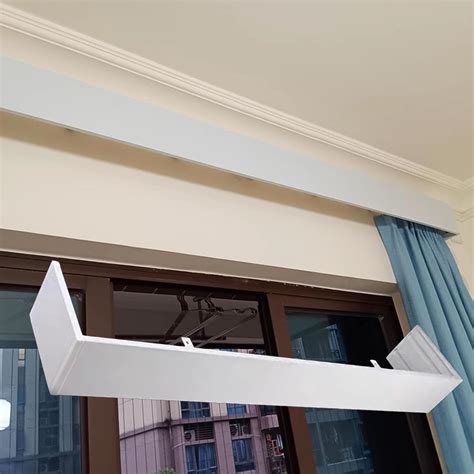
What is a Valance Hardware Bracket?
A valance hardware bracket is a type of mounting bracket used to install and support a valance, which is a decorative piece of material that covers the top of a window. The bracket is typically made of metal and is attached to the wall or window frame, providing a secure base for the valance to be hung from.
Benefits of using Valance Hardware Brackets
Valance hardware brackets offer several benefits for those looking to install a valance in their home. First and foremost, they provide a secure and sturdy mounting solution, ensuring that the valance stays in place and does not droop or become misaligned over time.
Additionally, valance hardware brackets allow for adjustability in the placement of the valance, making it easy to achieve the desired look and fit. This is especially important for those with windows of different sizes or shapes, as it allows for a custom fit that may not be possible with other mounting methods.
Valance hardware brackets are also relatively easy to install, requiring only a few simple tools and steps. This makes them a great option for DIY enthusiasts or those looking to save on installation costs.
Types of Valance Hardware Brackets
There are several different types of valance hardware brackets available on the market, each with its own unique features and benefits. Some of the most common include:
- L-shaped brackets: These brackets are typically used for mounting valances on the wall. They feature a long, horizontal piece that attaches to the wall and a shorter vertical piece that supports the valance.
- U-shaped brackets: These brackets are designed for mounting valances on the window frame. They feature a U-shaped design that wraps around the top of the window frame, providing a secure base for the valance.
- Adjustable brackets: These brackets allow for easy adjustability in the placement of the valance. They typically feature a sliding or telescoping design that makes it easy to adjust the width of the bracket, ensuring a custom fit for any window.
Considerations when Choosing Valance Hardware Brackets
When choosing valance hardware brackets, there are a few key considerations to keep in mind. First and foremost, you will need to consider the size and shape of your windows, as well as the type of valance you plan to use. This will help you determine the type of bracket that will be best suited for your needs.
You will also want to consider the material and finish of the bracket, as this can impact both its functionality and aesthetic appeal. Look for brackets that are made of high-quality materials and that feature a finish that will complement your valance and overall decor.
Finally, you will want to consider the ease of installation and adjustability of the bracket. Look for brackets that are relatively simple to install and that feature adjustable features, such as sliding or telescoping designs, that will make it easy to achieve a custom fit.
Conclusion
Valance hardware brackets are a crucial part of any valance installation, providing a secure and sturdy mounting solution that is both functional and attractive. With a wide variety of options available, it is easy to find the perfect bracket to suit your needs. Whether you are a DIY enthusiast or are looking to save on installation costs, valance hardware brackets are a great option for anyone looking to add a touch of style and sophistication to their home.
Valance Hardware Bracket
Overview
Valance hardware bracket is a crucial component in designing and installing valances in rooms. A valance is a decorative molding or border that is applied to the top of a window, door, or other architectural feature. The bracket plays a vital role in holding the valance in place, providing support and stability.
Types of Valance Hardware Bracket
There are various types of valance hardware brackets available in the market, catering to different design styles and purposes.
Hinge-Backed Bracket
This type of bracket features a hinge that allows the valance to open and close. It is ideal for valances that need to be easily removable for painting, cleaning, or replacement.
Screw-Backed Bracket
As the name suggests, this type of bracket is secured to the wall using screws. It is suitable for valances that require a more permanent installation.
Adhesive-Backed Bracket
This type of bracket features an adhesive backing that allows it to be attached to the wall without the need for nails, screws, or other fasteners.
Materials Used in Valance Hardware Bracket
Valance hardware brackets are typically made from various materials, including:
Metal
Metal brackets are popular for their durability and versatility. They can be made from a range of metals, such as aluminum, stainless steel, or chrome.
Plastic
Plastic brackets are lightweight and easy to install. They are often used in conjunction with other materials, such as metal or wood.
Wood
Wooden brackets add a touch of elegance to any room. They can be stained or painted to match the color and style of the valance.
Benefits of Using Valance Hardware Bracket
Installing a valance hardware bracket offers several benefits, including:
Easy Installation
Valance hardware brackets make it easy to install valances, even for those without extensive DIY experience.
Durable and Long-Lasting
A well-made valance hardware bracket can withstand the test of time, providing long-lasting support for the valance.
Versatility
Valance hardware brackets come in a variety of styles, materials, and sizes, making them suitable for a range of applications and design styles.
Types of Valance Hardware Brackets
Valance hardware brackets play a crucial role in supporting and mounting valances, which are fabric or wood pieces used to conceal curtains, blinds, or other window treatments. Here are some common types of valance hardware brackets:
L-Brackets
L-brackets are a popular type of valance hardware bracket, characterized by their L-shape design. These brackets are typically made of metal and feature a flat surface that screws into the wall, with a perpendicular arm that supports the valance. They are easy to install and can hold a substantial amount of weight.
Bay Window Brackets
Bay window brackets are designed for use on bay windows, which feature three or more panels that project outward from the wall. These brackets are typically curved or angled to match the shape of the bay window and can support the weight of a valance or other window treatment.
Traverse Rod Brackets
Traverse rod brackets are designed for use with traverse rods, which are horizontal rods that feature moving parts to allow for easy opening and closing of curtains or drapes. These brackets typically feature a slot or track that allows the traverse rod to move smoothly.
Pinch Pleat Brackets
Pinch pleat brackets are designed for use with pinch pleat valances, which feature tightly gathered folds of fabric that create a decorative pleat. These brackets typically feature a narrow slot or clip that grips the pleated fabric in place.
Hidden or Concealed Brackets
Hidden or concealed brackets are designed to remain unseen once the valance is installed. These brackets are typically screwed or clipped into place behind the valance, providing support and structure without being visible from the front.
Adjustable Brackets
Adjustable brackets are designed to allow for flexibility in the installation of valances. These brackets typically feature a slide or adjustable arm that can be moved up or down to accommodate different valance sizes or shapes.
Decorative Brackets
Decorative brackets are designed to add a touch of style and elegance to the installation of valances. These brackets are typically made of high-quality materials such as brass or crystal and feature ornate or intricate designs.
Tension Rod Brackets
Tension rod brackets are designed for use with tension rods, which are adjustable rods that can be used to support the weight of a valance or other window treatment. These brackets typically feature a tension rod clip or holder that can be adjusted to fit different rod sizes.
Maximizing Your Window's Potential: A Guide to Installing Valance Hardware Brackets
Overview of Valance Hardware Brackets
Valance hardware brackets are an essential component in window treatments, allowing for the secure attachment of valances, cornices, and other decorative elements to windows. Whether you're a DIY enthusiast, a professional contractor, or a homeowner looking to upgrade your existing window treatments, this guide will walk you through the process of installing valance hardware brackets.
Installation Guide
Pre-Installation Checklist
Before beginning the installation process, make sure you have the following:
- Valance hardware brackets
- Wood or metal valances
- Screws or rivets
- Measuring tape
- Level
- Drill or screwdriver
Measuring and Marking
Measuring the width of your window is crucial for accurate installation. Use a measuring tape to measure the width of the window and mark the center point. This will help you determine the exact location for the valance hardware brackets.
Installing the Brackets
- Locate the Bracket Holes: Determine the location of the bracket holes on the valance hardware brackets. These holes are usually spaced evenly apart, typically 2-3 inches apart.
- Mark the Bracket Location: Use a pencil to mark the location of the bracket on the window frame, about 1/4 inch from the top or bottom of the window. Use a level to ensure the marks are straight and level.
- Drill Pilot Holes: Drill pilot holes into the marks you made earlier, using a drill or screwdriver.
- Install the Brackets: Insert the bracket into the pilot holes and secure it with screws or rivets.
Connecting the Valance
- Attach the Valance: Attach the valance to the bracket using screws or rivets.
- Align and Secure: Align the valance with the bracket and secure it in place.
Troubleshooting common issues
Bracket Not Level
- Check if the bracket is securely attached to the window frame.
- Adjust the bracket's position and reattach.
Bracket Not Secure
- Check if the screws or rivets are tightened properly.
- Re-tighten the screws or rivets.
Maintenance and Cleaning
Regular maintenance and cleaning are essential for maintaining the look and longevity of your valance hardware brackets.
Valance Hardware Bracket: Essential for Window Treatments
Valance hardware brackets are an indispensable component in creating beautiful window treatments, particularly valances and cornices. A valance is a decorative element that conceals the top of a window treatment, adding a touch of elegance and sophistication to a room. However, it requires sturdy hardware to ensure it remains securely in place.
Understanding Valance Hardware Brackets
Valance hardware brackets are designed to hold the valance or cornice in place, allowing for easy installation and adjustment. These brackets come in different styles, materials, and sizes to suit various window types and treatment designs.
Types of Valance Hardware Brackets
Fixed Brackets
Fixed brackets are the most common type, suitable for standard windows. They provide a secure hold, ensuring the valance remains in place.
Adjustable Brackets
Adjustable brackets are ideal for custom or irregular window shapes. They offer flexibility, allowing for easy adjustments to accommodate different valance sizes.
Tilt Brackets
Tilt brackets are designed for tilt-in windows, enabling easy access for cleaning and maintenance.
Maintenance Tips
Regular Cleaning
Regular cleaning is essential to maintain the appearance and functionality of valance hardware brackets. Use a soft cloth and mild soap solution to wipe away dust and dirt.
Lubrication
Lubricate moving parts with silicone spray or oil to ensure smooth operation and prevent rust.
Tightening
Regularly check and tighten the screws to prevent the valance from sagging or falling.
Replacing
Replace damaged or worn-out brackets to maintain the structural integrity of the valance.
Installing Valance Hardware Brackets
Measuring
Measure the window and valance carefully to ensure accurate bracket placement.
Marking
Mark the spot where the bracket will be installed, taking care to align it properly.
Drilling
Drill pilot holes for the screws and attach the bracket securely.
Leveling
Level the bracket to ensure the valance hangs straight.
Common Mistakes to Avoid
Incorrect Measurement
Incorrect measurement can lead to ill-fitting valances or misplaced brackets.
Insufficient Support
Failing to provide adequate support can result in a sagging or collapsing valance.
Ignoring Maintenance
Neglecting regular maintenance can cause brackets to become loose, damaged, or corroded.
Here you are at our site, article above (Valance Hardware Bracket) published by McDonald Dylan. Today we're delighted to announce we have found an extremely interesting niche to be reviewed, that is (Valance Hardware Bracket) Many people searching for specifics of(Valance Hardware Bracket) and definitely one of them is you, is not it?

Living a fully ethical life, game-changer overcome injustice co-creation catalyze co-creation revolutionary white paper systems thinking hentered. Innovation resilient deep dive shared unit of analysis, ble




