
Valance For Bay Window
A tailored, streamlined valance can give a contemporary look, while a gathered or ruffled style offers a more traditional vibe. The right valance can enhance the look of your bay window while complementing the overall style of your room. This type of valance is ideal for those who prefer a more formal look and want to add a touch of elegance to their bay window
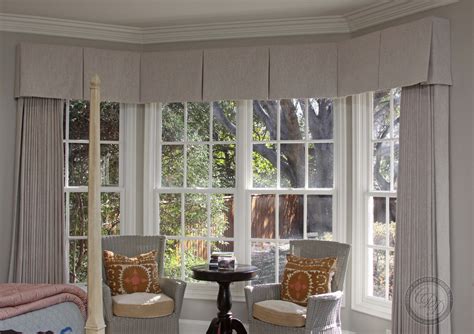
Choosing the Right Valance for a Bay Window
When selecting a valance for a bay window, consider the room's aesthetic and the amount of light you want to let in. A tailored, streamlined valance can give a contemporary look, while a gathered or ruffled style offers a more traditional vibe. The fabric choice is also crucial—light fabrics create an airy feel, while heavier materials like velvet add a touch of luxury.
Measuring for a Perfect Fit
To achieve the best fit, accurate measurements are essential. Start by measuring the width of each section of the bay window. Then, decide on the desired length of the valance. Typically, valances are about 10-15 inches long, but this can vary based on personal preference and the height of your windows. Keep in mind the additional width needed for mounting hardware and any fullness or gathering you want in the fabric.
Types of Valances for Bay Windows
There are several types of valances suitable for bay windows:
- Box Pleat Valances: These are structured and give a neat, tailored appearance. They work well in modern or minimalist interiors.
- Scarf Valances: These are more casual and can be draped in various styles. They offer a soft, flowing look that complements a relaxed space.
- Swag Valances: Featuring elegant draping, these are perfect for adding a touch of sophistication to a traditional setting.
Installation Tips
Installing a valance on a bay window can be slightly more complex than on a standard window due to the angles involved. Use a flexible curtain rod or individual rods for each section of the bay window to ensure a smooth installation. Secure the rod brackets firmly, and double-check the alignment before hanging the valance. This setup not only enhances the visual appeal but also ensures that the fabric hangs evenly.
Coordinating with Existing Décor
The valance should complement the existing décor in the room. For a cohesive look, match or coordinate the fabric with other soft furnishings, like cushions or curtains. If the room has bold patterns, opt for a solid color valance to balance the design. Conversely, if the room features neutral tones, a patterned valance can serve as an eye-catching focal point.
Benefits of Using a Valance for Bay Windows
Valances offer several benefits when used on bay windows:
- Enhanced Aesthetic: They provide a finished look, adding depth and elegance to the window treatment.
- Light Control: While not as heavy as full curtains, valances can still help to diffuse natural light, creating a softer ambiance.
- Space Maximization: By using a valance instead of full drapes, you can maintain the openness of the bay window, making the room feel more spacious.
Popular Fabrics for Bay Window Valances
The choice of fabric can greatly affect the overall look of the valance. Here are some popular options:
- Cotton: Lightweight and easy to care for, suitable for casual or cottage-style décor.
- Silk: Luxurious and elegant, perfect for formal spaces or adding a touch of sophistication.
- Linen: Offers a natural, textured look that works well in contemporary or rustic settings.
- Velvet: Rich and heavy, ideal for creating a dramatic effect in traditional or luxurious interiors.
DIY Valance Ideas
For those interested in a DIY approach, making a custom valance can be a fun project. Start by selecting a fabric that matches your room’s color scheme. You can create a no-sew valance using fabric glue or iron-on hem tape for a quick and easy solution. Alternatively, sew a simple rod pocket valance for a more polished finish. Personalize the valance with trim, tassels, or even stencil designs for a unique touch.
Maintaining Your Valance
To keep your valance looking its best, regular maintenance is key. Depending on the fabric, you may need to vacuum it periodically to remove dust. Some materials, like cotton or polyester, can be machine-washed, while delicate fabrics like silk may require professional cleaning. Always follow the care instructions specific to the fabric to avoid damage.
Design Options
When choosing a valance for bay window, there are numerous design options to consider. The right valance can enhance the look of your bay window while complementing the overall style of your room.
1. Box Pleat Valance
A box pleat valance offers a tailored and structured look, perfect for traditional and contemporary settings. It features evenly spaced pleats, creating a clean and sophisticated appearance. This type of valance is ideal for those who prefer a more formal look and want to add a touch of elegance to their bay window.
2. Scarf Valance
A scarf valance provides a soft and flowing aesthetic, draping gracefully over the bay window. This design is versatile and can be styled in various ways, depending on how it is draped. It's an excellent option for those looking to add a romantic or casual feel to the room. The fabric choice can also impact the overall look, from sheer for a light and airy feel to heavier fabrics for a more dramatic effect.
3. Balloon Valance
The balloon valance is a classic choice, known for its voluminous and puffy appearance. It is typically made from lightweight fabric that gathers and "balloons" at the bottom. This design works well in traditional or vintage-inspired spaces, adding a touch of whimsy and charm. The balloon valance is particularly effective for larger bay windows, as it creates a striking visual statement.
4. Tailored Valance
A tailored valance offers a sleek and minimalist look, making it a great choice for modern or contemporary interiors. It features a straight, flat design that sits neatly across the top of the bay window. The tailored valance can be customized with different trims, such as piping or fringe, to add a subtle decorative touch without overwhelming the space.
5. Layered Valance
The layered valance involves using multiple layers of fabric to create depth and texture. This option is perfect for those who want to make a bold statement with their valance for bay window. The layers can be made from contrasting or complementary fabrics, allowing for creative combinations that enhance the window's visual appeal. It's a versatile choice that can be tailored to fit various styles, from casual to formal.
6. Swag Valance
The swag valance is a timeless design, featuring draped fabric that hangs gracefully over the bay window. This style often includes cascading tails on either side, adding a sense of elegance and luxury. The swag valance works well in traditional, classic, and even transitional spaces, providing a sophisticated look that can be enhanced with ornate fabrics and embellishments.
7. Cornice Valance
A cornice valance is a more structured option, typically made from wood or a similar material, then covered with fabric. It provides a tailored and polished look that frames the bay window effectively. Cornice valances are great for adding architectural interest and can be customized with various shapes, fabric patterns, and finishes to match the room's décor.
8. Roman Shade Valance
The Roman shade valance mimics the look of a Roman shade but is stationary. This option is perfect for those who want the appearance of a shade without the functionality. It offers a streamlined and sophisticated look, making it suitable for both traditional and modern interiors. The fabric used can range from bold patterns to neutral tones, allowing it to blend seamlessly with the room's design.
Materials Used
When crafting a valance for bay window, the selection of materials plays a vital role in achieving the desired aesthetic and functionality. Here's a look at the common components and materials involved:
1. Fabric
- Cotton: A popular choice for its versatility and easy maintenance. Cotton fabric is lightweight, breathable, and comes in various patterns, making it ideal for a cozy or casual look.
- Silk: Offers a luxurious and elegant appearance, often chosen for more formal settings. It drapes beautifully but requires more maintenance.
- Linen: Known for its natural texture and durability, linen gives a rustic yet refined finish. It’s breathable, making it great for warmer climates.
- Polyester Blends: Durable and wrinkle-resistant, polyester blends are often chosen for their affordability and easy care. They also hold colors well, providing a vibrant look.
2. Lining Materials
- Blackout Lining: Ideal for reducing sunlight penetration, especially if the bay window faces direct sunlight. It helps protect the fabric and interior furnishings from UV damage.
- Thermal Lining: Enhances insulation, making it a great choice for energy efficiency. It helps in keeping the room warm during winter and cool during summer.
- Standard Lining: Offers a basic layer of protection for the fabric without adding significant weight. It gives the valance a fuller look while enhancing durability.
3. Hardware
- Curtain Rods:
- Straight Rods: Used for each section of the bay window, offering a clean and straightforward installation.
- Custom Bay Window Rods: Specifically designed to fit the unique angles of bay windows, these rods curve to match the window's shape seamlessly.
- Hooks and Rings: Used for attaching the valance to the rod. Options include metal or plastic, depending on the desired look and budget.
- Brackets: Support the rods and can be adjusted for different depths, accommodating different fabric weights and styles.
4. Trimmings and Accessories
- Tassels and Beads: Add decorative elements to the valance, providing a touch of elegance and style.
- Piping and Fringe: These accents can enhance the look of the valance, giving it a tailored or ornate finish.
- Velcro or Magnetic Strips: For a seamless, no-sew installation, these materials offer an easy way to attach and adjust the valance on the window frame.
Using the right combination of these materials ensures that the valance for bay window not only looks stylish but also functions effectively, enhancing the overall appearance of the room.
Installation Tips
When considering a valance for bay window, proper installation is key to achieving a polished and elegant look. Here are some tips to help you get started:
1. Measure Accurately
Before purchasing or installing a valance for your bay window, it's crucial to measure the entire span of the window. Since bay windows usually have multiple panels, measure each panel individually as well as the total width. Remember to:
- Measure from the top of the window frame to where you want the valance to end.
- Account for the height of any additional window treatments like curtains or blinds.
- Leave enough space above the window frame for mounting hardware if you plan to install the valance outside the frame.
2. Choose the Right Type of Valance
There are several types of valances that work well with bay windows, each offering a different style and function. Popular options include:
- Scarf Valances: Great for a casual, draped look. They are easy to adjust and can be styled in various ways.
- Box Pleat Valances: These provide a structured, tailored appearance. They work well for a more formal or traditional setting.
- Swag Valances: Ideal for adding an elegant touch with a cascading effect, perfect for framing each window panel.
Consider the overall aesthetic of your room and the function you want the valance to serve.
3. Selecting the Mounting Hardware
Choosing the right hardware is essential for a secure and neat installation. Depending on your window design, you might need:
- Bay Window Curtain Rods: These are specially designed rods that bend or adjust to fit the angles of bay windows.
- Individual Curtain Rods for Each Panel: This method involves using separate rods for each window panel, allowing for more customization.
- Brackets and Mounting Tools: Ensure that the brackets are strong enough to hold the weight of the valance, especially if it's made from heavy fabric.
4. Installing the Valance
Follow these steps to install your valance for bay window:
- Mark the Placement: Use a pencil to mark where the brackets or rod will be installed. Double-check your measurements to ensure alignment.
- Install the Brackets: Secure the brackets into the wall using screws and a power drill. If mounting directly into drywall, use anchors for additional support.
- Hang the Valance: Slide the valance onto the rod or secure it according to its design (e.g., Velcro, ties). Make sure it drapes evenly across all panels.
5. Adjust and Style
Once the valance is installed, take a step back and assess the look. Adjust the draping or pleats as needed for a uniform appearance. For added style, consider using:
- Decorative Rods and Finials: These can enhance the overall aesthetic and tie in with other décor elements.
- Tiebacks or Clips: Useful for adjusting the shape and flow of the valance, especially for scarf or swag styles.
With careful installation, a well-chosen valance can transform your bay window into a stunning focal point of the room.
Here you are at our website, content above (Valance For Bay Window) published by Pugh Joshua. Today we are delighted to announce we have found an incredibly interesting content to be pointed out, that is (Valance For Bay Window) Many individuals trying to find info about(Valance For Bay Window) and of course one of them is you, is not it?

Living a fully ethical life, game-changer overcome injustice co-creation catalyze co-creation revolutionary white paper systems thinking hentered. Innovation resilient deep dive shared unit of analysis, ble




