
Elevate Your Window Style: The Ultimate Guide To Valance And Tier Curtain Sets
Valance and tier curtain sets are a popular choice for adding style, privacy, and light control to windows. Hereâs a breakdown of popular styles: The fabric type plays a crucial role in achieving the desired ambiance and functionality: To achieve the best look, accurate measurements are essential: When styling a room, consider how the valance and tier curtain set coordinates with other elements: Valance and tier sets are easy to swap out for a fresh seasonal or holiday look. Available in various fabrics, colors, and patterns, valance and tier curtain sets offer immense flexibility for different decor styles
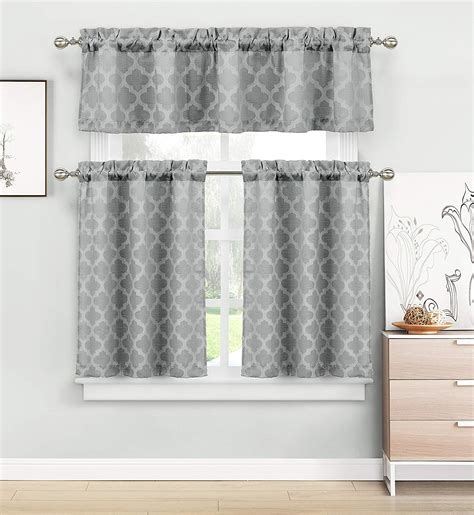
Understanding Valance and Tier Curtain Sets
Valance and tier curtain sets are a popular choice for adding style, privacy, and light control to windows. A valance is a shorter fabric panel that sits at the top of the window, offering decorative flair and covering hardware. Tiers are the panels that hang below, typically covering the bottom half of the window. Together, they create a layered look that works well in kitchens, bathrooms, and other spaces where you want a balance of privacy and light.
Benefits of Valance and Tier Curtain Sets
- Versatility: Valance and tier curtain sets come in various colors, patterns, and materials, allowing them to suit diverse interior styles, from farmhouse to modern.
- Privacy Control: These sets provide privacy by covering the lower portion of the window while leaving the upper area more open.
- Enhanced Light Filtering: By covering only part of the window, valance and tier sets let in natural light, which brightens the room without overwhelming it.
- Easy Installation and Maintenance: The two-piece design makes them easy to install, remove, and clean, especially in high-traffic or moisture-prone areas like the kitchen.
Choosing the Right Style for Your Space
Selecting the ideal valance and tier curtain set involves considering both functionality and design. Here’s a breakdown of popular styles:
- Classic Scalloped Valance with Solid Tiers: This traditional look features a scalloped edge on the valance paired with simple, solid-color tiers. It’s a timeless choice that adds a touch of elegance to any room.
- Rustic Plaid or Gingham Patterns: Ideal for farmhouse or country-style interiors, plaid and gingham patterns add warmth and a cozy feel.
- Contemporary Solid Colors: For a minimalist or modern space, solid-colored valance and tier sets in neutral tones add style without overwhelming the decor.
- Floral and Botanical Prints: If you’re aiming for a vintage or cottage-inspired vibe, floral prints bring an added touch of charm and softness to the space.
Choosing Fabric for Different Settings
The fabric type plays a crucial role in achieving the desired ambiance and functionality:
- Cotton: A popular choice for its breathability and easy maintenance, cotton offers a soft, natural look and can suit various designs, from traditional to contemporary.
- Polyester: Known for durability and wrinkle-resistance, polyester is ideal for bathrooms and kitchens where fabric is more exposed to moisture.
- Linen: Linen adds an airy, natural vibe to a space but may require more maintenance as it wrinkles easily. It works well in more decorative settings like dining rooms.
- Sheer Fabrics: If maximizing natural light is a priority, opt for sheer valances and tiers. These fabrics diffuse light beautifully while adding a subtle decorative element.
Measuring and Hanging Valance and Tier Curtains
To achieve the best look, accurate measurements are essential:
- Measure Window Width: For a full look, the combined width of your valance and tier set should be about twice the width of the window.
- Determine Length for Tiers and Valance: The tiers usually cover the bottom half, so measure from the windowsill up to halfway. Valances should be short enough to frame the top of the window without obstructing views.
- Install Hardware: Mount curtain rods where you plan to hang each piece. Ensure they are level and spaced evenly.
- Hang with Care: Start with the tiers, ensuring they align properly. Then add the valance for a polished, layered effect.
Coordinating with Room Decor
When styling a room, consider how the valance and tier curtain set coordinates with other elements:
- Color Harmony: Match or complement the curtains with wall colors, furniture, and accessories to create a cohesive look.
- Patterns and Textures: Mix textures thoughtfully. If your curtain set is patterned, balance it with solid or subtly textured items in the room.
- Accent Pieces: Add pillows, rugs, or table linens in complementary colors or patterns to create visual continuity.
Seasonal and Thematic Options
Valance and tier sets are easy to swap out for a fresh seasonal or holiday look. Here are some ideas:
- **Spring a
Layered Luxury: The Benefits of Valance and Tier Curtain Sets
1. Enhanced Aesthetic Appeal
Valance and tier curtain sets offer a versatile, layered look that adds sophistication to any room. The valance acts as a decorative topper, while the tier curtains provide additional coverage and style, allowing for customized, elegant window treatments. This layered look enhances the visual depth of your space, creating a cohesive and refined design element.
2. Improved Light Control
With a valance and tier curtain set, you gain better control over natural light. The valance can soften and diffuse sunlight from the top of the window, while the tier curtains allow partial or full coverage at the lower sections. This arrangement helps balance brightness and privacy, making it perfect for rooms where you want light without compromising privacy, such as kitchens or bathrooms.
3. Privacy without Compromising Style
One of the primary benefits of tier curtain sets is the level of privacy they offer. By covering only the lower half of the window, tier curtains provide privacy while still allowing natural light to enter through the uncovered upper portion. Paired with a valance, this setup keeps the space looking stylish and open while ensuring privacy.
4. Energy Efficiency Benefits
Valance and tier curtain sets can also contribute to energy efficiency by providing an extra layer of insulation over the window. The valance helps prevent warm air from escaping in the winter, while in the summer, it can reduce the heat entering the room. Tier curtains add further insulation at the bottom portion of the window, potentially reducing heating and cooling costs over time.
5. Versatile Design Options
Available in various fabrics, colors, and patterns, valance and tier curtain sets offer immense flexibility for different decor styles. Whether you prefer classic, rustic, or modern aesthetics, there’s a combination to suit any taste. These curtains can be changed seasonally or matched with other decor elements, making them an adaptable option for any home.
6. Easy Maintenance and Cleaning
Most valance and tier curtain sets are designed for easy maintenance. Many fabrics are machine washable, and the lighter weight makes them easy to remove, clean, and reinstall. For high-traffic areas like the kitchen, this ease of cleaning ensures that the curtains can be kept looking fresh and stylish with minimal effort.
From Simple to Sensational: Choosing the Right Fabric for Your Curtains
Understanding Fabric Types
Curtains come in a wide range of fabrics, each with unique qualities that influence the look, feel, and functionality of your space. Common curtain fabrics include cotton, linen, silk, polyester, velvet, and blends. Knowing the strengths and characteristics of each fabric will help you select the perfect match for your room.
- Cotton: A versatile, natural fiber, cotton is breathable and easy to clean. It suits casual, modern, and traditional settings alike.
- Linen: Linen has a light, airy texture that brings elegance to any room. It's especially popular for spaces that need a relaxed yet polished look.
- Silk: Known for its luxurious feel and elegant drape, silk adds sophistication to formal spaces. However, it can fade in sunlight, so consider lining.
- Polyester: A budget-friendly and durable option, polyester resists wrinkling and fading. It’s a great choice for high-traffic rooms.
- Velvet: This thick, plush fabric offers excellent insulation and creates a dramatic, luxurious look. Perfect for cozy and formal spaces.
Consider the Functionality
Before selecting fabric, think about what you want your curtains to achieve. Each type of fabric offers different levels of insulation, privacy, light filtering, and maintenance.
- Light Control: Lighter fabrics like cotton or linen let in more light, creating a brighter room. For blackout effects, choose thicker materials like velvet or opt for lined curtains.
- Insulation: Heavier fabrics provide better insulation, helping regulate the room temperature. Velvet and layered polyester options are effective for both warmth and sound insulation.
- Privacy: Bedrooms and bathrooms might require more opaque fabrics. Heavier curtains or lined lighter fabrics offer privacy without sacrificing style.
- Maintenance Needs: Some fabrics require professional cleaning (e.g., silk, velvet), while others, such as cotton and polyester, are easier to wash at home.
Matching Fabric with Room Style
The fabric choice should complement the overall decor and ambiance of your room. Here are some ideas for pairing fabrics with popular decor styles:
- Modern Style: Simple, streamlined cotton or linen curtains in neutral tones fit well in modern spaces, enhancing the minimalist look.
- Traditional Style: Silk or brocade curtains add elegance and fit perfectly in traditional settings. Opt for colors and patterns that match classic furnishings.
- Bohemian or Eclectic Style: Look for light, patterned fabrics like printed cotton or mixed textures to achieve a layered, artistic vibe.
- Industrial Style: Rougher, woven textures in earthy tones like linen work well here. Opt for neutral, muted shades to complement an industrial aesthetic.
Fabric Weight and Drape
The weight and drape of the fabric impact how your curtains will look and move. Light fabrics create a flowing, casual effect, while heavier ones hang in structured folds, giving a room a formal appearance.
- Sheer and Lightweight Fabrics: Ideal for rooms that need brightness and airiness, sheer fabrics soften light without blocking it entirely.
- Medium-weight Fabrics: Cotton and polyester blends fall in this category, offering a balanced drape that works well in various settings.
- Heavyweight Fabrics: Velvet, chenille, and lined curtains create a bold statement, perfect for rooms with high ceilings or large windows.
Practical Tips for Fabric Selection
To ensure you’re making the right choice, keep these tips in mind:
-
Swatch Testing: Take fabric swatches home to see how they look in your room’s natural and artificial lighting.
-
Room-Specific Considerations: For sunny rooms, use fabrics that resist fading. Opt for washable fabrics in high-traffic areas.
-
Layering Options: Consider pairing sheer and opaque curtains for versatile light control and aesthetic appeal.
-
Budgeting: Higher-end fabrics like silk or velvet may require a larger budget, while cotton and polyester offer affordable alternatives.
By focusing on fabric characteristics, style, functionality, and maintenance, you can transform any space from simple to sensational with the perfect choice of curtain fabric.
Tier-ed and True: Measuring Your Windows for the Perfect Fit
Understanding Your Window Style and Purpose
Before measuring, identify the type of window treatment you want: shades, blinds, curtains, or a tiered approach. Different styles require distinct measurements, and understanding the intended functionality helps you determine how much coverage is ideal.
Tools and Preparation for Precise Measurement
Gather necessary tools, including a metal tape measure (for accuracy), a pencil, a notepad, and possibly a stepladder if you’re measuring higher windows. Start with clean, unobstructed windows, and take all measurements twice to ensure accuracy.
Step-by-Step Guide for Measuring Each Tier
Step 1: Measure the Width
- Inside Mount (within window frame): Measure across the top, middle, and bottom of the window opening. Note the narrowest measurement as your final width for a snug fit.
- Outside Mount (outside window frame): Measure the full width of the window plus an additional 1-2 inches on each side for complete coverage.
Step 2: Measure the Height
- Inside Mount: Measure from the top of the window opening to the bottom for height. Record the longest measurement to ensure full vertical coverage.
- Outside Mount: Measure from where you want the top of the treatment to start down to the desired length, typically about 4-6 inches below the window sill.
Additional Tips for Tiered Window Treatments
For tiered curtains or shades, break your measurements into the sections you want to cover. For example, if adding a mid-level tier, measure from the midpoint of the window to the base for accurate tier placement. Ensure each layer has adequate width and height for the desired overlap and coverage.
Accounting for Overlap and Light Control
Consider extra width or overlap for layered treatments, especially if light control is important. For blackout curtains, add at least 2 inches around the window edges for maximum light blocking, while sheer treatments may require less precision.
Final Check: Recording and Verifying Measurements
Write down each measurement immediately, double-check for accuracy, and label each dimension clearly (e.g., inside width, outside height). For custom treatments, ensure all measurements align with the manufacturer’s specifications to avoid fit issues.
The Art of Combination: Pairing Valances and Tiers for Maximum Impact
Understanding Valances and Tiers
Valances and tiers are essential in window treatment design, each adding a unique touch to your decor. Valances cover the top portion of the window, offering elegance and a finishing touch. Tiers, however, cover the lower part of the window, providing privacy while allowing natural light to filter in from above.
Why Pair Valances and Tiers?
Combining valances and tiers creates a cohesive look, enhancing both style and functionality. The valance adds a decorative flair while the tier offers the privacy you need, making it a perfect pairing for kitchens, bathrooms, and casual living spaces.
Choosing the Right Fabric and Color
Selecting the right fabric is crucial for pairing valances and tiers. Light, airy fabrics like cotton and linen work well for casual settings, while silk or velvet may add a luxurious feel to formal spaces. Color coordination is also key; try matching colors in the same family or using complementary shades for a balanced look.
Patterns and Textures
Patterns and textures can bring depth to your window treatments. For example, a floral or geometric valance can stand out against a solid-colored tier. Textured materials like lace or embroidered fabrics add dimension, making the pairing more visually interesting without overwhelming the space.
Styling Tips for Different Room Types
-
Kitchen: Opt for light and washable fabrics. Pair a colorful valance with a solid tier for a lively look, or try gingham or stripes for a farmhouse aesthetic.
-
Bathroom: Moisture-resistant fabrics like polyester work well. A lace or sheer valance combined with a solid tier provides privacy while keeping the space feeling open and airy.
-
Living Room: Choose richer fabrics and colors. A damask or jacquard valance with a matching or subtly contrasting tier adds a luxurious touch, especially when coordinated with the room’s upholstery.
Hanging and Layering Techniques
Consider the positioning and layering of the valances and tiers to create depth and dimension. Hang the valance closer to the ceiling to elongate the window appearance, and layer the tier lower for a seamless blend. Use coordinating rods for a polished look, or mix materials like wood and metal for a more eclectic touch.
Seasonal Updates
Switching out valances and tiers seasonally is an easy way to refresh a room's look. In summer, use light colors and airy fabrics for a breezy vibe. For winter, heavier fabrics in deep hues add warmth. This approach allows you to keep the window treatment looking fresh and appropriate year-round.
Thanks for visiting our site, article above (Elevate Your Window Style: The Ultimate Guide To Valance And Tier Curtain Sets) published by Shah Ryan. At this time we are delighted to announce that we have discovered an incredibly interesting niche to be reviewed, namely (Elevate Your Window Style: The Ultimate Guide To Valance And Tier Curtain Sets) Some people looking for details about(Elevate Your Window Style: The Ultimate Guide To Valance And Tier Curtain Sets) and certainly one of these is you, is not it?

Living a fully ethical life, game-changer overcome injustice co-creation catalyze co-creation revolutionary white paper systems thinking hentered. Innovation resilient deep dive shared unit of analysis, ble




