
Understanding Standard Valance Length
The standard valance length plays an essential role in maintaining the aesthetic appeal of your window treatments. If the curtain rod is positioned high above the window, a longer valance may be needed to cover the gap between the rod and the top of the window frame. The term standard valance length refers to the typical length of curtains or drapes that would fit above a window when installed on standard window valances

Understanding Standard Valance Length
What is Standard Valance Length?
Standard valance length refers to the average length of a valance, which is a decorative piece of fabric attached to the top of a curtain or drapery. The standard length for valances can vary depending on the style and design, but generally, they range from 12 to 18 inches (30-45 cm) in length.
Importance of Standard Valance Length
The standard valance length plays an essential role in maintaining the aesthetic appeal of your window treatments. A well-designed valance not only adds beauty to your windows but also helps to conceal curtain rods and other hardware. Moreover, it can be used to create a sense of continuity and harmony in your room by matching with other decorative elements.
Factors Affecting Standard Valance Length
Several factors can influence the choice of standard valance length, including:
Window Size
The size of the window is one of the most significant factors affecting the standard valance length. For larger windows, longer valances are often preferred to maintain proportion and balance. Conversely, smaller windows may require shorter valances to avoid overwhelming the space.
Style and Design
The style and design of your room can also impact the choice of standard valance length. For instance, in traditional or formal settings, longer valances might be more appropriate, while shorter valances could be better suited for modern or minimalist designs.
Curtain Rod Placement
The placement of the curtain rod also affects the standard valance length. If the curtain rod is positioned high above the window, a longer valance may be needed to cover the gap between the rod and the top of the window frame. On the other hand, if the rod is placed closer to the window frame, a shorter valance would suffice.
Measuring for Standard Valance Length
To measure for standard valance length, follow these steps:
-
Measure the width of your window: Use a tape measure to determine the width of your window. This will help you decide on the appropriate length of your valance.
-
Determine the curtain rod placement: Decide where you want to place the curtain rod above the window frame. This will influence the length of the valance you choose.
-
Calculate the valance length: Based on the window size and curtain rod placement, calculate the ideal length for your valance. Generally, a good rule of thumb is to choose a valance that is about one-fourth to one-third the width of the window.
-
Consider the style and design: Take into account the overall style and design of your room when selecting the standard valance length. This will ensure that your window treatments complement the existing decor.
By considering these factors and following these steps, you can create beautiful and functional window treatments that enhance the beauty of your home.
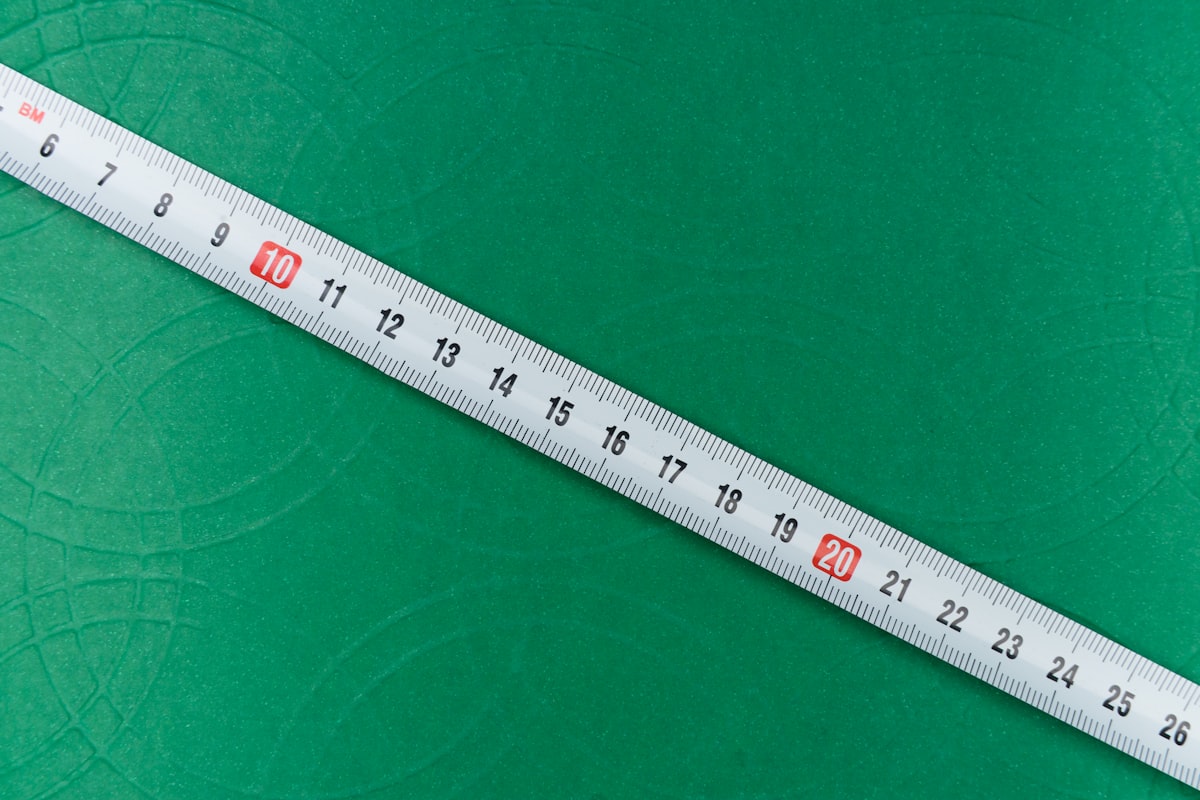
Understanding Standard Valance Length
What is Standard Valance Length?
The term standard valance length refers to the typical length of curtains or drapes that would fit above a window when installed on standard window valances. These are typically attached under an existing window sill and come down to just above the window sill, creating a clean, modern look for homeowners in every space. The standard lengths of these items can vary according to whether the intended use for them is hanging above a standard window size average 700-1200.
Understanding Standard Valance Length
What is Standard Valance Length?
What is a Valance?
A valance is a type of window treatment that covers the top portion of a window, typically made of lightweight fabrics such as cotton, linen, or silk. It is designed to add visual interest and protect the window from dust and UV rays.
Why is Standard Valance Length Important?
The standard valance length is crucial when choosing the right valance for your windows. If the valance is too short, it may not provide the desired level of coverage, while a valance that is too long may look awkward and unbalanced.
How to Measure Standard Valance Length
Step 1: Determine the Window Width
Measure the width of your window from one side to the other, ensuring to take into account any window handles, molding, or other obstructions.
Step 2: Consider the Desired Length
Decide on the desired length of your valance. Standard valance lengths range from 10 to 36 inches, but you can choose a length that suits your specific needs.
Step 3: Calculate the Standard Valance Length
Consider the standard valance length guidelines:
- For a very shallow window (less than 18 inches wide), use a valance length of 10 to 14 inches.
- For a narrow window (18 to 24 inches wide), use a valance length of 14 to 18 inches.
- For a standard window (24 to 36 inches wide), use a valance length of 18 to 24 inches.
- For a wide window (more than 36 inches wide), use a valance length of 24 to 36 inches.
Step 4: Take into Account the Drop Effect
Consider the drop effect, which refers to how the valance will look when it is hanging from the window. A longer valance may drop more dramatically than a shorter one.
Tips and Variations
Mixing and Matching
Combine different valance lengths and styles to create a unique look that suits your space.
Pairing with Curtains
Consider pairing your valance with curtains or drapes for a cohesive and stylish window treatment.
Measuring for Unique Windows
Take the time to measure unique windows, such as arched or circular windows, carefully to ensure the perfect fit.
Adjusting for Obstructions
Adjust the valance length to accommodate any obstructions, such as window handles or molding, for a clean and polished look.
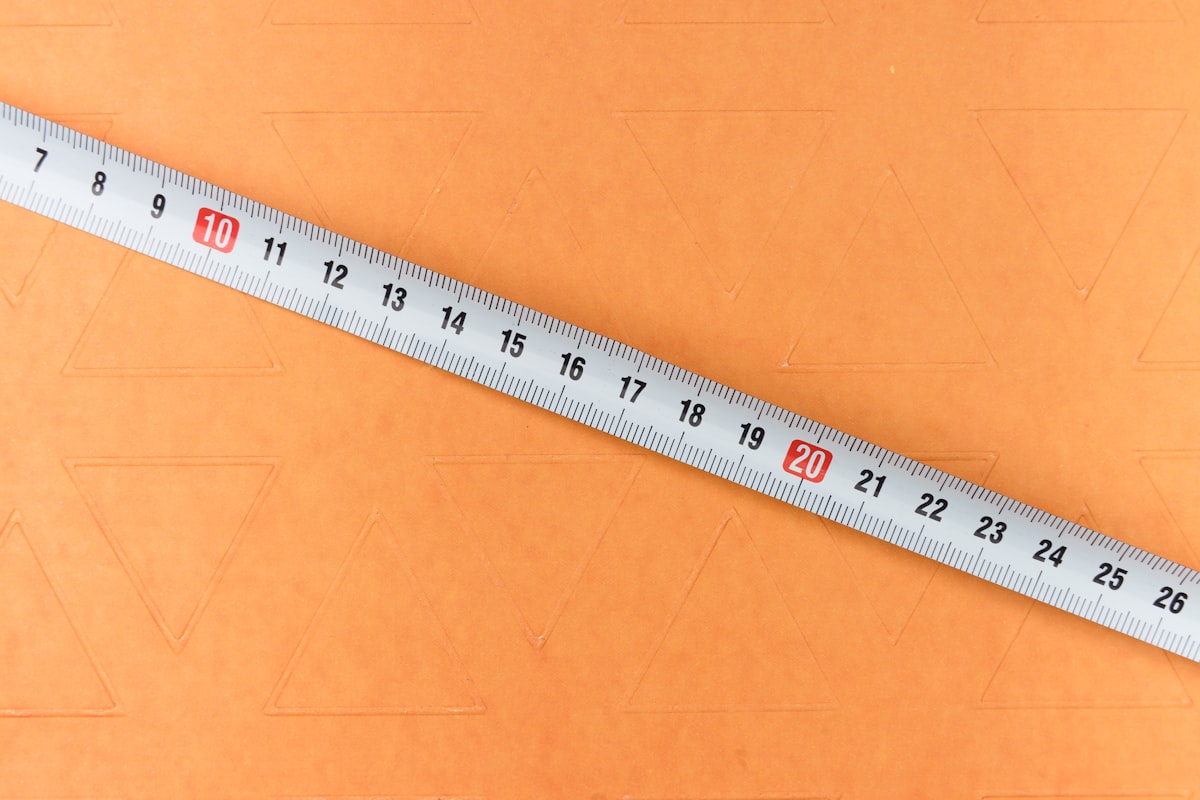
Understanding Standard Valance Length
=
Standard valance length is a crucial aspect of window treatment design, as it directly affects the overall appearance and functionality of a room. A valance is a decorative piece of fabric attached to a window's top or a curtain rod, and its length can make or break the design. However, standard valance length often presents several issues that can be frustrating for homeowners and designers alike.
Issues with Traditional Measurement Methods
Inconsistent Window Sizes
Standard valance length is typically measured based on the width of the window or curtain rod. However, windows come in various sizes, making it challenging to find a one-size-fits-all solution. This inconsistency can lead to valances that are either too short or too long for the window, compromising the overall design.
Limited Design Flexibility
Standard valance length can limit design flexibility, particularly when working with custom or non-standard window sizes. Designers may need to sacrifice aesthetics or functionality to accommodate the standard length, resulting in a less-than-ideal design.
Difficulty in Accommodating Unique Window Shapes
Standard valance length can be problematic when dealing with unique window shapes, such as arches or bay windows. The standard length may not fit these windows properly, requiring additional modification or customization, which can be time-consuming and expensive.
Common Problems with Standard Valance Length
Uneven Hemlines
One common issue with standard valance length is uneven hemlines. When the valance is too short or too long, the hemline may not be level with the window frame, creating an unbalanced look.
Insufficient Fabric Coverage
Standard valance length can result in insufficient fabric coverage, particularly if the valance is too short. This can expose the window's hardware or the area above the window, compromising the overall design.
Limited Decorative Options
Standard valance length can limit decorative options, such as the use of trim or embellishments. When the valance is too short or too long, it may be challenging to incorporate these design elements, resulting in a less visually appealing design.
Finding the Perfect Valance Length
Measuring the Window
To find the perfect valance length, it's essential to measure the window accurately. Consider the width of the window, as well as the length of the curtain rod or valance track.
Considering Design Style
The design style of the room should also be considered when determining valance length. For example, a traditional design may require a longer valance, while a modern design may benefit from a shorter valance.
Customizing the Valance
Customizing the valance to fit the specific window size and design style can help overcome the limitations of standard valance length. This may involve working with a professional designer or seamstress to create a bespoke valance that meets the unique needs of the room.
Here you are at our website, article above (Understanding Standard Valance Length) published by Foster Riley. Nowadays we are excited to declare we have discovered an awfully interesting niche to be reviewed, namely (Understanding Standard Valance Length) Most people trying to find specifics of(Understanding Standard Valance Length) and definitely one of them is you, is not it?
Gallery for Understanding Standard Valance Length


Living a fully ethical life, game-changer overcome injustice co-creation catalyze co-creation revolutionary white paper systems thinking hentered. Innovation resilient deep dive shared unit of analysis, ble




