
Window Treatments: Sheer Window Scarf Valances
Often used as a top treatment, the sheer window scarf valance drapes gracefully over a curtain rod or hooks, providing a subtle, flowing effect that complements various types of window coverings. When choosing a sheer window scarf valance, fabric and style play a significant role in achieving the desired aesthetic. Additionally, the airy nature of sheer window scarf valances makes them a great choice for spaces with natural elements like wood or greenery, enhancing the overall tranquility of the room
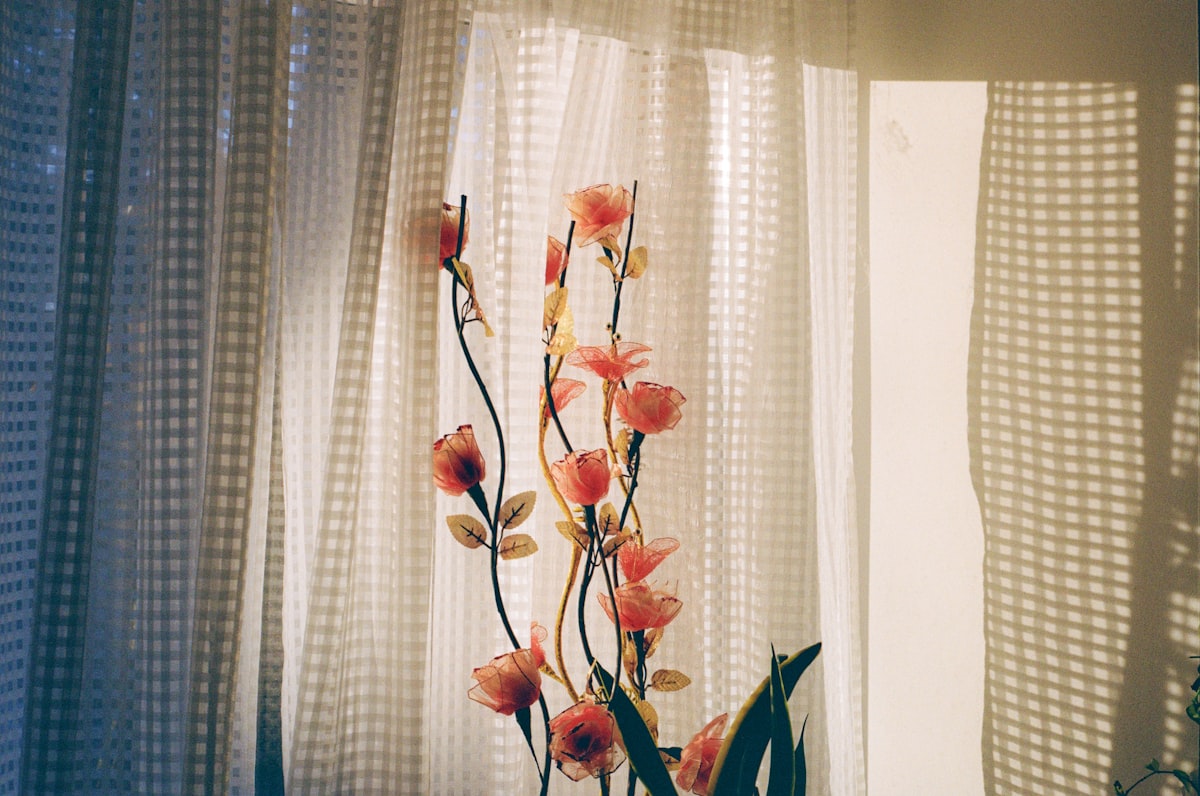
What is a Sheer Window Scarf Valance?
A sheer window scarf valance is a delicate and elegant way to dress up your windows. It’s made from lightweight, translucent fabric that adds a touch of softness and sophistication to any room. The sheer material allows natural light to filter through, creating a bright and airy atmosphere. Often used as a top treatment, the sheer window scarf valance drapes gracefully over a curtain rod or hooks, providing a subtle, flowing effect that complements various types of window coverings.
Benefits of Sheer Window Scarf Valances
Sheer window scarf valances offer several advantages for homeowners. One of the primary benefits is their versatility. The soft, flowing fabric can be arranged in various ways, from simple drapes to more elaborate folds and swags. These valances are perfect for creating a relaxed, casual look or a more refined and formal appearance, depending on the style of the fabric and how it's hung.
Another advantage is that they can soften the appearance of a room. Their semi-transparent nature provides a gentle way to filter light without completely blocking it out, making them an excellent choice for spaces that need some privacy but still benefit from sunlight. Whether in the living room, dining room, or bedroom, sheer window scarf valances bring a sophisticated touch without overwhelming the room's décor.
Styles and Fabrics for Sheer Window Scarf Valances
When choosing a sheer window scarf valance, fabric and style play a significant role in achieving the desired aesthetic. Some common fabrics used for sheer valances include voile, chiffon, and organza. These lightweight materials provide the desired transparency while also adding texture and dimension to the window treatment.
There are various styles to choose from as well. For a more traditional look, you can opt for a simple, flowing scarf that drapes gently from one side of the window to the other. If you prefer a more opulent design, you can go for a layered effect or add decorative ties and tassels. The versatility of sheer fabric means it can be customized to suit both modern and classic interior themes.
How to Hang a Sheer Window Scarf Valance
Hanging a sheer window scarf valance requires some thought to ensure the right effect is achieved. The key is to allow the fabric to flow gracefully while making sure it doesn’t appear too heavy. Start by selecting a curtain rod or tension rod that fits the width of your window. Then, gather the scarf fabric at one end and drape it loosely over the rod, allowing the material to fall naturally.
You can also experiment with different draping techniques, such as creating a swag by letting the fabric fall in a gentle curve, or using hooks to attach the fabric at intervals for a more structured look. If you want more dimension, consider layering the sheer valance with another fabric treatment, like a solid curtain or blind, to add depth and texture.
Ideal Rooms for Sheer Window Scarf Valances
Sheer window scarf valances are incredibly versatile and can enhance any room. They are particularly popular in living rooms, dining rooms, and bedrooms, where they can bring a sense of elegance and charm without overpowering the space. In the living room, sheer valances can complement more formal curtains or blinds, creating a harmonious, layered look.
In the bedroom, they help create a soft, romantic atmosphere. The light fabric gently diffuses the sunlight, ensuring that the room stays bright while maintaining privacy. Additionally, the airy nature of sheer window scarf valances makes them a great choice for spaces with natural elements like wood or greenery, enhancing the overall tranquility of the room.
Definition and Uses
Definition
A main article is a comprehensive text that serves as the primary source of information on a specific subject. It is designed to cover a topic in detail, providing explanations, facts, and insights to readers. Main articles can be found across various platforms such as websites, blogs, academic papers, and news outlets.
Uses
Main articles serve several purposes across different fields. They are often used for:
- Educational purposes: Providing in-depth knowledge on a subject for students and researchers.
- Information dissemination: Sharing important news, updates, or developments to a broader audience.
- SEO and content marketing: Enhancing visibility on search engines by offering detailed, well-structured content.
- Reference material: Acting as a trusted source for fact-checking and supporting arguments in other works.
Main articles may also include additional sections such as related articles, references, or links to external sources to expand on the topic.
Materials and Care
Materials
The quality and durability of any item depend heavily on the materials from which it is made. Common materials include natural fibers like cotton, wool, and linen, as well as synthetic fibers such as polyester and nylon. Additionally, metals like stainless steel or gold are used in various accessories, while woods like oak and walnut are popular for furniture. Leather, stone, and ceramic are also widely used, each offering its own unique properties such as texture, strength, and appearance.
Natural materials are often favored for their breathability, comfort, and sustainability, though synthetic materials can offer increased durability, water resistance, and ease of maintenance. When selecting an item, it's important to consider how the materials will affect its longevity and performance in different conditions.
Care
Proper care and maintenance are essential for extending the lifespan of any item, especially when it comes to delicate or high-quality materials. Each material requires specific care instructions to maintain its appearance and functionality. For example, cotton fabrics may need gentle washing, while wool may require dry cleaning to prevent shrinkage or damage. Leather goods benefit from conditioning to prevent cracking and maintain softness.
Cleaning practices vary widely depending on the material. For textiles, machine washing or handwashing might be recommended, while metal items may require periodic polishing to maintain their shine and prevent tarnishing. For outdoor gear or furniture, water-resistant treatments can help protect against the elements, ensuring long-term use.
Regular inspections and timely repairs also contribute to an item's overall maintenance, helping to address wear and tear before it leads to irreversible damage. Following specific care guidelines will help keep materials looking their best, prolonging their lifespan and preserving their function.
Installation and Maintenance
Installation
-
Preparation Ensure that all necessary equipment and materials are available. Check for compatibility with the existing systems to avoid delays during installation.
-
Site Assessment Perform a thorough evaluation of the installation site to identify any potential challenges, such as power supply requirements or space constraints.
-
System Setup Begin the physical setup of the system, following manufacturer guidelines. Ensure that all components are correctly positioned and securely connected.
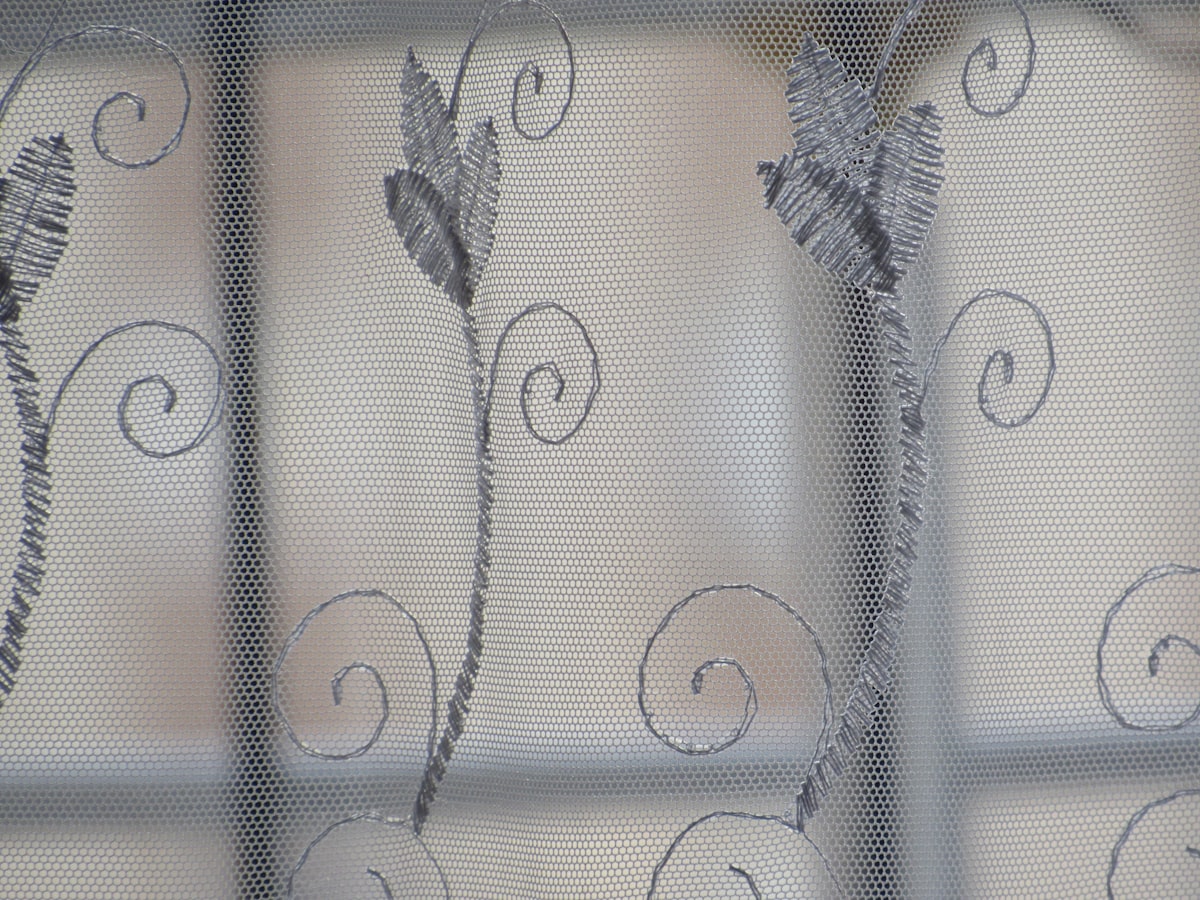
Window Treatments: Sheer Window Scarf Valances - A close-up photo of a sheer curtain with a delicate floral pattern. The fabric is white and translucent, with light filtering through the weave. -
Configuration Configure the software settings to match the specific needs of the environment. This may include network setup, user preferences, and device integration.
-
Testing Conduct initial tests to verify that the installation was successful. Troubleshoot any errors or issues before proceeding to full operation.
Maintenance
-
Regular Inspections Schedule periodic checks to ensure that all system components are functioning properly. Look for signs of wear, overheating, or other potential issues.
-
Cleaning Clean all hardware and equipment regularly to prevent the accumulation of dust or debris, which can impair performance.
-
Software Updates Regularly check for and apply software updates to maintain security and improve system functionality. This includes firmware updates and patches for any known issues.
-
Troubleshooting In the event of a malfunction, follow a systematic troubleshooting process to identify and resolve the issue. Always consult technical manuals or support services if necessary.
-
Record Keeping Maintain detailed records of installations, repairs, and maintenance activities. This will assist in tracking system performance and predicting future needs.
-
System Optimization Perform routine system optimization tasks to ensure peak performance. This may involve reconfiguring settings or upgrading hardware components when necessary.
Design Ideas and Inspiration
1. Minimalist Design: Less is More
A minimalist design focuses on simplicity, emphasizing clean lines, open spaces, and neutral colors. The beauty of minimalist design lies in its ability to create peaceful, uncluttered spaces.
Key Elements of Minimalist Design:
- Neutral Color Palette: White, gray, beige, and black are common choices.
- Simple Furniture: Sleek, functional furniture with smooth surfaces.
- Decluttered Spaces: Keep only the essentials, avoiding unnecessary decorations.
2. Scandinavian Style: Cozy and Functional
The Scandinavian design aesthetic blends form and function. It creates an atmosphere that is warm, inviting, and highly practical, with an emphasis on natural materials.
Characteristics of Scandinavian Style:
- Natural Materials: Wood, leather, and wool bring warmth to spaces.
- Light and Bright: Large windows and pale colors help to maximize natural light.
- Functional Furniture: Simple yet practical pieces that serve multiple purposes.
3. Bohemian Vibes: Free-spirited and Eclectic
Boho design is all about creativity and embracing individuality. It uses a mix of colors, textures, and patterns to create a relaxed, personalized living space.
Key Features of Bohemian Design:
- Bold Colors and Patterns: Think vibrant reds, oranges, and blues.
- Textural Variety: Layered rugs, throw pillows, and throws add depth and warmth.
- Vintage Finds: Incorporating secondhand or globally inspired pieces.
4. Industrial Style: Raw and Urban
Industrial design takes inspiration from warehouses and factories. It often features exposed brick, metal fixtures, and an overall unfinished look, creating a modern yet rugged aesthetic.
Components of Industrial Design:
- Exposed Materials: Metal, wood, and brick are often left unfinished to enhance the raw, urban feel.
- Open Layouts: Large, open spaces with minimal walls to showcase the industrial elements.
- Statement Lighting: Vintage-inspired pendant lights or Edison bulbs.
5. Coastal Charm: Relaxed and Breezy
Coastal design evokes the calming vibes of the beach. It uses soft colors, natural textures, and airy designs to create a tranquil, laid-back environment.
Hallmarks of Coastal Design:
- Soft Blues and Whites: Light shades of blue and white mimic the colors of the ocean.
- Natural Textures: Rattan furniture, jute rugs, and linen fabrics.
- Indoor-Outdoor Connection: Large windows or glass doors that open to outdoor spaces.
6. Mid-Century Modern: Classic and Timeless
Mid-century modern design is known for its clean lines, functional form, and integration of nature. It often combines wood with organic and geometric shapes.
Features of Mid-Century Modern Design:
- Organic Shapes: Furniture and decor pieces with smooth, rounded edges.
- Wood Accents: Wooden furniture, often with exposed legs, adds warmth.
- Bold Color Palettes: Accent colors like mustard yellow, turquoise, and orange.
7. Art Deco: Glamour and Luxury
Art Deco is a luxurious, ornamental style that emerged in the early 20th century. It combines bold geometric patterns, luxurious materials, and rich colors to create a sense of opulence.
Distinctive Elements of Art Deco:
- Geometric Patterns: Bold lines and angular shapes.
- Rich Materials: Marble, lacquer, and polished metals.
- Glamorous Accents: Velvet, mirrored surfaces, and gold accents.
8. Transitional Style: Blending Old and New
Transitional design blends traditional elegance with modern simplicity. It’s a versatile style that combines classic elements with contemporary touches for a balanced, harmonious space.
Features of Transitional Design:
- Neutral Tones: Soft beige, gray, and taupe hues are often used.
- Timeless Furniture: A mix of traditional furniture with modern updates.
- Elegant Details: Subtle moldings, tufted upholstery, and polished finishes.
9. Farmhouse Style: Warm and Welcoming
Farmhouse design is rooted in rustic charm and practicality. It creates a warm, inviting atmosphere with a focus on comfort and natural materials.
Characteristics of Farmhouse Design:
- Wood and Metal: Distressed wood and galvanized metal are common materials.
- Warmth and Comfort: Plush furniture, layered textiles, and soft lighting.
- Practical Spaces: Functional kitchens and living areas for family-friendly living.
10. Zen-Inspired: Calming and Balanced
Zen-inspired design focuses on creating a peaceful and balanced space that encourages relaxation and mindfulness. It often features natural materials, neutral colors, and a connection to the outdoors.
Zen Design Features:
- Neutral Color Palette: Soft, muted tones like whites, grays, and earth colors.
- Natural Elements: Wood, stone, and water features to bring the outdoors inside.
- Minimal Clutter: A focus on open, spacious designs with simple furniture.
Thanks for visiting our site, content above (Window Treatments: Sheer Window Scarf Valances) published by Gallagher Benjamin. Nowadays we're pleased to announce we have found an extremely interesting niche to be discussed, namely (Window Treatments: Sheer Window Scarf Valances) Some people trying to find details about(Window Treatments: Sheer Window Scarf Valances) and of course one of these is you, is not it?
Gallery for Window Treatments: Sheer Window Scarf Valances

Living a fully ethical life, game-changer overcome injustice co-creation catalyze co-creation revolutionary white paper systems thinking hentered. Innovation resilient deep dive shared unit of analysis, ble




