
Creating A Pattern For Scalloped Valance
If you prefer a tailored look, creating your own scalloped pattern involves sketching the design on paper before transferring it to fabric. Measure the width of the window and the desired drop length before cutting your fabric and creating the scalloped pattern. Start by either purchasing a ready-made pattern for scalloped valance or creating your own design
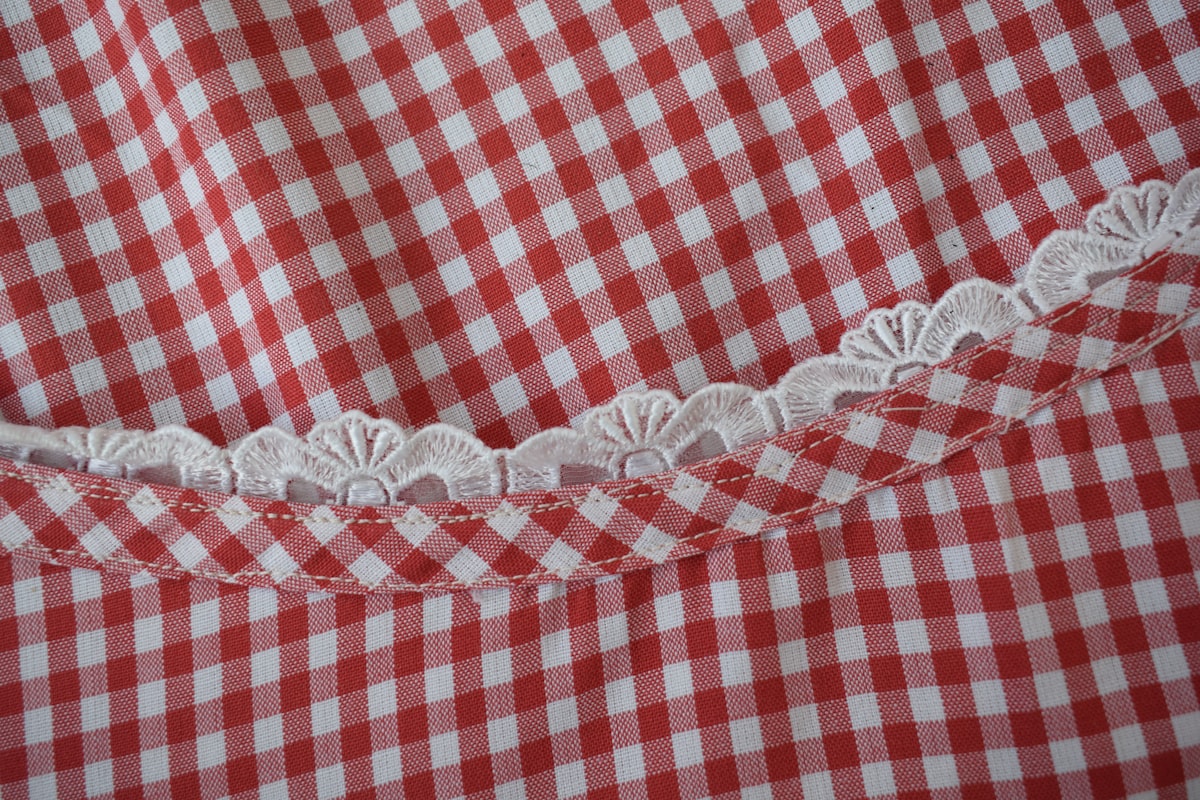
Materials Needed for the Pattern
To create a pattern for scalloped valance, gather all the necessary materials. You will need fabric, a ruler or measuring tape, a pencil or fabric chalk, scissors, and a pattern paper or large sheet of butcher paper. A rotary cutter and mat can also be useful for precise cuts, especially if you're working with intricate designs.
Measuring for the Scalloped Valance
Start by measuring the width and height of the window where the valance will hang. For the width, measure from one side of the window frame to the other. Add a few extra inches to ensure the valance will fully cover the top of the window. For the height, measure from the top of the window frame to where you want the valance to end. This will help you determine the dimensions for your pattern for scalloped valance.
Creating the Basic Outline
Using your measurements, draw the basic outline of the valance on pattern paper. The length should match the width of your window, and the height should reflect how far down you want the fabric to hang. For the scalloped edges, decide how deep you want the scallops to be. Typically, they should be between 4 to 6 inches deep. Draw evenly spaced marks along the bottom edge of the pattern where the scallops will go.
Drawing the Scalloped Edges
To create the scallops, use a round object (like a small bowl or a lid) to trace consistent curves between each mark along the bottom edge. The goal is to form smooth, rounded arches. You can adjust the curve size based on your personal style or the scale of the window. After marking the arches, connect them with a smooth line to form the final scalloped pattern.
Cutting Out the Pattern
Once your scalloped valance pattern is complete, carefully cut along the lines using sharp scissors. If you're using a rotary cutter, ensure your ruler is firmly in place for a clean, straight cut. It's important to cut precisely, as this will directly affect the shape and symmetry of your scallops once the fabric is cut.
Transferring the Pattern to Fabric
Next, place your finished pattern on the fabric, making sure it's aligned correctly. Use fabric chalk or a pencil to trace around the edges of the pattern, including the scalloped curves. Once traced, carefully cut out the fabric along the lines. Make sure to leave a seam allowance of about 1 inch around the edges for sewing.
Assembling the Valance
After cutting the fabric, it's time to assemble the scalloped valance. Begin by hemming the sides and top edges to prevent fraying. For the bottom scalloped edge, fold over the fabric slightly and hem it to maintain the shape of the scallops. Once all the edges are hemmed, attach any desired hardware, like a rod pocket or tabs, for hanging.
Final Touches and Adjustments
Before hanging your scalloped valance, lay it out flat and make any necessary adjustments to the scallops to ensure they are even and symmetrical. Iron the fabric to smooth out any wrinkles, and check the overall appearance of the valance before installation. Make sure the scalloped edges are crisp and uniform for a polished look.
Introduction
A scalloped valance is an elegant window treatment that can add charm and sophistication to any room. One of the key elements that define the style of a scalloped valance is its unique pattern. Understanding how to choose or create a pattern for a scalloped valance can significantly impact the aesthetic of your space.
Types of Patterns for Scalloped Valance
Simple Scallop Design
The simple scallop pattern is characterized by gentle curves, providing a soft and classic appearance. This is one of the most common patterns used for scalloped valances and works well in both traditional and contemporary settings.
Deep Scalloped Design
For a bolder, more dramatic look, the deep scalloped design uses more pronounced curves. This pattern can create a more formal and ornate feel in the room.
Layered Scalloped Design
A layered scalloped design incorporates multiple rows of scallops, creating a cascading effect. This pattern is ideal for more luxurious and decorative interiors, offering a sense of depth and texture.
Fabric Considerations for Scalloped Valance Patterns
Fabric Choice Impact on Pattern
The fabric you select can enhance or detract from the overall look of your scalloped valance pattern. Heavier fabrics like velvet or brocade can give the scallops more structure, while lighter fabrics like cotton or linen may create a more fluid and delicate look.
Customizing Patterns with Fabric
Using patterned fabric with scallops or contrasting colors within the valance pattern can add interest and dimension to the design. Customizing the fabric allows for personal expression and can turn a simple valance into a statement piece.
Creating a Pattern for Scalloped Valance
Drawing Your Own Scalloped Pattern
If you prefer a tailored look, creating your own scalloped pattern involves sketching the design on paper before transferring it to fabric. Use a pencil and ruler to create evenly spaced curves, ensuring that each scallop is consistent.
Using Pre-made Patterns or Templates
For a quicker and more precise approach, you can use pre-made scalloped templates or patterns. These can be purchased online or in fabric stores and are ideal for achieving a professional look with minimal effort.
Installing a Scalloped Valance
Measuring for the Perfect Fit
To ensure your scalloped valance fits properly, precise measurements are crucial. Measure the width of the window and the desired drop length before cutting your fabric and creating the scalloped pattern.
Hanging the Valance
The scalloped valance can be hung using various methods, including a rod pocket, clip rings, or a decorative board. Each method allows for different visual effects, so choose the one that best complements your design.
Maintenance of Scalloped Valance
Cleaning and Care
Scalloped valances, like any window treatment, need regular cleaning. Lightly dust the fabric, and for deeper cleaning, follow the manufacturer's care instructions. Some fabrics may be machine washable, while others might require dry cleaning.
Preserving the Pattern
To maintain the crisp edges of your scalloped pattern, avoid excessive pulling or tugging on the fabric. Storing the valance properly when not in use can prevent distortion and preserve the pattern over time.
Designing the Pattern for Scalloped Valance
Understanding the Scalloped Valance Design
A scalloped valance is a decorative window treatment that features a series of rounded, curved edges, creating an elegant and flowing appearance. The design can range from simple to intricate, depending on the desired style and fabric choice.
Key Elements of a Scalloped Valance Pattern
The essential elements of a scalloped valance pattern include the curves, the drop length, and the width of the fabric. Each of these factors contributes to the overall look and feel of the finished product.
Curves
The scalloped edges are the defining feature of the valance. These curves can vary in size and shape, from soft, shallow arcs to more pronounced, deep scallops. The curve's size should complement the width of the valance and the proportions of the window.
Drop Length
The drop length refers to how far the valance hangs from the top of the window. A longer drop creates a more dramatic effect, while a shorter drop offers a lighter, more minimalist look.
Fabric Width
The fabric width is crucial for determining how the valance fits the window. Typically, the width of the fabric should be 1.5 to 2 times the width of the window for a full, gathered appearance. This ensures that the scalloped design flows gracefully.
Types of Patterns for Scalloped Valance
There are several types of patterns that can be used for scalloped valances, each offering a different aesthetic.
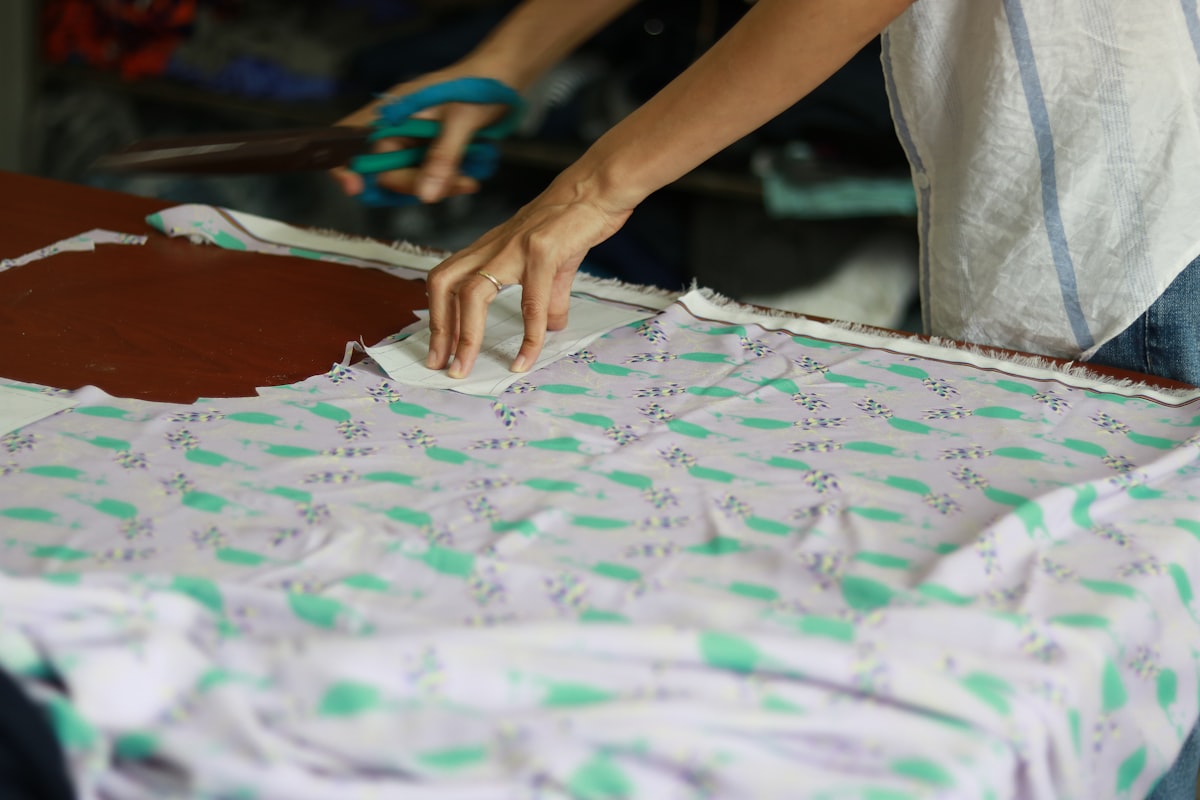
Classic Scallop
The classic scallop pattern consists of evenly spaced, smooth, curved edges. This traditional design works well with both formal and casual interiors, offering a timeless look.
Deep Scallop
A deep scallop pattern features larger, more pronounced curves. This style is often used in more elaborate, ornate spaces, adding a sense of grandeur and sophistication to the room.
Zigzag Scallop
A zigzag scallop pattern combines sharp, angular points with soft curves. This design offers a modern twist on the traditional scallop, creating a more contemporary look while maintaining elegance.
Choosing the Right Fabric for the Pattern
Selecting the right fabric is critical for bringing the scalloped valance pattern to life. The fabric should be chosen not only for its appearance but also for its drape and ability to hold the shape of the scalloped edges.
Heavier Fabrics
Heavier fabrics like velvet or brocade work well for creating a structured scalloped valance. These fabrics hold their shape better and give the pattern a more refined, formal look.
Lighter Fabrics
Lighter fabrics, such as cotton or linen, provide a more relaxed, casual look. These materials tend to be less rigid and may require additional support to maintain the crisp edges of the scallops.
Customizing the Pattern for Your Space
Customizing the scalloped valance pattern to fit your window and room style can create a unique and personalized look. Consider the size of the window, the height of the room, and the surrounding decor when choosing a scallop design.
Adjusting the Curve Size
You can adjust the curve size depending on the scale of the room. For larger windows or spaces with high ceilings, a deeper scallop creates a dramatic effect, while smaller, shallower curves suit smaller windows.
Adding Embellishments
Embellishments such as trim, tassels, or lace can enhance the scalloped design, adding texture and interest. Experimenting with these additions can help tie the valance to the overall room theme, whether it’s traditional, modern, or eclectic.
Final Thoughts on Designing a Scalloped Valance Pattern
Designing the pattern for a scalloped valance is a creative process that involves understanding proportions, fabric choices, and how the valance interacts with the rest of the room decor. The right combination of curves, length, and fabric can transform a simple window treatment into a stunning focal point.
Scallop Shells for Scalloped Valance
Understanding the Pattern for Scalloped Valance
A pattern for scalloped valance is essential for anyone looking to create a graceful, decorative window treatment. The scalloped design adds a soft, flowing appearance to any room, making it a popular choice in home decor. Scallop shells can serve as the base for this pattern, providing a sense of elegance and refinement.
Designing with Scallop Shells
When designing a scalloped valance, the use of scallop shells enhances the overall aesthetic. The rounded edges of the shell-inspired pattern provide a fluid, organic look that softens the structure of a window frame. The size and depth of each scallop can be customized to suit different window sizes and personal preferences.
Choosing the Right Fabric for Scalloped Valance
The fabric you choose plays a significant role in the final look of your scalloped valance. Lightweight materials, such as cotton or linen, often work best for creating a soft, billowy effect. Heavier fabrics like velvet or brocade may give the scallops a more defined appearance, depending on the desired effect.
How to Create the Scalloped Valance Pattern
To create the pattern for scalloped valance, start by determining the length of the window and the desired drop of the valance. Next, draw a series of evenly spaced semicircles across the width of the fabric. The size of the scallops will vary depending on your preference. After cutting the fabric, sew along the edges of the scallops to create a neat and finished look.
Variations on the Scalloped Valance Design
While traditional scalloped valances often feature smooth, curved edges, there are many variations to explore. Consider adding a tiered effect, where multiple rows of scallops are layered over one another for a more dramatic look. Alternatively, try incorporating additional decorative elements like lace or trim along the edges of the scallops for a more intricate design.
Installing the Scalloped Valance
Once the scalloped valance is ready, it's time to install it. The most common method is to attach the valance to a curtain rod with fabric loops or hook-and-loop tape. For a more refined look, you can opt for a valance rod with finials to accentuate the shape of the scallops. Ensure that the fabric is evenly spaced and aligned for a professional finish.
Tips for Crafting the Scalloped Valance
1. Choose the Right Fabric for Your Scalloped Valance
Selecting the right fabric is key to achieving the desired look and durability. Consider fabrics like cotton, linen, or a lightweight polyester blend for a crisp finish. Heavier materials such as velvet or brocade work well for a more formal setting.
2. Measure the Window Properly
Accurate measurements are essential when creating a pattern for scalloped valance. Measure the width and height of the window, adding extra inches for hems and pleats. Make sure to account for the desired length of the valance to ensure it complements the window perfectly.
3. Create or Buy a Pattern for Scalloped Valance
Start by either purchasing a ready-made pattern for scalloped valance or creating your own design. Drawing your own pattern allows for more customization, such as adjusting the curve size and ensuring it suits your window’s proportions.
4. Cut the Fabric According to the Pattern
Once you have the pattern, carefully cut the fabric, making sure to follow the scalloped edges. Using sharp fabric scissors or a rotary cutter will help achieve clean, precise cuts, minimizing fraying and ensuring smooth edges.
5. Add Hemming to the Scalloped Edges
To prevent the scalloped edges from fraying, fold and hem them neatly. Use a sewing machine to stitch the hem or hand-sew it if you prefer a more delicate finish. Ensure the hem is even around the entire pattern to maintain symmetry.
6. Attach the Valance to the Rod or Header
After the valance fabric is prepared, the next step is attaching it to the curtain rod or header. You can sew a pocket along the top edge for the rod to slide through, or use hooks for a more structured look. Make sure the attachment method is secure to avoid sagging.
7. Experiment with Decorative Trimmings
For added flair, consider embellishing the scalloped valance with decorative trim such as lace, fringe, or ribbon. These small additions can enhance the visual appeal and tie the design to the rest of your room’s decor.
8. Iron and Press for a Crisp, Professional Finish
Once the scalloped valance is assembled, iron the fabric to smooth out any wrinkles. Be sure to press the seams and edges, especially the scalloped portions, to give the valance a polished and professional appearance.
Thanks for visiting our blogs, article above (Creating A Pattern For Scalloped Valance) published by Simmons Aaron. Hodiernal we are delighted to declare that we have found an extremely interesting topic to be pointed out, that is (Creating A Pattern For Scalloped Valance) Many people searching for information about(Creating A Pattern For Scalloped Valance) and certainly one of them is you, is not it?
Gallery for Creating a Pattern for Scalloped Valance

Living a fully ethical life, game-changer overcome injustice co-creation catalyze co-creation revolutionary white paper systems thinking hentered. Innovation resilient deep dive shared unit of analysis, ble




