
Making A Valance Window Treatment
===================================== A valance window treatment is a type of window covering that is designed to add a decorative touch to windows. It is typically a short piece of fabric that is attached to the top of a window, used to conceal any mechanical window treatments, such as blinds or shades, while also framing the window. A valance is a type of window treatment that covers the top portion of a window, adding a decorative touch to any room
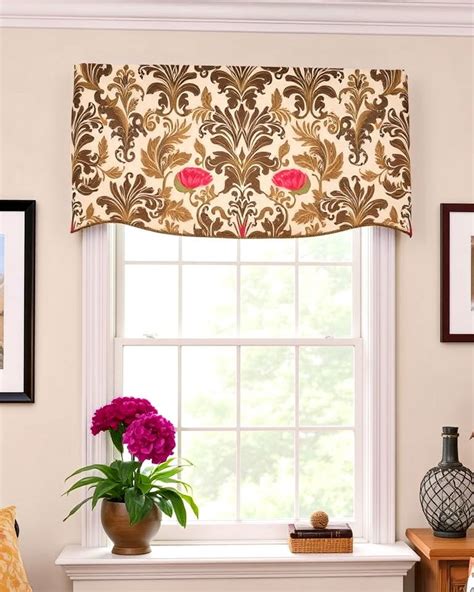
Making a Valance Window Treatment
Gathering Materials
Before starting your project, make sure you have the necessary materials. You will need:
- Fabric of your choice ( cotton, silk, or any other durable material)
- Measuring tape or ruler
- Sewing machine
- Thread (matching the color of your fabric)
- Scissors
- Needle and hand-stitching thread (optional)
- Valance rod (you can purchase one or use an existing one)
- Decorative items (optional, such as fringe, bows, or tassels)
Measuring Your Window
Measure the width and length of your window to determine how much fabric you'll need. Take note of the window's dimensions, including the width of the valance rod, if you're using one.
Cutting Your Fabric
Cut your fabric according to your measurements. Make sure to add a 1- inch margin on each side for sewing and folding. If you're using a pattern, use it as a guide to ensure accuracy.
Sewing Your Valance
Place your fabric right-side together, with the wrong sides facing out, and sew along the edges, leaving a small opening for turning the valance right-side out. Turn the valance right-side out and press the seams flat with an iron.
Attaching the Valance to the Rod
Slide the valance over the rod, and position it to your liking. You can sew or glue the valance to the rod, or use clips or snaps to secure it in place.
Adding Decorative Touches
You can add decorative touches, such as fringe, bows, or tassels, to give your valance a personal touch. You can also use additional fabric to create a ruffled or gathered effect.
Installing the Valance
Install the valance in your window by sliding it over the rod and positioning it as desired. Make sure it's secure and even before you hang your curtain or drapes.
Making a Valance Window Treatment
=
What is a Valance Window Treatment?
A valance window treatment is a type of window covering that is designed to add a decorative touch to windows. It is typically a short piece of fabric that is attached to the top of a window, used to conceal any mechanical window treatments, such as blinds or shades, while also framing the window.
Common Uses of Valance Window Treatments
Adding Style and Elegance
Valance window treatments can add a touch of style and elegance to any room. They come in a wide range of styles, from simple and understated to elaborate and ornate.
Concealing Window Mechanisms
One of the primary functions of a valance window treatment is to conceal the mechanical components of window treatments, such as blinds or shades. This can help to create a more streamlined and cohesive look in a room.
Enhancing Window Framing
Valance window treatments can also be used to enhance the framing of a window. By adding a decorative touch to the top of a window, a valance can help to draw attention to the window and create a sense of balance and harmony in a room.
Designing and Measuring for a Valance
Measuring the Window
When designing a valance window treatment, the first step is to measure the window. Measure the width of the window from side to side, and the length from the top of the window to the desired drop of the valance.
Choosing the Fabric
The fabric used for a valance window treatment should be chosen based on the style and decor of the room. Choose a fabric that complements the colors and patterns of the room, and that is durable enough to withstand the wear and tear of daily use.
Determining the Style
The style of the valance window treatment will depend on the design and decor of the room. Some common styles include:
Pinch Pleat Style
This style features a series of pleats that are pinched at the top to create a clean and elegant look.
Gathered Style
This style features a gathered or ruffled look, with the fabric gathered at the top to create a soft and flowing effect.
Board-mounted Style
This style features a valance that is mounted on a board, with the fabric stretched taut over the board to create a clean and streamlined look.
Construction and Installation
Cutting the Fabric
When constructing a valance window treatment, the first step is to cut the fabric to the desired size and shape. Use a rotary cutter or scissors to cut the fabric, and make sure to add a 1/2 inch seam allowance to the edges.
Hemming the Edges
The edges of the valance should be hemmed to prevent fraying and create a clean finish. Use a sewing machine to hem the edges, folding the fabric under twice to create a 1/2 inch seam allowance.
Attaching the Valance
The valance can be attached to the window using a variety of methods, including:
Board-mounted Style
For a board-mounted valance, the fabric is stretched over a board and attached using a staple gun.
Rod-pocket Style
For a rod-pocket valance, the fabric is attached to a rod using a rod-pocket, and the rod is installed in the window frame.
Clips or Hooks
For a more simple installation, the valance can be attached to the window frame using clips or hooks.
Making a Valance Window Treatment
=
Benefits of Using a Valance Window Treatment
Valance window treatments have become increasingly popular due to their elegance and versatility. A valance is a type of window treatment that covers the top portion of a window, adding a decorative touch to any room.
Types of Valances
Stationary Valance
A stationary valance is a fixed valance that does not move or open. It is a simple design that can be installed in any room, and it is an excellent option for those who want to add a decorative touch to their windows without compromising on functionality.
Functional Valance
A functional valance is a type of valance that can be opened and closed, allowing for easy access to the window. It is an excellent option for those who want to maintain a balance between style and functionality.
Advantages of Using a Valance Window Treatment
Improved Aesthetics
A valance window treatment can add a touch of elegance and sophistication to any room. It is available in a variety of styles, fabrics, and colors, making it easy to choose a design that complements the interior design of a room.
Energy Efficiency
A valance window treatment can also help to reduce energy consumption by preventing heat from escaping through the window. This can lead to significant savings on energy bills.
How to Choose the Right Valance for Your Window
Consider the Style of Your Room
When choosing a valance window treatment, it is essential to consider the style of your room. For example, a modern valance with a simple design is suitable for a modern-style room, while a traditional valance with intricate designs is suitable for a traditional-style room.
Consider the Type of Fabric
The type of fabric used for the valance window treatment also matters. For example, a light-colored fabric is suitable for a room that receives plenty of natural light, while a dark-colored fabric is suitable for a room that receives minimal natural light.
Making a Valance Window Treatment
Step 1: Measure the Window
When making a valance window treatment, the first step is to measure the window. Take precise measurements of the width and length of the window to ensure that the valance fits perfectly.
Step 2: Choose the Fabric
The second step is to choose the fabric for the valance. Consider the style and color of the room, as well as the type of fabric that complements the other window treatments.
Step 3: Create the Valance Pattern
The third step is to create the valance pattern. Use a piece of paper or cardboard to create a template of the valance, and use it as a guide when cutting the fabric.
Step 4: Sew the Valance
The final step is to sew the valance. Use a sewing machine or a needle and thread to sew the valance, and attach it to the window using a rod or a cord.
Materials Needed to Make a Valance Window Treatment
Fabric
- Main Fabric: Choose a fabric that complements your décor and the style of your valance. Consider factors like weight, texture, and color when making your selection.
- Lining Fabric (Optional): Use a lining fabric for added durability, privacy, or to prevent light from shining through the main fabric. Choose a lining fabric that is lightweight and appropriate for your desired level of opacity.
Hardware
- Curtain Rod Brackets: Select brackets that match the style of your valance and can support the weight of the finished window treatment.
- Curtain Rod: Choose a curtain rod that is appropriate for the width of your window and the length of your valance. Consider decorative finials to add a touch of elegance.
Tools
- Sewing Machine: A sewing machine is essential for making a valance window treatment.
- Scissors: Sharp scissors are needed for cutting fabric accurately.
- Measuring Tape: A measuring tape is crucial for taking accurate measurements of your window and fabric.
- Iron and Ironing Board: An iron and ironing board are necessary for pressing seams and ensuring a crisp finished look.
- Safety Pins: Safety pins are helpful for pinning fabric together while sewing.
- Thread: Choose a thread color that matches your fabric.
- Fabric Chalk or Pencils: Use these to mark fabric before cutting and sewing.
Optional Materials
- Interfacing: Add interfacing to your valance's front or back for extra structure and stability.
Tips for
Choosing Materials
When making your valance window treatment, choose durable materials that will withstand regular use. Natural fabrics like cotton or linen are excellent choices, while synthetics like polyester can be more wrinkle-resistant. Select a lining fabric that complements the main fabric in terms of weight and texture.
Making a Valance Window Treatment
Choosing the Right Materials and Fabric
- Select a suitable fabric for your valance that complements the room's decor and style.
- Choose a material that can be easily shaped and stitched, such as cotton, linen, or silk.
- Measure your window width to determine the amount of fabric needed.
- Consider adding a lining or blackout layer for added functionality and light control.
Designing Your Valance
Style Options
- Rod pocket: a simple and classic choice, where the fabric is gathered into a rod pocket.
- Pinch pleat: adds a touch of elegance with folded pleats.
- Grommet top: a modern choice, with metal rings for a sleek, contemporary look.
Measuring and Calculating Fabric Requirements
- Measure the window width and add 2-3 times the width for a full, gathered look.
- Calculate the fabric length by adding 10-15% to the desired finished length.
- Consider adding a 1-2 inch hem allowance to the fabric length.
Step-by-Step Construction Process
Creating the Valance
Preparing the Fabric
Cutting and Hemming
- Cut the fabric according to the calculated measurements, using a rotary cutter or scissors.
- Fold and press the fabric to create a crisp hem.
- Sew the hem in place using a straight stitch or a blind hem stitch.
Interfacing and Lining
- Cut the interfacing or lining material to the same dimensions as the main fabric.
- Attach the interfacing or lining to the wrong side of the main fabric using a gentle adhesive or a sewing machine.
Assembling the Valance
Gathered Pocket
- Fold the top edge of the fabric over twice to create a rod pocket.
- Press and sew in place using a straight stitch.
- Gather the fabric into the rod pocket using a gathering stitch or a ruffle foot.
Pinch Pleat or Grommet Top
- Fold and press the fabric to create the desired pleats or folds.
- Sew in place using a straight stitch or a topstitching thread.
- Add grommets or metal rings to the top edge of the fabric for a modern look.
Attaching the Valance to the Window
Choosing a Rod or Bracket
- Select a suitable rod or bracket that matches the style of your valance.
- Consider the weight and width of the valance when choosing a rod or bracket.
Attaching the Valance
- Slide the valance onto the rod or bracket, adjusting the gathers or pleats as needed.
- Hang the valance in place, ensuring it is level and secure.
- Adjust the length and position of the valance for a professional finish.
Making a Valance Window Treatment: Tips and Tricks
H2. Choosing the Right Fabric
To make a stunning valance window treatment, you need to select the perfect fabric. Here are some factors to consider:
Material Selection:
- Silk: Sophisticated and luxurious, silk is ideal for elegant valances.
- Velvet: Thick and plush, velvet adds a dramatic touch to any room.
- Linen: A natural, absorbent fabric perfect for spring and summer valances.
- Fabric Weight: Choose aniline or silk from a medium weight to a heavy weight fabric.
H3. Balancing Texture and Pattern
To create a visually appealing valance, you need to balance texture and pattern. Here are some tips:
Texture Comparison:
- Texture Contrast: Pair smooth with textured fabrics to create visual interest.
- Texture Contrast for Variety: Incorporate intricate patterns or solid colors with bold textures for a contrasting look.
H4. Making a Dramatic Entrance
Make a statement with a striking valance:
Design Elements:
- Floral Patterns: Bold, curved, or organic shapes in a light color will give your valance a playful touch.
- Metallic Accents: Add glamour with gold, silver, or bronze metallic accents.
- Cords and Ruffles: Use delicate, embroidered cords or floral ruffles for a sophisticated look.
H3. Adding Decorative Details
Enhance your valance with decorative details:
Drapes with a Center Attach: A delicate charm or brooch can be attached at the center of your valance, adding a whimsical touch.
H4. Texturizing Your Valance
Give your valance a unique and stylish texture:
Border Fabric: Design a border pattern with fringe, lace, or ribbons to add an extra layer of visual interest.
H3. Creative Stacking
Stack your valance with other stylish window treatments:
Vintage Lace: Stack a vintage lace valance over a sheer layer of white linen for an elegant look.
H4. Hanging and Placement
Create a striking visual by hanging your valance correctly:
Wall Aesthetic: Place your valance above a window, and hang it approximately 6-8 inches from the top of the window frame.
Here you are at our website, content above (Making A Valance Window Treatment) published by Norman Jack. At this time we are delighted to declare we have discovered an awfully interesting niche to be pointed out, that is (Making A Valance Window Treatment) Some people searching for information about(Making A Valance Window Treatment) and definitely one of these is you, is not it?

Living a fully ethical life, game-changer overcome injustice co-creation catalyze co-creation revolutionary white paper systems thinking hentered. Innovation resilient deep dive shared unit of analysis, ble




