
Making A Valance
Choosing the right fabric is essential for making a valance that complements your space. This will help during the sewing process and ensure that your valance looks neat and professional once completed. This is a crucial step that will ensure your valance stays securely in place
Custom Black and White Valance Services
When it comes to enhancing the aesthetics of your home, a black and white window valance offers a timeless, classic look that can complement any style. If you're looking for something unique and tailored to your personal taste, custom black and white valance services provide the perfect solution. With a custom approach, you can select fabrics, patterns, and designs that fit your specific interior design needs.
Why Choose Custom Black and White Valances?
A custom valance allows you to create a truly one-of-a-kind piece. Choosing custom options gives you full control over the style, from minimalist black and white stripes to intricate floral or geometric patterns. You can also specify the length, width, and type of pleats or trim, ensuring a perfect fit and finish for your windows.
Benefits of Black and White Window Valances
- Timeless Appeal: Black and white is a classic color combination that never goes out of style. This makes it a versatile option for any room in your home.
- Enhanced Contrast: Black and white valances create a striking contrast that draws the eye and enhances your window’s appearance.
- Versatile Design Choices: With a custom black and white valance, you can adapt to any interior style, from modern and minimalist to vintage or industrial.
Finding the Right Custom Valance Service
Choosing a reputable custom valance service ensures quality workmanship and attention to detail. Look for a service that offers a wide range of fabric options, skilled artisans, and a streamlined process from design to installation. Some services even offer consultations to help you find the perfect pattern and style for your space.
Questions to Consider When Customizing
When selecting a custom black and white window valance, consider the following:
- Fabric and Material: What type of fabric works best for your room? Lighter fabrics provide an airy look, while heavier materials create a more formal effect.
- Pattern and Design: Do you prefer solid colors, stripes, or a more intricate pattern? Choosing the right pattern will help tie the valance into your existing decor.
- Style and Functionality: Are you looking for a valance to add privacy, or purely as a decorative element? This will impact the style you choose, from ruffled valances to tailored, pleated styles.
Benefits of Using a Custom Service
A custom black and white window valance allows you to transform a standard window covering into a unique design feature. By opting for a custom service, you gain access to personalized design options, expert advice, and a final product crafted to your exact specifications. With the right service, you can enhance your space’s aesthetic, add value to your home, and enjoy the beauty of custom craftsmanship.
Making a Valance
Materials Needed
To get started with making a valance, it's important to gather the right materials. Below is a list of what you'll need to create a beautiful and functional window treatment.
Fabric
Choosing the right fabric is essential for making a valance that complements your space. Lightweight fabrics such as cotton, linen, or polyester work well for valances. You can also opt for heavier fabrics like velvet or brocade for a more luxurious look.
Curtain Rod
A curtain rod is necessary to hang your valance. You’ll need a rod that is sturdy enough to support the weight of the fabric. Choose a rod that matches the style of the room and fits the width of your window.
Scissors
A good pair of fabric scissors is essential for cutting your fabric to the correct size. Make sure the scissors are sharp to ensure clean, precise cuts.
Sewing Machine
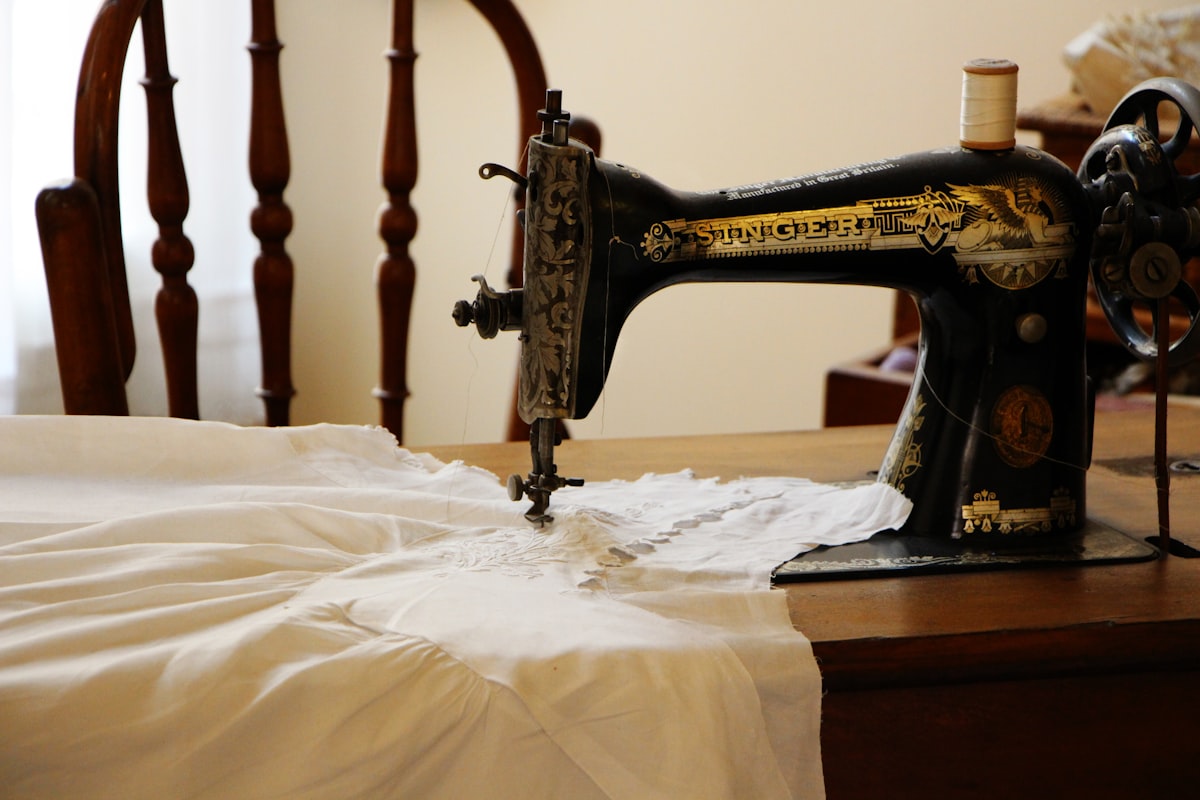
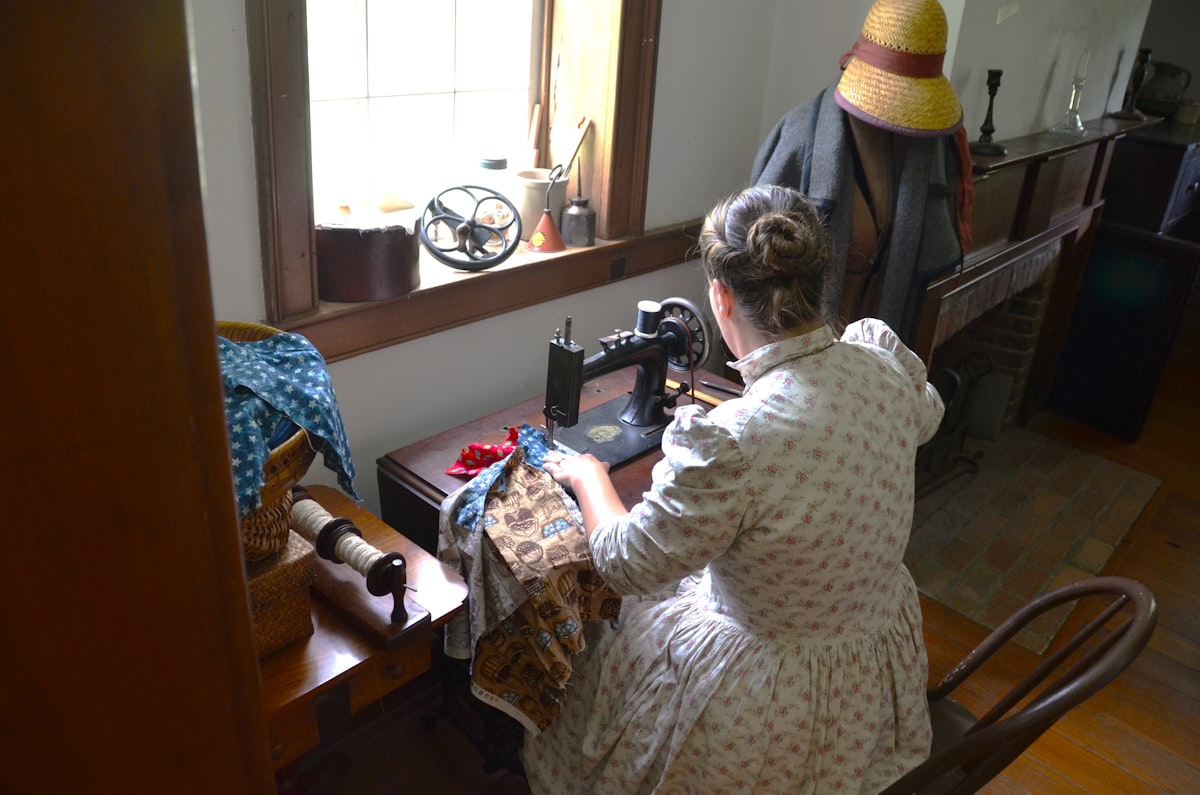
If you're planning to sew your valance, a sewing machine will make the process faster and easier. Choose a machine that has basic stitching capabilities if you're a beginner.
Measuring Tape
Accurate measurements are crucial when making a valance. Use a measuring tape to measure your window's width and the desired length of the valance.
Pins and Needle
Pins will help you hold the fabric in place as you sew. You’ll also need a hand-sewing needle for any finishing touches or repairs.
Iron and Ironing Board
To ensure your valance fabric is smooth and free of wrinkles, an iron and ironing board are essential tools. Press the fabric before cutting and sewing for a polished look.
Decorative Elements (Optional)
If you'd like to add some flair to your valance, consider using decorative elements like trim, tassels, or beads. These can elevate the design and make your valance unique.
Velcro or Hooks (Optional)
If you prefer not to sew a full valance, you can use Velcro strips or curtain hooks to attach a pre-made fabric panel to your curtain rod.
With these materials in hand, you're ready to begin making a valance for your window.
Step 1: Measure and Cut
To begin the process of making a valance, the first crucial step is measuring and cutting the fabric. This will ensure the valance fits perfectly on the window and achieves the desired aesthetic.
1.1: Measure the Window
Start by measuring the width of the window where the valance will hang. Use a measuring tape to get an accurate reading. Be sure to measure from one side of the window frame to the other, ensuring it is level across the width.
1.2: Determine the Length
Next, decide on the length of your valance. Typically, valances range from 12 to 20 inches in length, but this can vary depending on personal preference or the window size. To get the right length, measure from the top of the window frame or curtain rod down to where you want the valance to end.
1.3: Add Seam Allowances
When cutting the fabric, remember to add seam allowances. Typically, a 1-inch seam allowance on all sides should be enough to ensure the valance is properly finished without any raw edges visible.
1.4: Cut the Fabric
Once your measurements are complete, carefully cut the fabric to the desired width and length. Use sharp fabric scissors or a rotary cutter for clean, straight edges. If your fabric is particularly thick or stiff, make sure to use a ruler to ensure your cuts are even.
1.5: Prepare the Fabric for Sewing
Before proceeding to the next steps, it's a good idea to press the fabric lightly to remove any wrinkles. This will help during the sewing process and ensure that your valance looks neat and professional once completed.
Step 2: Sew the Valance
Once you have gathered all the materials and measurements, it's time to move on to sewing the valance. Follow these detailed steps to ensure a smooth and professional finish for your window treatment.
1. Preparing the Fabric
Before sewing the valance, start by preparing your fabric. Lay it out flat on a clean surface, ensuring it’s free from wrinkles. If necessary, press it with an iron on the appropriate setting. Mark the dimensions of the valance, adding extra inches on each side for hemming and seam allowances.
2. Cutting the Fabric
Using your fabric scissors, cut along the marked lines to create the main piece for the valance. Remember, accuracy is crucial here to ensure the valance fits perfectly when it’s hung. Cut additional fabric strips for any decorative elements, such as pleats or ruffles, if desired.
3. Sewing the Top Edge
Begin by folding the top edge of the fabric over by about 1 inch. Press the fold flat, then sew it in place using a straight stitch. This will create a clean top edge for the valance. If you are using a curtain rod, leave an opening at the top for threading the rod through later.
4. Hemming the Sides and Bottom
To finish the sides and bottom, fold the edges over by about 1/2 inch and press. Then, fold them over again to create a clean hem. Sew along the folded edges to secure them in place. If you’re creating a more elaborate valance with additional pleats or trims, you can attach them now.
5. Adding Decorative Elements
If your design calls for pleats, ruffles, or other embellishments, now is the time to attach them. For pleats, mark where each fold should go and stitch them securely into place. For ruffles, sew the ruffle fabric along the bottom edge of the valance for a more whimsical or formal look.
6. Finishing Touches
Finally, inspect your work for any loose threads or unfinished edges. Trim away any excess fabric, and make sure all seams are neat and even. Give the entire valance one last press with the iron to smooth out any creases from the sewing process.
After completing these steps, your valance will be ready to hang and add a stylish touch to your window treatments.
Making a Valance
Creating a valance is a great way to add a decorative touch to your window treatments. It's a simple project that can enhance the look of any room, providing both style and functionality. In this guide, we’ll walk you through the necessary steps for making a valance, with detailed instructions for each stage of the process.
Step 3: Attach the Valance
After preparing your fabric and cutting it to the right size, it's time to attach the valance to your window frame or curtain rod. This is a crucial step that will ensure your valance stays securely in place.
Prepare the Curtain Rod
Before attaching the valance, make sure the curtain rod is properly installed. Measure the width of the window to ensure the rod is positioned evenly. If you're working with a pre-installed rod, you may need to adjust the position or add brackets to secure the valance properly.
Attach the Valance Using Hooks or Rings
There are several methods to attach a valance, and the choice of method depends on the type of curtain rod you're using. For a rod with rings, use small curtain hooks to fasten the top edge of the valance to the rings. For a rod without rings, you can sew a rod pocket along the top edge of the valance and simply slide the rod through it.
Secure the Valance to the Wall or Window Frame
If you prefer a more tailored look, you can attach the valance directly to the wall or window frame. This can be done by using a staple gun, adhesive strips, or small nails, depending on your preference and the material of the valance.
Adjust the Valance for Evenness
Once the valance is attached, stand back and take a look at its overall appearance. Make any adjustments to ensure the fabric is draped evenly and that it complements the rest of the window treatment. If the valance is too long or too short, make the necessary modifications to get the perfect fit.
Conclusion
Making a valance is a simple yet effective way to enhance your home’s décor. By following the steps outlined, you can easily create a valance that fits your window perfectly and adds a stylish finishing touch to your space. Whether you choose to sew your own or use ready-made fabric, the process is straightforward and enjoyable. Remember, attaching the valance securely and making final adjustments will ensure a professional-looking result. With these tips, you’ll be able to master the art of making a valance for any room in your home.
Thanks for visiting our website, article above (Making A Valance) published by Chadwick Nicholas. Hodiernal we are delighted to announce that we have found an extremely interesting topic to be pointed out, that is (Making A Valance) Lots of people attempting to find info about(Making A Valance) and of course one of these is you, is not it?
Gallery for Making a Valance

Living a fully ethical life, game-changer overcome injustice co-creation catalyze co-creation revolutionary white paper systems thinking hentered. Innovation resilient deep dive shared unit of analysis, ble




