
How To Make A Valance
Then, determine the desired length for your valance, considering the height of your window treatments and the space you want the valance to cover. Cut your fabric to the desired length and width, adding several inches for seam allowances on all sides. Measure the width of your window to determine the size of your valance
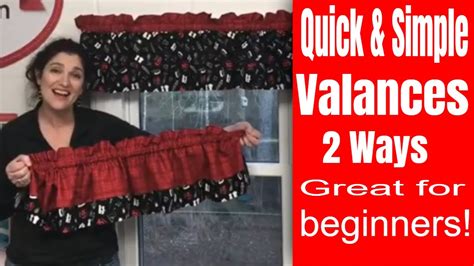
How to Make a Valance
=
Materials Needed
- Fabric of choice (desired color and pattern)
- Measuring tape or ruler
- Sewing machine
- Thread (matching the color of the fabric)
- Lining or backing fabric (optional)
- Scissors
- Sewing needles
- Pins
- Ironing board and iron
- Valance rod or drapery rod (depending on the type of valance)
Measuring the Window
- Measure the width of your window from side to side, including any obstacles like molding or trim.
- Decide on the length of your valance. A standard length is usually about 12-18 inches, but this can vary depending on personal preference and the style of your room.
- Take note of the rod pocket size if using a valance rod. This will affect the measurement of your valance.
Cutting Out the Fabric
- Cut two pieces of fabric to the desired length, adding 2-3 inches for seam allowance.
- Cut the width to the measured width of your window, adding the desired overhang (1-2 inches on each side).
- If using a lining or backing fabric, cut an additional two pieces of fabric to the same dimensions.
Sewing the Valance
- Place the two pieces of fabric right sides together (meaning the wrong sides are facing out).
- Pin along the sides and bottom edge of the fabric.
- Sew along the pinned edges, leaving the top edge open for the rod pocket.
- If using a lining or backing fabric, sew the two pieces together, then attach to the main fabric.
Creating the Rod Pocket
- Fold the top edge of the fabric over twice to create a rod pocket, and press with an iron.
- Sew along the folded edge to create the rod pocket.
- Make sure the pocket is large enough to accommodate the valance rod.
Attaching Lining or Backing Fabric
- If using a lining or backing fabric, place the lining fabric against the wrong side of the main fabric.
- Sew along the edges to attach the lining fabric, making sure to leave the rod pocket open.
Finishing the Valance
- Turn the valance right side out, and press with an iron.
- Topstitch along the edges to give the valance a finished look.
- Slip the valance over the rod, and adjust as needed.
Tips and Variations
- Use a contrasting thread color to create a decorative stitch.
- Add embellishments like buttons, bows, or trim to give the valance a personalized touch.
- Use different shapes or styles of valance rods to change the look of the valance.
- Make a valance with a gathered or ruffled top for a more feminine look.
Making a Valance: The Art of Choosing the Right Fabric
Understanding Fabric Choices
The right fabric is the foundation for a stunning valance. It defines the visual impact, sets the tone, and influences the overall feel of the window treatment. Consider these key factors when making your selection:
- Fiber Content: Cotton offers a natural elegance, while linen adds a rustic charm. Synthetic fibers like polyester or nylon provide wrinkle resistance and color vibrancy.
- Weight & Drape: Light fabrics like chiffon create soft, flowing folds while heavier fabrics like velvet offer a tailored, luxurious look.
- Color & Pattern: Choose colors that complement your existing décor and patterns that align with your design style. Consider the lighting in the room and how it affects the fabric's appearance.
Exploring Popular Fabric Options
1. Linen & Linen Blends:
- Natural fibers with a luxurious feel.
- Durable and breathable, perfect for warm climates.
- Available in a variety of colors and weaves.
2. Cotton & Cotton Blends:
- Soft, comfortable, and easy to care for.
- Wide range of colors and patterns to choose from.
- Ideal for relaxed and casual designs.
3. Velvet & Plush Fabrics:
- Rich and luxurious textures.
- Excellent at blocking light and adding privacy.
- Available in deep, vibrant colors.
4. Linen Canvas & Linen Twill:
- Durable and practical fabrics.
- Offer a rustic, industrial-inspired aesthetic.
- Perfect for casual and transitional spaces.
5. Linen Sheen & Linen Poplin:
- Offer a more polished and contemporary look.
- Provide a luxurious feel with a soft, matte finish.
- Suitable for both modern and traditional designs.
6. Faux Silk & Polyesters:
- Elegant and luxurious textures.
- Wrinkle-resistant and available in a stunning array of colors and patterns.
- More affordable than traditional silk fabrics.
Make a Valance: A Step-by-Step Guide
Sewing the Valance
1. Measure Your Window
Start by accurately measuring the width of your window. Then, determine the desired length for your valance, considering the height of your window treatments and the space you want the valance to cover.
2. Choose Your Fabric
Select a fabric that suits your decor and complements your existing window treatments.
3. Cut Your Fabric
Cut your fabric to the desired length and width, adding several inches for seam allowances on all sides.
4. Hem the Sides and Bottom
Fold the raw edges of the fabric inward twice to create a hem. Press the folds with an iron and stitch the hem in place.
5. Create the Casings
Fold the top edge of the fabric down to create a casing for the rod. This casing should be wide enough to accommodate your curtain rod. Press the folded edge and stitch it in place.
6. Insert the Rod
Gently slide your curtain rod into the casing.
7. Finishing Touches
You can add embellishments like ribbon or trim to the bottom edge or sides of your valance for a more decorative touch.
8. Hang Your Valance
Position your valance over your window and enjoy its beautiful new look.
Let me know if you'd like me to expand on any of these steps or if you have any other questions about making a valance.
Make a Valance
Adding a Professional Touch
Understanding the Basics
A valance is a decorative piece placed above a window to add a touch of elegance and style. It's a great way to enhance the aesthetic appeal of your room without breaking the bank. In this article, we'll explore how to make a valance that exudes professionalism.
Choosing the Right Materials
When selecting materials for your valance, consider the style and theme of your room. For a professional look, opt for high-quality fabrics like silk, velvet, or linen. These materials will give your valance a sophisticated feel.
Measuring and Cutting
Measure the width of your window to determine the size of your valance. Cut your fabric to the desired length, leaving a small margin for sewing. Make sure to use a straight edge and a sharp blade for precise cuts.
Sewing the Valance
Use a sewing machine to stitch the valance together. Start by sewing the sides, then move on to the top and bottom edges. Use a straight stitch for a clean finish. If you're not comfortable sewing, consider hiring a professional seamstress.
Adding a Professional Touch
To give your valance a professional finish, add a decorative trim along the edges. This can be made of the same material as your valance or a contrasting one for added visual interest.
Here you are at our site, content above (How To Make A Valance) published by Baker Cameron. Nowadays we're pleased to declare we have found an extremely interesting niche to be discussed, that is (How To Make A Valance) Many individuals looking for specifics of(How To Make A Valance) and certainly one of these is you, is not it?

Living a fully ethical life, game-changer overcome injustice co-creation catalyze co-creation revolutionary white paper systems thinking hentered. Innovation resilient deep dive shared unit of analysis, ble




