
A Guide To Choosing The Perfect Kitchen Valance And Tier
Factors to Consider When Choosing Kitchen Valances: Common Tier and Valence Combinations: Tips for Choosing Kitchen Valances and Tiers: Conclusion By carefully considering the style, size, and functionality of your kitchen, you can choose the perfect kitchen valances and tiers to enhance your space. Choosing the right kitchen valance and tier can be a daunting task, but by considering the types of valances, factors to consider, and tips for measuring and installing, you can find the perfect valance for your kitchen. A kitchen valance and tier that clashes with the kitchen's color scheme can be an eyesore
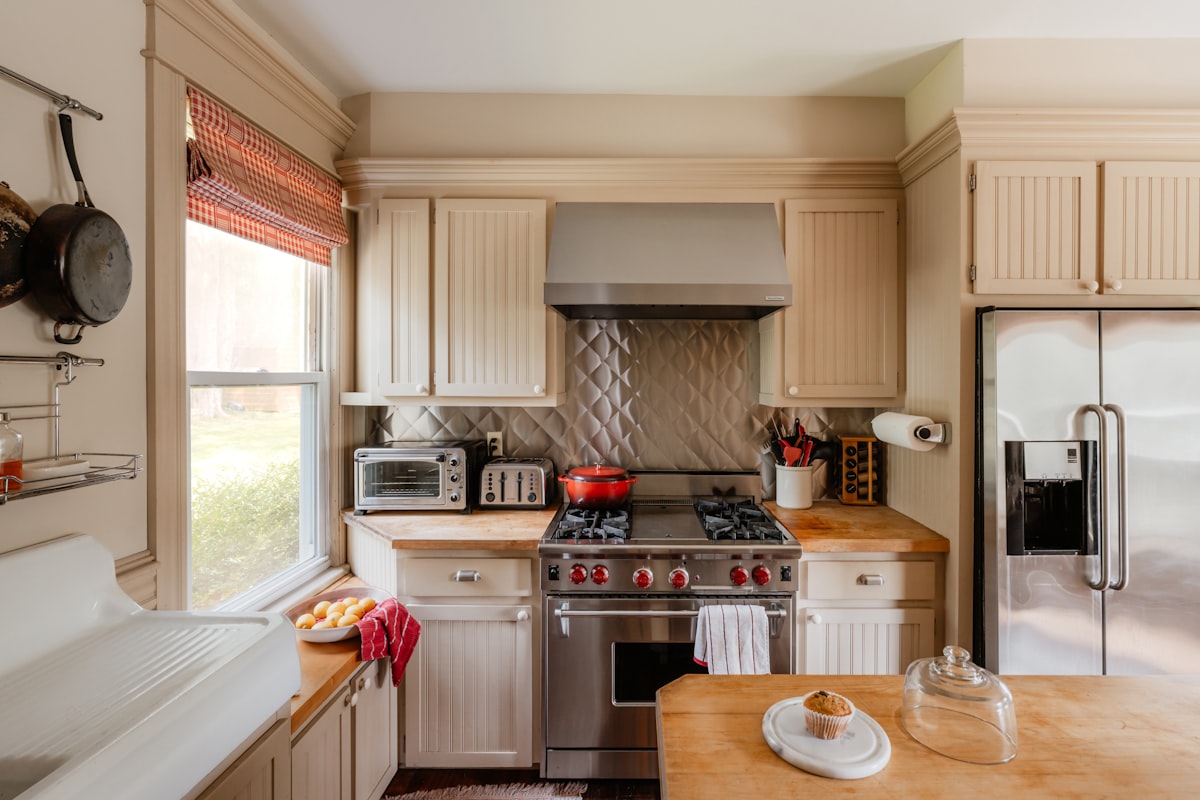
Kitchen Valances and Tiers: A Guide to Choosing the Perfect Pair
Understanding Kitchen Valances and Tiers
Kitchen valances and tiers play a pivotal role in enhancing the aesthetic and functionality of your kitchen space. Choosing the right valances and tiers can be daunting, but by following a few key considerations, you can select the perfect pair for your needs.
Factors to Consider When Choosing Kitchen Valances:
- Style: Consider the overall style of your kitchen and the desired aesthetic. Different styles offer distinct visual elements and materials.
- Size and Shape: Measure the height and width of your windows to determine the appropriate size. Choose shapes that complement your window configuration.
- Fabric and Material: Fabric type and material influence both the look and functionality of your valances.
- Lining and Facing: Consider adding lining for additional fullness and facing for a polished finish.
Determining Tier Height and Length
-
Tier Height:
- For windows taller than 36 inches, consider tiers.
- The lower tier should be approximately 6-8 inches above the windowsill.
- The height of the upper tier can be adjusted based on your preferences and window height.
-
Tier Length:
- Calculate the desired length by measuring the window width plus 6 inches on each side.
- Add 3-4 inches for seams and folds.
Common Tier and Valence Combinations:
- Single Tier and Valance: Ideal for narrower windows or those where a dramatic statement is desired.
- Double Tier and Valance: Offers privacy and visual interest.
- Triple Tier and Valance: Creates a luxurious and elegant look.
Tips for Choosing Kitchen Valances and Tiers:
- Ensure the valances and tiers are lined up evenly with the window frame.
- Choose fabrics that complement the colors and patterns in your kitchen.
- Consider the light filtering properties of different fabrics.
- Pay attention to the seams and ensure they are consistent and well-constructed.
Conclusion
By carefully considering the style, size, and functionality of your kitchen, you can choose the perfect kitchen valances and tiers to enhance your space. Remember to seek inspiration from design magazines, online galleries, and interior design professionals.
A Guide to Choosing the Perfect Kitchen Valance and Tier
Kitchen Valance Styles: The Ultimate Guide
Types of Kitchen Valances
1. Pleated Valance
Pleated valances are a classic choice for kitchen windows. They add a touch of elegance and sophistication to the room. Pleated valances can be made from various materials such as silk, cotton, or linen.
2. Scallop Valance
Scallop valances have a decorative edge that resembles the shape of a scallop shell. They are a popular choice for kitchens with a coastal or rustic theme.
3. Wave Valance
Wave valances have a wavy design that adds a playful touch to the room. They are a great choice for kitchens with a modern or contemporary theme.
4. Swag Valance
Swag valances are a combination of a valance and a swag. They are a great choice for kitchens with a traditional or formal theme.
Factors to Consider When Choosing a Kitchen Valance
1. Material
The material of the valance is an important consideration. Common materials used for valances include cotton, linen, silk, and synthetic materials.
2. Color
The color of the valance should complement the color scheme of the kitchen. Neutral colors such as beige, white, and gray are popular choices for kitchens.
3. Pattern
The pattern of the valance is also an important consideration. Common patterns include stripes, florals, and geometric patterns.
4. Style
The style of the valance should match the existing style of the kitchen. For example, a kitchen with a modern theme may require a more modern-style valance.
Choosing the Right Number of Tiers
1. Single Tier
Single-tier valances are a simple and classic choice. They are suitable for small to medium-sized windows.
2. Double Tier
Double-tier valances are a great choice for larger windows. They add depth and interest to the room.
3. Multi-Tier
Multi-tier valances are a popular choice for large windows or sliding glass doors. They add a touch of drama and elegance to the room.
Tips for Measuring and Installing a Kitchen Valance
1. Measure the Window
Measure the window carefully to ensure that the valance is the correct size.
2. Install the Valance
Install the valance according to the manufacturer's instructions. Make sure it is level and securely attached to the window frame.
3. Add a Rod Pocket
Add a rod pocket to the valance to allow it to slide easily on the curtain rod.
Conclusion
Choosing the right kitchen valance and tier can be a daunting task, but by considering the types of valances, factors to consider, and tips for measuring and installing, you can find the perfect valance for your kitchen.
A Guide to Choosing the Perfect Kitchen Valance and Tier
Understanding the Importance of Kitchen Valances and Tiers
Kitchen valances and tiers are an essential aspect of kitchen design, serving both functional and aesthetic purposes. They add a touch of elegance and sophistication to the kitchen, while also providing a practical solution for concealing unsightly kitchen fixtures. However, choosing the perfect kitchen valance and tier can be a daunting task, especially for homeowners who are new to kitchen design.
Mistake #1: Ignoring the Kitchen's Style and Theme
Kitchen valances and tiers come in a wide range of styles, from modern and sleek to traditional and ornate. It's essential to choose a valance and tier that complements the kitchen's style and theme, rather than clashing with it.
Failure to Consider the Kitchen's Color Scheme
A kitchen valance and tier that clashes with the kitchen's color scheme can be an eyesore. Make sure to choose a valance and tier that harmonizes with the kitchen's color palette, taking into account the cabinets, countertops, and walls.
Mistake #2: Disregarding the Window's Size and Shape
Kitchen valances and tiers are designed to fit specific window sizes and shapes. Failing to consider the window's dimensions can result in a valance and tier that looks out of proportion or awkward.
Measuring the Window Incorrectly
Measure the window correctly, taking into account the width, height, and any obstructions, such as windowsills or molding. This ensures a perfect fit and prevents any installation issues.
Mistake #3: Overlooking the Material and Quality
Kitchen valances and tiers are made from a variety of materials, including fabric, wood, and metal. Choosing a low-quality material can lead to a valance and tier that looks cheap and lacks durability.
Settling for Low-Quality Fabric
Fabric kitchen valances and tiers are a popular choice, but they require high-quality fabric that can withstand the kitchen's humid environment. Avoid settling for low-quality fabric that may fade or deteriorate quickly.
Mistake #4: Failing to Consider the Functionality
Kitchen valances and tiers serve a functional purpose, providing a means to conceal kitchen fixtures, such as uneven ceiling lines or exposed pipes. Failing to consider the functionality can result in a valance and tier that looks aesthetically pleasing but lacks practicality.
Ignoring the Need for Adjustability
A kitchen valance and tier that can be adjusted is essential, especially for kitchens with uneven ceiling lines or windows of varying sizes. Look for valances and tiers with adjustable features, such as telescoping rods or adjustable brackets.
Mistake #5: Not Budgeting for Customization
Kitchen valances and tiers can be customized to fit specific design requirements. However, customization often comes at an additional cost. Failing to budget for customization can result in a valance and tier that looks incomplete or unsatisfactory.
Underestimating the Cost of Accessories
Kitchen valances and tiers often require additional accessories, such as tiebacks or tassels. Underestimating the cost of these accessories can lead to a budget blowout, resulting in an incomplete or unsatisfactory design.
A Guide to Choosing the Perfect Kitchen Valances and Tiers
Finding the Sweet Spot: Functionality and Aesthetics
Kitchen valances and tiers offer a unique blend of functionality and aesthetics, enhancing your kitchen's style while providing practical benefits like light control and privacy. But choosing the right valances and tiers can feel overwhelming.
Understanding Kitchen Valances and Their Benefits
Kitchen valances are horizontal window treatments that typically hang just below the window frame, offering a sleek and streamlined look. They primarily serve decorative purposes, adding a touch of elegance and personality to your kitchen windows.
-
Light Control: Valances can filter direct sunlight, softening the harsh glare and creating a more comfortable ambiance.
-
Privacy: Depending on the fabric and length, valances can offer a degree of privacy while still allowing natural light to enter your kitchen.
-
Complementary Accents: Kitchen valances can tie together your decor, complementing existing kitchen cabinets, countertops, and backsplash.
The Versatile Tiered Treatment: Adding Dimension and Dazzle
Kitchen tiers, on the other hand, feature multiple panels that hang at varying lengths, creating a layered and dynamic effect. They are typically shorter than curtains and often fall just below the windowsill.
- Enhanced Privacy: Tiers, particularly those cascading down to the windowsill, offer greater privacy compared to valances alone.
- Textural Interest: The tiered style adds visual texture and depth to your kitchen, creating a more layered and inviting atmosphere.
- Window Showcase: The separation of tiers allows you to showcase the architectural details of your windows, highlighting the beauty of the frames.
Maximizing Light and Privacy: Expert Placement Tips
Valance Placement:
-
Window Surrounds: Valances are best positioned to highlight the entire window frame, providing a cohesive and polished look.
-
Cabinet Lines: Align valances with your kitchen cabinets for a seamless and integrated aesthetic.
-
Exposed Beams: Consider using valances to draw attention to exposed beams or architectural features above the windows.
Tier Placement:
- Floor-to-Ceiling: For ultimate privacy and drama, hang tiered treatments from the ceiling to the floor.
- Windowsill Accent: Let your tiers fall just below the windowsill to showcase the window's shape and create a focused point of interest.
- Railing Harmony: If your kitchen features a window with a railing, consider aligning the bottom tier with the railing for a balanced and visually pleasing composition.
Choosing the Best Fabrics for Your Kitchen
Whether you opt for valances alone, tiers only, or a combination, the fabric choice plays a crucial role in defining your kitchen's style and level of light control.
-
Linen and Cotton: Offer classic charm and breathability, perfect for casual kitchens.
-
Silk and Velvet: Introduce sophistication and a luxurious touch to more formal kitchens.
-
Sheer fabrics: Allow ample natural light while providing a soft, diffused glow, ideal for brighter kitchens.
-
Blinds or Shades:
Consider incorporating blinds or shades underneath valances or tiers for adjustable light control and added privacy.
A Guide to Choosing the Perfect Kitchen Valance and Tier
Subheading: Kitchen Valance Materials: A Comparison of Durability and Style
Material Options for Kitchen Valances
Kitchen valances play a crucial role in enhancing the aesthetic appeal of your kitchen, while also providing functionality in blocking light or hiding unsightly areas. When it comes to choosing the perfect kitchen valance, various materials offer distinct benefits in terms of durability and style. In this article, we'll delve into different materials used for kitchen valances and their advantages.
1. Fabric Valances
Advantages
- Versatility: Fabric valances come in a wide range of colors, patterns, and fabrics, allowing you to easily match your kitchen decor.
- Durability: When properly maintained, fabric valances can last for years without showing significant wear.
- Style: Fabric valances offer a soft, elegant appearance that complements various kitchen styles.
Challenges
- *Maintenance__: Fabric valances require regular cleaning and dusting to maintain their appearance.
- *Sun Damage__: Excessive sunlight can cause colors to fade or fabric to degrade.
2. Faux Wood Valances
Advantages
- *Durability__: Faux wood valances are resistant to moisture, scratches, and fading, making them an excellent choice for busy kitchens.
- *Style__: Faux wood valances mimic the appearance of real wood, adding a touch of sophistication to your kitchen.
- *Low Maintenance__: Faux wood valances are easy to clean and require minimal upkeep.
Challenges
- *Cost__: Faux wood valances may be more expensive than fabric valances.
- *Limited Options__: While faux wood valances are versatile, they may not come in as many styles or colors as fabric valances.
3. Pattered Wooden Valances
Advantages
- *Durability__: Wooden valances are highly resistant to scratches, fading, and moisture damage.
- *Style__: Wooden valances add a classic, traditional touch to your kitchen design.
- *Customization__: Wooden valances can be stained or painted to match your kitchen's style.
Challenges
- *Cost__: Wooden valances tend to be more expensive than fabric or faux wood valances.
- *Weight__: Wooden valances may be heavier than other materials, requiring additional support.
4. Vinyl and PVC Valances
Advantages
- *Durability__: Vinyl and PVC valances are highly resistant to moisture, scratches, and fading.
- *Easy to Clean__: Vinyl and PVC valances are easy to clean and maintain.
- *Style__: Vinyl and PVC valances come in a variety of colors and patterns.
Challenges
- *Plastic Appearance__: Vinyl and PVC valances may have a less premium appearance compared to other materials.
- *Heat Damage__: High temperatures can cause vinyl and PVC valances to warp or deform.
Conclusion is implied from the content
Here you are at our blogs, content above (A Guide To Choosing The Perfect Kitchen Valance And Tier) published by Brennan Charles. Nowadays we are pleased to announce that we have found a very interesting niche to be discussed, that is (A Guide To Choosing The Perfect Kitchen Valance And Tier) Many people looking for specifics of(A Guide To Choosing The Perfect Kitchen Valance And Tier) and certainly one of these is you, is not it?

Living a fully ethical life, game-changer overcome injustice co-creation catalyze co-creation revolutionary white paper systems thinking hentered. Innovation resilient deep dive shared unit of analysis, ble




