
A Comprehensive Guide To Sewing A Valance Curtain
Cut your fabric according to your measurements and the design you've chosen, remembering to account for seam allowances. Carefully measure the width of your window rod or the area where you intend to hang the valance. A: At the top of your valance, fold down a section of fabric (usually 3-4 inches, depending on your rod diameter), press it flat, and stitch along the folded edge to create a tunnel for your curtain rod
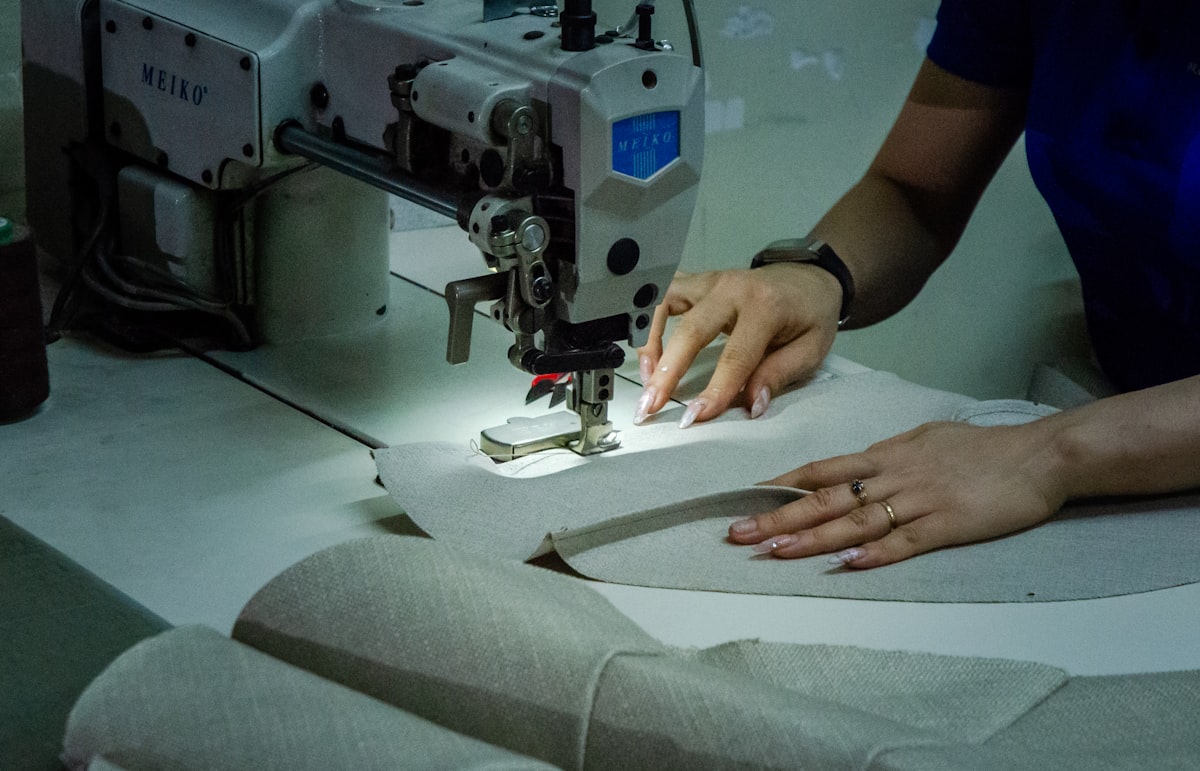
A Comprehensive Guide to Sewing a Valance Curtain
Getting Started: Gathering Your Supplies
Before diving in, you'll need a few things. Fabric, of course – choose something that complements your room's decor. Consider the weight too; a heavier fabric will drape differently than a lighter one. You'll also need your sewing machine, thread to match your fabric, measuring tape, scissors (sharp ones!), pins, and iron. A simple pattern or a sketch can be really helpful if you're not used to working with patterns. Don't forget your seam ripper – it's your best friend when mistakes happen.
Measuring and Cutting Your Fabric
Accurate measurements are key. Measure the length and width of your window rod. You'll need this to determine how much fabric to buy, making sure to add extra for seams and hems. Ironing your fabric before cutting is always a good idea – it removes wrinkles and makes for cleaner cuts. Cut your fabric according to your measurements and the design you've chosen, remembering to account for seam allowances. A well-marked pattern helps.
Creating Your Valance Shape
The shape is totally up to you. A simple straight valance is easy for beginners. More adventurous sewists might try a curved, scalloped, or even a more complex design. Use pins to secure the shape before sewing – this is much easier than adjusting seams later. A bit of patience goes a long way here, so take your time. There are so many tutorials online with valance designs, so browsing some images might inspire you.
Sewing the Seams
With your fabric cut and shaped, start sewing the seams. A straight stitch works for most valances. Use your machine’s seam allowance guide. Press the seams open to prevent bulkiness. Sewing slowly and carefully is essential here. Paying attention to detail really pays off.
Finishing Touches: Hems and Hanging
Once the seams are sewn, it’s time for the hems. Neat hems finish off your valance beautifully. Choose a hem style – a simple double folded hem is usually sufficient. Press and sew the hems, making sure they're even and straight. Finally, add a rod pocket or casing to the top of the valance. This makes it easy to slide your curtain rod through.
Hanging Your New Valance
Carefully slide your valance onto the rod. Admire your handiwork! If you encounter wrinkles you can often steam or lightly iron them out to refresh your handiwork. A perfectly-made valance can really add a touch of elegance and sophistication to a room. There's nothing quite like the satisfaction of creating something with your own hands.
Mastering the Art of Sewing a Valance Curtain: A Premium Guide
Understanding Valance Curtain Types
Before embarking on your sewing journey, understanding the different valance styles is crucial. Choosing the right type will greatly influence the final look and complexity of your project.
Classic Straight Valance
This timeless design features a simple, rectangular shape. It's perfect for beginners due to its straightforward construction and clean lines. Its versatility allows for various fabric choices and complements various interior styles.
Box Pleated Valance
Adding a touch of elegance, the box pleated valance creates neat, structured folds. While slightly more complex than the straight valance, the result is a sophisticated and refined look. This style requires precise measurements and careful pleating.
Scalloped Valance
For a more whimsical and romantic touch, the scalloped valance is the perfect choice. Its curved edges create a soft and flowing silhouette. This design requires pattern making or careful freehand cutting, making it a more challenging project for beginners.
Swag and Jabot Valance
This luxurious style combines soft, draped swags with cascading jabots. It’s ideal for creating a dramatic and opulent look in a formal setting. This project requires considerable experience in fabric manipulation and draping techniques.
Choosing Your Fabric and Supplies
The success of your valance hinges on choosing the right materials. Fabric selection significantly impacts the final drape and aesthetic of your curtain.
Fabric Selection
Consider the weight, drape, and pattern of your fabric. Lighter fabrics like cotton or linen create a softer look, while heavier fabrics like velvet or brocade offer a more luxurious feel. The pattern's scale should also complement your window's size and the room's overall decor.
Essential Tools and Supplies
Gather your tools before starting: high-quality fabric scissors, measuring tape, pins, sewing machine (with appropriate needles and thread), iron and ironing board, seam ripper, and pattern paper (optional). Having all your supplies readily accessible minimizes interruptions during the sewing process.
Detailed Sewing Instructions: A Step-by-Step Guide
Let's delve into the practical aspect of crafting your valance. This detailed guide covers the common steps for most valance types, although specific techniques might vary slightly based on your chosen style.
Taking Accurate Measurements
Precise measurements are paramount. Measure the width of your window rod, adding extra for seam allowances and desired fullness. Similarly, measure the desired length of your valance. Accurate measurements prevent alterations and ensure a perfect fit.
Cutting the Fabric
Cut your fabric according to your measurements, remembering to account for seam allowances. Use sharp scissors to achieve clean cuts. Ironing your fabric before cutting helps to minimize wrinkles and ensures precise cuts.
Assembling Your Valance
The assembly process varies depending on the chosen valance style. Basic styles might involve simple seams, while more complex designs necessitate careful folding, pleating, or draping techniques. Follow your chosen pattern's instructions meticulously.
Finishing Touches
Adding a clean hem to your valance ensures a professional finish. A double-folded hem is recommended for most valance types, providing durability and a neat appearance. You may also need to create a rod pocket or casing for easy hanging.
Hanging Your Completed Valance
The final step is hanging your newly crafted valance.
Attaching the Rod Pocket or Casing
Carefully slide your curtain rod through the rod pocket or casing you’ve created. Ensure the valance hangs evenly and smoothly. Adjust as needed to achieve the desired look.
Adjusting and Final Touches
Once your valance is hung, take a moment to check for any imperfections or areas that require adjustment. A slight steam or light ironing may be necessary to remove any wrinkles.
Sewing a Valance Curtain: A Beginner's Guide
Materials and Tools Required
Before starting your project, gather all necessary materials and tools. Having everything prepared beforehand streamlines the process and minimizes interruptions.
Fabric Selection
Choose a fabric that complements your room's decor and considers the weight and drape. Lighter fabrics like cotton or linen create a softer look, while heavier fabrics such as velvet or brocade add a touch of luxury. Consider the fabric's color and pattern as well.
Fabric Quantity
Calculate the required fabric based on your window's measurements. Always add extra fabric to account for seams, hems, and potential mistakes. It's better to have extra than to run short.
Essential Tools
A sewing machine is crucial for this project. Ensure it's in good working order. You'll also need sharp fabric scissors, a measuring tape, pins, thread that matches your chosen fabric, an iron, and an ironing board. Having a seam ripper is also highly recommended.
Measuring and Cutting
Precise measurements are paramount for a well-fitted valance. Inaccurate measurements can lead to a poorly fitting or aesthetically unpleasing result.
Window Measurement
Carefully measure the width of your window rod or the area where you intend to hang the valance. This measurement will determine the width of your fabric. Note any existing window treatments that may affect the measurements.
Length Measurement
Determine the desired length of your valance. Consider the overall look you're aiming for, such as a short, boxy valance or a longer, more dramatic one. Add seam allowances to this measurement.
Cutting the Fabric
Use your measurements to cut the fabric. Always cut on a flat, stable surface. Ironing the fabric beforehand helps to ensure a neat cut and prevents the fabric from shifting while cutting.
Sewing the Valance
This section details the actual sewing process. Take your time, and if you're unsure about a step, consult online resources or sewing tutorials.
Creating the Header
The header is the top section of the valance, often used for creating a rod pocket or casing. This provides an easy way to hang your valance. Stitch the header seams carefully and press them open to prevent bulkiness.
Sewing the Sides and Hemming
Sew the side seams together and hem the bottom edge of your valance. Ensure even seams and straight hems for a professional finish. Use your iron to press the seams and hems flat. Neat seams contribute to the overall quality of your valance.
Hanging Your Valance
The final step involves hanging your completed valance.
Inserting the Rod
Carefully insert the curtain rod into the rod pocket or casing you created in the previous step. Make sure the valance hangs evenly. Adjust as needed to create the desired look.
Final Adjustments
Take a step back to admire your handiwork. Make any final adjustments as needed, ensuring that your valance is neatly hung and enhances your room's decor. A well-made valance can make a significant difference.
Summary of "A Comprehensive Guide to Sewing a Valance Curtain"
This guide provides a comprehensive walkthrough on how to sew a valance curtain, from initial planning and material selection to the final hanging. It covers various valance types, including straight, box-pleated, scalloped, and swag-and-jabot styles. The guide details fabric selection, essential tools, accurate measurements, cutting techniques, sewing instructions (seam allowances, hems, rod pockets), and finally, the hanging process. The emphasis is on clear, step-by-step instructions suitable for beginners, while also providing insights for more experienced sewists seeking to enhance their skills. The guide aims to empower readers with the knowledge and confidence to create beautiful, custom-made valance curtains for their homes. Learning how to sew a valance curtain unlocks a world of creative possibilities for personalizing home décor.
Frequently Asked Questions (FAQ)
Q: What are the basic tools I need to sew a valance curtain?
A: You'll need fabric scissors, a measuring tape, pins, thread, a sewing machine (with the correct needle for your fabric), an iron and ironing board, and a seam ripper. A pattern (or drawing) is helpful, especially for more complex designs.
Q: How much fabric should I buy for my valance?
A: Measure the width of your window rod, and add extra for seams and fullness (typically 1.5 to 2 times the width). For length, measure your desired finished length, and add seam allowances (typically 2-3 inches). Always check your chosen pattern's instructions for specific fabric requirements.
Q: What types of fabric work best for valance curtains?
A: Lighter weight fabrics like cotton, linen, or voile drape nicely and are suitable for most valances. For a more luxurious look, heavier fabrics like velvet or brocade can be used. Consider your room's decor and lighting when choosing the weight and opacity of the fabric.
Q: How do I create a rod pocket for my valance?
A: At the top of your valance, fold down a section of fabric (usually 3-4 inches, depending on your rod diameter), press it flat, and stitch along the folded edge to create a tunnel for your curtain rod.
Q: What if I make a mistake while sewing?
A: Don't worry! That's where your seam ripper comes in handy. Carefully remove the stitches where you made the mistake and re-sew. Take your time and try not to get discouraged—everyone makes mistakes while learning how to sew a valance curtain.
Q: Where can I find more detailed instructions or patterns for different valance styles?
A: Numerous online resources, including sewing blogs, YouTube tutorials, and pattern websites, offer detailed instructions and patterns for various valance styles. Searching for "how to sew a valance curtain [specific style, e.g., scalloped]" will yield many helpful results.
Q: Can I use a different method of hanging a valance besides using a rod pocket?
A: Yes, you can use a heading tape, grommets, or even clips and rings to hang your valance. The method you choose will depend on the style of your valance and your personal preference.
Here you are at our blogs, content above (A Comprehensive Guide To Sewing A Valance Curtain) published by North Josh. Today we're delighted to declare that we have discovered an incredibly interesting topic to be reviewed, that is (A Comprehensive Guide To Sewing A Valance Curtain) Most people attempting to find information about(A Comprehensive Guide To Sewing A Valance Curtain) and definitely one of them is you, is not it?

Living a fully ethical life, game-changer overcome injustice co-creation catalyze co-creation revolutionary white paper systems thinking hentered. Innovation resilient deep dive shared unit of analysis, ble




