
Sew A Beautiful Valance: A Step-By-Step Guide
Consider the following factors: Once you have a clear idea of your design, it's time to measure and cut your fabric: Now it's time to sew your valance: After your valance is sewn, you'll need to hem the raw edges to prevent fraying: Finally, it's time to add any finishing touches to your valance: Materials Needed Basic Steps Common Sewing Tips Finishing Touches Tips for a Professional Finish Choose a fabric that can withstand the wear and tear of being hung and moved around. Here's how to do it: Now that you have your measurements, it's time to cut the fabric for the valance. To create pinch pleats: To create a valance tie or clip: Before you start sewing your valance, decide on the length and width that will fit perfectly around your window
How to Sew a Valance
A Step-by-Step Guide
Materials Needed
To sew a beautiful valance, you will need the following materials:
- Fabric of your choice (depending on the style and color you want to achieve)
- Measuring tape
- Sewing machine
- Thread (matching the color of your fabric)
- Scissors
- Pins
- Hooks and eyes or a drapery hook
- Ribbon or trim (optional)
Understanding the Purpose of a Valance
A valance is a type of window treatment that hangs above a window and serves as a decorative element. It can be used to cover the window frame, add a pop of color, or create a sense of height on a room's walls. Some valances can be simple and functional, while others can be elaborate and decorative.
Designing Your Valance
Before you start sewing, take some time to think about the design of your valance. Consider the following factors:
- The style of your room: A modern room might require a sleek, minimalist valance, while a traditional room might benefit from a more ornate design.
- The shape of your window: You'll need to choose a valance that is proportional to the window, taking into account the height, width, and shape of the opening.
- The color and texture of your fabric: Choose a fabric that complements your room's overall color scheme and texture.
Measuring and Cutting
Once you have a clear idea of your design, it's time to measure and cut your fabric:
- Take precise measurements of your window, including the width, height, and any obstructions, such as molding or trim.
- Add a few inches to the measurements to account for hem allowance.
- Use your sewing machine to cut two pieces of fabric that match the width of your valance, plus the hem allowance.
Sewing the Valance
Now it's time to sew your valance:
- Repeat the sewing process to create two identical pieces of fabric.
- Start by sewing a straight line along one edge of the fabric, leaving a small gap for turning the valance right side out.
- Continue sewing the valance, working your way around the edges and inserting the gap as you go.
- Once the valance is complete, press the seams flat with a hot iron and your seam roller to create a crisp fold.
Hemming the Valance
After your valance is sewn, you'll need to hem the raw edges to prevent fraying:
- Fold the raw edges of the valance up by the desired amount, and press the fold with your seam roller to create a crisp crease.
- Repeat the process to create a second fold, and press again to create a seamless fold.
Adding Finishing Touches
Finally, it's time to add any finishing touches to your valance:
- Add hooks and eyes or a drapery hook to attach the valance to your window.
- Add a ribbon or trim to create a decorative element.
- Hang the valance and enjoy the finished product!
Sew a Beautiful Valance: A Step-by-Step Guide
How to Sew a Valance
-
Materials Needed
- Fabric of the desired width for the valance (consider the entire width of the window or door)
- Sewing machine
- Thread (matching the color of your fabric)
- Sewing needles
- Fabric scissors
- Measuring tape or sewing gauge
- Ruler or straightedge
- Seam roller or ruler
-
Basic Steps
- Cutting the Fabric: Calculate the width of your valance based on the window or door size and the desired length (typically 4-6 inches per foot).
- Hemming the Bottom: Fold the raw edge of the fabric up by 1/4 inch and press. Topstitch along the length of the hem to secure it. Repeat for the other side.
- Fold and Press the Hem: Fold the hem edges up to the desired fold, pressing to create creases along the way.
- Sewing the Seams: Beginning at the center back, sew along the folded edge, leaving a small space at the top to turn the valance right side out.
-
Common Sewing Tips
- Use a 1/4 inch seam allowance for the top and bottom edges to facilitate easy sewing and minimize bulk.
- Use a matching thread color for a seamless join.
- Press seams as you go to create crisp folds.
- Backstitch to secure seams in place.
-
Finishing Touches
- Topstitch along the entire length of the valance to secure the edges.
- Hem any visible seams or edges.
-
Tips for a Professional Finish
- Use a walking foot or even feed foot to simplify ironing and smoothing threads.
- Cut serging strips to prevent fraying and reinforce seams.
- Turn the valance with care and press gently.
- Use a high-quality iron and pressing cloth to reduce wrinkles.
Sewing a Valance Basics
Basic Measurements for Valance Width
- For most windows: 36 to 42 inches (90 to 107 cm)
Choosing the Right Fabric
- Select a lightweight, smooth fabric, such as cotton or linen, in a color that complements your surroundings.
Valance Pattern and Design
- Common valance patterns include gathered, pleated, and ruffled designs.
- Choose a pattern and design that suits your level of sewing experience and personal style.
How to Choose the Right Sewing Machine
- Consider the type of fabrics you'll be working with and the specific features of your sewing machine (e.g., straight stitch or zigzag stitch).
- Ensure the machine is suitable for heavy-duty sewing and has adjustable stitch length.
How to Use a Basic Sewing Tool Kit
- Use a standard sewing tool kit that includes scissors, rulers, and seam ripper.
Sewing Machines with Specialized Features for Valance Sewing
- Consider investing in a convertible sewing machine or a one-step machine that can handle most valance sewing tasks.
Sew a Beautiful Valance: A Step-by-Step Guide
Choosing the Right Fabric
Considerations for Fabric Selection
Durability
Choose a fabric that can withstand the wear and tear of being hung and moved around. Cotton, linen, and velvet are good options.
Aesthetics
Think about the color and pattern of the fabric. It should complement your window and room decor.
Seasonality
Select a fabric that suits the season. For example, lighter fabrics for summer and heavier fabrics for winter.
Tips for Measuring and Cutting the Fabric
Measure Twice, Cut Once
Take precise measurements of your window to ensure a perfect fit.
Pattern Matching
If your fabric has a pattern, consider the direction you want the pattern to face when hung.
Sew a Beautiful Valance: A Step-by-Step Guide
Measuring and Marking the Window
Before you start sewing your valance, it's crucial to measure and mark the window. This step will ensure that your valance fits perfectly and looks great. Here's how to do it:
- Measure the width of the window: Measure the width of the window from the inner side of the casing or trim to the inner side of the casing or trim. Make sure to do this at the center of the window.
- Measure the height of the window: Measure the height of the window from the top of the window to the bottom of the sill or window bench.
- Mark the measurements: Use a pencil to mark the measurements on a piece of paper or a design wall. Make sure to include any obstructions such as curtain brackets or window handles.
Cutting the Valance Fabric
Now that you have your measurements, it's time to cut the fabric for the valance. Here's how:
- Cut the fabric: Cut the fabric to the width and height measurements you took earlier. Make sure to add a 1/2-inch hem allowance at the top and bottom of the fabric.
- Cut two pieces: Cut two pieces of fabric, one for the front of the valance and one for the back. The front piece will have the design or pattern, while the back piece will be plain.
- Iron the fabric: Iron the fabric to remove any wrinkles and creases.
Sewing the Valance
Now it's time to sew the valance together. Here's how:
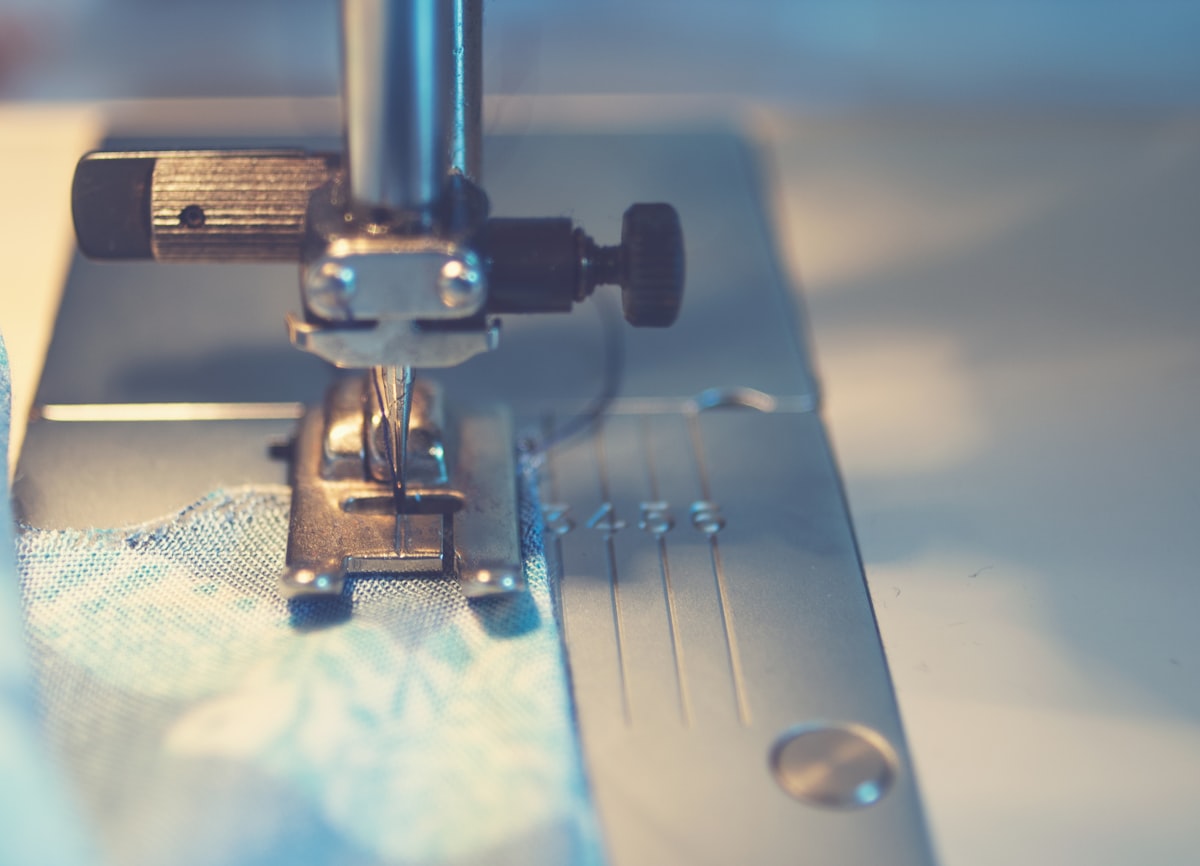
- Place the pieces right sides together: Place the front and back pieces of the valance right sides together.
- Sew along the sides: Sew along the sides of the valance, starting from the bottom and working your way up. Make sure to leave a small gap at the top for turning the valance right side out.
- Sew across the top: Sew across the top of the valance, making sure to align the edges carefully.
- Turn the valance right side out: Turn the valance right side out through the small gap you left at the top. Make sure to push out the corners carefully.
- Press the valance: Press the valance to remove any wrinkles and creases.
Attaching the Valance to the Window
Now it's time to attach the valance to the window. Here's how:
- Measure the window: Measure the width of the window again to ensure that the valance fits perfectly.
- Attach the valance: Attach the valance to the window using clips, adhesive, or screws. Make sure to follow the manufacturer's instructions for any attachments you choose.
Tips and Variations
Here are a few tips and variations to keep in mind:
- Use a design or pattern: Use a design or pattern to add some visual interest to the valance.
- Add some texture: Add some texture to the valance by using a patterned or textured fabric.
- Use different shapes: Use different shapes such as scalloped or ruffled shapes to add some visual interest.
- Make it match: Make the valance match the curtains or drapes in the room by using the same fabric or colors.
How to Sew a Valance: Cutting Out the Valance Material
Sewing a valance is a great way to add a personal touch to your home decor. In this step-by-step guide, we will show you how to cut out the valance material and prepare it for sewing.
Gather Your Materials
- Fabric for the valance (enough to accommodate the width and length you want)
- Sewing machine
- Thread
- Pins
- Scissors or a rotary cutter
- Measuring tape
- Iron and ironing board
Measure and Cut the Fabric
- Measure the width of the window where you will be hanging the valance. Add a few inches to each side to allow for hems and fullness.
- Measure the length of the valance you want. This will depend on your personal preference and the style of valance you are making.
- Cut the fabric to the desired width and length. Use a straight edge and a rotary cutter or sharp scissors for a clean cut.
Prepare the Fabric for Sewing
- Press the fabric to remove any wrinkles. This will make it easier to work with and will help the final product look more professional.
- Fold the raw edges of the fabric under twice, about 1/2 inch, to create a hem. Press the folds with an iron.
- Pin the hem in place.
- Repeat this process for all four edges of the fabric.
With the fabric cut and prepared, you are now ready to move on to the next step of sewing the valance. Stay tuned for our next guide on how to assemble and sew the valance.
Note:
- It is a good idea to make a muslin or test version of your valance before cutting into your final fabric. This will allow you to test the fit and make any necessary adjustments before working with your final fabric.
- If you are new to sewing, consider taking a class or watching online tutorials to learn the basics before attempting to sew a valance. This will help ensure that your final product is well-made and professional-looking.
Sewing the Valance Panels with
How to Sew a Valance
Step 1: Prepare the Fabric
Pre-cut the valance pieces slightly larger than the window frame to allow for a 1/2-inch hem.
Step 2: Fabric Selection and Cutting
Select a lightweight fabric suitable for valance construction. Choose a fabric that is smooth and easy to handle, such as cotton or silk.
Step 3: Constructing the Valance
Place the front and back fabric pieces right sides together and pin along the hem allowance. Sew right sides together using a 1/2-inch stitch and a walking foot or Teflon foot.
Step 4: Cutting the Ruffles
Cut the valance panels from the prepared fabric, leaving 1/2-inch hem allowances on all sides. You should have a rectangular piece with a 1/2-inch hem on all sides.
Step 5: Cutting the Valance Tube
Cut a tube of the valance panel, leaving a few inches of extra fabric for the tie and a hem fold along the center of the tube.
Step 6: Seaming the Tube
Sew the tube and valance tube together using a 1/2-inch stitch and a backstitch at the seam allowance.
Step 7: Turning the Valance Right Side Out
Turn the valance right side out and press the seams with an iron to create a crisp fold.
Step 8: Attach the Valance to the Window
Attach the valance to the window using the valance tie and pin it in place to the desired width.
Step 9: Folding and Tying the Hems
Fold the raw edges of the valance under by 1/4 inch and hem by pressing and sewing in place. Make a tie to secure the hems and adjust as needed.
Step 10: Additional Finishing Touches
Add any final decorative elements, such as stitching or trimming, to complete the finished valance.
Sew a Beautiful Valance: A Step-by-Step Guide
How to Sew a Valance
Choosing the Design
Adding a Rod Pocket
A rod pocket valance is a great option for a modern, minimalist look. To create a rod pocket valance:
- Cut two pieces of fabric for the valance, one for the front and one for the back. The front piece should be slightly larger than the back piece.
- Hem the edges of the front and back pieces using a 1/2 inch hem allowance.
- Place the front and back pieces right sides together and sew along the edges, leaving a small opening for turning.
- Turn the valance right side out and press.
- Fold the top edge of the valance over twice to create a casing for the rod.
- Sew along the edge of the casing to create a channel for the rod.
Tips for Adding a Rod Pocket
- Make sure to leave enough room for the rod to slide in and out easily.
- Use a rod pocket sleeve or channel to create a professional-looking finish.
- Consider adding a lining to the valance for a more polished look.
Adding Pinch Pleats
Pinch pleats are a great option for a more formal, elegant look. To create pinch pleats:
- Cut two pieces of fabric for the valance, one for the front and one for the back. The front piece should be slightly larger than the back piece.
- Hem the edges of the front and back pieces using a 1/2 inch hem allowance.
- Place the front and back pieces right sides together and sew along the edges, leaving a small opening for turning.
- Turn the valance right side out and press.
- Fold the top edge of the valance over twice to create a channel for the pleats.
- Pinch the fabric at regular intervals to create the pleats.
- Sew along the edge of the pleats to secure them in place.
Tips for Adding Pinch Pleats
- Make sure to space the pleats evenly to create a balanced look.
- Use a blind hem or serger to finish the edges of the pleats for a professional-looking finish.
- Consider adding a lining to the valance for a more polished look.
Finishing Touches
Adding a Valance Tie or Clip
To create a valance tie or clip:
- Cut a piece of ribbon or cord to the desired length.
- Fold the ribbon or cord in half and hem in place using a whipstitch or slipstitch.
- Attach the tie or clip to the valance at the desired interval.
Tips for Adding a Valance Tie or Clip
- Choose a tie or clip that complements the style of your room.
- Consider adding multiple ties or clips for a more dramatic look.
- Make sure the tie or clip is securely attached to the valance to prevent it from coming loose.
Sew a Beautiful Valance: A Step-by-Step Guide
Plan Your Valance
Determine the Length and Width
Before you start sewing your valance, decide on the length and width that will fit perfectly around your window. Measure the width at the top and bottom of your window frame, and the desired length you want your valance to be. Consider the depth of your window sill and the style of your window frame when making your measurements.
Gather Your Materials
Fabric Selection
Choose a fabric that suits your style and preferences. Consider factors such as color, texture, and pattern. Make sure to match the fabric to your window frame and interior design for a cohesive look.
Notions and Tools
You will need the following notions and tools:
- Fabric
- Matching thread
- Zippers or hooks and eyes
- Sewing machine
- Sewing needles
- Measuring tape
- Ruler
- Pinking shears or rotary cutter
- Iron and ironing board
Hemming the Valance
Hemming the Top and Bottom Edges
Fold the raw edges of the fabric inward by about 1/4 inch, then another 1/4 inch to create a hem. Press the fold with your iron to create a crisp crease. Fold the hem inward once more by about 1/4 inch and press. Sew along the folded edge using a straight stitch or a zigzag stitch to secure the hem in place.
Blind Hemming (Optional)
If you want a invisible hem, sew a blind hem by folding the raw edge of the fabric inward by about half the width of the hem. Press the fold with your iron to create a crisp crease. Then, sew along the folded edge using a blind hem stitch or a slippery foot attachment to sew the hem in place without visible stitches.
Adding Zippers or Hooks and Eyes (Optional)
If your valance requires a zipper or hooks and eyes, attach them according to the manufacturer's instructions. Make sure to space them evenly apart and secure them firmly in place.
Sewing the Valance
Cutting Out the Pieces
Cut two identical pieces of fabric for the front and back of the valance, plus any additional pieces required for side ties or other embellishments.
Sewing the Side Ties
Sew a channel for the side ties by folding the raw edges of the fabric inward by about 1/4 inch, then another 1/4 inch to create a hem. Press the fold with your iron to create a crisp crease. Sew along the folded edge using a straight stitch or a zigzag stitch to secure the hem in place. Attach the side ties according to the manufacturer's instructions.
Finishing the Valance
Topstitching
Topstitch the valance along the edges or hemlines to add a finishing touch and give the valance a professional look. Use matching thread and a sewing machine with a topstitch attachment or by hand-stitching the edges.
Adding Decorations
Add any final decorations, such as ruffles or gathering, by attaching fabric or ribbon to the valance. Make sure to secure the decorations firmly in place.
Hanging the Valance
Finally, hang your beautiful handmade valance on your window and admire your handiwork.
Sew a Beautiful Valance: A Step-by-Step Guide
=
Attaching the Valance to the Wall or Rod
Are you tired of bland and bare windows? Do you want to add a touch of elegance and sophistication to your space? Look no further! In this article, we'll show you how to sew a beautiful valance that will transform your windows into a stunning focal point.
Types of Valances
Before we dive into the tutorial, let's cover the different types of valances you can create:
- Panel Valance: A simple, flat panel that attaches to the wall or rod
- Cafe Valance: A shorter valance that covers only the lower part of the window
- Tiered Valance: A layered valance that adds depth and visual interest
- Accordion Valance: A pleated valance that adds a touch of whimsy and charm
Materials Needed
To get started, you'll need the following materials:
- Fabric of your choice (consider the style and theme of your room)
- Measuring tape
- Sewing machine
- Thread
- Rod or clamp (for attaching the valance to the window)
- Scissors
- Pins
- Sewing needles
- Embellishments (optional)
Step 1: Measure and Cut the Fabric
Measure the width of your window and add a few inches to the width to allow for overlap. Cut two pieces of fabric to the desired length.
Step 2: Hem the Edges
Fold the raw edges of the fabric over twice to create a hem, and sew in place. This will prevent the fabric from fraying and give your valance a finished look.
Step 3: Attach a Rod or Clamp
Attach a rod or clamp to the top of the valance, making sure it is centered and secure. This will provide the structural support for your valance.
Step 4: Attach the Valance to the Wall or Rod
Use fabric adhesive or hang the valance from the rod, making sure it is evenly spaced and secure. You can also use tabs or tiebacks to attach the valance to the rod.
Step 5: Add Embellishments (Optional)
Consider adding embellishments such as ribbons, buttons, or trim to give your valance a personalized touch.
Conclusion
Sewing a valance is a fun and rewarding project that can add a touch of elegance and sophistication to any room. With these simple steps and materials, you can create a beautiful valance that will enhance your windows and leave a lasting impression on your home. Happy sewing!
Thanks for visiting our website, content above (Sew A Beautiful Valance: A Step-by-Step Guide) published by Clarke Ewan. Nowadays we are delighted to announce that we have discovered a very interesting content to be pointed out, namely (Sew A Beautiful Valance: A Step-by-Step Guide) Lots of people attempting to find specifics of(Sew A Beautiful Valance: A Step-by-Step Guide) and of course one of them is you, is not it?
Gallery for Sew a Beautiful Valance: A Step-by-Step Guide

Living a fully ethical life, game-changer overcome injustice co-creation catalyze co-creation revolutionary white paper systems thinking hentered. Innovation resilient deep dive shared unit of analysis, ble




