
Creating Elegant Window Treatments: A Guide To Making Valances And Swags
When it comes to making valances and swags, the fabric you choose can make or break the look of your window treatment. A valance is a piece of fabric that is attached to the top of a window frame, while a swag is a longer piece of fabric that is draped over a rod or bracket. These include: To make a valance, follow these steps: Cut a piece of fabric that is the width of your window plus about an inch on either side
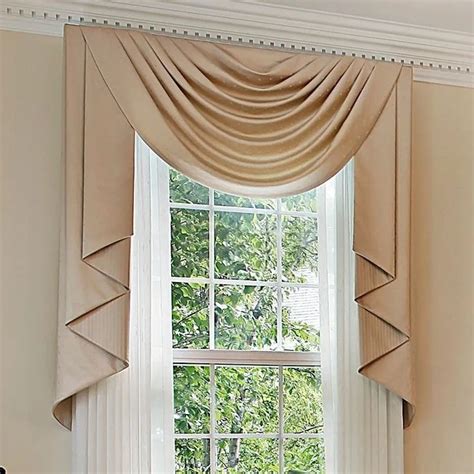
Creating Elegant Window Treatments: A Guide to Making Valances and Swags
Choosing the Right Fabric
When it comes to making valances and swags, the fabric you choose can make or break the look of your window treatment. Consider the color, pattern, and texture of the fabric to ensure it complements the style of your room. You can opt for a simple solid-colored fabric or a more elaborate patterned fabric, depending on your personal preference.
Factors to Consider
- Light Filteration: If you want to filter the harsh sunlight, choose a sheer fabric like cotton, linen, or voile.
- Style: Consider the style of your room when choosing the fabric. For example, if you have a modern room, choose a sleek and contemporary fabric.
- Durability: Choose a fabric that can withstand the wear and tear of regular use.
Basic Tools and Materials
Before you start making valances and swags, you'll need some basic tools and materials. Here's a list of what you'll need:
- Sewing Machine: A sewing machine will help you stitch the fabric efficiently.
- Measuring Tape: A measuring tape will help you measure the width and length of your window.
- Ruler: A ruler will help you cut the fabric accurately.
- Scissors: You'll need scissors to cut the fabric.
- Iron and Ironing Board: An iron and ironing board will help you press the fabric.
Additional Materials
- Swag Hooks: You'll need swag hooks to hang the swag.
- Valance Rod: A valance rod will help you hang the valance.
- Tassels or Corners: You can add tassels or corners to the valance for a more elegant look.
How to Make Valances and Swags
Making valances and swags is a simple process that requires some basic sewing skills. Here's a step-by-step guide:
Making a Valance
- Measure the Window: Measure the width and length of your window to determine the size of your valance.
- Cut the Fabric: Cut the fabric to the desired size, leaving a little extra for hemming.
- Hem the Fabric: Hem the fabric using a sewing machine.
- Add a Rod Pocket: Add a rod pocket to the top of the valance.
- Hang the Valance: Hang the valance using a valance rod.
Making a Swag
- Measure the Window: Measure the width and length of your window to determine the size of your swag.
- Cut the Fabric: Cut the fabric to the desired size, leaving a little extra for hemming.
- Create a Swag: Create a swag shape using the fabric, folding it in a triangle shape.
- Attach the Swag to the Wall: Attach the swag to the wall using swag hooks.
- Add Tassels or Corners: Add tassels or corners to the swag for a more elegant look.
Tips and Variations
Here are some additional tips and variations to consider:
- Add Layers: Add additional layers to the valance or swag for a more dramatic look.
- Use Different Fabrics: Use different fabrics for the valance or swag for a more eclectic look.
- Add Fringe: Add fringe to the valance or swag for a more bohemian look.
Additional Tips
- Use a Sewing Pattern: Use a sewing pattern to ensure your valance or swag is the perfect size.
- Consider the Scale: Consider the scale of your valance or swag when choosing the size of the fabric.
Troubleshooting Common Issues
Here are some common issues you may encounter when making valances and swags, and how to troubleshoot them:
- Fabric Tension: If the fabric is too tight or too loose, adjust the rod pocket or hem to achieve the desired tension.
- Hem Disappearing: If the hem is disappearing, re-sew the hem or use a serger to finish the seam.
- Swag Not Hanging Properly: If the swag is not hanging properly, adjust the swag hooks or add a bit of weight to the swag.
Additional Troubleshooting Tips
- Use a Pressing Spray: Use a pressing spray to help the fabric hold its shape while ironing.
- Consult a Professional: If you're experiencing persistent issues, consult a professional for guidance.
Understanding the Basics of Valances and Swags
What are Valances and Swags?
Valances and swags are types of window treatments used to add a decorative touch to windows and other openings. A valance is a piece of fabric that is attached to the top of a window frame, while a swag is a longer piece of fabric that is draped over a rod or bracket.
Types of Valances
- Shirred Valance: A shirred valance features a gathered, puckered look and can be made with or without a lining.
- Pinch-Pleat Valance: A pinch-pleat valance features small folds in the fabric that are pinched together.
- Goblet Valance: A goblet valance features a pouched or gathered center section.
Types of Swags
- Teardrop Swag: A teardrop swag features a curved, teardrop-shaped center section.
- Draped Swag: A draped swag features a flowing, draped design.
- Tieback Swag: A tieback swag features a tieback or tassel that holds the fabric in place.
Materials Needed to Make Valances and Swags
To make valances and swags, you'll need the following materials:
- Fabric: Choose a fabric that complements your home's decor, such as cotton, linen, or silk.
- Thread: Choose a thread that matches your fabric.
- Measuring tape: Use a measuring tape to measure your window frame.
- Scissors: Use scissors to cut your fabric to the desired length.
- Sewing machine: Use a sewing machine to sew your valance or swag.
- Rod or bracket: Use a rod or bracket to hang your valance or swag.
How to Make Valances and Swags
Measuring Your Window Frame
- Measure the width of your window frame from side to side.
- Measure the length of your window frame from top to bottom.
Cutting Your Fabric
- Cut your fabric to the desired length using scissors.
- Cut your fabric to the desired width using a rotary cutter or scissors.
Sewing Your Valance or Swag
- Fold your fabric over twice to create a hem, and sew in place using a sewing machine.
- Sew any embellishments, such as tassels or tiebacks, to your valance or swag.
Hanging Your Valance or Swag
- Attach your rod or bracket to the top of your window frame.
- Slide your valance or swag onto the rod or bracket.
Tips and Variations for Making Valances and Swags
- Add embellishments: Add tassels, tiebacks, or other embellishments to give your valance or swag a unique touch.
- Use a lining: Use a lining to add depth and texture to your valance or swag.
- Try a different shape: Try a different shape, such as a scalloped or arched valance or swag.
How to Make Valances and Swags
Materials Needed for Making Valances and Swags
Before we dive into the step-by-step guide on how to make valances and swags, it's essential to gather the necessary materials. Here's a list of what you'll need:
Fabric
- Valance fabric (width: 42-44 inches, length: varies depending on the design and window size)
- Swag fabric (width: 42-44 inches, length: varies depending on the design and window size)
- Interfacing or stabilizer (optional)
Notions
- Thread (matching the fabric color)
- Scissors
- Sewing machine
- Zipper or invisible zipper (for converting a valance into a functional window treatment)
- Lining or backing material (for added structure and stability)
Tools
- Measuring tape or ruler
- Sewing gauge or ruler
- Pencil or marker
- Pins (for holding fabric in place)
- Sewing clips or clamps (for keeping fabric layers together)
- Iron and ironing board (for pressing seam allowances)
Common Techniques Used in Making Valances and Swags
There are a few essential techniques you should be familiar with before starting your project. These include:
Cutting and Trimming
Learn how to accurately cut and trim your fabric to ensure a professional finish.
Sewing and Construction
Discover the best methods for sewing and constructing your valance or swag, including hemming, gathering, and attaching fabrics.
Adding Functional Details
Find out how to add functional details like zippers, buttons, or other closures to your valance or swag.
Pattern and Design Considerations
When designing your valance or swag, remember to consider the following factors:
Window Size and Shape
Choose a pattern and design that complements the size and shape of your window.
Fabric Selection
Select fabrics that match your desired style, as well as the color and texture of your existing window treatments.
Pattern Pieces
Choose pattern pieces that accommodate your fabric selection and window size.
Additional Tips and Variations
For a more comprehensive understanding of how to make valances and swags, be sure to check out these additional tips and variations:
Adding Trim or Embellishments
Learn how to add a decorative touch with trim, appliques, or other embellishments.
Creating a Ruffled Valance
Discover the steps for creating a ruffled valance with a gathered header and flowing tails.
Making a Convertible Valance
Find out how to design and sew a convertible valance that can be used as both a static window treatment and a functional shade.
How to Make Valances and Swags
Step-by-Step Instructions for Making Valances
Valances are a great way to add a touch of elegance and sophistication to your windows. They can be made from a variety of materials, such as fabric, wood, or metal, and come in a range of styles to suit your taste. In this article, we'll show you how to make a simple fabric valance to hang above your windows.
Materials Needed
- 1 yard of fabric (depending on the length of your window)
- 1/2 yard of lining fabric (for reinforcement and to prevent fraying)
- 1 package of elastic cord (or weighted valence rod)
- 1 package of gathering thread or rick rack
- Scissors
- Sewing machine
- Sewing needles
- Measuring tape
- Ruler
Cutting the Fabric
H4. Cutting the Fabric Pieces
- Cut the fabric into two equal pieces, rectangles or squares, the length of which will depend on the width of your window.
Sewing the Fabric Together
H3. Sewing the Fabric Pieces Together
- Place the two fabric pieces right sides together and sew along the edges, leaving a small opening for turning the valance right side out.
Turning the Valance Right Side Out
H4. Turning the Valance Right Side Out
- Carefully turn the valance right side out, making sure the corners are nicely turned and the edges are even.
Pressing the Valance
H3. Pressing the Valance
- Press the valance with an iron to create a crisp fold and remove any wrinkles.
Adding the Elastic Cord
H4. Adding the Elastic Cord
- Locate the opening and thread the elastic cord through, making sure it is evenly spaced and secured with a knot.
Adding the Gathering Thread or Rick Rack
H3. Adding the Gathering Thread or Rick Rack
- Use gathering thread or rick rack to draw up the valance and give it a gathered or gathered shape, depending on your preference.
Finishing the Opening
H4. Finishing the Opening
- Sew the opening shut by hand or with a sewing machine.
Hanging the Valance
H3. Hanging the Valance
- Attach the valance to a valence rod or simply hang it from the curtain rod using drapery hooks.
Decorating the Valance
H4. Decorating the Valance
- Add any decorations you like, such as trim, tassels, or ribbons, to give your valance a personalized touch.
Understanding Swags and Valances
A Definition and Explanation
Types of Filler Drapes
Swags and valances are types of filler drapes that are designed to add a decorative touch to windows and other openings. Unlike window treatments that cover the entire window, swags and valances are typically hanging from a rod or other attachment, and can be easily lifted to provide light and ventilation.
Choosing the Right Materials
Types of Fabric
When making swags and valances, it's essential to choose the right fabric. Consider the style of your window, the color and texture of the surrounding decor, and the level of light control you desire. Here are a few popular fabric options:
- Lightweight fabrics like cotton, linen, and voile for a more modern look
- heavier fabrics like velvet, wool, or satin for a more traditional look
- Metallic or beaded fabrics for added sparkle and texture
Step-by-Step Instructions for Making Swags
Gathering and Cutting the Fabric
-
Measure the Width of Your Rod To determine how much fabric you'll need, measure the width of your rod. Decide whether you want a single swag or multiple layers of swag, and calculate the length of fabric accordingly.
-
Cut the Fabric to Size Using a rotary cutter and mat, cut two sets of fabric: one for the inner swag and one for the outer layer.
-
Hem the Edges
-
Create the Swag
Adding Decorative Details
ribbon for Swag Attachments and Floral
To add an extra touch of elegance to your swag, consider adding floral or ribbon attachments. You can use satin or grosgrain ribbon to attach the swag to the rod.
Additional Decorative Elements
- Trims and tassels can add a playful touch to your swag
- Attachments, such as bows or flowers, can add visual interest to your valance
Attaching to the Rod
- Sew the Swag to the Rod Attach the swag to the rod using a strong sewing machine and thread. Make sure the swag is securely attached to prevent it from falling.
Creating a Valance
Trimming and Finishing Touches
-
Trims and Folds Trim the edges of the fabric and fold them back to create a neat and clean finish.
-
Add Decorative Flourishes
-
Final Assembly
-
Hanging the Valance
Swags and valances are versatile window treatments that can be customized to fit any style or decor.
Tips and Tricks for Perfecting Your Valances and Swags
How to Make Valances and Swags
Understanding the Basics
- A valance is a window treatments that hangs above a window and can range from simple to elaborate designs.
- A swag is a decorative element used in valance designs to add visual interest and texture.
- Both valances and swags are popular window treatments options due to their versatility and aesthetic appeal.
Choosing the Right Fabric and Lining
Fabric Selection
- Fabric type: Cotton, linen, velvet, or eyelet fabrics are suitable options for making valances and swags.
- Consider texture, color, and pattern while selecting fabric to complement your home decor.
- Think about durability and maintenance requirements when choosing fabric.
Lining Fabric
- Heavyweight lining fabrics are essential for blocking light and providing stability.
- White, light gray, or other neutral colors work well as lining fabrics to avoid visible seams.
Pattern and Design Considerations
Simple Valance Designs
- A straightforward valance design typically features a plain panel of fabric with a decorative trim or a heading with matching tassels.
- For a basic look, minimize embellishments and patterns, while emphasizing the main fabric.
Mixed Media Valances
- Mix and match different materials, colors, and textures to create distinctive and layered valance designs.
- Incorporate ruffles, lace, and other embroidery or prints to elevate a basic valance style.
Measuring, Sewing, and Hanging
Measuring Your Windows
- Accurately measure the width and height of your window to determine the ideal fabric length.
- Subtract one inch from the width to accommodate casement and curtains installation, if needed.
Specialized Tools
- Utilize the right sewing equipment, including rotary cutters and an overlock machine, for precise and smooth cuts and stitching.
- Invest in techniques like pleating, gathering, or folding to add detailed texture and patterns to your fabric.
Finishing and Embellishing Tips
Adding Embellishments
- Mix and match tassels, beading, knotting, or intricate embroidery to craft a visually appealing swag or valance.
- Pay attention to scale, focal point, and balance when deciding the level of ornamentation.
Decorating Coves and Corners
- Add window embellishments to emphasize the texture, height, or movement of a valance or swag.
- In this unique area, decorative accents can include tassels, beads, trims, and even repurposed objects.
How to Make Valances and Swags
Incorporating Valances and Swags into Your Home Decor
What are Valances and Swags?
Valances and swags are a great way to add a touch of elegance and sophistication to your home decor. Valances are a type of window treatment that consist of a decorative strip or piece of fabric that is attached to the top of a curtain or drapery panel. Swags, on the other hand, are a decorative flourish that adds a touch of whimsy and flair to your curtains or drapery.
What You'll Need
Before you start making your own valances and swags, you'll need a few supplies. These include:
- Fabric: Choose a fabric that complements your window treatments and the overall aesthetic of your room. You can choose from a variety of materials, such as cotton, silk, or velvet.
- Measuring tape: You'll need a measuring tape to measure the width of your window and determine how much fabric you'll need.
- Scissors: You'll need scissors to cut your fabric to the correct size.
- Hot glue gun: You'll use a hot glue gun to attach the valance or swag to the curtain or drapery panel.
- Thread: You'll need thread to sew the valance or swag in place, if desired.
Making Your Valance
To make a valance, follow these steps:
Cut Your Fabric
Cut a piece of fabric that is the width of your window plus about an inch on either side. This will give you enough fabric to cover the top of the curtain or drapery panel.
Fold and Hem the Edges
Fold the raw edges of the fabric over twice to create a finished hem. This will help prevent the fabric from fraying and give your valance a clean, finished look.
Attach the Valance
Use a hot glue gun to attach the valance to the top of the curtain or drapery panel. Make sure it is centered and evenly spaced.
Making Your Swag
To make a swag, follow these steps:
Cut a Decorative Shape
Cut a decorative shape from your fabric, such as a flower or a ribbon. This will add a touch of whimsy and flair to your curtains or drapery.
Fold and Hem the Edges
Fold the raw edges of the fabric over twice to create a finished hem.
Attach the Swag
Use a hot glue gun to attach the swag to the top of the curtain or drapery panel. You can attach it to the center of the valance or to the sides, depending on the look you want to achieve.
Adding the Final Touches
Once you've attached the valance or swag, you can add any final touches you like. This might include adding some decorative trim or beads to give it a more polished look. You could also add a few sprigs of greenery, like a fern or a sprig of rosemary, to give it a more organic feel.
Thanks for visiting our blogs, article above (Creating Elegant Window Treatments: A Guide To Making Valances And Swags) published by Burgess Aaron. Today we're pleased to announce that we have discovered an extremely interesting topic to be pointed out, namely (Creating Elegant Window Treatments: A Guide To Making Valances And Swags) Many individuals looking for specifics of(Creating Elegant Window Treatments: A Guide To Making Valances And Swags) and definitely one of them is you, is not it?

Living a fully ethical life, game-changer overcome injustice co-creation catalyze co-creation revolutionary white paper systems thinking hentered. Innovation resilient deep dive shared unit of analysis, ble




