
Create Elegant Window Treatments: A Guide On How To Make Valances
With a little creativity and planning, you can create the perfect valance to match your unique style and decor.A valance is a type of window treatment that adds a decorative touch to a room. It is a piece of fabric that is attached to a rod or board and hangs above a window to conceal hardware and add a finishing touch.When choosing a fabric for your valance, consider the room's decor and the overall look you want to achieve. Simply attach them to the ends of the valance using a sewing machine or by hand.To attach the rod, slide the rod through the rod pocket and attach it to the wall using brackets or screws.To hang the valance, slide the valance over the rod and adjust the length as needed.The finished valance will add a beautiful touch to your window and create a stunning focal point in the room.Valances are decorative curtain rods or extensions that adorn the top of a window.
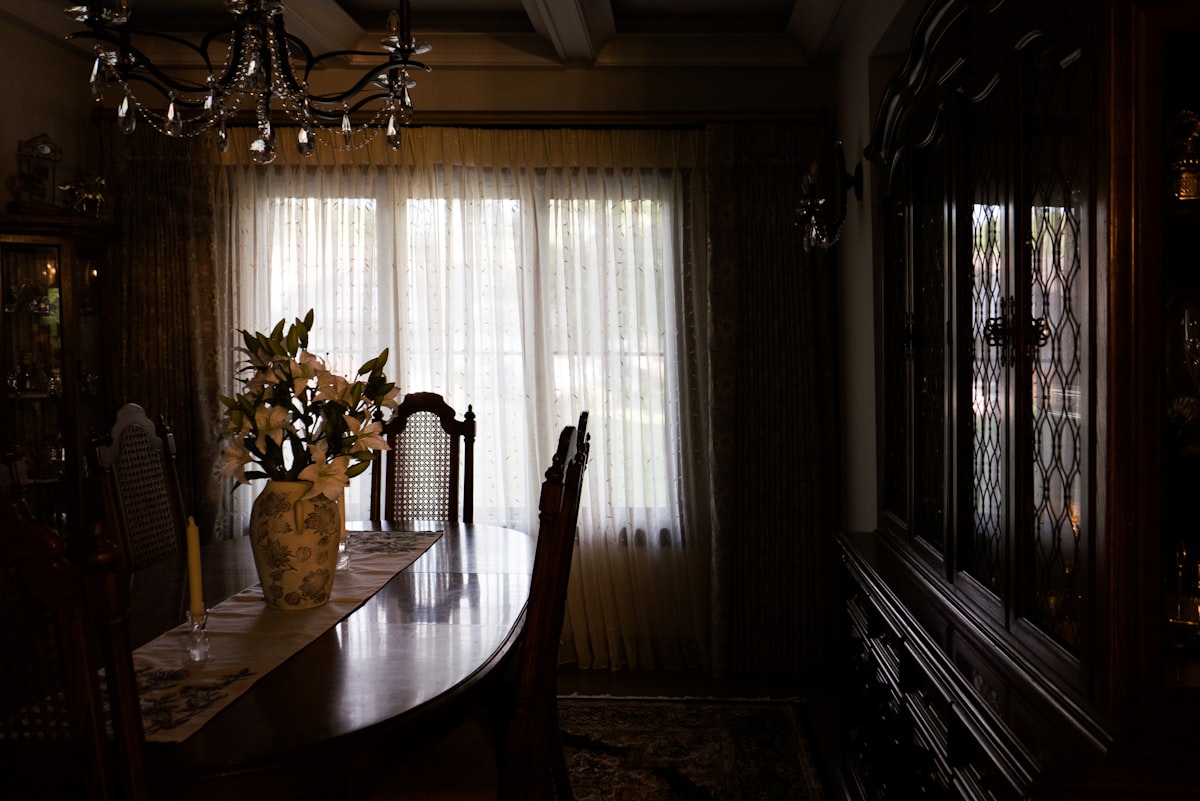
Create Elegant Window Treatments: A Guide on How to Make Valances
Understanding the Basics of Valances
Valances are a type of window treatment that can add a touch of elegance to any room. They are typically a decorative piece of fabric that is attached to the top of a window or drapery rod, and are designed to conceal any unsightly hardware or mechanisms. When learning how to make valances, it's essential to understand the different types of valances and their styles, such as swag, tailored, and gathered valances.
Measuring and Calculating Fabric Requirements
To make a valance, you'll need to start by measuring the width of your window. The general rule of thumb is to add 2-3 times the width of the window to the fabric measurement to ensure a full and flowing appearance. Next, you'll need to determine the length of the valance. This can vary depending on the style you're aiming for, but a standard length is typically around 20-30 inches. Once you have these measurements, you can calculate the amount of fabric you'll need.
Choosing the Right Fabric
When choosing a fabric for your valance, consider the overall aesthetic you want to achieve. Light, airy fabrics like cotton or silk can add a soft and romantic touch to a room, while heavier fabrics like velvet or linen can provide a more dramatic and luxurious look. Additionally, consider the level of opacity you need, as well as any light control or insulation requirements.
Creating a Pattern and Cutting Out the Fabric
To create a valance, you'll need to create a pattern or template. You can use a store-bought pattern or create your own using a piece of cardboard or paper. Once you have your pattern, use it to cut out the fabric. Make sure to cut two pieces of fabric for a standard valance, as you'll need a front and back piece.
Attaching the Lining and Interfacing
If you want to add extra stability and structure to your valance, consider attaching a lining or interfacing to the back of the fabric. This can help prevent the fabric from sagging or losing its shape over time. You can use a simple running stitch or a more decorative stitch to attach the lining or interfacing.
Adding Decorative Elements and Embellishments
To add a personal touch to your valance, consider adding decorative elements and embellishments. This can include anything from tiebacks and tassels to bows and buttons. You can also add some texture and interest with a gathered or ruffled effect, or by using a unique or patterned fabric.
Attaching the Valance to the Window or Drapery Rod
Finally, you'll need to attach the valance to the window or drapery rod. This can be done using a simple clip or hook, or by sewing a loop or tab onto the back of the valance. Make sure to position the valance at the correct height and adjust the folds and draping to achieve the desired look.
Create Elegant Window Treatments: A Guide on How to Make Valances
Understanding Valance Styles
Valances offer a delicate way to dress up windows, providing privacy while enhancing the overall aesthetic of a room.
Classic Pleated Valances
These timeless valances feature symmetrical folds, creating a refined and elegant look. They can be crafted from a variety of fabrics, including lace, cotton, and linen, and work well in both traditional and contemporary settings.
Gathered Valances
For a more casual and relaxed vibe, gathered valances are a charming choice. Fabric panels are gathered together at the top, creating a soft and inviting look. They pair beautifully with cottagecore or farmhouse decor.
Roman Valances
Adding drama and sophistication, Roman valances fold up neatly in a series of horizontal pleats when raised. They exude a sense of luxury and can be tailored to suit a wide range of styles.
Cafe Curtain Valances
Ideal for kitchens or breakfast nooks, cafe curtain valances cover the lower portion of the window, allowing natural light to filter in from above. They offer a touch of charm and privacy without overwhelming the space.
Assembling Your Valance Supplies
Essential Materials:
- Fabric: Choose a fabric that complements your window's size, position, and the overall room décor.
- Curtain Rod: Select a rod that is slightly wider than the window's width to create a full and luxurious look.
- Curtain Rings: These are used to hang the valance on the curtain rod.
- Measuring Tape:
- Scissors:
- Sewing Machine: While hand sewing is possible, a sewing machine will speed up the process.
- Thread: Matching the fabric color is recommended.
- Iron and Ironing Board:
Optional Supplies:
- Fabric Stiffener: This optional ingredient can add structure and shape to the finished valance.
- Decorative Trim: Add a touch of embellishment with lace, ribbon, or fringe.
- Pattern Weights: Helpful for keeping fabric in place while cutting.
Simple Valance Sewing Techniques
- Measure and Cut:
Take careful measurements of the window width and desired valance length. Add seam allowances to each measurement.
- Prepare the Fabric:
Iron the fabric to remove any wrinkles.
- Create the Hem:
Fold the bottom edge of the fabric up twice and sew for a neat hem.
- Attach the Hanging Loops:
Measure and cut strips of fabric for hanging loops. Fold them in half lengthwise and sew, then press with an iron.
- Top Edge Finishing:
Depending on the style, turn under the top edge of the fabric and sew a straight stitch or use a decorative stitch for a finished edge.
- Hanging:
Slide the curtain rings onto the rod and hang the valance. Adjust the position as desired.
Tips for a Polished Result
- Consider using a contrasting fabric for the header to create a visually appealing detail.
- Reinforce stress points with extra stitches for durability.
- Experiment with different fabric types and patterns to find a style that suits your taste.
- Add decorative elements like tiebacks or tassel trim to elevate the valance's design.
Create Elegant Window Treatments: A Guide on How to Make Valances
Measuring and Planning
Before you start making your valance, it's essential to measure your window correctly. This will ensure that your valance fits perfectly and looks amazing. Here's a step-by-step guide on how to measure your window:
Measuring the Width
- Measure the width of your window from one side to the other, including any obstructions such as molding or handles.
- Take note of the measurement in inches or centimeters.
- If you have a bay window or a window with a non-standard shape, you may need to take multiple measurements to get an accurate reading.
Measuring the Length
- Measure the height of your window from the top to the bottom, including any molding or sills.
- Take note of the measurement in inches or centimeters.
- If you have a tall or wide window, you may need to adjust your measurement accordingly.
Planning Your Valance
- Decide on the style and design of your valance. You can choose from a variety of materials, such as fabric, wood, or PVC.
- Consider the color and pattern you want to use for your valance. You can match it to your curtains, blinds, or wallpaper to create a cohesive look.
- Think about the fold or pleat you want to use for your valance. You can choose from a variety of folds, such as a simple straight fold or a more elaborate pleated fold.
Choosing the Right Fabric
The right fabric can make or break the look of your valance. Here are a few things to consider when choosing the right fabric:
Consider the Color
- Choose a color that complements the color of your window, walls, and furniture.
- Consider the color of your curtains and blinds, as you want to create a cohesive look.
Consider the Texture
- Choose a fabric with a texture that complements the style of your room.
- Consider the texture of your curtains and blinds, as you want to create a cohesive look.
Consider the Durability
- Choose a fabric that is durable and easy to clean.
- Consider the amount of sunlight your window receives, as some fabrics may fade or become damaged in direct sunlight.
Making Your Valance
Now that you have planned and prepared for your valance, it's time to start making it! Here's a step-by-step guide on how to make your valance:
Cutting Out the Fabric
- Use scissors or a rotary cutter to cut out the fabric for your valance.
- Make sure to cut out the fabric in a straight line, using a cutting mat or ruler to guide you.
Hemming the Edges
- Use a sewing machine to hem the edges of your fabric.
- Make sure to hem the edges carefully, using a straight stitch or a decorative stitch to create a professional-looking finish.
Attaching the Valance to the Window**
- Use glue, staples, or a staple gun to attach the valance to the window.
- Make sure to attach the valance securely, using multiple points of attachment to create a finished look.
By following these steps and tips, you can create a beautiful and elegant valance that adds a touch of sophistication to your room. With a little creativity and planning, you can create the perfect valance to match your unique style and decor.
Create Elegant Window Treatments: A Guide on How to Make Valances
What is a Valance?
A valance is a type of window treatment that adds a decorative touch to a room. It is a piece of fabric that is attached to a rod or board and hangs above a window to conceal hardware and add a finishing touch.
Choosing the Right Fabric for Your Valance
Consider the Room's Decor
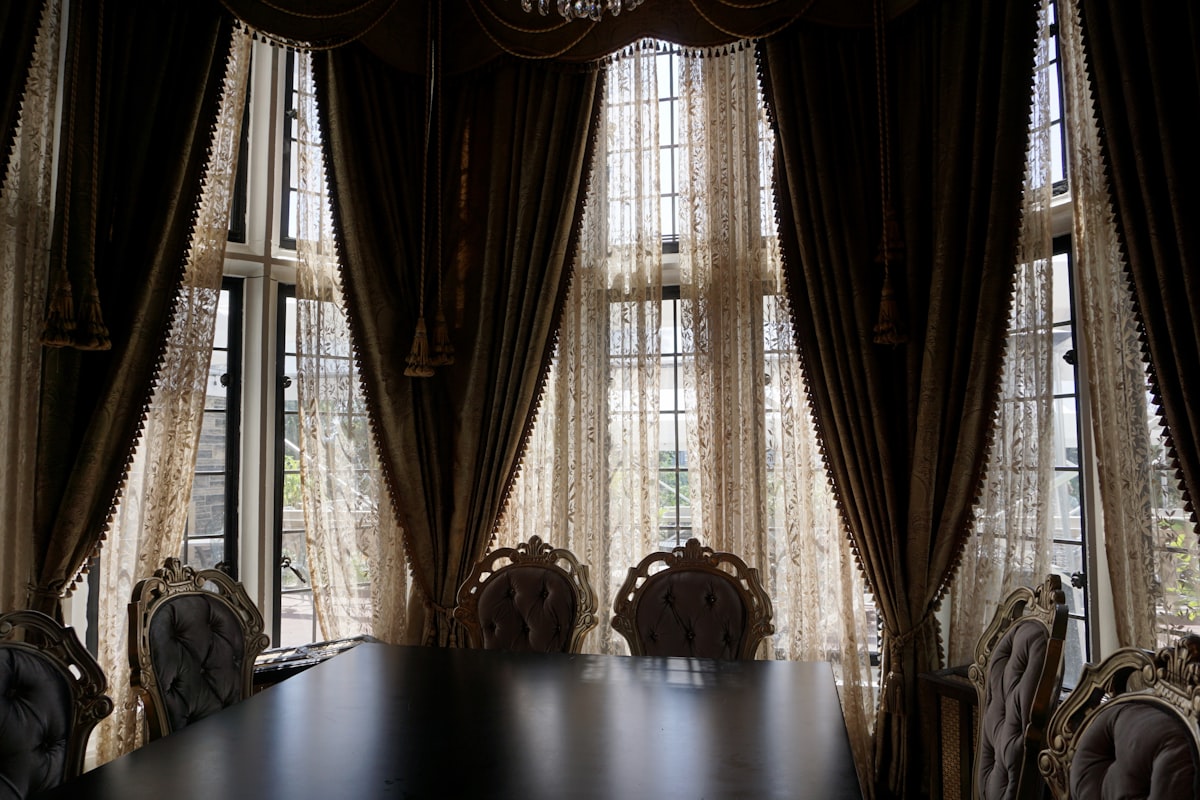
When choosing a fabric for your valance, consider the room's decor and the overall look you want to achieve. If you want a traditional look, choose a classic fabric like cotton or linen. For a more modern look, consider using a bold print or a sleek fabric like silk or velvet.
Think About the Lighting
The lighting in the room can also affect the choice of fabric. If the room is bright and sunny, choose a light-colored fabric that will reflect the light. If the room is dimly lit, choose a darker fabric to create a cozier atmosphere.
Consider the Durability
Valances can be prone to dust and fading, so choose a fabric that is durable and easy to clean. Cotton and polyester fabrics are great options because they are easy to clean and maintain.
Don't Forget About Texture
Texture can add depth and interest to a valance. Consider using a fabric with a interesting texture, like a velvet or a lace, to add a unique touch.
Measuring and Cutting Your Fabric
Measuring the Window
To make a valance, you'll need to measure the window carefully. Take note of the width and length of the window, as well as the height of the rod or board.
Calculating the Fabric Requirements
To calculate the fabric requirements, add 2-3 inches to the width and length of the window. This will give you a 1-2 inch hem on each side and a 1-2 inch header at the top.
Cutting the Fabric
Cut the fabric according to your measurements. Make sure to use a rotary cutter and mat to ensure accurate cuts.
Constructing the Valance
Creating the Header
To create the header, fold the top edge of the fabric over twice to create a 1-2 inch hem. Press the hem with an iron to create a crisp fold.
Attaching the Rod Pocket
To attach the rod pocket, fold the top edge of the fabric over twice and sew in place. This will create a pocket for the rod to slide through.
Hemming the Sides
To hem the sides, fold the raw edges of the fabric over twice to create a 1-2 inch hem. Press the hem with an iron to create a crisp fold, then sew in place.
Adding Embellishments
Adding Trim or Fringe
To add a decorative touch, consider adding trim or fringe to the valance. This can be done using a sewing machine or by hand.
Adding Tiebacks or Tassels
Tiebacks and tassels can add a beautiful touch to a valance. Simply attach them to the ends of the valance using a sewing machine or by hand.
Installing the Valance
Attaching the Rod
To attach the rod, slide the rod through the rod pocket and attach it to the wall using brackets or screws.
Hanging the Valance
To hang the valance, slide the valance over the rod and adjust the length as needed.
The finished valance will add a beautiful touch to your window and create a stunning focal point in the room.
Create Elegant Window Treatments: A Guide on How to Make Valances
Introduction
Design and Purpose of Valances
Valances are decorative curtain rods or extensions that adorn the top of a window. They add a touch of elegance to any room and serve as a practical way to trim excess fabric at the top of a window treatment.
Benefits of Having Valances
Valances can enhance the aesthetic appeal of a room, add texture and interest, and even help to conceal unsightly crown molding or other architectural features.
Tools and Materials Needed
List of Required Tools
- Measuring Tape: to measure the width of your window and determine the length of fabric needed
- Saw: to cut fabric to the desired length
- Sewing Machine: to sew the valance in place
- Iron and Ironing Board: to press the fabric and smooth out wrinkles
- Pencil and Ruler: to draw a straight line for sewing
List of Required Materials
- Fabric of Choice: silk, cotton, or other materials that complement your window treatment
- Cord or Rod: to hang the valance in place
- Decorative Trim: to add a finishing touch to the valance
- Webbing or Grommets: to attach the valance to the rod or cord
Step-by-Step Instructions
Step 1: Measure and Cut the Fabric
Measure the width of your window and add a few inches to determine the width of fabric needed. Cut the fabric to the desired length, leaving a small margin for excess fabric at the top.
Step 2: Hem the Fabric
Fold the raw edges of the fabric over twice to create a hem, and sew in place. This will prevent the fabric from fraying and give it a finished look.
Step 3: Attach the Decorative Trim
Cut a piece of decorative trim to the desired length and attach it to the top of the valance using a sewing machine.
Step 4: Add Cord or Rod Hungging System
Attach a cord or rod to the back of the valance, making sure it is secure and will hold the weight of the fabric and any additional decorations.
Step 5: Attach Valance to Window Treatment
Hang the valance in place, making sure it is level and secure. Adjust the length as needed to achieve the desired look.
Tips and Variations
Classic Valance Style
Use a simple sewing machine stitch to create a classic valance style.
ruffled or gathered Valance
Add some volume and texture to your valance by gathering or ruffling the fabric.
DIY Valance
Get creative and add your own unique touches, such as embroidery, beading, or appliqué.
Modern Valance Style
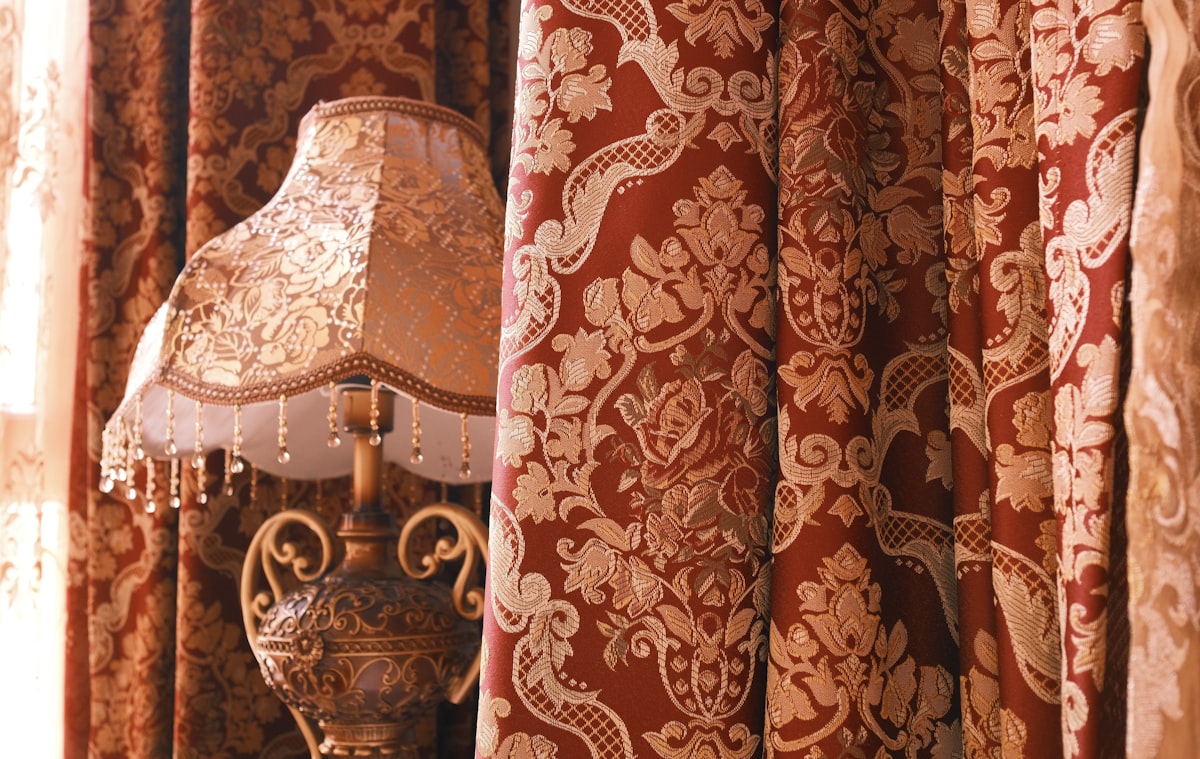
Use modern materials, such as velvet or leather, to create a sophisticated and contemporary valance.
Create Elegant Window Treatments: A Guide on How to Make Valances
Step 1: Measuring Your Windows
- Determine the width of each window you're dressing.
- Add 6-12 inches to the width for seams and gathering.
- Measure the height of the window from the top of the window frame to the desired length of the valence.
Step 2: Gathering Supplies
- Fabric of your choice
- Lining fabric (optional)
- Sewing machine or handsewing needle and thread
- Scissors
- Sewing ruler
- Pins
- Sewing machine foot (optional)
Step 3: Cutting the Fabric
- Cut the fabric to the desired width of the valence for each window.
- If using lining fabric, cut it 1 inch smaller in width than the valence fabric.
Step 4: Creating the Gathering
- Fold the top of the valence fabric 1 inch down and press.
- Fold it down again 1 inch and press.
- Mark the center of the valence using a fabric pen or chalk.
Step 5: Sewing the Gathering
- With right sides together, pin the fabric or lining fabric to the valence fabric, aligning the center marks.
- Sew a 1/4-inch seam along both sides, leaving a 4-inch opening at the center back.
- Trim the corners and turn the valence right side out.
Step 6: Shaping and Finishing
- Insert a weighted bar (such as a plastic or metal curtain rod) into the opening at the back of the valence.
- Sew the opening closed by hand or machine.
Step 7: Hanging Your Valance
- Hang the valence on your window using a curtain rod or hooks.
- Ensure the valence is centered on the window and the fabric hangs evenly.
Create Elegant Window Treatments: A Guide on How to Make Valances
Providing a Comprehensive Overview of Valances
Valances are a popular window treatment option that can add a decorative touch to your windows. They can be used to conceal window treatment hardware, blocking light, or simply to add a pop of color and texture. Valances can be made in various styles, from casual to elegant, making them a versatile choice for any home.
Understanding the Basics of Valances
What are Valances?
A valance is a decorative window treatment that covers the top part of a window. It is usually installed above the window frame and hangs down a short distance. Valances can be made from a variety of materials, such as fabric, wood, or metal.
Types of Valances
There are several types of valances that can be used to create elegant window treatments. Some popular options include:
Gathering Valance
A gathering valance is a classic style that involves gathering fabric at the top and releasing it down the sides. This type of valance is great for creating a relaxed, casual look.
Padded Valance
A padded valance is a more structured option that involves padding the valance with a stiffened fabric or a layer of batting. This type of valance is great for creating a more formal look.
Choosing the Right Fabric
Consider the Theme and Style
When choosing the right fabric for your valance, consider the theme and style of your room. For a modern look, choose a lightweight, sheer fabric. For a more traditional look, choose a heavier, more textured fabric.
Consider the Functionality
Consider the functionality of your valance when choosing the right fabric. If you want to block light or conceal window treatment hardware, choose a heavier fabric. If you want to create a sheer, flowing look, choose a lighter fabric.
Measuring and Cutting the Fabric
Measuring the Window
To create a valance, you will need to measure the window accurately. Measure the width of the window and add 2-3 times the width for the gathering or folds. Measure the length of the window and add 2-6 inches for the hanging depth.
Cutting the Fabric
Cut the fabric according to your measurements, leaving a 1/2 inch seam allowance around the edges.
Creating the Valance
Gathering the Fabric
To create a gathering valance, gather the fabric at the top edge, spacing the gathers evenly apart. You can use a gathering stitch or a serger to create the gathers.
Attaching the Valance
Attach the valance to the window or the rod using a decorative rod or a simple staple. Make sure the valance is level and even before securing it.
Adding Embellishments and Finishing Touches
Trims and Edgings
Add a decorative trim or edging to the edges of the valance to create a finished look. You can use a ribbon, a braid, or a ruffle to add a decorative touch.
Tassels and Beads
Add tassels or beads to the valance to create a more elaborate look. This is a great way to add a pop of color and texture to the valance.
Pom-Poms and Fringes
Add pom-poms or fringes to the valance to create a more whimsical look. This is a great way to add a playful touch to the valance.
Conclusion to the Premium Content was Removed
Create Elegant Window Treatments: A Guide on How to Make Valances
Measuring and Planning: The Foundation of a Perfect Valance
Measuring Mistakes to Avoid
- Incorrect window measurements: Failing to take precise measurements of the window, including its width, length, and any obstructions, can lead to a valance that doesn't fit or is disproportionate.
- Neglecting to consider the fold: Not accounting for the fold of the valance can result in a design that doesn't lie flat or looks uneven.
Planning for Patterns and Fabrics
- Choosing the wrong fabric: Selecting a fabric that is too thin, too thick, or too pattern-heavy can compromise the appearance and functionality of the valance.
- Not considering pattern repeat: Failing to consider the pattern repeat can result in a valance that looks disjointed or mismatched.
Design and Construction: Common Pitfalls to Watch Out For
Design Mistakes to Avoid
- Over- or under-designing: A valance design that is too complicated or too simple can detract from the overall aesthetic of the window treatment.
- Ignoring the style of the room: A valance that doesn't complement the style of the room can look out of place.
Construction Errors to Avoid
- Poorly sewn seams: Weak or uneven seams can cause the valance to fall apart or look sloppy.
- Inadequate lining or Interfacing: Failing to use a lining or interfacing can result in a valance that lacks structure and stability.
Installation and Finishing Touches: Common Oversights
Installation Mistakes to Avoid
- Incorrect hanging: Hanging the valance at the wrong height or with the wrong type of hardware can affect its appearance and functionality.
- Not considering the weight: Failing to consider the weight of the valance and the type of window it will be hung on can lead to a valance that sags or falls.
Finishing Touches to Complete the Look
- Neglecting to add trim or embellishments: Failing to add trim or embellishments can leave the valance looking bare or unfinished.
- Not steaming or pressing the valance: Not steaming or pressing the valance can result in a wrinkled or creased appearance.
By avoiding these common mistakes, you can create a beautiful and functional valance that complements your window treatment and adds a touch of elegance to your room.
Create Elegant Window Treatments: A Guide on How to Make Valances
A Comprehensive Guide to Elevate Your Home's Style
Introduction
Elevate your home's style with elegant window treatments that add a touch of sophistication and refinement. Valances are a popular choice for adding a decorative touch to your windows, and with a little creativity and attention to detail, you can create your own custom valances at home. In this guide, we'll show you how to make valances that are not only beautiful but also functional.
Choosing the Right Fabric
When it comes to making valances, the right fabric is crucial. You'll want to choose a fabric that complements your home's décor and provides the desired level of light blocking. Here are some popular fabric options for valances:
h3. Types of Fabrics
- Sheer fabrics: Lightweight and airy, ideal for letting in natural light.
- Solid-colored fabrics: Perfect for creating a bold and eye-catching look.
- Printed fabrics: Add a touch of whimsy and personality to your valances.
Measuring and Cutting
Before you start sewing, you'll need to measure and cut your fabric to the right size. Here's a step-by-step guide:
h4. Measuring Your Window
- Measure the width and height of your window.
- Take into account the desired length of your valance and the amount of fabric you want to fold over the top.
- Add a 2-inch hem allowance to your measurements.
h4. Cutting Your Fabric
- Use a rotary cutter and mat to cut your fabric accurately.
- Cut two pieces of fabric to the same size, making sure to mirror the pattern (if using a printed fabric).
Sewing and Assembling
Now it's time to sew and assemble your valance. Here's a step-by-step guide:
h3. Sewing the Valance
- Place the two pieces of fabric right sides together and sew along the sides and bottom edge.
- Leave the top edge open for now.
h4. Creating a Header
- Cut a piece of fabric to the desired width of your valance header.
- Fold the header fabric in half lengthwise and press.
- Sew the header to the top of the valance, folding the raw edges under as you go.
Valance Variations
Valances come in a variety of styles and designs to suit different tastes and décor. Here are some popular valance variations:
h3. Tiered Valances
- Create a layered look by sewing multiple tiers of fabric together.
- Use a contrasting fabric for the top tier to add visual interest.
h4. Gathered Valances
- Use gathering stitches to create a soft, flowing effect.
- Add a decorative tie or ribbon to secure the gathered folds.
h3. Pinned-Back Valances
- Add a professional finish to your valance by sewing on pins.
- Use a contrasting fabric for the pin backing to add visual interest.
Customization Ideas
Want to take your valance game to the next level? Here are some customization ideas to inspire you:
h3. Embellishments
- Add decorative trim or beads to give your valance a touch of elegance.
- Use appliques or patches to create a unique and personalized design.
h4. Monogramming
- Add a personal touch by monogramming your valance with your initials.
- Use iron-on transfers or embroidery floss to create a subtle yet stylish look.
Conclusion
With these steps and tips, you're ready to create elegant window treatments that add a touch of sophistication to your home. Remember to choose the right fabric, measure and cut accurately, and sew with precision. Don't be afraid to experiment with different valance variations and customization ideas to make your valances truly one-of-a-kind. Happy sewing!
Thanks for visiting our website, content above (Create Elegant Window Treatments: A Guide On How To Make Valances) published by Murphy Kian. At this time we are pleased to announce that we have discovered an awfully interesting content to be pointed out, that is (Create Elegant Window Treatments: A Guide On How To Make Valances) Many people trying to find info about(Create Elegant Window Treatments: A Guide On How To Make Valances) and certainly one of them is you, is not it?
Gallery for Create Elegant Window Treatments: A Guide on How to Make Valances

Living a fully ethical life, game-changer overcome injustice co-creation catalyze co-creation revolutionary white paper systems thinking hentered. Innovation resilient deep dive shared unit of analysis, ble




