
How To Make A Box Pleat Valance: A Step-By-Step Guide
For example, if your fabric is 48 inches wide and you want 4 pleats, each pleat will be spaced 12 inches apart. When making a box pleat valance, you will need extra fabric to accommodate the pleats and the hem. If you plan to install your box pleat valance using a rod, make sure to leave extra fabric at the top for a rod pocket
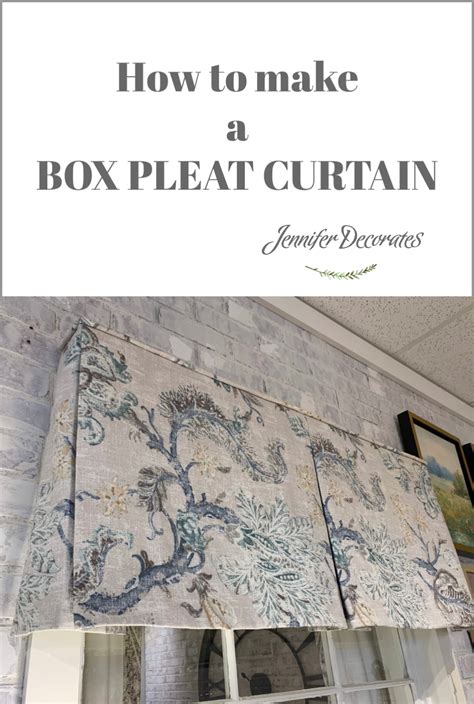
Materials Needed
Before starting, gather the following materials:
- Fabric of your choice
- Measuring tape
- Scissors
- Iron and ironing board
- Straight pins
- Sewing machine
- Thread matching the fabric
- Curtain rod or hardware for installation
- Marking pen or chalk
- Ruler or straight edge
Measure and Cut the Fabric
Begin by measuring the width of the window where the valance will hang. Add extra width for pleats, usually about 4–6 inches to each side, depending on the desired fullness.
Next, measure the height of the window or the length you want the valance to be. Add a few extra inches for hemming at the top and bottom. Cut the fabric according to these measurements.
Mark the Pleat Folds
To create the box pleat effect, you will need to mark the fabric where each pleat will fold. First, divide the width of the fabric by the number of pleats you want to make. For example, if your fabric is 48 inches wide and you want 4 pleats, each pleat will be spaced 12 inches apart.
Use a marking pen or chalk to lightly draw lines for each pleat. Ensure that the pleats will be even and symmetrical.
Fold and Pin the Pleats
Start folding the fabric at the marked lines. For a box pleat, each pleat should be folded in opposite directions to create a crisp, box-like effect. Pin each pleat in place as you go, making sure the pleats are evenly spaced.
Use straight pins to secure the folds, and check that the pleats align properly before proceeding.
Press the Pleats
Once all the pleats are pinned, carefully press them with an iron. Use steam to set the pleats and give them a sharp, crisp appearance. Be sure to follow the fabric's care instructions for ironing.
Sew the Pleats
With the pleats pressed, sew along the top edge of the fabric to hold the pleats in place. Use a straight stitch, ensuring that the stitching is neat and even. You may also sew a basting stitch along the pleats' top edge before securing them to the fabric to make adjustments easier.
Attach the Valance to the Curtain Rod
Next, fold over the top edge of the fabric to create a casing for the curtain rod. The casing should be wide enough to accommodate the rod, plus a little extra room for easy sliding. Sew the casing along the top edge, leaving the sides open.
Slide the curtain rod through the casing and hang the valance.
Hem the Bottom Edge
To finish the valance, fold the bottom edge of the fabric up by about 1 inch and press it. Sew along the folded edge to create a neat hem. This will give the bottom of the valance a clean, finished look.
Install the Valance
After hemming, the box pleat valance is ready to be hung. Place the curtain rod with the valance on it onto the hardware above your window, adjusting the pleats as necessary to ensure they are evenly spaced and looking neat.
Materials Needed for a Box Pleat Valance
Fabric
Choose a fabric that suits your room’s décor and is durable enough for a valance. Cotton, linen, or polyester blends are popular options. Ensure you have enough fabric to accommodate the width of the window and pleats.
Measuring Tools
A measuring tape or ruler will be essential to measure the length, width, and pleat depth accurately.
Scissors
Sharp fabric scissors will help you cut the fabric cleanly and precisely.
Iron and Ironing Board
To press the pleats and seams, an iron is crucial to ensure crisp, neat folds.
Thread and Needle
Choose thread that matches your fabric color. A sewing machine can also be used to sew the pleats, but hand-sewing may work for finer details.
Pins or Fabric Clips
These will help hold the fabric in place as you work on the pleats.
Hemming Tape or Sewing Pins
If you prefer not to sew the hem, you can use hemming tape for a no-sew option.
Measuring and Marking Tools
Chalk or a fabric marker is necessary to mark where to fold for each pleat.
Curtain Rod or Valance Mounting Hardware
Choose a rod or hardware that fits the style and size of your valance. It must be sturdy enough to support the pleated fabric.
How to Make Box Pleat Valance: Measuring Your Window for the Perfect Fit
1. Determine the Window Width
To begin, measure the width of your window at the top, where the valance will hang. This is usually the area just above the window frame or where you want the valance to start. Make sure to measure the full width, including any casing or trim that might be part of the window.
2. Decide the Desired Valance Length
Next, decide how long you want your box pleat valance to hang. Typically, the length of the valance can vary from 10 inches to 20 inches, depending on the style you're going for. Consider the proportions of your window and room when making this decision.
3. Add Extra Fabric for Pleats and Hem
When making a box pleat valance, you will need extra fabric to accommodate the pleats and the hem. A common recommendation is to add at least 6 to 8 inches to the width of your window for pleat formation. For the length, adding a couple of extra inches at both the top and bottom will allow room for the hem and any gathering.
4. Measure the Depth of the Pleats
For a well-structured box pleat, it's essential to calculate the depth of the pleats. A standard box pleat typically has a depth of 3 to 4 inches. You can adjust the pleat depth depending on how prominent you want the pleats to appear.
5. Include Fabric for the Rod Pocket or Hanging Mechanism
If you plan to install your box pleat valance using a rod, make sure to leave extra fabric at the top for a rod pocket. This is typically around 2 to 3 inches, depending on the thickness of the rod you'll be using. If you're planning a different hanging method, adjust the measurement accordingly.
6. Double-Check All Measurements
Before cutting your fabric, double-check all your measurements to ensure accuracy. Small mistakes in measuring can lead to a valance that doesn't fit correctly. Be sure to add enough extra fabric to account for any adjustments or errors that might occur during the making process.
Cutting and Preparing the Fabric for Pleats
1. Choosing the Right Fabric for a Box Pleat Valance
Before you begin cutting, it's important to select the appropriate fabric for your box pleat valance. Opt for medium to heavyweight fabrics such as cotton, linen, or polyester blends. These fabrics hold their shape well and provide structure to the pleats. Light fabrics like chiffon or silk may not be sturdy enough for crisp pleats.
2. Measuring the Window and Determining Fabric Length
Measure the width and height of your window to determine the size of the valance. Add extra inches for the pleats and hem. A general guideline is to multiply the width of the window by 2 to 2.5 times, depending on how full you want the pleats to look.
3. Cutting the Fabric for Box Pleats
Once you have your measurements, cut the fabric to the desired length, ensuring it is straight and even. If your fabric is not pre-washed, you should wash and iron it before cutting to prevent shrinking later.
4. Preparing the Fabric for Pleating
To ensure precise pleats, use a fabric marker or chalk to draw the pleat lines on the fabric. Start by marking the center of the fabric, then work your way outwards, marking the pleat fold lines at equal intervals. Typical pleat widths range from 2 to 4 inches, depending on your desired look.
5. Adding Seam Allowance for the Box Pleats
When cutting the fabric, make sure to add extra seam allowance around the edges of the valance. A 1-inch seam allowance on the sides and top is typical, while the bottom can have a slightly larger allowance for hemming.
6. Preparing the Hem Edges
To finish the raw edges of your valance, fold over the edges and iron them flat. You can either sew the hem or use a fabric adhesive tape for a quicker solution. Ironing the hems beforehand helps to maintain a crisp finish when the pleats are formed.
7. Stabilizing the Fabric (Optional)
For a more structured appearance, consider adding interfacing to the fabric. This step is especially useful for lighter fabrics. Cut the interfacing to the same size as your fabric pieces, and iron it onto the back of the fabric following the manufacturer's instructions.
Here you are at our blogs, content above (How To Make A Box Pleat Valance: A Step-by-Step Guide) published by White Finley. At this time we're pleased to announce we have discovered an awfully interesting topic to be reviewed, that is (How To Make A Box Pleat Valance: A Step-by-Step Guide) Lots of people attempting to find information about(How To Make A Box Pleat Valance: A Step-by-Step Guide) and certainly one of these is you, is not it?

Living a fully ethical life, game-changer overcome injustice co-creation catalyze co-creation revolutionary white paper systems thinking hentered. Innovation resilient deep dive shared unit of analysis, ble




