
How To Make A Padded Valance
Choosing the right fabric for a padded valance can be overwhelming, as it depends on various factors such as the desired appearance, durability, and level of maintenance. In this article, we will guide you through the process of making your own padded valance, providing you with a step-by-step tutorial and expert tips. Consider adding: To create a padded layer, you will need: With your valance complete, it's time to install it on your window
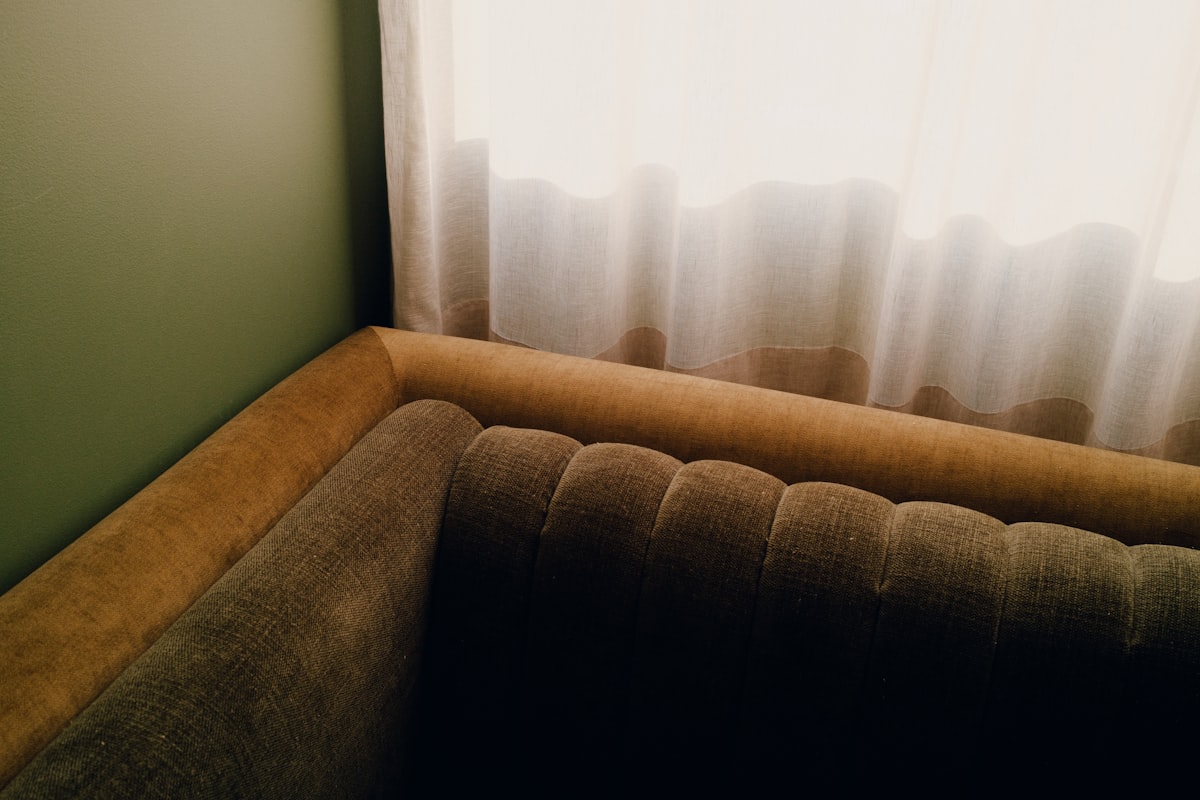
How to Make a Padded Valance #how to make a padded valance
Choosing the Fabric
Select a sturdy fabric that can hold its shape and provide the necessary structure for the valance. Cotton or linen are good choices, as they are durable and easy to work with. Avoid thin or lightweight fabrics, as they may not hold up well over time.
Measuring the Window
Measure the width of the window where you plan to install the valance. Make sure to take into account any obstructions, such as molding or trim, that may affect the fit. Record the measurements so you can refer to them later.
Cutting the Fabric
Cut two pieces of fabric to the desired length and width, leaving a 1-inch margin around the edges for sewing. If you want a more elaborate design, you can cut multiple pieces and sew them together before proceeding.
Creating the Padded Layer
Cut a piece of batting or interfacing to the same size as the fabric pieces. This will provide the padding for the valance and give it a more substantial appearance.
Assembling the Valance
Place the two fabric pieces right sides together and sew along the edges, leaving a small opening for turning the valance right side out. Insert the batting or interfacing between the fabric layers and press the seams flat.
Turning the Valance Right Side Out
Carefully turn the valance right side out through the small opening. Use a blunt object, such as a chopstick or pencil, to push out the corners and ensure they are crisp and sharp.
Pressing the Valance
Press the entire valance to remove any wrinkles and creases. Make sure the seams are flat and the corners are well-defined.
Topstitching the Valance
Topstitch the valance along the edges to reinforce the seams and give it a finished appearance. Use a contrasting thread color to make the stitching visible, or match the thread to the fabric for a more subtle look.
Attaching the Valance
Attach the valance to the window using a sturdy rod or bracket. Make sure the valance is level and evenly spaced before securing it in place.
Adding Decorative Elements
Optional: Add decorative elements, such as ribbons or tassels, to the valance for added flair. You can also use different fabrics or embellishments to create a unique and personalized design.
Materials Needed
- 1 1/2 yard piece of fabric (nylon or cotton) for the main fabric
- 1/2 yard piece of fabric for the lining
- 2 identical panels for the side panels
- 1 panel for the back panel
- 1 piece of ribbon or webbing for the tie
- Sewing machine
- Thread (to match the fabric)
- Measuring tape
- Ruler
- Pencil
- Sewing scissors
- Pins
- Iron
The Main Steps
How to Choose the Right Fabric
Choosing the right fabric for a padded valance can be overwhelming, as it depends on various factors such as the desired appearance, durability, and level of maintenance. I recommend using a mix of textures and colors to create visual interest.
Designing the Pattern
The pattern for a padded valance typically includes a rectangular shape with two side panels, a back panel, and a tie.
Cutting Out the Fabric
Cut a rectangular piece of fabric with the desired size for the main panel. You can also add a 1/2 inch hem allowance around the edges for stability.
Sewing the Corner Seam
The corner seam of a padded valance can be rough, which can be challenging to sew. To make it easier, use a blind hem stitch.
Creating the Lining
Fold the lining fabric in half, along the center crease, and add a 1/4 inch hem allowance. Sew the lining to the main panel from the center crease to the hem allowance, using a blind hem stitch.
Sewing the Side Panels and Back Panel
Sew the two side panels using a 1/4 inch hem allowance and a blind hem stitch. Sew the back panel to the top edge of the main panel using a 1/4 inch hem allowance and a blind hem stitch.
Adding the Tie
To create a tie that can be removed and replaced, cut a piece of ribbon or webbing to fit the central panel. Fold the tie in half, along the center crease, and add a 1/4 inch hem allowance. Sew the tie to the main panel using a blind hem stitch.
Finishing Touches
To complete the padded valance, you can add a decorative trim or a contrasting thread to give it a finished look.
- Attach a small piece of contrasting fabric to the top edge of the main panel, and secure it using safety pins or a small knot.
- Trim any excess fabric at the foot of the valance.
How to Make a Padded Valance
Materials Needed
- 2 yards of fabric (preferably cotton or polyester)
- 2 yards of interfacing fabric
- 1/2 yard of satin or non-stretch fabric for the valance backing
- 2 1/2 inches of fold tape or shelf liner
- Measuring tape
- Sewing machine
- Scissors
- Sewing needles and thread
Preparation
- Measure the width of your valance and mark it on the fabric. A standard width is around 1-2 inches, but you can adjust it to fit your window size.
- Decide on the style and length of your valance, and mark the length and the center point on the fabric.
- Cut out the valance fabric to the desired size and shape.
- Cut out the interfacing fabric to the same size as the valance fabric.
Interfacing Preparation
- Place the interfacing fabric on the wrong side of the valance fabric, making sure the interface is facing the wrong side.
- If using a interfacing with double-sided glue, peel off the backing and apply it to the wrong side of the valance fabric.
- Press the interfacing into place using a hot iron to make sure it is securely attached.
Cutting and Sewing Instructions
Cutting
- Roll the fabric tightly and use a ruler or other straight edge as a guide to cut out the curved edges of the valance.
- Use a rotary cutter and mat for accuracy and ease.
- Cut out multiple valance sections if desired.
Sewing
- Place the two valance sections together with right sides facing each other and interfacing facing the wrong side.
- Line up the edges and start sewing, using a 1/4-inch seam allowance.
- Continue sewing until the valance is complete, then turn it right side out.
Hemming and Fittings
- Press the valance seams to create a crisp fold and allow for a professional finish.
- Sew a narrow hem on the edges of the valance, using a 1/4-inch seam allowance.
- Trim excess fabric and press the valance.
Attachment to Wall
- Cut the satin or non-stretch fabric to the desired length and width for the valance backing.
- Place the valance backing on the wall, using the fold tape or shelf liner to secure it.
- Attach the valance to the backing using dowels, screws, or adhesive.
How to Make a Padded Valance: A Comprehensive Guide
What is a Padded Valance?
Enhance Your Windows with Style and Functionality
A padded valance is a decorative treatment for windows that not only adds aesthetic appeal but also provides a functional layer of insulation. It is typically attached to the top of a window frame or cornice, and features a padded layer of fabric or material. In this article, we will guide you through the process of making your own padded valance, providing you with a step-by-step tutorial and expert tips.
Step 1: Measure and Plan Your Valance
Get Accurate Measurements for a Perfect Fit
Before starting your project, it's essential to measure your window accurately to ensure a perfect fit. To do this:
* Measure the width of the window frame or cornice
* Measure the length of the window frame or cornice
* Decide on the depth of the valance (typically 12-18 inches)
* Choose the fabric and materials you want to use
Step 2: Cut Out Your Fabric and Materials
Precision Cutting for a Professional Finish
With your measurements in hand, it's time to cut out your fabric and materials. Make sure to use a rotary cutter and mat for precise cutting.
* Cut two pieces of fabric to the required width and length
* Cut a piece of batting or interfacing to the same size as the fabric
* Cut a piece of decorative fabric or trim for the edge (optional)
Step 3: Assemble Your Valance
Combine Your Fabric and Materials for a Professional Look
Now it's time to assemble your valance. Follow these steps:
* Place the two pieces of fabric right sides together
* Place the batting or interfacing in between the fabric layers
* Sew around the edges, leaving a small gap for turning
* Turn the valance right side out and press
Finishing Touches
Add the Final Details for a Stunning Valance
With your valance assembled, it's time to add the finishing touches. Consider adding:
* Decorative trim or edges
* Tassels or fringes
* Buttonholes or tabs for attachment
* A padded heading or rod pocket for easy installation
Attaching the Valance to the Window Frame
* Use a staple gun to attach the valance to the window frame
* Alternatively, use screws or nails for a more permanent fix
Step 4: Add the Padded Layer
Create a Soft, Cushioned Layer for Maximum Insulation
To create a padded layer, you will need:
* A thick layer of batting or insulating material
* A layer of fabric or material for the top and bottom
* A sewing machine and basic sewing skills
Attach the Padded Layer to the Valance
* Sew the padded layer to the valance, making sure to align the edges
* Use a walking foot or even feed foot for smooth sewing
Step 5: Install Your Valance
Add the Final Touches and Enjoy Your Handiwork
With your valance complete, it's time to install it on your window. Follow these steps:
* Attach the valance to the window frame using staples or screws
* Adjust the valance to fit snugly around the window frame
* Stand back and admire your handiwork!
Here you are at our blogs, article above (How To Make A Padded Valance) published by Peters Mohammed. Today we are excited to announce we have found an incredibly interesting topic to be reviewed, namely (How To Make A Padded Valance) Some people looking for details about(How To Make A Padded Valance) and of course one of these is you, is not it?

Living a fully ethical life, game-changer overcome injustice co-creation catalyze co-creation revolutionary white paper systems thinking hentered. Innovation resilient deep dive shared unit of analysis, ble




