
How To Make A Jabot Valance: A Step-By-Step Guide
Now that your fabric pieces are prepared, itâs time to sew the jabot valance together. With these steps, you now know how to make a jabot valance that adds elegance and style to any window in your home. By following these steps on how to make a jabot valance, you'll have a beautiful, custom-made window treatment that adds sophistication and charm to your space
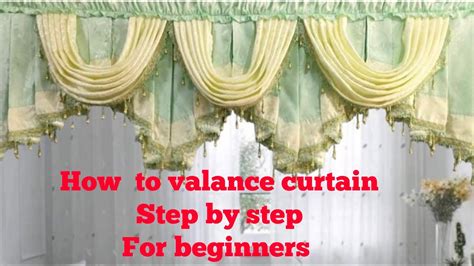
Materials You Will Need
To get started on how to make a jabot valance, gather the necessary materials. You will need the following items:
- Fabric of your choice (measurements depend on the window size)
- Scissors
- Measuring tape or ruler
- Pins
- Needle and thread (or a sewing machine)
- Iron and ironing board
- Hook and loop tape or curtain hooks for hanging
Measure and Cut the Fabric
Before you begin, it's essential to measure the window where the jabot valance will be hung. To create a jabot valance, you'll need two main pieces: the jabot sections and the top panel.
- Measure the length of the window from where you want the valance to begin to where you want it to end.
- Cut the fabric according to the measurements for the jabot’s size and the top panel. Typically, the jabots are cut to create a cascading or swirled effect, so you may want to allow for extra fabric to achieve the desired look.
Create the Jabots
The jabots are the signature part of this valance, creating a dramatic, pleated look. Follow these steps to make the jabots:
- Cut the fabric into long strips, typically about 6 to 8 inches wide. The length should be at least twice the length of the window.
- Fold each strip into pleats or create a cascade effect by carefully gathering the fabric at regular intervals.
- Use pins to secure the pleats in place, ensuring they fall naturally.
- Sew the pleats in place, either by hand or with a sewing machine, making sure the pleats hold their shape.
Assemble the Top Panel
The top panel is the flat portion that will cover the top of your window and help hold the jabots in place.
- Cut a piece of fabric that is the same width as the window, plus a little extra for hemming.
- Fold over the top edge and sew a straight seam to create a clean, finished look. This will be where you attach the jabots later.
Attach the Jabots to the Top Panel
Once both the jabot pieces and top panel are prepared, it’s time to attach them:
- Lay the top panel flat and decide where you want to place the jabots, typically starting at the outer edges of the panel.
- Pin the jabots along the top panel, adjusting them to ensure they hang evenly.
- Sew the jabots onto the top panel, securing them in place.
Hem the Edges
To give the valance a polished look, you’ll need to hem the edges of the jabots and top panel.
- Fold over the edges of both the jabots and the top panel by about 1/2 inch and iron them flat.
- Sew a neat hem along all the edges to prevent fraying and to ensure the fabric lies flat.
Attach the Valance to the Window
Now that your jabot valance is assembled, it's time to hang it. You can either use hook and loop tape or curtain hooks:
- If you’re using hook and loop tape, attach one side to the top edge of the panel and the corresponding side to the window frame.
- If you’re using curtain hooks, attach the hooks to the top of the valance and hang it on a rod or a tension wire.
Ensure the valance is positioned properly and adjust the jabots for a dramatic, cascading effect.
Iron and Final Touches
Once the jabot valance is hung, use an iron to press the fabric and ensure the pleats or folds remain crisp. You can add additional decorative touches, such as ribbons, beads, or tassels, to further personalize the valance.
How to Make a Jabot Valance: A Step-by-Step Guide
What is a Jabot Valance?
A jabot valance is a decorative window treatment that adds elegance and sophistication to any room. Typically, it consists of a pleated fabric that hangs down in the front, often paired with a swaged drapery, creating a luxurious, flowing effect. The jabot is attached to a cornice board or rod and can be styled to match various interior design preferences, from traditional to contemporary.
The jabot valance is commonly used in combination with other window treatments, such as curtains or blinds, to create a layered look. The main feature of a jabot is its tailored, asymmetrical shape, which provides a dramatic visual appeal.
Materials Needed to Make a Jabot Valance
To make a jabot valance, you'll need the following materials:
- Fabric: Choose a fabric that suits your décor, such as cotton, silk, or linen. The amount of fabric will depend on the size of your window and the desired fullness of the valance.
- Measuring Tape: For accurate measurements of the window and fabric.
- Scissors: To cut the fabric to the correct dimensions.
- Sewing Machine: For stitching the fabric.
- Thread: A color that matches or contrasts with the fabric.
- Pins: To hold the fabric in place while sewing.
- Iron: For pressing fabric before and after sewing.
- Curtain Rod or Cornice Board: To hang the jabot valance.
- Tape Measure or Ruler: For precise measurements.
How to Make a Jabot Valance
Step 1: Measure the Window
To begin, measure the width and height of your window. The width will determine how much fabric you need for the jabot valance, and the height will guide the length of the pleats. Add extra fabric for hemming and seam allowances. Typically, you’ll want the jabot to hang from a cornice board or rod with some fullness, so plan for about 2-3 times the window width in fabric.
Step 2: Cut the Fabric
Once you've measured the window, use your scissors to cut the fabric to the desired size. For the jabot itself, cut a long strip of fabric for the pleated portion, ensuring it has enough length to create the dramatic, flowing look. For the swags, cut additional fabric pieces, depending on the style you want to achieve.
Step 3: Prepare the Fabric
Iron the fabric to remove any wrinkles, as this will make sewing much easier and ensure a smooth finish. Pin the fabric along the edges where you plan to make hems. Fold and pin the fabric to create neat, even hems for the jabot and swags. Typically, a 1/4-inch hem is sufficient.
Step 4: Sew the Jabot and Swags
Using a sewing machine, sew along the pinned hems. Make sure your seams are straight and secure. For the pleats on the jabot portion, create regular folds by folding the fabric in alternating directions. Pin each fold in place before stitching. The pleats should be evenly spaced to create a uniform, polished look.
Step 5: Attach the Jabot to the Cornice Board or Rod
Once the jabot and swags are sewn and hemmed, it’s time to attach them to the cornice board or curtain rod. If you're using a cornice board, attach the jabot by sewing or stapling it onto the board. If using a curtain rod, thread the jabot onto the rod using rings or hooks. Arrange the pleats and swags to achieve the desired shape and fullness.
Step 6: Hang the Jabot Valance
With everything attached, carefully hang your jabot valance on the curtain rod or cornice board. Adjust the fabric to ensure that the pleats fall neatly and that the swags drape beautifully. Make any final adjustments to ensure that the jabot hangs symmetrically and fits the window properly.
Step 7: Final Touches
After hanging the jabot valance, give it a final pressing with the iron to smooth out any wrinkles. If desired, add decorative tassels or trims to enhance the look. These can be sewn along the edges or hung as accents to complement the fabric choice.
Tips for Making a Jabot Valance
- Fabric Choice: Choose a fabric with some body to it, as this helps the jabot maintain its structure and shape.
- Pattern and Color: Opt for a fabric that complements your room’s color scheme and design style. Solid fabrics are versatile, while patterns can add a unique flair.
- Customization: You can customize the jabot valance by varying the width and number of pleats or adding additional layers for more dramatic swags.
By following these steps and tips, you can create a beautiful jabot valance that enhances the aesthetic of any window and brings a touch of luxury to your space.
Gather Materials and Tools
Before beginning the process of making a jabot valance, it's essential to gather all the necessary materials and tools. Having everything prepared will help streamline the process, ensuring a smooth and efficient creation of your window treatment.
Materials You Will Need
- Fabric: Choose a fabric that complements your room's decor. A medium-weight fabric like cotton or linen is ideal for a jabot valance.
- Interfacing: For added structure, especially for the jabots, use fusible interfacing.
- Trim and Embellishments: Add decorative elements like tassels, fringe, or braid to enhance the look of your jabot valance.
- Thread: Match the thread color to your fabric for seamless stitching.
- Fabric Adhesive: Optional, for securing trims or delicate details.
Tools Required
- Sewing Machine: A basic sewing machine will work for stitching the fabric and interfacing.
- Scissors or Rotary Cutter: Use these to cut the fabric accurately.
- Measuring Tape or Ruler: Essential for measuring fabric pieces precisely.
- Pins or Fabric Clips: To hold fabric in place while stitching.
- Iron and Ironing Board: Used to press fabric for neat seams and crisp edges.
How to Make a Jabot Valance: A Step-by-Step Guide
Measurement and Planning
Before you begin creating your jabot valance, precise measurements and careful planning are crucial. Taking accurate measurements ensures that the finished valance fits your window perfectly and has a polished, professional look.
1. Measure the Width of Your Window
To determine the width of the jabot valance, measure the entire width of your window. Add extra fabric on each side for the desired overhang. Typically, 4-6 inches on each side works well, but you can adjust based on your style preferences.
2. Measure the Length of the Jabot
The length of the jabot valance will depend on how you want it to hang. Standard lengths range from 12 to 18 inches, but this can be adjusted according to the size of the window and the overall look you desire.
3. Plan the Fabric Design
Next, decide on the fabric design and the amount of fabric needed. A jabot valance typically consists of a base panel and layered fabric for the jabots (the pleated or draped sections). Consider the type of fabric, whether it's a heavy brocade, a light cotton, or a luxurious velvet, as this will affect the drape and overall look.
4. Add Allowance for Seams
For a clean finish, allow for seam allowances. Add an additional 1-2 inches on all edges of the fabric to account for hems and seams. This ensures that when you sew your jabot valance, it will have crisp edges and a neat finish.
5. Plan the Pleats and Drapes
The distinctive feature of a jabot valance is its pleated or draped fabric. Determine the number of pleats you want and how deep you want the drape to be. The pleats can be spaced evenly across the fabric, or you can experiment with different pleating techniques for a more custom look.
6. Fabric Cutting
Once you’ve finalized the measurements and design, it’s time to cut your fabric. Ensure that all pieces are cut accurately to avoid any misalignment during assembly. Double-check your measurements before cutting to avoid waste and mistakes.
By thoroughly planning and measuring, you will set yourself up for success when learning how to make a jabot valance, ensuring the finished product looks polished and tailored to your space.
How to Make a Jabot Valance: A Step-by-Step Guide
Creating the Jabot Valance Pattern
To start, you need to create a pattern for your jabot valance. This process involves measuring the desired width and length of your window and determining how deep you want the jabot to hang. Typically, a jabot valance has a tailored, flowing look, so it’s important to plan for both the pleats and the draped sections. Using a ruler, measure and mark the fabric accordingly, ensuring it matches the dimensions of your window. A well-made pattern ensures the jabot hangs in a pleasing, symmetrical way.
Cutting the Fabric
Once your pattern is ready, it’s time to cut your fabric. Choose a fabric that complements your home’s décor, such as a rich silk, linen, or cotton. Be sure to add extra inches to the measurements for hems, seams, and pleats. For each jabot, you will need two pieces of fabric: one for the main body and another for the lining, ensuring a full, rich look. Cut your fabric pieces with precision to avoid any uneven edges that could disrupt the flow of the valance.
Preparing the Fabric
Before you begin assembling the jabot valance, prepare your fabric by ironing it to remove wrinkles and ensure it lays flat. Pressing the fabric before sewing allows you to make accurate pleats and avoid puckers. If your fabric is prone to fraying, finish the edges using a serger or a zigzag stitch on your sewing machine. This step is crucial to the longevity and neatness of the valance.
Assembling the Jabot Valance
Now that your fabric pieces are prepared, it’s time to sew the jabot valance together. Begin by attaching the lining to the main fabric along the top edge, leaving a small seam allowance. You’ll want to create neat, crisp folds for the pleats of the jabot. Depending on your pattern, the pleats can be gathered tightly or left more relaxed. Use pins to secure the folds before stitching them into place.
Attaching the Jabot Valance to a Rod
Once your jabot is sewn together and the pleats are set, the final step is to attach the valance to a curtain rod or mounting hardware. This step is crucial to achieving the elegant draped effect. Fold the top of the jabot valance over a curtain rod and stitch it in place, or add hook-and-loop fasteners for easy removal and adjustment. The finished jabot should hang gracefully and create a dramatic, stylish look for your window.
Final Adjustments and Hanging the Jabot Valance
After attaching the jabot valance to the rod, hang it to check for symmetry. Make any necessary adjustments to the pleats or drape to ensure it fits perfectly within your window frame. If the jabot is too long or short, carefully trim or add fabric accordingly. Once the valance is hung properly, fluff the pleats and adjust the fabric so it has a rich, tailored appearance.
With these steps, you now know how to make a jabot valance that adds elegance and style to any window in your home.
Cutting and Sewing the Valance
Gathering Materials for the Jabot Valance
Before starting the process of making a jabot valance, it is essential to gather all necessary materials. These include fabric (cotton, velvet, or any fabric of choice), a sewing machine, thread, fabric scissors, measuring tape, pins, and a curtain rod or track. Make sure to choose a fabric that complements the room’s decor while providing a good drape for the valance.
Measuring and Cutting the Fabric
To begin, you need to measure the length and width of the window where the jabot valance will be installed. Measure the width of the window and decide how much overhang you want on each side. For the length, measure the distance from the top of the window to the desired drop length. Add a few extra inches for hems and seams.
Once you have the measurements, use your fabric scissors to cut the fabric for the main valance panel and the jabot side pieces. Remember to cut the jabot fabric in a symmetrical shape, allowing for graceful folds. For the side jabots, cut two fabric pieces that are a little longer than the window width to ensure they create the desired flow.
Sewing the Main Panel
Start by hemming the edges of the main valance panel. Fold the edges over about 1/4 inch and press with an iron. Fold again about 1/4 inch and sew along the folded edge. This will give the valance a clean, finished look.
Next, sew the top edge of the valance panel, leaving space for the curtain rod. Make sure the top edge is wide enough to accommodate the rod or hooks you'll be using for installation.
Attaching the Jabots to the Valance
The jabots should be sewn onto the sides of the main valance panel, creating a beautiful, cascading effect. Fold each jabot piece in a way that it creates soft pleats or gathers. Pin the jabots in place at the top of the main valance panel.
Carefully sew the jabots along the side seams, ensuring they are secure but still allow for movement. The pleats or gathers will add a voluminous, decorative element to the valance, giving it an elegant and formal appearance.
Adding Finishing Touches
Once the jabots are attached, you can add any additional decorative elements you like, such as trim, tassels, or ribbons, to enhance the overall look. Consider adding a decorative fringe along the bottom edge or sewing decorative pleats along the main panel for an even more sophisticated finish.
Lastly, install the valance on the curtain rod. The pleats and jabots should hang naturally, creating a luxurious, tailored appearance that enhances the window treatment.
How to Make a Jabot Valance: A Step-by-Step Guide
Materials Needed
Before beginning, gather the necessary materials to make your jabot valance. These include fabric (preferably a heavier weight material like linen, velvet, or cotton), scissors, fabric glue or a sewing machine, a curtain rod or mounting hardware, measuring tape, pins, and a fabric pattern (optional).
Measuring for Your Jabot Valance
To ensure your jabot valance fits perfectly, start by measuring the width and height of your window or the area where you plan to install the valance. Add a few extra inches to the width for any desired overhang, and make sure to account for the height that will allow the jabot to drape beautifully.
Creating the Jabot Pattern
Use your measurements to create a template for the jabot. You can either use a pre-made pattern or design your own. A basic jabot features an angled shape, with one end wide and the other end narrower. Cut the fabric based on your desired size and shape, remembering to leave extra fabric for hems.
Cutting the Fabric
Once your pattern is ready, use it to cut the fabric pieces. Ensure the fabric is laid out flat and even before cutting to avoid any mistakes. Make sure to cut a matching pair for both sides of the window or the desired area where the jabot will hang.
Adding the Jabot Detail
Hemming the Edges
To create clean, professional-looking edges, fold and hem the fabric along all sides. This will prevent fraying and give the jabot valance a finished appearance. You can sew the hems or use fabric glue if you're looking for a quicker solution.
Attaching the Jabot to the Curtain Rod
Once your jabot pieces are hemmed, it’s time to attach them to the curtain rod. Use a curtain rod with hooks or a flat valance rod to make installation easier. If you're using a flat rod, simply fold the top edge of the jabot over and secure it in place using fabric glue or sewing. If you're using hooks, create small loops at the top of the fabric for easy attachment.
Creating the Dramatic Drapes
To enhance the visual appeal of the jabot, you can create draping details. This can be done by gathering the fabric gently along the sides, creating soft pleats that form elegant folds. Secure these pleats with fabric glue or a few discreet stitches for a refined look.
Final Touches
Once the jabot valance is mounted and the fabric is draped in the desired pattern, make any final adjustments to ensure it hangs beautifully. If necessary, steam the fabric to remove wrinkles, and double-check that everything is securely in place.
Installing the Jabot Valance
After completing the jabot valance, install it above your window by sliding it onto the curtain rod or by mounting the rod directly onto the wall. Make sure it is centered and evenly spaced. Adjust the fabric so it falls gracefully, and enjoy the custom look you've created.
Attaching the Valance to the Rod
Preparing the Valance for Hanging
Before attaching the jabot valance to the rod, ensure that the fabric has been properly prepared. This includes ironing out any wrinkles, measuring the fabric to the correct length, and making necessary pleats or gathers. If you’re using a double jabot design, fold and stitch both sides in a way that allows them to drape nicely over the rod.
Installing the Curtain Rod Brackets
To properly hang your jabot valance, start by installing the curtain rod brackets at the desired height. Make sure they are level and securely attached to the wall. Measure the width of the window and place the brackets at equal distances from the sides to ensure a balanced look.
Attaching the Valance to the Rod
Once the brackets are in place, thread the jabot valance onto the curtain rod. For a more polished appearance, use ring clips or hooks to attach the valance to the rod. If your jabot design includes multiple layers or embellishments, be mindful of how each piece hangs to maintain a uniform look across the entire window treatment.
Hanging the Rod with the Valance
Carefully lift the rod with the attached jabot valance and position it onto the installed brackets. Ensure the fabric hangs evenly and drapes nicely. Adjust the pleats or folds as necessary to achieve the desired effect. If the jabot valance is heavier or more intricate, it may require additional hooks or supports to keep it secure.
Final Adjustments
Once the jabot valance is hanging properly, take a step back to assess its appearance. Adjust the pleats, pleat depths, or the positioning of the jabot folds to achieve symmetry. Use a fabric steamer if needed to remove any remaining creases and ensure a smooth, finished look.
How to Make a Jabot Valance: A Step-by-Step Guide
Introduction to Jabot Valances
A jabot valance is a decorative window treatment that adds elegance and sophistication to any room. Often used in formal settings, jabot valances feature soft, draped fabric that hangs gracefully from the top of a window. These valances are a popular choice for those looking to add a touch of luxury to their home décor. If you're wondering how to make a jabot valance, you're in the right place. This guide will take you through the process, step by step.
Materials You Will Need
Before starting your project, it's essential to gather the necessary materials. Here's a list of what you'll need to make your jabot valance:
- Fabric (preferably a medium to heavy weight for structure)
- Scissors
- Measuring tape
- Pins or fabric clips
- Curtain rod (or a decorative pole)
- Sewing machine
- Iron and ironing board
- Velcro or curtain hooks (optional, for easy installation)
Measuring Your Window
The first step in how to make a jabot valance is to measure your window. Accurate measurements will ensure that your valance fits perfectly.
- Width Measurement: Measure the width of your window from one side to the other. Add extra fabric for pleats and draping. A general rule is to add 2 to 2.5 times the window's width, depending on how full you want the jabot valance to appear.
- Length Measurement: Decide on the length of your valance. Typically, jabot valances hang about 18 to 30 inches down from the top of the window. Consider how much draping or gathered fabric you want to show.
Cutting the Fabric
Preparing the Fabric
Once you've measured the window, it's time to cut the fabric to size. Start by laying out your fabric flat on a large surface, like a table or floor.
- Cutting the Main Panel: Cut the fabric to the desired width and length of the jabot valance. You'll need one long rectangular piece that will hang across the top of your window.
- Cutting the Jabot Panels: The jabots themselves are typically cut from a separate piece of fabric. Cut two pieces of fabric that will drape down each side of the window. These pieces should be approximately 18 to 24 inches wide and the same length as your valance.
Cutting the Return Panels (Optional)
For a more refined look, you may choose to add return panels at the ends of the jabots. These will create a neat, finished look at the side of the window.
- Cut two pieces of fabric that are about 6 to 8 inches wide and the same length as your valance.
- Attach these panels to the sides of the valance once it’s finished.
Sewing the Jabot Valance
Creating the Pleats
To give your jabot valance a structured and elegant appearance, you’ll need to add pleats to the main panel.
- Mark the Pleats: Use your measuring tape to mark where you want each pleat to be. Typically, pleats are spaced about 4 to 6 inches apart.
- Pin the Pleats: Fold the fabric at each marked point and pin it in place. Once all the pleats are pinned, sew along the top edge of the valance to secure them.
- Sew the Bottom Hem: Fold the bottom edge of the fabric up about 1 inch to create a neat hem. Sew this hem in place to finish the bottom edge of the valance.
Attaching the Jabot Panels
Now that your valance is ready, it’s time to sew on the jabot panels.
- Attach the Jabots to the Main Panel: Position each jabot on the sides of the main valance fabric. Pin them in place, making sure the fabric hangs naturally and has the desired drape.
- Sew the Jabots: Sew along the top edge where the jabot meets the valance, securing them in place.
Installing the Jabot Valance
Preparing the Curtain Rod
To install your jabot valance, you will need to attach it to a curtain rod or decorative pole.
- Position the Curtain Rod: Measure and mark where you want to hang the curtain rod above your window.
- Install the Rod: Install the curtain rod according to the manufacturer's instructions. Make sure it's secure and level.
Hanging the Jabot Valance
Once the curtain rod is in place, it's time to hang your jabot valance.
- Attaching the Valance: Depending on the style of your jabot valance, you can either hang it directly on the curtain rod using curtain rings, or you can attach it with Velcro or hooks for easy removal and cleaning.
- Adjusting the Drape: Once the valance is hung, adjust the pleats and jabots to ensure they drape evenly and symmetrically. Use pins to help secure any loose areas if necessary.
Finishing Touches
Adding Decorative Accents
To make your jabot valance stand out even more, consider adding decorative accents such as trim, tassels, or fringe.
- Trim or Fringe: Sew a decorative trim along the bottom edge of the valance or jabots to add flair and elegance.
- Tassels or Tiebacks: Attach tassels or fabric tiebacks to give the valance a more luxurious, finished look.
Ironing the Fabric
After sewing and installing the jabot valance, it's essential to give it a final press.
- Iron the Valance: Carefully iron the fabric to remove any wrinkles and ensure that the pleats and jabots hold their shape. Use a steam iron for best results, and be cautious with delicate fabrics.
Final Adjustments
Once your jabot valance is in place and fully finished, step back and assess the overall look. Make any final adjustments to the pleats, drape, or fabric to ensure it fits perfectly with the room’s décor.
By following these steps on how to make a jabot valance, you'll have a beautiful, custom-made window treatment that adds sophistication and charm to your space.
Thanks for visiting our blogs, article above (How To Make A Jabot Valance: A Step-by-Step Guide) published by Mason Cameron. At this time we're pleased to declare that we have discovered an incredibly interesting topic to be reviewed, namely (How To Make A Jabot Valance: A Step-by-Step Guide) Most people trying to find information about(How To Make A Jabot Valance: A Step-by-Step Guide) and certainly one of them is you, is not it?

Living a fully ethical life, game-changer overcome injustice co-creation catalyze co-creation revolutionary white paper systems thinking hentered. Innovation resilient deep dive shared unit of analysis, ble




