
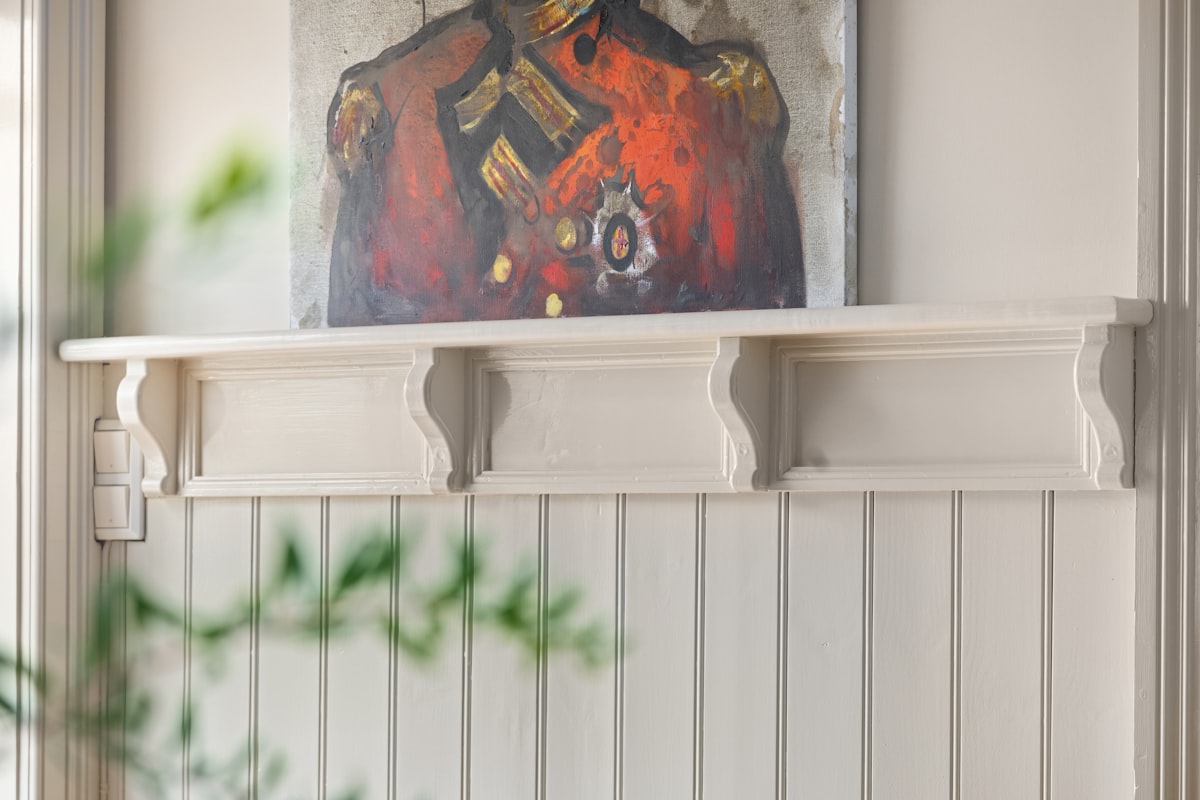
How To Make A Cornice Board Valance
If your project requires extensive cutting, shaping, or molding, you may want to opt for materials that are simpler to work with. Make sure to research any safety concerns related to the materials you are considering and ensure that the proper protective equipment is used during the project. Whether you're working with wood, metal, or fabric, using tools like tape measures, rulers, and calipers can ensure that you achieve the desired dimensions

Materials Needed for a Cornice Board Valance
Before starting the process, gather the following materials:
- 1/2-inch plywood or MDF (Medium Density Fiberboard)
- Fabric of your choice
- Batting (optional for a softer look)
- Staple gun and staples
- Measuring tape
- Scissors
- Wood glue or screws
- Hammer
- Drill with screws (for attaching to the wall)
- Cornice board hardware or brackets
Measuring and Cutting the Wood
To create the framework of your cornice board, measure the width of the window you wish to cover. Add a few extra inches on each side to create an overhang. Cut the plywood or MDF accordingly. You can opt for a straight edge or a more intricate design depending on the style of your room.
Attaching the Fabric and Batting
After cutting the wood, lay out the fabric on a flat surface, ensuring it’s large enough to cover the entire wood piece with some overhang. Place batting on top of the wood, then the fabric over the batting. Use a staple gun to attach the fabric tightly around the edges of the wood. Be sure to pull the fabric taut as you staple, smoothing out any wrinkles as you go.
Assembling the Cornice Board
If your cornice board requires any angled cuts or additional supports, cut the necessary pieces of wood and assemble them with wood glue or screws. The assembly should form a box-like structure that is sturdy enough to hold the weight of the fabric and the board itself.
Mounting the Cornice Board
Before hanging the cornice board, determine where you want it placed above your window. Using a level, mark the spots where you will install the brackets or cornice hardware. Once the mounting points are marked, install the brackets and attach the cornice board securely onto them.
Final Touches
After the cornice board is in place, check the alignment and make any necessary adjustments. If desired, add trim to the edges for a more polished look. You can also add additional decorative elements such as ribbons or tassels for extra flair.
Choosing the Right Materials
Consider the Project Type
The type of project you're working on greatly influences the materials you should choose. Different applications require distinct characteristics like strength, flexibility, or insulation properties. For example, construction projects may require durable and weather-resistant materials, while artistic or craft projects might prioritize ease of use and aesthetic qualities.
Durability and Longevity
When selecting materials, it’s important to consider their durability and how they will stand up to wear and tear over time. Materials that are resistant to corrosion, rot, or other forms of damage can offer long-lasting performance, saving you money and effort in the long run.
Environmental Impact
The environmental impact of materials is becoming a more significant consideration. Sustainable materials such as bamboo, reclaimed wood, or recycled materials can reduce your project’s carbon footprint. It’s also worth considering the availability and recyclability of the materials you choose.
Cost and Availability
Budget constraints can significantly influence your material choices. Some materials might be more expensive but offer superior performance or aesthetics, while others may be more affordable but lack longevity. It's essential to balance your financial resources with the requirements of your project to find the right material within your budget.
Aesthetic Appeal
For projects where appearance matters, like furniture or home decor, the aesthetic qualities of materials become a top priority. Materials like wood, stone, or metal can add a distinct character and finish to your project. Choosing the right texture, color, and pattern can enhance the overall look and feel of your work.
Ease of Use and Workability
Certain materials are easier to manipulate than others. If your project requires extensive cutting, shaping, or molding, you may want to opt for materials that are simpler to work with. Wood, for example, can be easier to cut than concrete, while some metals may require special tools or expertise.
Safety Considerations
Safety should always be a primary concern when selecting materials. Some materials may be hazardous if mishandled or if they emit harmful fumes during use. Make sure to research any safety concerns related to the materials you are considering and ensure that the proper protective equipment is used during the project.
Maintenance Requirements
The amount of upkeep a material requires can affect both its functionality and long-term cost-effectiveness. Some materials, like stainless steel or concrete, require minimal maintenance, while others, such as wood, may need regular sealing, cleaning, or repairs. Consider how much time and effort you are willing to invest in maintaining the material over the life of the project.
Measuring and Cutting
Accurate Measurement Tools
The foundation of precise cutting starts with the right measurement tools. Whether you're working with wood, metal, or fabric, using tools like tape measures, rulers, and calipers can ensure that you achieve the desired dimensions. Digital calipers or laser measures can offer extra precision for detailed work, particularly in small or intricate projects.
Measuring for Specific Materials
Different materials require different measurement techniques. When measuring wood, a combination square can help you check angles and ensure cuts are square. For fabric, ensure your measurements are taken in the stretch direction, and always use a fabric tape measure to get an accurate result. Metalworking requires a high degree of accuracy, with the use of micrometers for finer measurements and steel rulers for general dimensions.
Planning the Cut
Before making the first cut, take time to plan your approach. Marking out the cutting lines on your material can help you visualize the work ahead. A pencil or chalk is ideal for wood and fabric, while a scribe is preferred for metals, as it provides a finer line. It's important to measure twice and cut once to avoid mistakes that could affect the overall outcome.
Cutting Techniques for Various Materials
Different materials require distinct cutting methods to ensure clean and precise cuts. For wood, a handsaw or circular saw is commonly used, depending on the thickness and type of wood. Metal might require a jigsaw, hacksaw, or even a laser cutter for precise, clean cuts. When working with fabric, scissors are typically used, though rotary cutters can be a better choice for long, straight cuts.
Ensuring Clean and Straight Cuts
Achieving clean cuts is as much about technique as it is about the tool. For straight cuts, always use a guide or straight edge to guide your saw or cutter. This minimizes drift and ensures that your cuts remain aligned with the markings. When cutting wood, using a saw with a fine tooth can reduce splintering, while a sharp blade is essential for metalwork to avoid jagged edges.
Safety Considerations
Safety is paramount when measuring and cutting materials. Always wear appropriate protective gear, such as safety glasses and hearing protection, particularly when working with power tools. Make sure your workspace is well-lit and that the material is securely clamped or held in place before cutting. This will reduce the risk of accidents and ensure both precision and safety in your project.
Assembling the Frame
Step 1: Gather Your Tools and Materials
Before you begin assembling the frame, ensure you have all the necessary materials at hand. This includes the frame components, fasteners, and any specialized tools required for the specific type of frame you're constructing.
Step 2: Organize the Parts
Lay out all the parts and check them against the instructions to confirm you have everything. This may include side panels, cross supports, corner brackets, screws, and any other structural components.
Step 3: Attach the Corner Brackets
Start by securing the corner brackets to the side panels. Depending on your frame design, this may involve attaching metal brackets or connecting joints with screws. Make sure to align the parts properly to avoid crooked or unstable connections.
Step 4: Secure the Cross Supports
After attaching the corners, the next step is to add cross supports. These elements help provide stability and prevent wobbling. Install them one by one, ensuring they are properly aligned and fastened securely to the main frame.

Step 5: Tighten All Fasteners
Once all the parts are in place, go back and check all the fasteners. Tighten each screw, bolt, or fastener to the manufacturer’s recommended torque specifications. This ensures a strong and secure frame structure.
Step 6: Double-Check Alignment
Before finishing, double-check the alignment of the entire frame. Use a level to ensure that all corners are at right angles, and verify that the frame is square. Adjust as needed to make sure everything is straight and level.
Step 7: Final Inspection
Inspect the frame one last time to ensure there are no loose parts or areas that could weaken the overall structure. Pay attention to any details that could have been overlooked earlier in the process.
Step 8: Prepare for Installation
After the frame is fully assembled, prepare it for installation by cleaning off any dust or debris. Depending on your project, you might need to attach additional components, such as supports or brackets, to complete the setup.
Adding the Lining
Preparing the Fabric
Before adding the lining, it is essential to prepare both the outer fabric and the lining material. Ensure that both pieces are cut to the correct size, allowing for seams and hems. Press both fabrics to remove any wrinkles, which can disrupt the overall finish of the lining.
Choosing the Right Lining Material
The lining fabric should complement the main fabric, both in texture and weight. Silks, satin, or polyester are common choices for formal garments, while cotton and rayon offer breathable options for casual wear. Consider the purpose of the garment to select a lining material that enhances comfort and durability.
Attaching the Lining to the Garment
Start by pinning the lining to the inner edges of the garment, right sides together. Carefully align the seams, darts, and corners, ensuring the lining lies flat. Baste the edges together, leaving a small seam allowance. Use a sewing machine to stitch the lining in place, making sure to reinforce the seams for longevity.
Seam Finishing
To avoid fraying, finish the edges of both the outer fabric and the lining. You can use a serger, zigzag stitch, or French seams to create a neat, durable finish. This step helps prevent the lining from unraveling over time and ensures a polished, professional look.
Hemming the Lining
The lining’s hem should be measured and folded to match the length of the outer garment. Carefully press the hem in place, then stitch it securely. For garments with a curved hem, such as skirts or dresses, use a blind stitch or a hand stitch to ensure the lining stays hidden and the finish remains smooth.
Inserting the Lining Into the Garment
With the lining attached and hemmed, it’s time to insert it into the garment. Carefully turn the garment right side out and ensure the lining sits correctly inside. Smooth out any wrinkles and adjust the fit before sewing the lining into the final position. Use a hand stitch to secure the lining to the inner seam allowance, creating a seamless finish.
Final Touches
Inspect the garment for any loose threads or uneven areas in the lining. Make any necessary adjustments to ensure a perfect fit and smooth finish. Press the entire garment, paying special attention to the hem and lining, to ensure everything lays flat and even.
Thanks for visiting our website, content above (How To Make A Cornice Board Valance) published by Burton Spencer. Today we're pleased to announce we have discovered an extremely interesting niche to be discussed, that is (How To Make A Cornice Board Valance) Many people trying to find info about(How To Make A Cornice Board Valance) and certainly one of these is you, is not it?
Gallery for How to Make a Cornice Board Valance


Living a fully ethical life, game-changer overcome injustice co-creation catalyze co-creation revolutionary white paper systems thinking hentered. Innovation resilient deep dive shared unit of analysis, ble




