
How To Hang Scarf Valances
Before hanging the scarf valance, ensure it is the right length and width for your window. Ensure the scarf valance drapes in a way that flatters your window. If you want to ensure that the scarf valance stays in place, use hook and loop fasteners or decorative pins to secure the fabric at the edges or in the middle
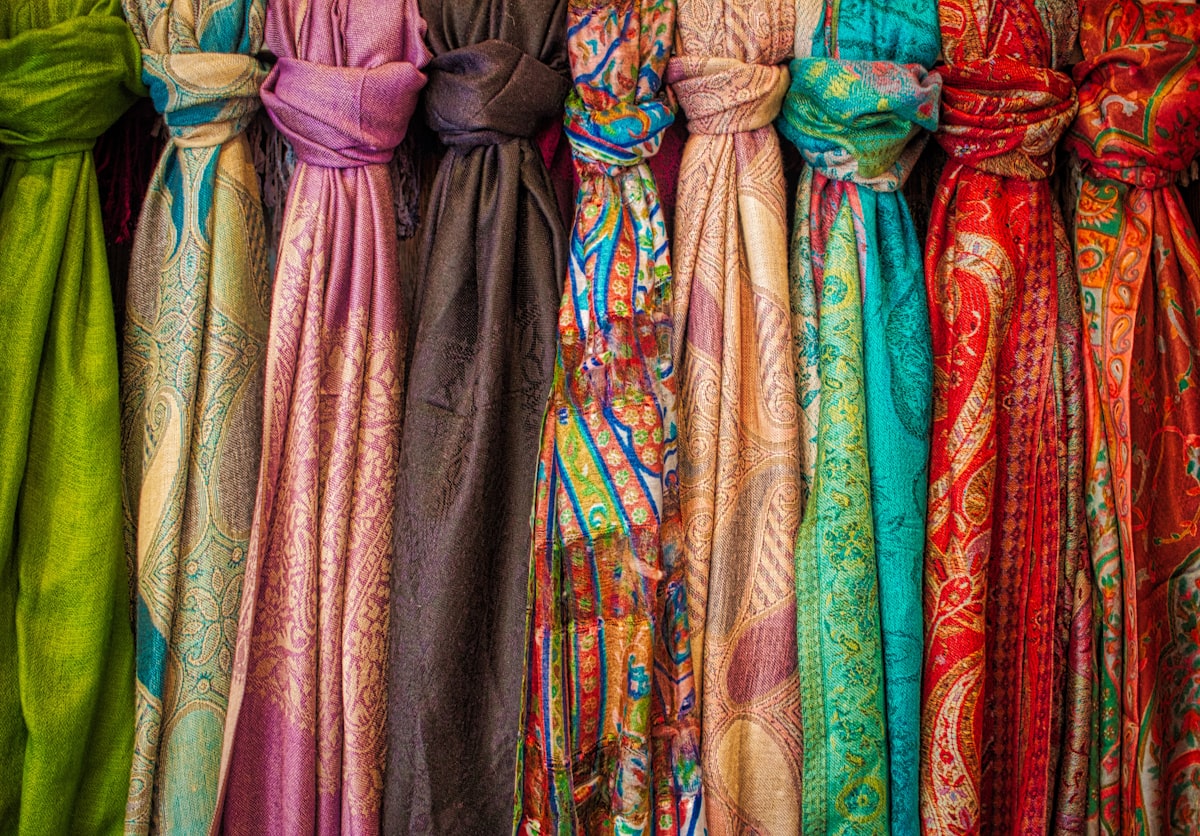
Materials Needed
Before starting, gather the necessary materials to hang scarf valances. You will need a curtain rod or tension rod, scarf valance fabric, a measuring tape, scissors, and curtain hooks or rings. These are essential items to ensure a smooth and successful installation.
Measure Your Window
To achieve the perfect fit, measure your window width and height. The length of the scarf valance should be at least 1.5 to 2 times the width of your window to create a soft, draping effect. Consider the desired height at which you want the scarf valance to hang, keeping in mind any additional layers or curtains.
Choose a Curtain Rod or Tension Rod
Select a curtain rod or tension rod that can support the scarf fabric. If you prefer a simple installation, a tension rod can be placed inside the window frame without the need for additional hardware. Alternatively, a curtain rod mounted on the wall offers a more traditional look.
Install the Curtain Rod
Install the curtain rod at the desired height above your window. Ensure that the rod is level, and use a pencil to mark the placement of brackets. Secure the brackets, and then mount the rod. For added stability, consider using adjustable brackets that allow you to fine-tune the rod's position.
Preparing the Scarf Valance
Before hanging the scarf valance, ensure it is the right length and width for your window. If needed, trim the fabric to match the measurements. Some scarf valances come with finished edges, while others may require hemming to prevent fraying.
Drape the Scarf Valance
Once the curtain rod is installed, drape the scarf fabric over it, starting from one side of the window. The fabric should cascade gracefully to the opposite side, creating an elegant, flowing effect. Depending on the design of the valance, you may need to adjust the fabric to ensure an even distribution of folds.
Secure the Fabric
To secure the scarf valance in place, use curtain rings with hooks or tiebacks. Curtain rings allow you to adjust the drape and make changes to the fabric’s positioning as needed. For a more structured look, you can also use fabric clips or safety pins to hold the scarf in place at key points along the rod.
Adjust the Drape
Once the scarf valance is hung, adjust the fabric so that it falls evenly and creates a balanced look. You may need to reposition the fabric along the rod or adjust the gathers to achieve the desired aesthetic. Be mindful of the flow of the fabric, ensuring that it complements the overall room design.
Final Touches
Consider adding decorative elements to enhance the look of your scarf valance. For instance, a matching tieback on each side can add a tailored finish, while decorative curtain rings can introduce additional texture. Small embellishments like tassels or beads can also be added to the fabric for a more customized appearance.
Choosing the Right Scarf Material
Understanding Fabric Types for Scarf Valances
When learning how to hang scarf valances, selecting the right fabric is crucial for both aesthetics and functionality. Different fabrics have varying degrees of drape and texture, which can influence the overall look of your window treatments. Here are a few popular fabric options:
- Sheer Fabrics: Light and airy, sheer fabrics offer a soft, flowing appearance. They allow natural light to filter through while providing a subtle, elegant look.
- Velvet: If you're looking for luxury and richness, velvet is an excellent choice. It drapes beautifully and adds a touch of opulence to your space.
- Cotton or Linen: These fabrics provide a casual, comfortable feel and are perfect for more relaxed or rustic interiors. They are also easier to maintain compared to more delicate fabrics.
Durability and Maintenance
The longevity and upkeep of your scarf valances depend largely on the material you choose. While some fabrics require dry cleaning or delicate care, others like cotton or polyester are more low-maintenance. Consider the location and the amount of traffic in the area before making a decision.
Color and Pattern Considerations
The fabric's color and pattern are key elements when it comes to how to hang scarf valances effectively. Lighter shades or neutral colors create a calm and serene atmosphere, while bold hues or patterned fabrics make a dramatic statement. Choose a color that complements the existing decor of the room to enhance the overall design.
Weights and Drape
The weight of the fabric plays a significant role in how well your scarf valance will hang. Heavier fabrics like silk or satin tend to have a more structured look, while lighter fabrics offer a more fluid, flowing appearance. You’ll want to balance the weight of the material with the look you're aiming for—whether that’s soft and romantic or bold and dramatic.
Seasonal Fabric Choices
Different seasons call for different fabric types. In warmer months, lightweight and breathable fabrics like cotton, linen, or sheers are ideal for creating a relaxed, breezy atmosphere. During colder months, consider thicker, insulating fabrics such as velvet, brocade, or silk to add warmth and richness to your windows.
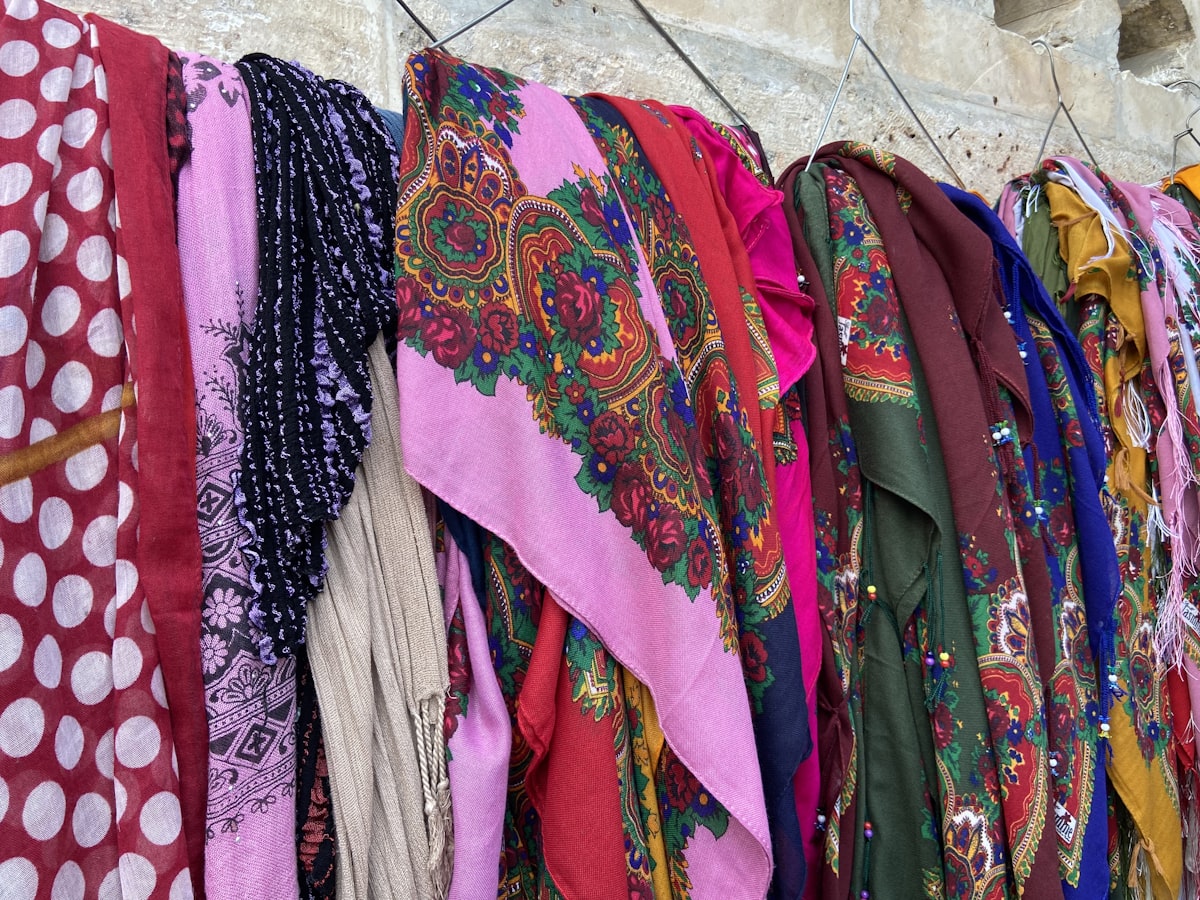
Textural Variety
Texture is an important consideration in how to hang scarf valances, as it adds depth and interest to your window treatments. Mixing textures like linen with silk or velvet can create a dynamic, layered look that elevates the overall room design.
How to Hang Scarf Valances
Preparing the Scarf for Hanging
Before you begin the process of hanging your scarf valance, it's important to prepare the fabric so that it drapes beautifully and evenly. Here are a few steps to ensure your scarf valance looks its best:
1. Iron the Scarf
Iron the scarf to remove any wrinkles or creases. This will help the fabric hang smoothly and avoid any unsightly folds that could disrupt the overall appearance. Be sure to check the fabric care instructions to avoid damaging the material.
2. Determine the Length
Measure the width of your window and decide how long you want the scarf valance to be. Typically, scarf valances are hung so that they drape from the top of the window and flow gracefully down the sides. Depending on your window size, you may want to adjust the length for a more dramatic or subtle effect.
3. Choose the Right Rod or Hook
Select a curtain rod or hooks that will complement the scarf valance. A flexible, adjustable curtain rod is a good choice as it allows you to adjust the placement of the scarf for a better fit. If using hooks, make sure they are sturdy enough to hold the fabric without stretching or causing damage.
4. Prepare the Drape
Once the scarf is ironed and the rod or hooks are ready, position the scarf on the rod or attach it to the hooks. If you're using a rod, allow the scarf to hang loosely in a manner that reflects the natural drape of the fabric. If you're using hooks, attach the scarf evenly at intervals for a balanced appearance.
5. Adjust the Fabric
Ensure the scarf valance drapes in a way that flatters your window. Adjust the fabric so it hangs evenly across the top, with each side cascading gently downward. Fluff and move the fabric as necessary to create a flowing, soft look.
6. Secure the Scarf (Optional)
If needed, use fabric ties or small clips to secure the scarf in place. This step is particularly useful if you want to create a more structured appearance or if you're concerned about the scarf slipping over time. Be careful not to use anything that might damage the fabric.
How to Hang Scarf Valances
Materials You Will Need
- Scarf valances
- Curtain rod or tension rod
- Hook and loop fasteners or curtain rings (optional)
- Measuring tape
- Scissors (if necessary)
- Curtain hooks (optional)
- Decorative pins or drapery tiebacks (optional)
Step 1: Measure Your Window
Before you begin, measure the width and height of the window where the scarf valance will be placed. This ensures that your scarf valance will fit properly and drape beautifully.
Step 2: Choose Your Rod
Select a curtain rod that complements your scarf valance style. A tension rod can work well if you don’t want to drill holes, while a traditional curtain rod will offer more flexibility with styling options.
Step 3: Prepare the Valance
If your scarf valance is too long or needs adjustments, carefully trim the fabric to fit your window. Allow for a little extra length for the natural drape of the fabric.
Step 4: Attach the Valance to the Rod
Place the scarf valance over the curtain rod in a loose, flowing arrangement. You can gather the fabric in folds or let it hang freely, depending on the look you want to achieve.
Step 5: Arrange the Drapes
Once the valance is in place, drape it across the top of the window, ensuring it falls in soft, flowing loops. You can use curtain rings with hooks to create neat, uniform folds, or drape it loosely for a more relaxed effect.
Step 6: Secure the Valance
If you want to ensure that the scarf valance stays in place, use hook and loop fasteners or decorative pins to secure the fabric at the edges or in the middle.
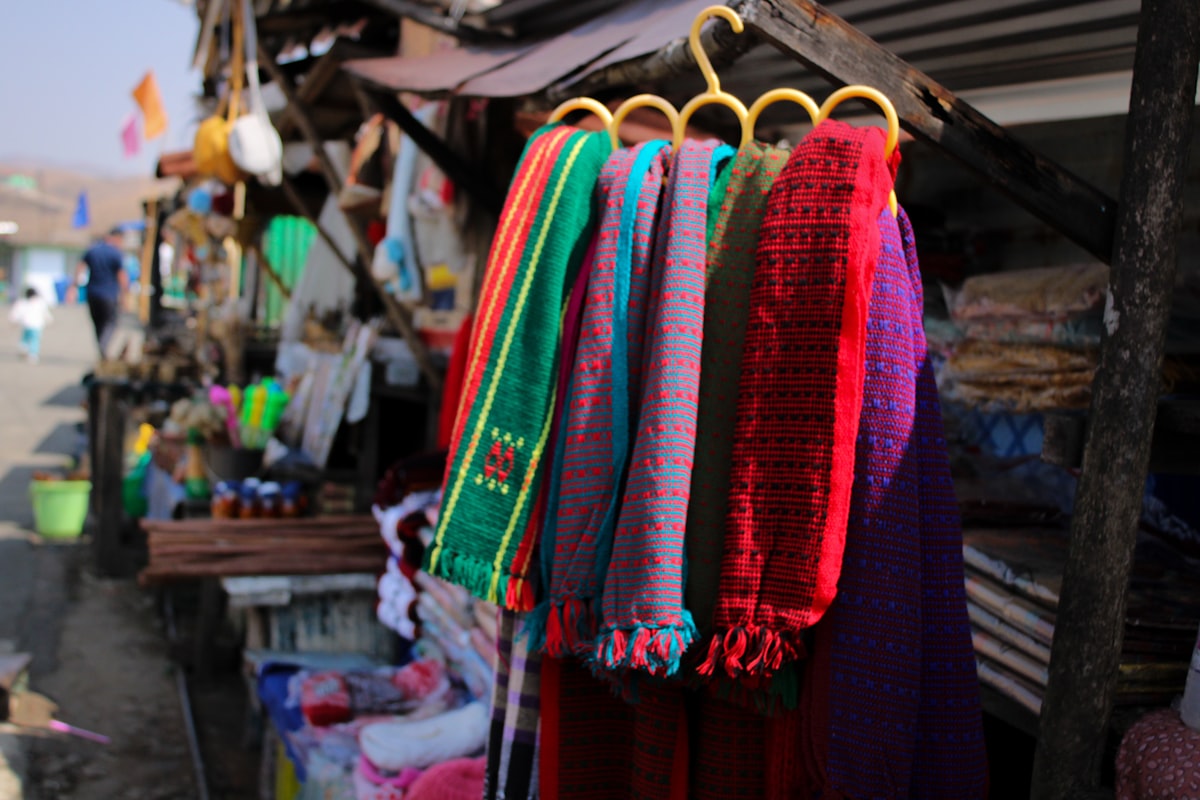
Step 7: Adjust the Fabric
Play with the fabric to create a pleasing drape. You can make additional folds, adjust the fabric's positioning, or use drapery tiebacks to create a more refined look. Make sure the valance has a natural, elegant appearance.
Step 8: Final Touches
Once you're satisfied with the arrangement, make sure the fabric is securely attached to the rod, and adjust any folds for an even and balanced look. Add any final decorative elements, such as swags or ribbons, to personalize the design.
How to Hang Scarf Valances
Understanding Scarf Valances
Scarf valances are a stylish and simple window treatment that can elevate any room. These valances are typically long, draped pieces of fabric that hang across the top of the window. The flowing, airy design of a scarf valance allows for flexibility in styling, giving you the opportunity to create various looks.
Materials and Tools You’ll Need
To hang a scarf valance, make sure you have the following materials and tools:
- Scarf valance fabric (typically 2 to 3 yards, depending on window size)
- Curtain rod or tension rod
- Hooks or drapery clips (optional)
- Scissors
- Measuring tape
- Steamer or iron (to remove wrinkles)
Choosing the Right Curtain Rod
When selecting a curtain rod for your scarf valance, opt for one that complements the fabric’s weight and style. A tension rod works well for lighter fabrics, while a sturdier curtain rod is better for heavier or longer scarves. You can also choose decorative rods with finials that add an extra touch of elegance.
Preparing the Scarf Valance
Before hanging your scarf valance, it’s important to properly prepare the fabric. Start by steaming or ironing the scarf to eliminate any creases or wrinkles. Lay it flat and allow it to cool before you proceed.
How to Hang a Scarf Valance
Step 1: Measure and Install the Curtain Rod
Begin by measuring the width of your window. The curtain rod should extend slightly beyond the window frame to create a more expansive, balanced look. Install the curtain rod according to the manufacturer’s instructions, ensuring it is securely fastened.
Step 2: Draping the Scarf
Once your rod is in place, drape the scarf over it, letting the ends fall freely on each side. Depending on the look you want to achieve, you can let the scarf hang loosely or drape it more symmetrically.
Step 3: Adjusting for the Desired Look
After draping the scarf over the rod, adjust the fabric so that it falls gracefully. You can gather the fabric loosely for a more casual appearance or create a series of swags and pleats for a more formal design. The key is to ensure the scarf hangs naturally, with enough fabric to create visual interest but not so much that it appears overly bulky.
Using Drapery Hooks or Clips for Extra Structure
If you prefer a more structured look, consider using drapery hooks or clips to secure the scarf at intervals along the rod. This can help create more defined pleats or swags, allowing for greater control over the shape and flow of the fabric.
Final Adjustments and Styling Tips
Once your scarf valance is hung, make any final adjustments to ensure it looks balanced. If necessary, add additional fabric to fill in any gaps or create a fuller effect. You can also accessorize by pairing the valance with matching curtains or blinds, or by incorporating decorative tiebacks to further enhance the overall appearance.
Common Mistakes to Avoid
While hanging scarf valances is relatively simple, there are a few common mistakes to watch out for:
- Incorrect Rod Placement: Ensure that your curtain rod is placed high enough to allow the scarf to drape gracefully, but not too high to look disproportionate.
- Overloading the Rod: Avoid using a rod that is too weak for the fabric weight, as this can cause sagging or bending over time.
- Uneven Draping: Ensure the scarf hangs evenly on both sides of the window for a symmetrical, polished look.
Conclusion
Hanging scarf valances can be a fun and creative way to dress up a window, adding both elegance and softness to a room. With a few simple steps and some attention to detail, you can achieve a stylish window treatment that complements your interior decor.
Thanks for visiting our site, article above (How To Hang Scarf Valances) published by Vincent David. At this time we're excited to announce that we have discovered an incredibly interesting niche to be pointed out, namely (How To Hang Scarf Valances) Many individuals trying to find information about(How To Hang Scarf Valances) and definitely one of them is you, is not it?
Gallery for How to Hang Scarf Valances

Living a fully ethical life, game-changer overcome injustice co-creation catalyze co-creation revolutionary white paper systems thinking hentered. Innovation resilient deep dive shared unit of analysis, ble




